Main Navigation
Figuring out the best time to visit Jakarta comes down to understanding two seasons, rain patterns, and local holiday crowds rather than dramatic temperature swings. As Indonesia's capital sits near the equator, it stays warm and humid throughout the year, so your trip planning should focus on rainfall and crowd levels instead of chasing cooler weather. This guide breaks down Jakarta's climate month by month, so you can time your city tours, hikes, and nightlife adventures perfectly.
Jakarta has a tropical monsoon climate with two main seasons: dry and rainy. Daytime temperatures hover between 27°C and 34°C nearly every month, and humidity generally sits above 70%. Unlike destinations with distinct hot and cold periods, Jakarta's weather changes are mostly about how much rain falls and how it falls, whether in brief afternoon showers or extended multi-day downpours.
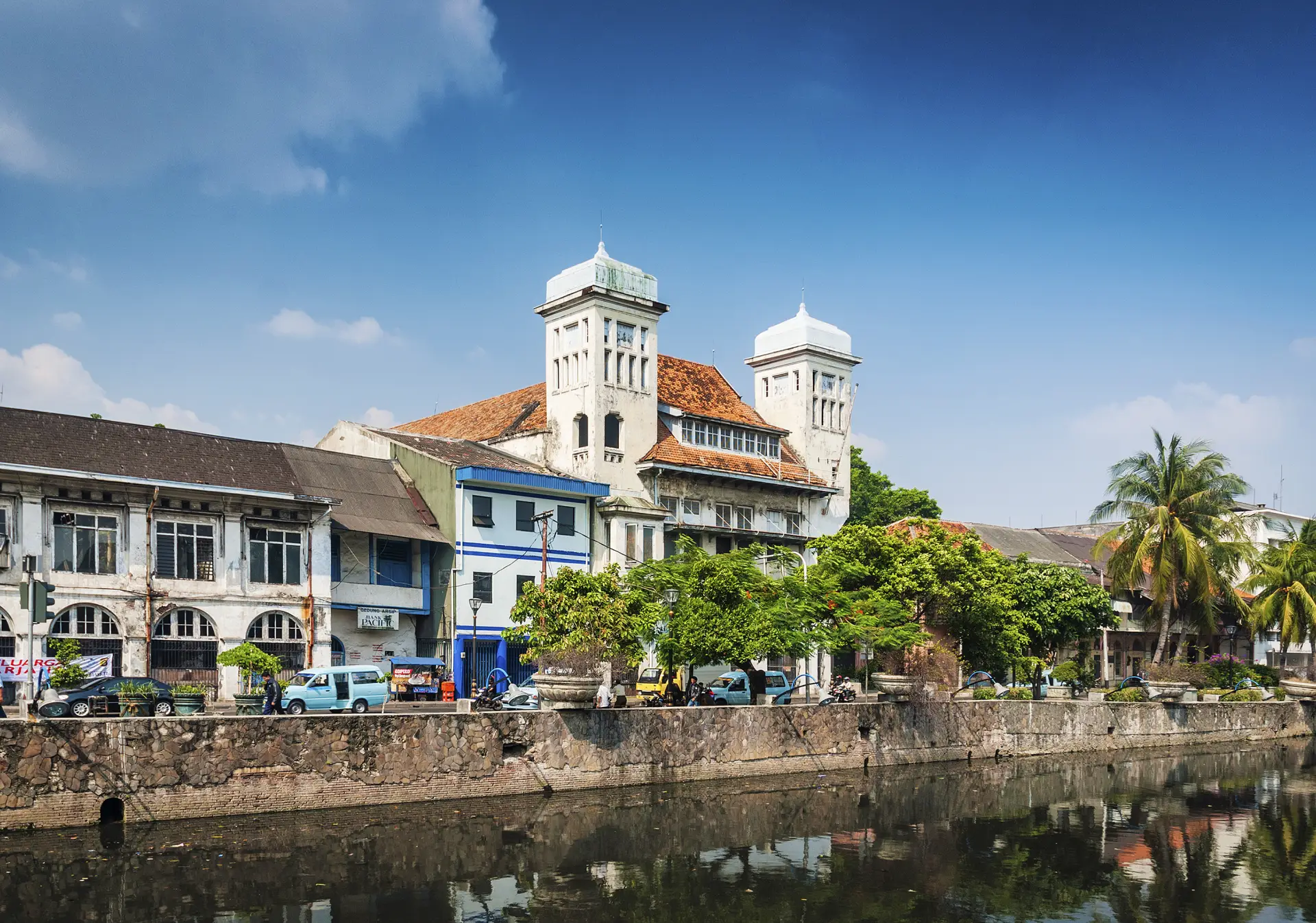
The dry season is widely considered the best time to visit Jakarta for travelers who want to explore comfortably outdoors. Rainfall drops significantly, skies are clearer, and humidity is slightly more manageable. This makes it an excellent window for walking tours through Old Batavia, rooftop dining, and day trips beyond the city.
The main downside is that dry season overlaps with Indonesian school holidays in June and July, so popular sites can get busier and hotel rates may rise slightly. Still, the trade-off of predictable weather usually outweighs the extra foot traffic.
Jakarta's rainy season brings heavier, more frequent rainfall, often concentrated in intense afternoon or evening bursts rather than all-day drizzle. Mornings are frequently dry and sunny, making them a smart time to schedule museum visits, cultural sites, or a night tour later in the evening once the rain has passed.
Flooding can occasionally affect low-lying areas during peak rainy months, so it's worth checking local conditions if you're traveling in January or February. That said, many visitors still enjoy Jakarta comfortably during this period by planning indoor activities for midday and saving outdoor plans for morning or evening.
This Jakarta weather by month pattern makes August and September the sweet spot for combining good weather with slightly thinner crowds compared to the June-July holiday rush.
Jakarta tourist crowds don't follow the same rhythm as beach destinations like Bali. Since most visitors are domestic travelers and business guests, the busiest periods align with Indonesian school holidays (June–July and December–January) and the days surrounding Idul Fitri, when many locals travel to and from the city. During these windows, expect fuller attractions, pricier flights, and busier traffic, especially around Monas and Old Batavia.
If you're deciding between exploring Jakarta or pairing it with another destination, our comparison guide on Yogyakarta vs Jakarta: which city to visit first can help you sequence your Indonesia itinerary around these crowd patterns.
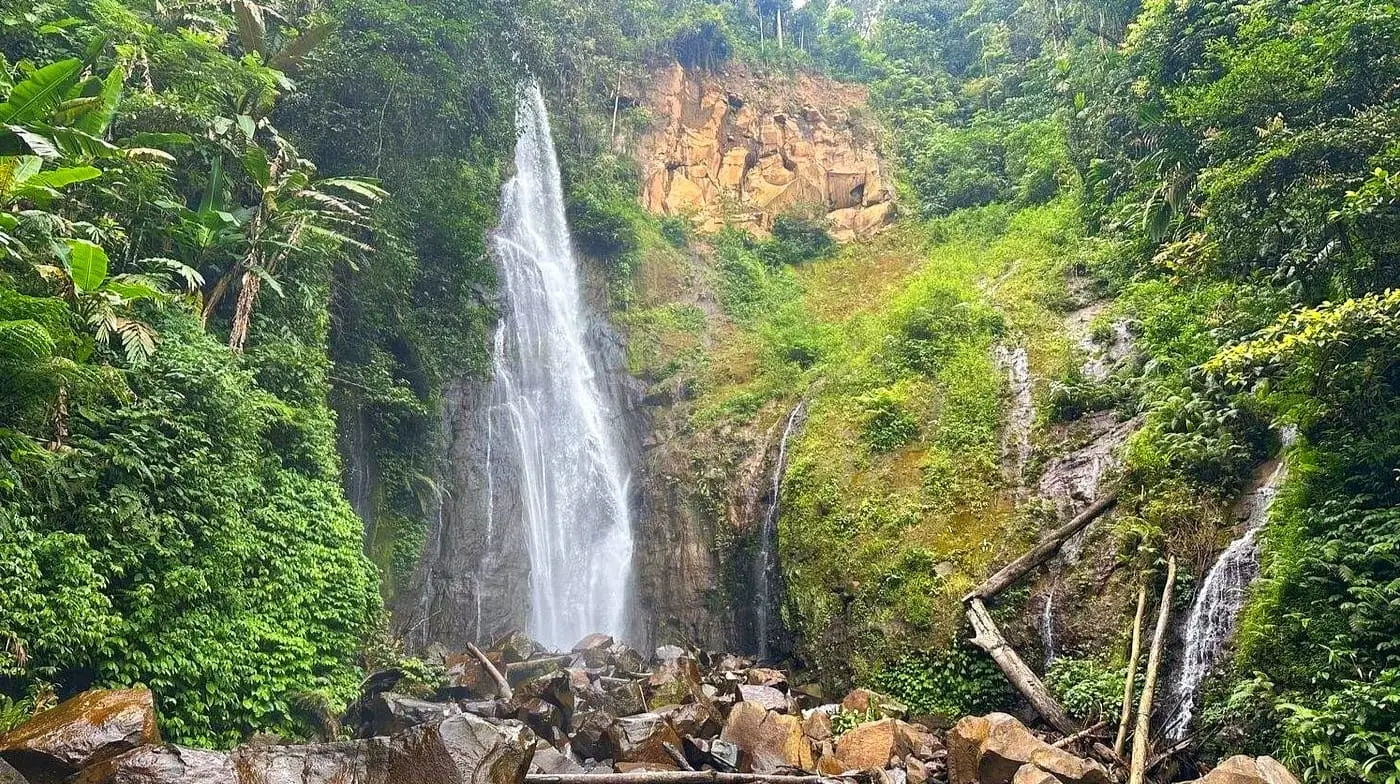
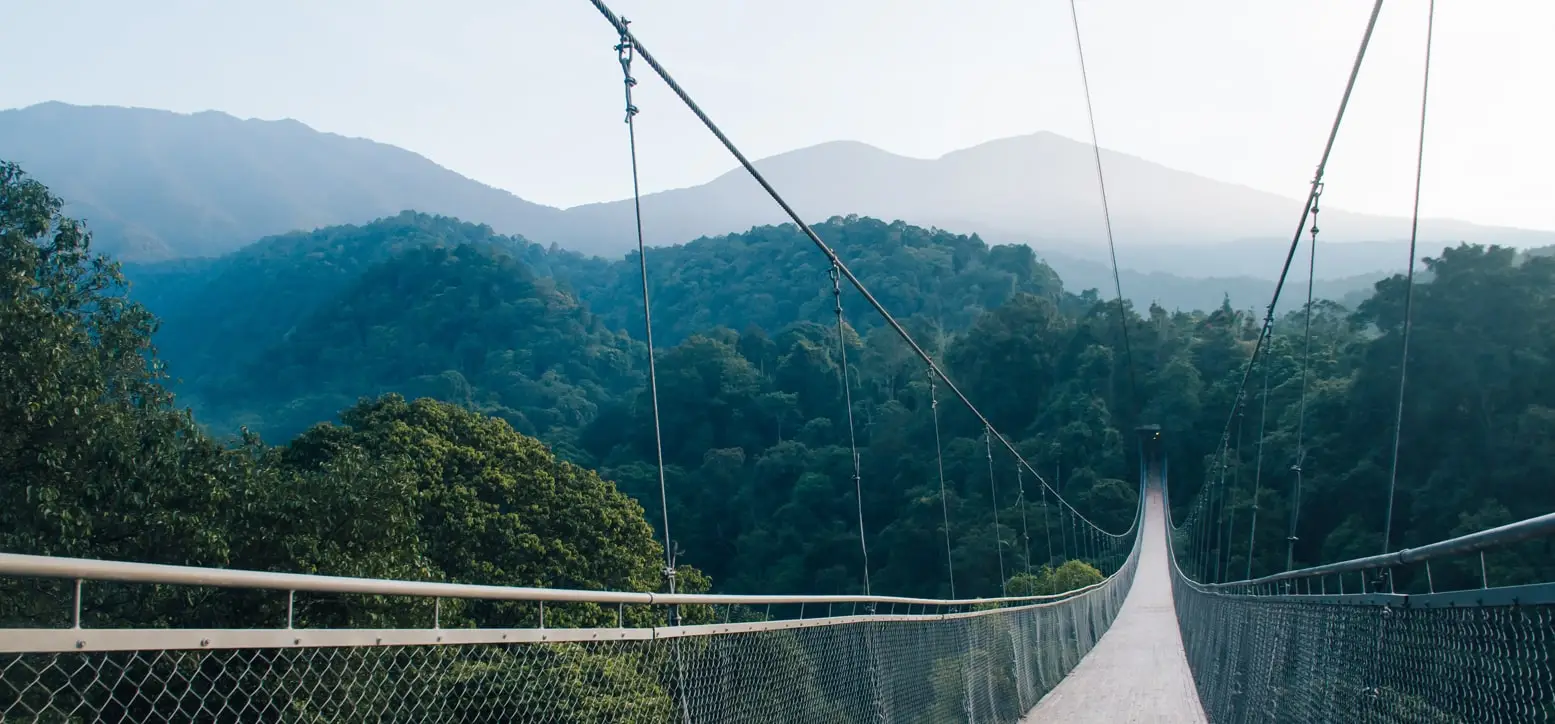
For hiking and waterfall trips near Jakarta, dry season (May–September) is hands down the best time. Trails stay firmer, rivers are calmer, and waterfall views are clearer without the runoff and mud that rainy season brings. This is especially important for adventures like the Jakarta rainforest hiking tour to a hidden waterfall and suspension bridge, where dry trails make for a safer, more enjoyable full-day trek.
Travelers who want a gentler nature escape combined with culture can also consider the Bogor Botanical Garden and rainforest hike to a hidden waterfall, which is best enjoyed under clear dry-season skies.
City sightseeing in Jakarta works well year-round since most major landmarks, museums, and malls offer plenty of indoor shelter from rain. Even during rainy season, mornings are often clear enough for exploring Old Batavia, Chinatown, or the National Monument. For a deeper dive into the capital's top spots, check our guide to the top 10 must-see attractions in Jakarta.
Evenings are especially rewarding, as Jakarta's skyline and street life come alive after dark regardless of season. A guided Jakarta night tour is a great way to experience illuminated Monas and the city's after-dark energy, and pairs nicely with tips from our best night photography spots in Jakarta article.
If you want the most reliable weather for hiking, waterfalls, and long walking days, aim for the dry season between May and September, with August standing out as the driest and clearest month. If your schedule only allows a visit during rainy season, don't worry: plan outdoor activities for the morning, save museums and markets for midday showers, and enjoy Jakarta's nightlife once the rain clears. Either way, avoiding peak Indonesian school holidays and Idul Fitri will help you dodge the thickest crowds.
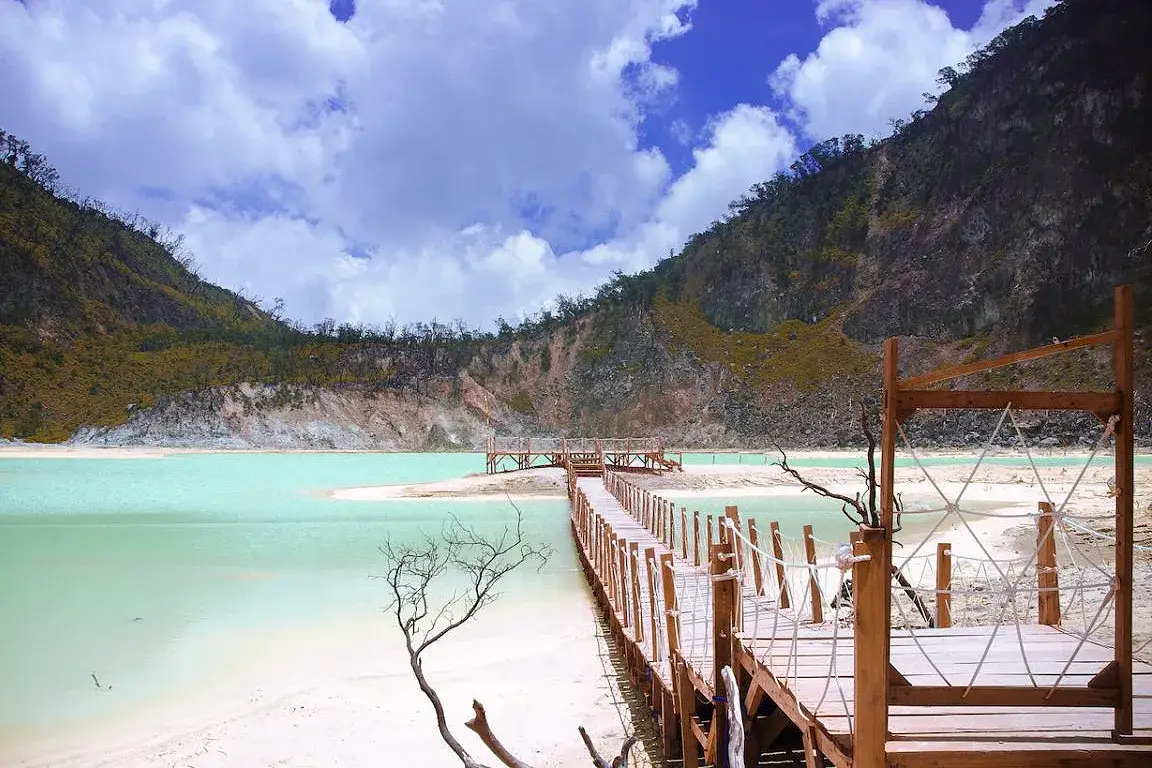
For travelers building a longer itinerary, multi-day options like the Best of Jakarta Tour, 5 Days or the Best of Jakarta Tour, 4 Days are flexible enough to work in either season, blending city landmarks with countryside escapes like Tangkuban Perahu.
August is typically the driest month, with the least rainfall and lower humidity, making it ideal for outdoor sightseeing and day trips.
Temperatures stay around 27–34°C year-round, so it's consistently warm, but humidity and rain affect comfort more than heat alone.
Not necessarily. Rain usually falls in short, heavy bursts in the afternoon, leaving mornings clear enough for museums, temples, and city tours.
Peak crowds hit during Indonesian school holidays (June–July, December–January) and around Idul Fitri, when local travelers fill attractions and hotels.
Jakarta sees more domestic travelers and business visitors than international tourists, so crowd patterns follow local holidays rather than typical tourist season.
Dry season months (May–September) offer safer trails and clearer waterfall views, since rainy season can make paths slippery and rivers swell.
Ready to plan your trip around Jakarta's best weather window? Book the Jakarta rainforest hiking tour to a hidden waterfall and suspension bridge today and make the most of the dry season's clear trails and stunning views.