Main Navigation
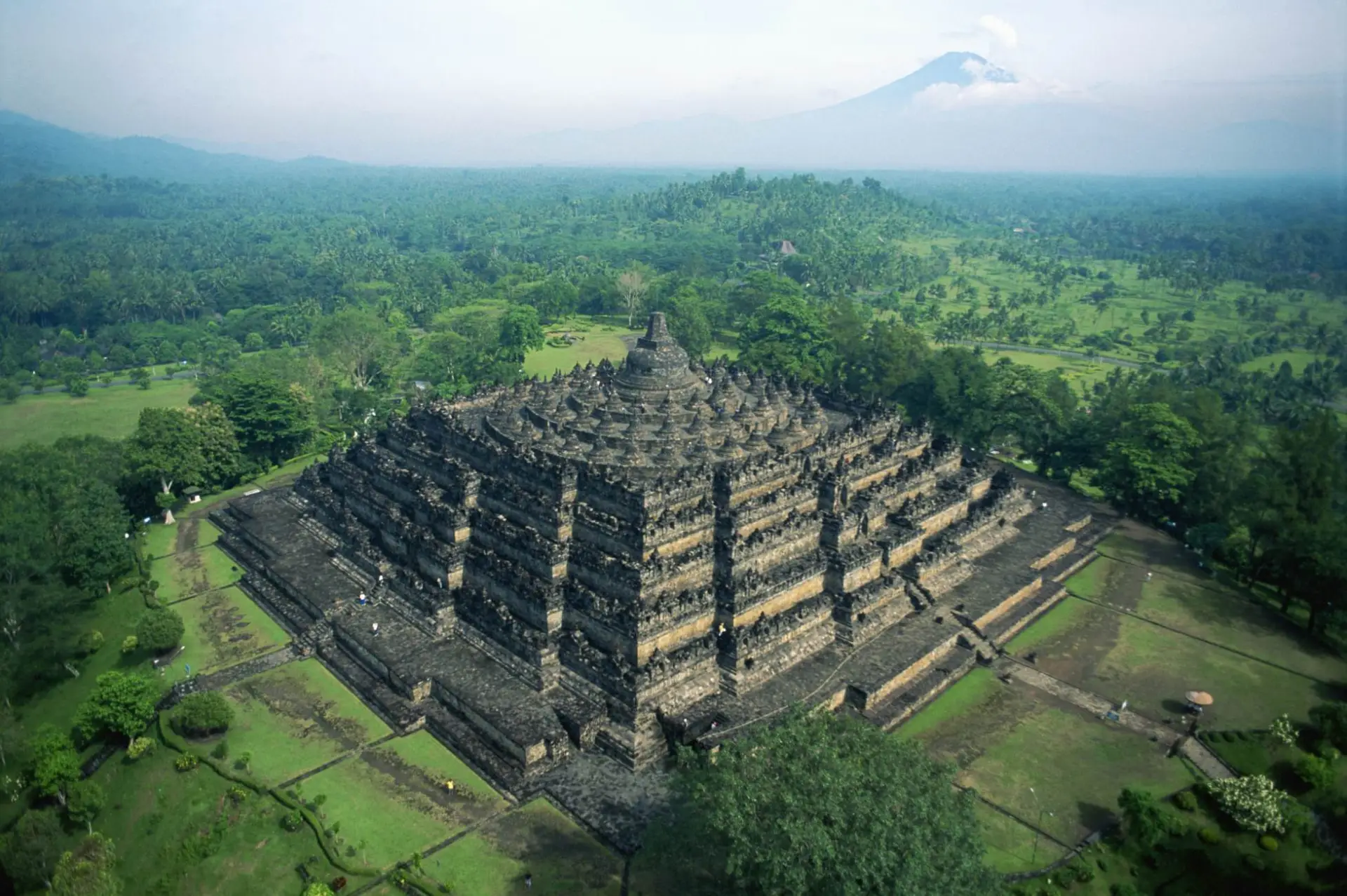
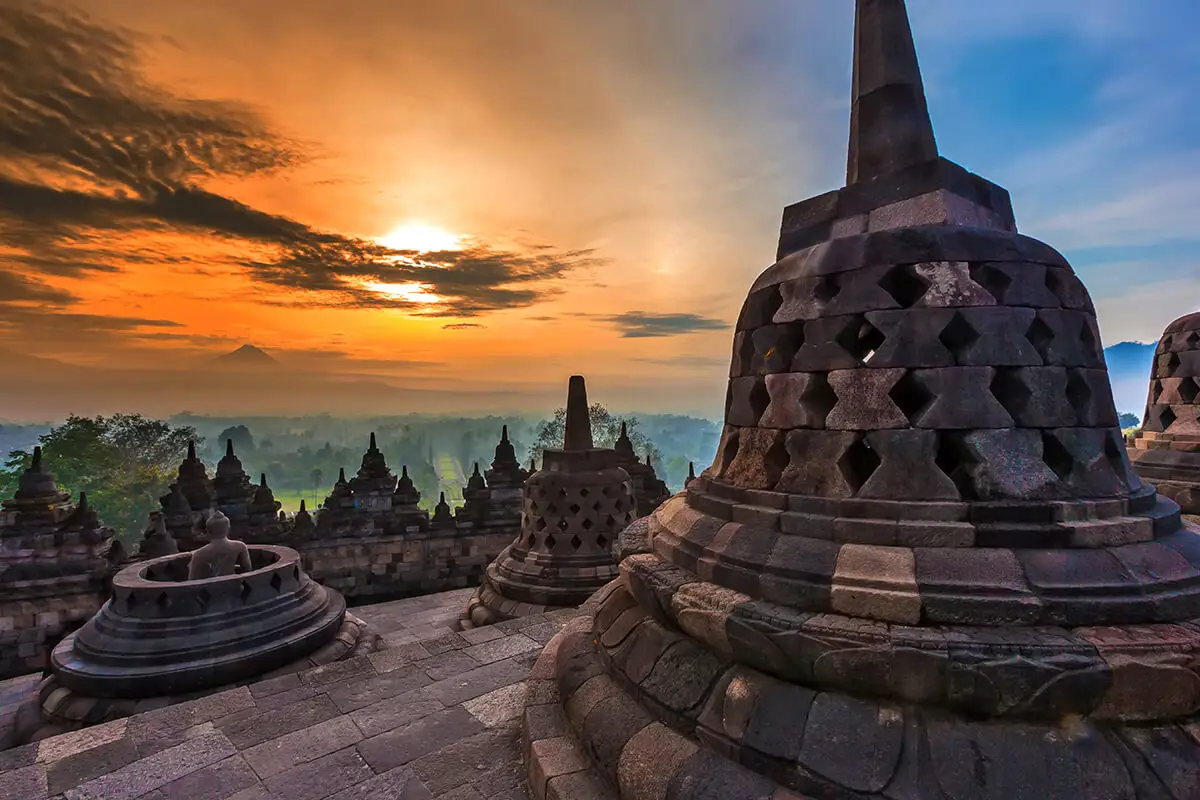
For years, the image most travelers associate with Borobudur is the view from the courtyard below: rows of bell-shaped stupas rising against the Java sky. But there is another way to experience this ninth-century Buddhist monument, one that puts you on the upper terraces themselves, walking among the stupas rather than just admiring them from a distance. This is the Borobudur climb up experience, and for many visitors it transforms a good visit into an unforgettable one.
"Climb-up" refers to the officially sanctioned access that allows visitors to walk up through Borobudur's upper levels, including the rounded stupa terraces near the summit. This is different from simply entering the temple grounds. Following conservation concerns over foot traffic wearing down the ancient volcanic stone, authorities introduced a separate ticketing system specifically for those who want to ascend beyond the base reliefs. Climbing Borobudur temple today means joining this regulated program, which limits the number of visitors allowed up each day and requires specific footwear to protect the surface.
A standard entrance ticket lets you explore Borobudur's courtyard and lower galleries, where the famous narrative relief panels are carved into the stone walls. It's a rich experience on its own, but it stops short of the upper circular terraces. Climb-up access, by contrast, includes everything the standard ticket offers plus the ability to ascend through the upper levels toward the main stupa. The Borobudur ticket climb access is quota-controlled and typically requires a guide, since rangers monitor the flow of visitors on the summit terraces to prevent overcrowding and protect the structure.
Booking an all-inclusive Borobudur tour takes the guesswork out of securing this access. Rather than navigating ticket quotas, transport logistics, and guide arrangements separately, a well-organized package typically bundles:
This kind of package is especially useful for travelers who want certainty. Since climb-up slots are limited, booking through an established tour operator well ahead of your travel dates significantly reduces the risk of missing out.
Borobudur rises in nine stacked platforms, six square and three circular, culminating in a central stupa. The climb follows steep stone stairways that were built over a thousand years ago, so don't expect the uniform, gentle steps of a modern staircase. Some sections are narrow, and the stone can be uneven or slightly worn smooth from centuries of exposure.
That said, this is not a strenuous mountain trek. Most visitors with average fitness can complete the climb comfortably by taking it slowly and pausing to enjoy the carvings and views along the way. Guides typically set a relaxed pace, and there are natural stopping points at each terrace level. Wearing proper shoes and staying hydrated, particularly if you're visiting during the warmer midday hours, makes a noticeable difference in comfort.
Give yourself at least 60 to 90 minutes for the climb-up portion alone if you want to fully appreciate the upper terraces without rushing. Photographers in particular will want extra time, since the stupa-lined terraces offer some of the most iconic vantage points in all of Java.
One detail that surprises first-time visitors is the requirement to wear special woven sandals during the climb. These are provided on-site at no extra cost and are designed to minimize wear on the ancient stone surface compared to regular shoe soles. You'll still want to bring your own closed, comfortable shoes for walking to and from the entrance.
As Borobudur is an active religious site, modest dress is required: shoulders and knees should be covered. If you arrive in shorts or a sleeveless top, sarongs are usually available for rent, but it's simpler to plan ahead and dress appropriately from the start. Sun protection, including a hat and sunscreen, is also worth packing since much of the climb is exposed to direct sunlight.
Many travelers pair their Borobudur visit with Prambanan Temple, Indonesia's largest Hindu temple complex, located on the opposite side of Yogyakarta. Combining both sites in a single day makes efficient use of your time in the region and offers a compelling contrast between Buddhist and Hindu architectural traditions built within a century of each other.
If sunrise is more your style, it's worth reading about why the early start at Borobudur is worth it before deciding which itinerary suits your trip best.
A little preparation goes a long way toward making your climb enjoyable rather than rushed. Consider the following:
If you're building a longer Java itinerary around this visit, it also helps to think about pacing your whole trip. Our guide on visiting Indonesia during school holidays offers useful context if you're traveling during a busier travel period, when climb-up quotas tend to fill faster.
Yes, but only through the official climb-up ticket, which is separate from the standard entrance ticket that only permits viewing from the courtyard grounds.
It's strongly recommended, since climb-up quotas are limited daily and an all-inclusive tour can secure this access along with transport and a guide ahead of time.
Wear closed, comfortable shoes and modest clothing covering shoulders and knees; special woven sandals are provided on-site and must be worn during the climb.
The stairs are steep and uneven in places since they follow the original ninth-century stone structure, but most visitors with average fitness can manage it at a relaxed pace.
Yes, several all-inclusive itineraries combine Borobudur's climb-up access with a same-day visit to Prambanan Temple for a fuller Yogyakarta temple experience.
The sunrise tour focuses on early access before opening hours, while the climb-up experience is specifically about ascending the temple's upper stupa levels, which can be done at various times of day.
Ready to walk among Borobudur's stupas yourself? Book the Borobudur Climb Up and Prambanan Temple all-inclusive tour and let Ekaputra Tour handle the tickets, transport, and guiding, so all you have to do is enjoy the climb.