Main Navigation
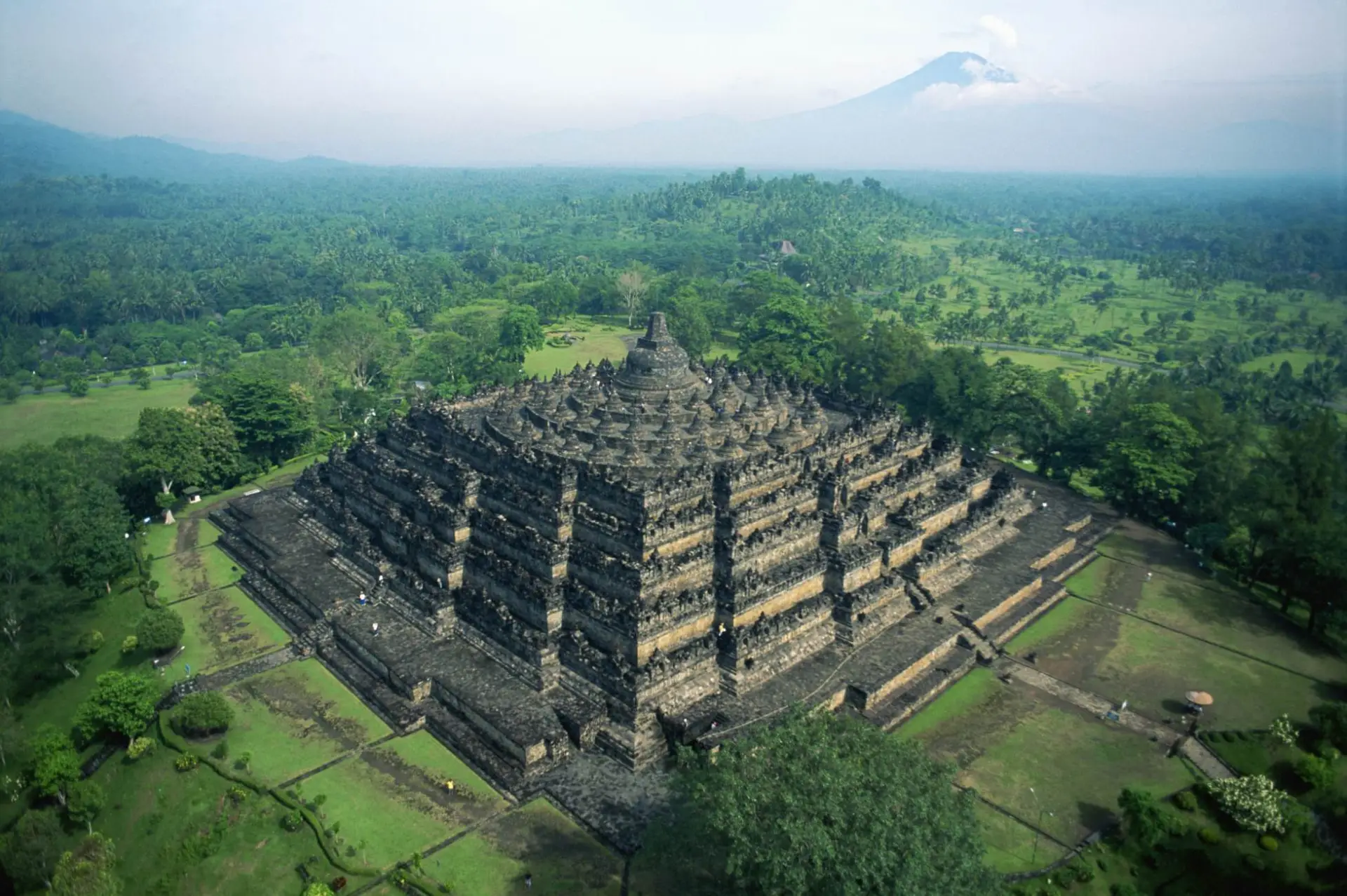
Borobudur is one of the most photographed monuments in Southeast Asia, but there's a meaningful difference between admiring it from the courtyard and actually climbing to its upper terraces. If you're planning your visit, understanding climbing Borobudur tickets and rules ahead of time will save you confusion at the gate and help you make the most of this once-in-a-lifetime experience.
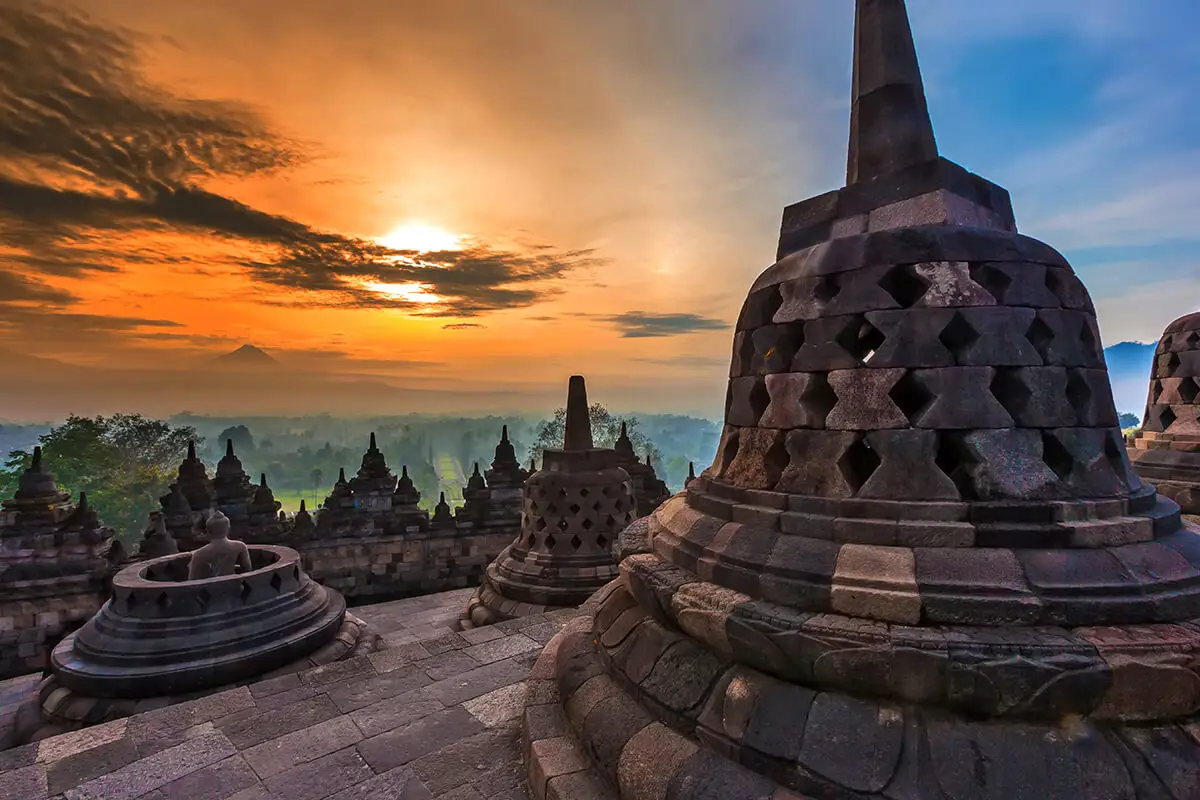
Many visitors assume that a standard Borobudur ticket lets them wander freely across every level of the monument. In reality, general admission grants access to the courtyard and lower grounds, where you can admire the temple's base reliefs and take in the scale of the structure. Actually setting foot on the stupa terraces, the iconic circular platforms with their perforated bell-shaped stupas, is a separate experience entirely. It's managed more strictly because these upper levels are older, more fragile, and directly exposed to foot traffic. This distinction is the foundation of everything else you need to know before you go.
To physically walk among the stupas, you'll need a climb-up ticket in addition to your entrance ticket. This access is limited by a daily quota to reduce wear on the stone surfaces, which means tickets can sell out well before closing time, especially on weekends, national holidays, and during school holiday periods. If you're traveling during a busier stretch of the calendar, it's worth reading about what to expect when visiting Indonesia during school holidays so you can plan your Borobudur visit around the crowds. Because availability is capped and can change, booking your climb-up slot in advance through a trusted operator is the most reliable way to secure a spot rather than risking a sold-out counter on arrival.
Once you're cleared to climb, a few site rules keep both visitors and the monument safe. Sitting or leaning on the stupas is not allowed, and touching the Buddha statues inside the perforated stupas is discouraged to prevent damage. Visitors are asked to stay within marked pathways rather than cutting across restricted sections, and groups are generally kept to a controlled pace so the terraces don't become overcrowded. Guides or staff may be present to remind visitors of these points, and following them isn't just about compliance, it's genuinely about preserving a 9th-century structure for future generations.
One of the most distinctive Borobudur footwear rules is the requirement to wear soft, non-marking sandals provided at the site entrance. Regular sneakers, sandals, or any shoes with hard or textured soles are not permitted on the stupa terraces because they can scratch and erode the ancient volcanic stone over time. The provided sandals are lightweight and designed specifically to minimize surface impact, and you'll typically exchange your own shoes for them before beginning the climb. It's a small inconvenience that makes a real difference in protecting the monument.
As with many culturally and religiously significant sites in Indonesia, Borobudur's temple dress code asks visitors to dress modestly, covering both shoulders and knees. If your outfit doesn't meet this standard, don't worry: sarongs or sashes are usually available to borrow at the entrance. Beyond clothing, it's smart to bring a hat, sunscreen, and a refillable water bottle, since the terraces offer little shade and the climb can take an hour or more depending on your pace. A small day bag, comfortable breathable clothing, and a camera with a fully charged battery will round out a practical packing list.
After passing through the entrance and collecting your sandals, you'll typically move through the lower relief galleries before ascending a series of steep stone staircases toward the circular terraces. Each level offers a different perspective: intricate carvings lower down, then increasingly open views as you rise toward the bell-shaped stupas at the summit. Along the way, staff or your guide will point out key sections and enforce the pathway and safety rules. The final terrace rewards the climb with sweeping views over the Kedu Plain and, on clear mornings, distant volcanoes on the horizon.
Early morning is widely considered the best time to climb Borobudur, both for comfort and for photography. Temperatures are cooler, the terraces are less crowded, and soft morning light flatters the stone reliefs beautifully. Sunrise visits in particular offer a magical atmosphere as the monument emerges from the morning mist. If you'd rather avoid direct midday sun and larger tour groups, aim for the first climb-up slots of the day.
Given the ticket quotas, footwear exchange, and site rules involved, many travelers prefer a guided experience that handles the logistics for them. A well-organized tour can secure your climb-up ticket in advance, time your visit around sunrise or cooler hours, and pair Borobudur with nearby highlights like Prambanan Temple. For a deeper dive into how this experience unfolds from start to finish, our related guide on the all-inclusive Borobudur climb-up experience walks through what's typically included. If you have more time in Yogyakarta, multi-day itineraries such as the Best of Yogyakarta Tour - 3 Days combine the temple visit with royal heritage sites and traditional arts for a fuller cultural picture.
Yes. Standard entrance tickets only allow access to the courtyard area. Climbing onto the stupa terraces requires an additional 'climb-up' ticket with a limited daily quota, which should be booked in advance.
Visitors must wear special soft, non-marking sandals supplied at the site entrance. Regular shoes, especially those with hard or textured soles, are not allowed on the stone surfaces to prevent erosion.
Yes, shoulders and knees should be covered as a sign of respect. If your outfit doesn't meet this requirement, a sarong or sash is usually available to borrow at the entrance.
The site enforces a daily visitor quota for the climb-up experience to protect the monument, so tickets can sell out quickly during peak season and public holidays.
The climb involves several steep stone staircases across multiple terraces. It's manageable for most fitness levels but can be tiring in heat, so comfortable clothing and water are recommended.
Yes, but the steep, uneven steps require caution. Handrails are available in some sections, and visitors with mobility concerns may prefer to enjoy the courtyard level instead.
Ready to experience Borobudur's stupa terraces for yourself? Book the Yogyakarta Borobudur Temple Climb Up & Prambanan Temple All Inclusive tour with Ekaputra Tour and let us handle the tickets, timing, and details while you enjoy the climb.