Main Navigation
Java's two most iconic cities could not feel more different. Jakarta is fast, modern, and layered with history in its old town and museums, while Yogyakarta moves at a gentler pace, wrapped around ancient temples, royal palaces, and volcanic hills. Putting them together in one Java itinerary, Jakarta Yogyakarta style, gives you a far richer picture of Indonesia than either city alone. This guide lays out a practical 7 day Indonesia itinerary and a more relaxed 10 day Indonesia trip plan, along with the logistics of getting between the two.
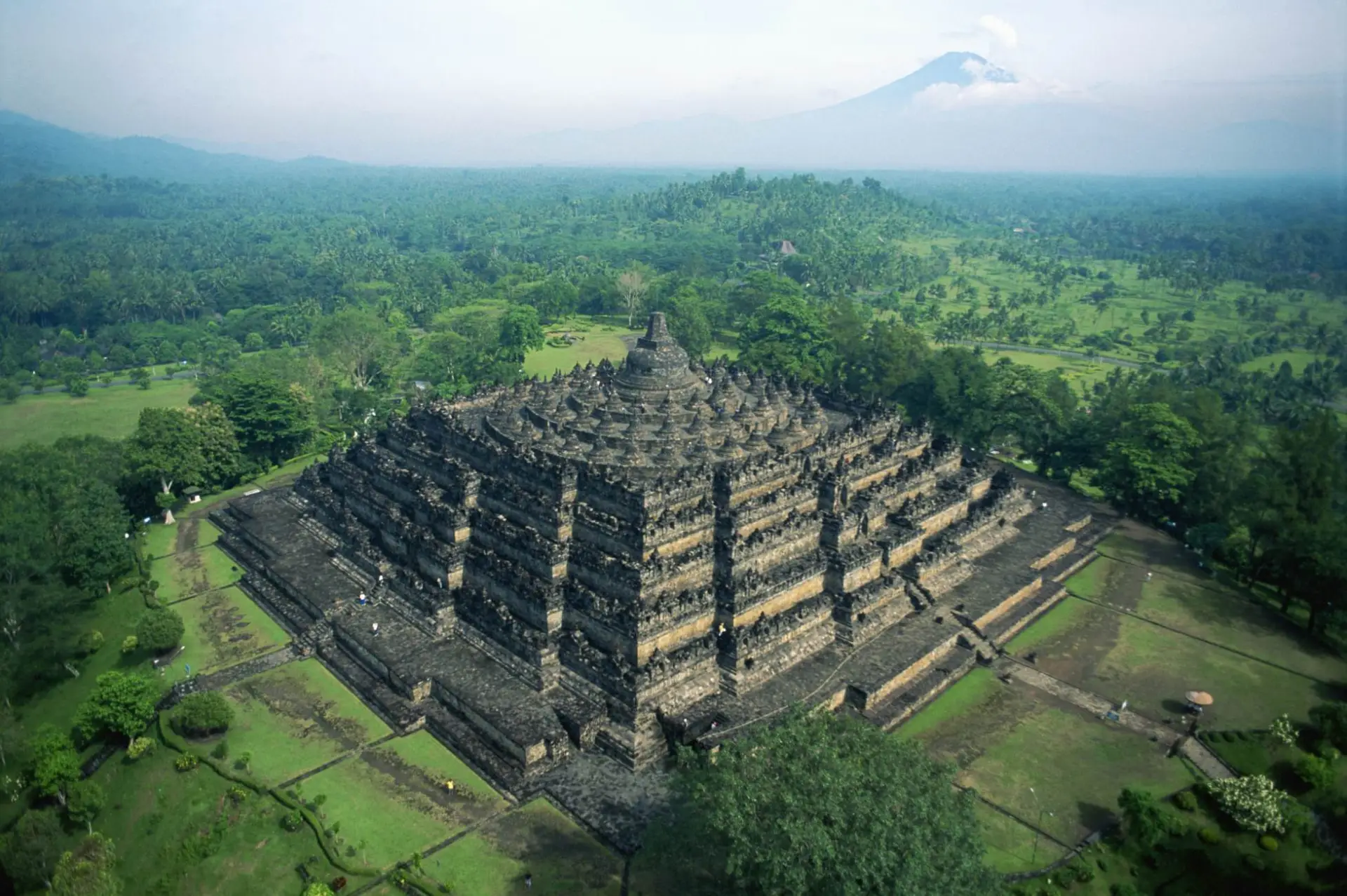
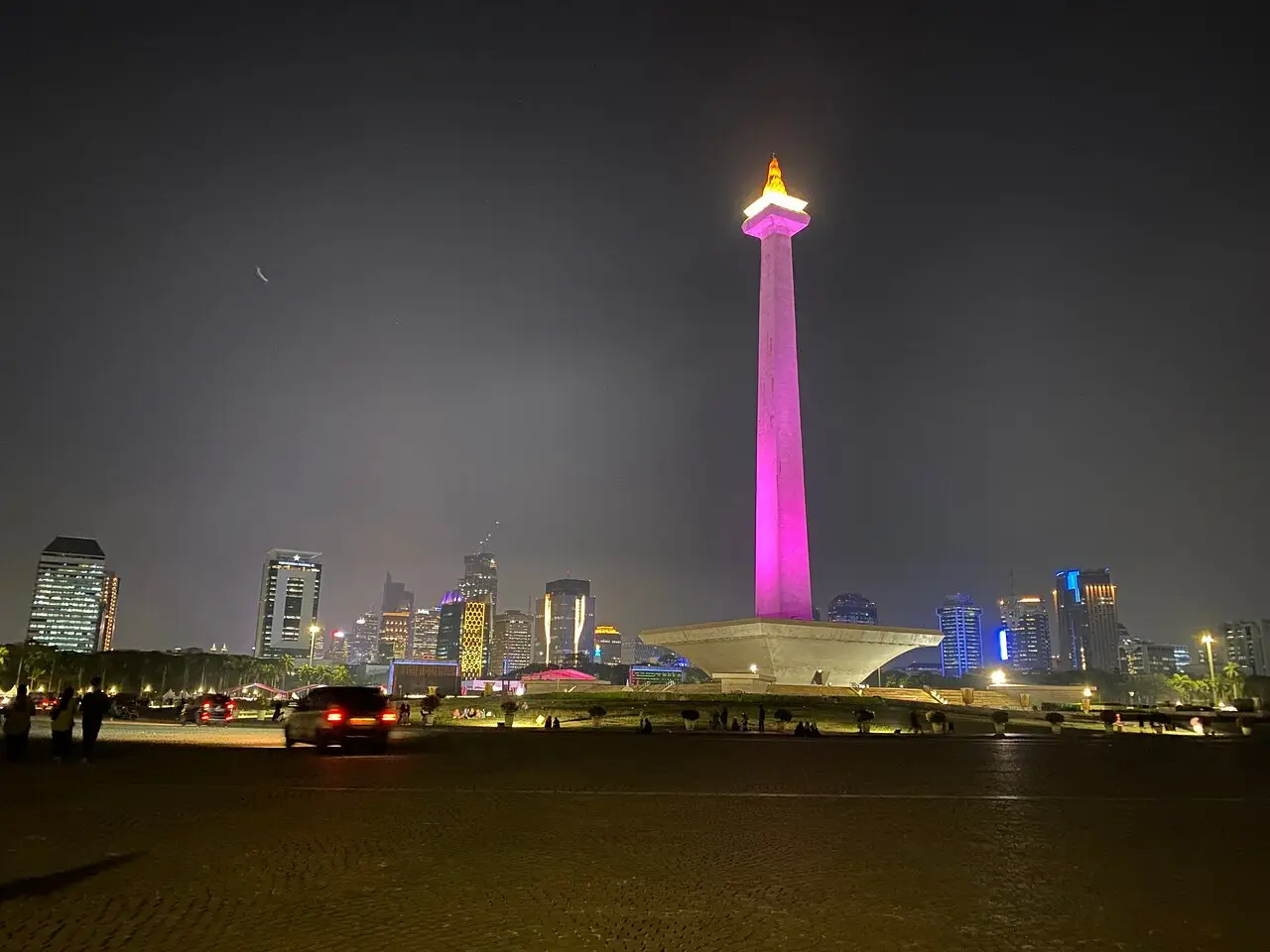
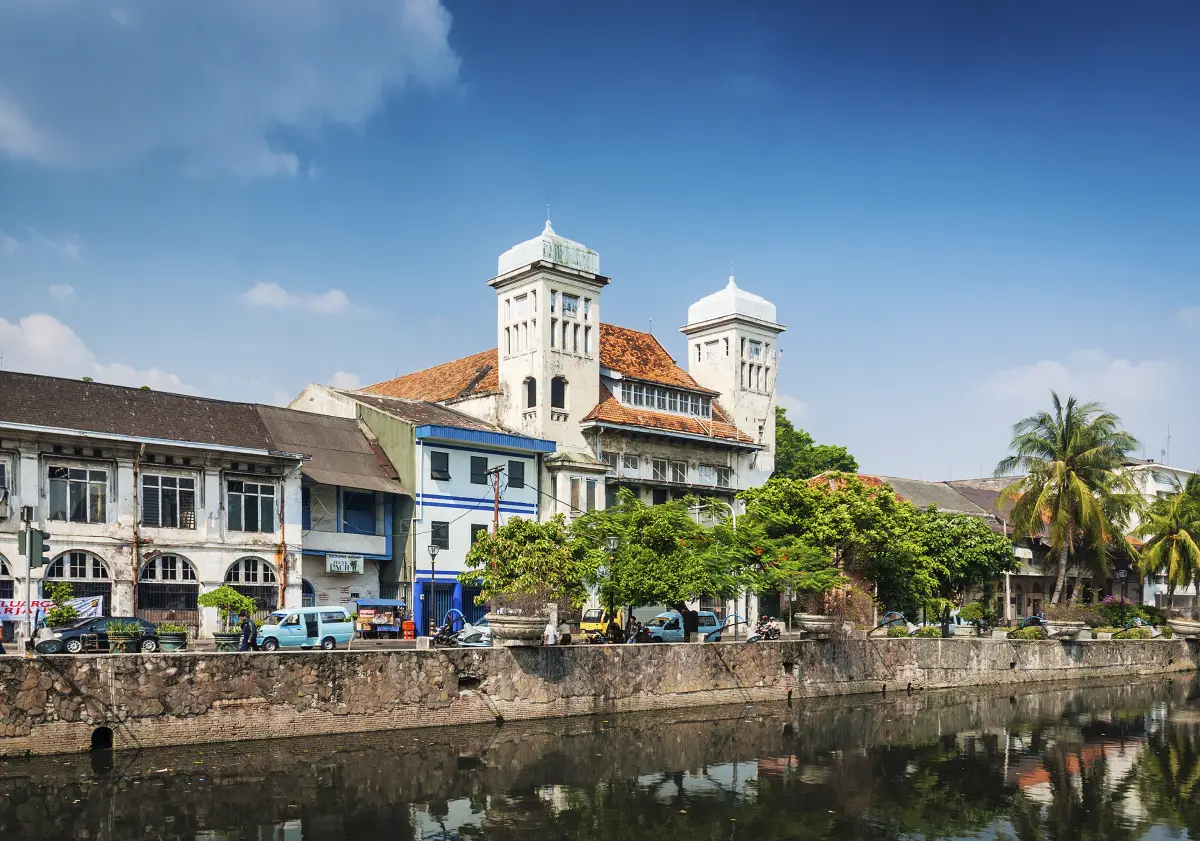
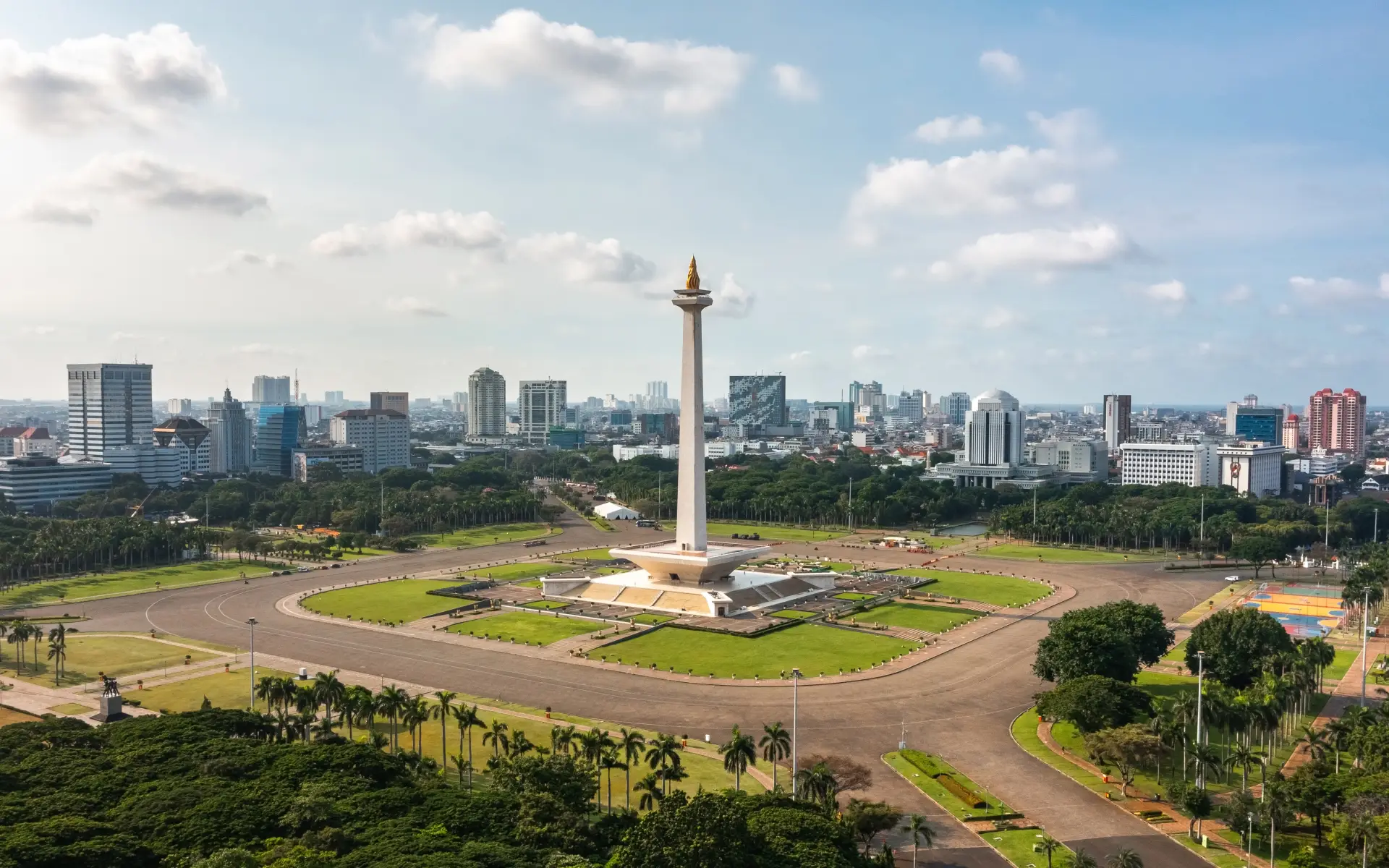
Jakarta and Yogyakarta complement each other almost perfectly. Jakarta gives you Indonesia's capital energy: skyscrapers, colonial-era Kota Tua, world-class shopping, and a food scene that spans everything from street satay to fine dining. Yogyakarta, on the other hand, is the cultural heart of Java, home to Borobudur and Prambanan, the Sultan's palace, and a slower, artisan-driven rhythm. Travelers who only visit Jakarta miss Java's temples entirely, and travelers who skip Jakarta miss the country's most dynamic urban story. Together, they form a balanced introduction to modern and ancient Indonesia in a single trip.
Jakarta to Yogyakarta travel is straightforward, with two realistic options. Flying is the fastest choice, taking roughly 1.5 hours and running frequently throughout the day, which makes it ideal if your total trip is closer to a week. The train, meanwhile, takes 7-9 hours but travels through some genuinely beautiful countryside, with rice terraces, volcanoes, and small villages passing by the window. If you have an extra day to spare and enjoy slower travel, the train is a worthwhile experience in itself rather than just a means of getting there.
A 7-day Indonesia itinerary works well split roughly into 3 days in Jakarta and 3-4 days in Yogyakarta. Start in Jakarta to ease into the trip and recover from jet lag with lighter city activities, then fly onward once you are ready for more temple-hopping and walking.
If you want a deeper dive into structuring the Jakarta portion alone, this 4-day Jakarta itinerary breakdown is a useful companion resource.
With three extra days, a 10 day Indonesia trip plan lets you slow down and add a nature-focused side trip before heading to Yogyakarta. Bogor and Bandung both sit within easy day-trip range of Jakarta and offer a strong contrast to the city's concrete and traffic.
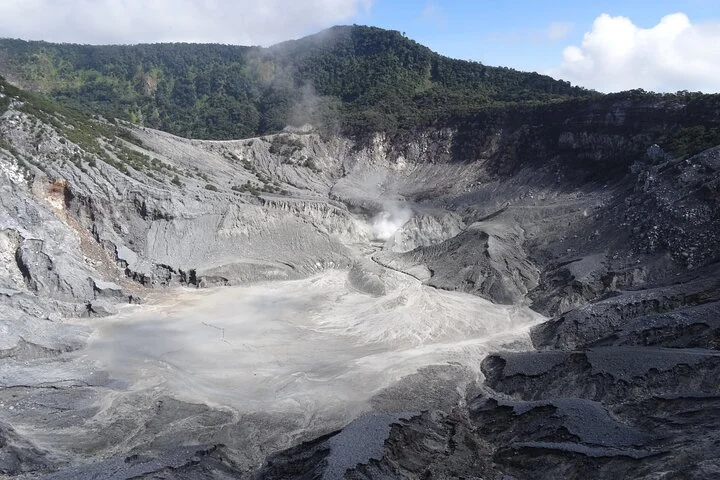
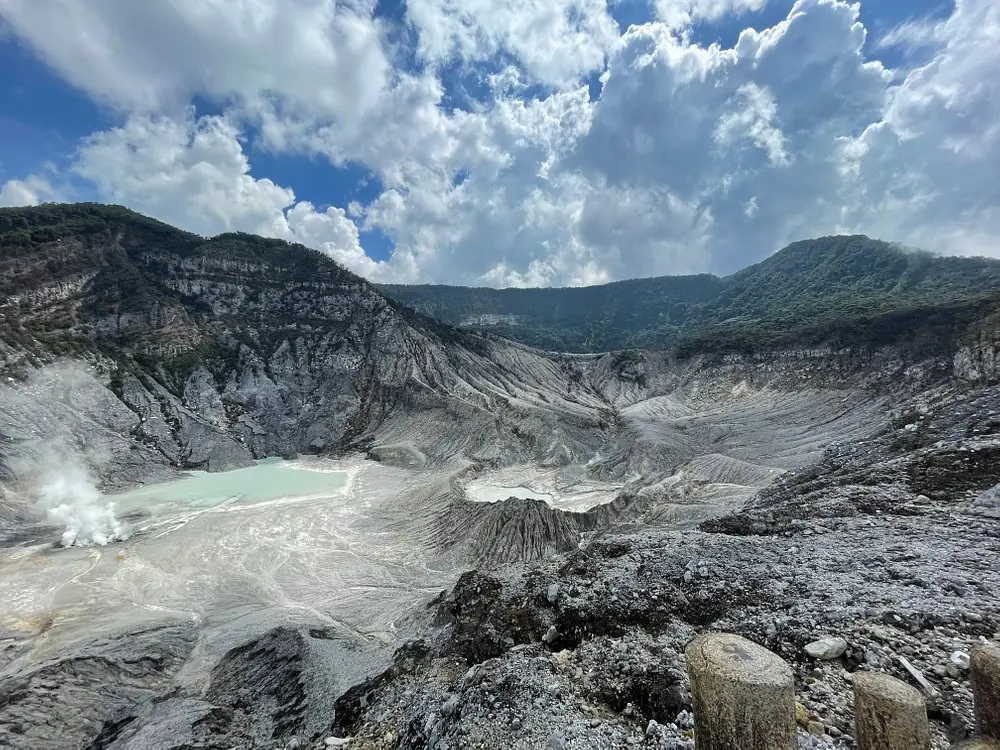
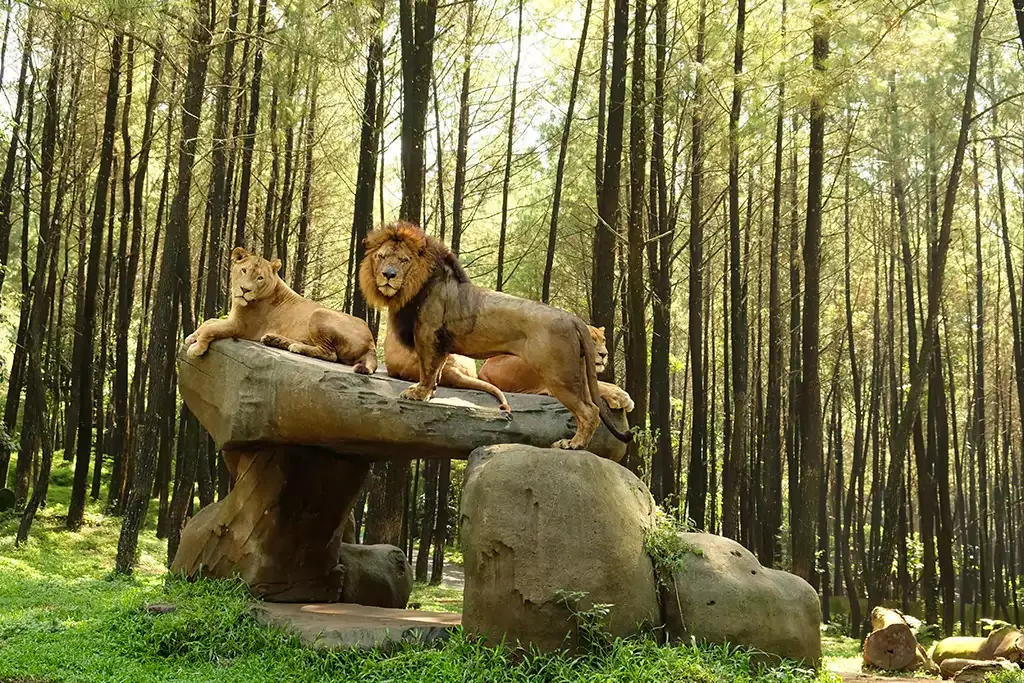
A popular addition is a day exploring wildlife and waterfalls, such as the Bogor safari park, Jaksa Waterfall, and tea plantation tour, which mixes animal encounters with lush countryside scenery. Travelers who prefer volcanic landscapes often choose a Bandung-area day instead.
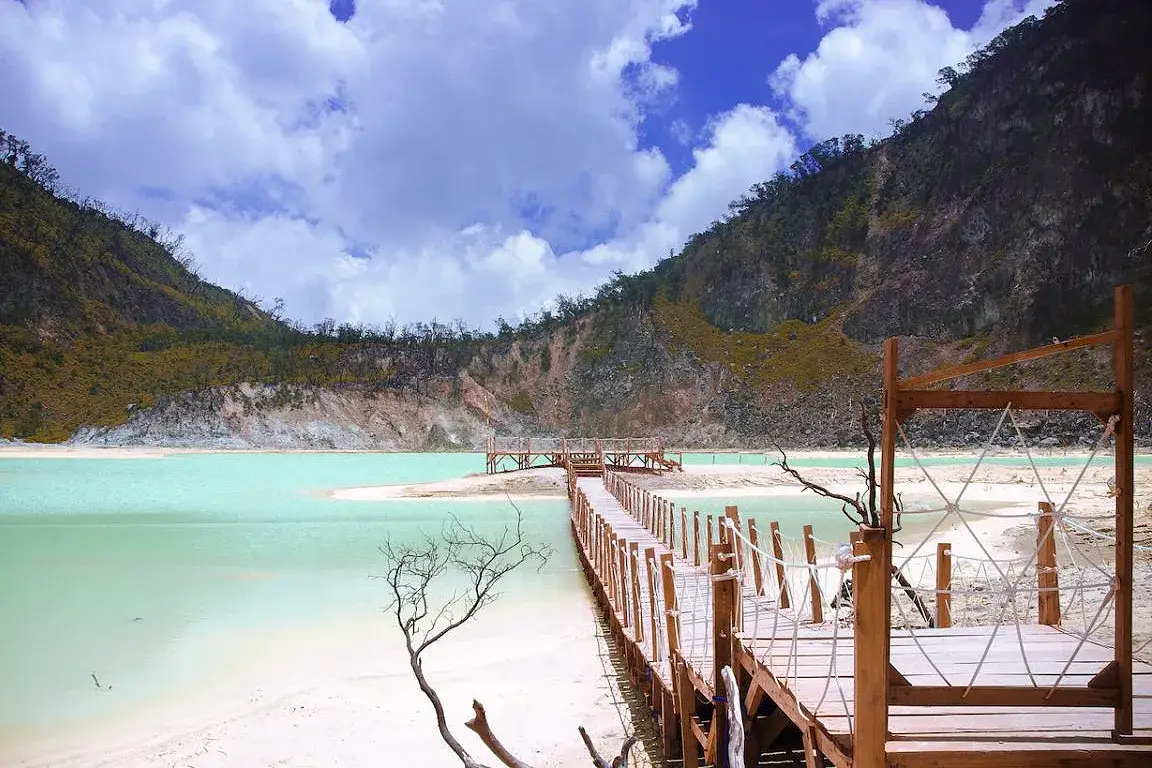
Either option adds a full day of rice terraces, hot springs, and cooler mountain air, giving your itinerary a nature chapter between Jakarta's urban pace and Yogyakarta's cultural immersion. For a ready-made structure, see this 5-day Jakarta, Bogor, and Bandung itinerary for ideas on how the extra day can be used.
In Jakarta, staying in the Central Jakarta or Sudirman-Thamrin area puts you close to malls, business districts, and easy access to Kota Tua by taxi or ride-hailing app. If you prefer a quieter base with easy old-town access, Kota Tua itself has a growing number of boutique hotels.
In Yogyakarta, the Malioboro Street area is the most convenient base, walkable to the Kraton, close to the train station, and lined with batik shops, street food stalls, and budget-to-midrange hotels. Staying here means you can explore the old city on foot and only need transport for day trips to Borobudur and Prambanan.
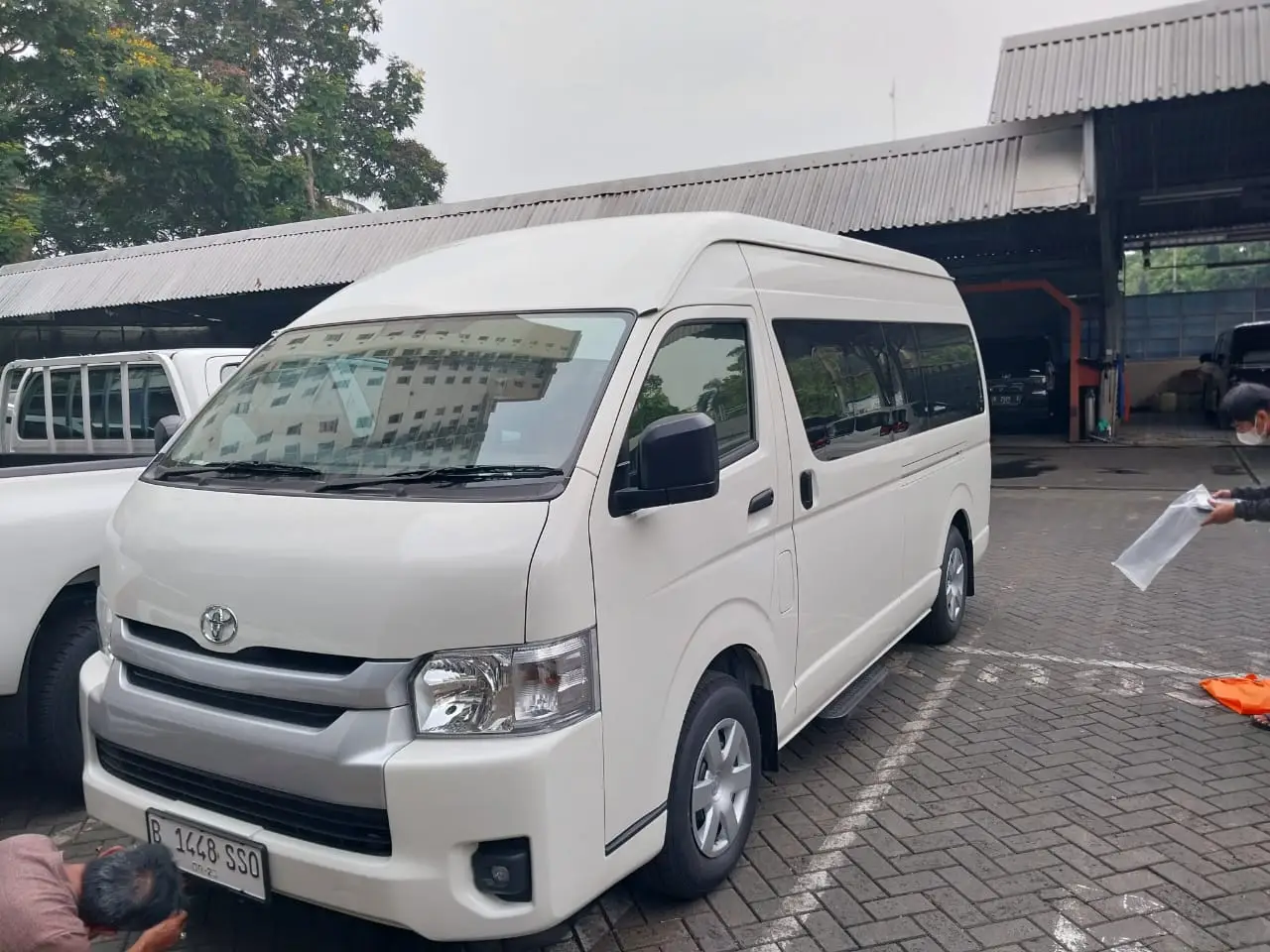
Costs vary by travel style, but a helpful way to plan is to separate the two cities. Jakarta expenses tend to lean toward dining, shopping, and paid attractions or guided tours, while Yogyakarta costs are driven mainly by temple entrance fees and day-trip transport. Guided day tours in the Jakarta area, such as those covering safari parks, volcanoes, or cultural landmarks, typically range from around 1,300,000 to 2,500,000 IDR per person depending on distance and inclusions. Budgeting for a private driver or organized tour on temple days in Yogyakarta is usually worthwhile, since Borobudur and Prambanan sit outside the city center and public transport options are limited.
Before you travel, confirm your entry requirements using an updated resource like this Indonesia visa on arrival guide for 2026, since rules can shift year to year. Pack light, breathable clothing for both cities, but bring a light jacket for early morning temple visits in Yogyakarta, where sunrise air can be noticeably cooler. Book domestic flights or train tickets a few weeks ahead during peak holiday seasons, and keep at least one buffer day in your schedule in case of delays. If you are still deciding on the order of cities, this comparison of Yogyakarta versus Jakarta as a starting point breaks down the pros of each approach in more detail.
Seven days is the practical minimum: about 3 days in Jakarta and 3-4 in Yogyakarta. Ten days lets you add a Bogor or Bandung stop and slow down the pace in both cities.
Flying takes roughly 1.5 hours and suits shorter trips. The train takes 7-9 hours but is comfortable, scenic, and a good option if you have an extra travel day to spare.
Most travelers start in Jakarta since international flights land there, then continue to Yogyakarta. This also lets you recover from jet lag with lighter Jakarta activities first.
Yes, both temples can be visited on a single dedicated day from Yogyakarta, typically as a sunrise Borobudur visit followed by Prambanan in the afternoon.
If you have 9-10 days, a day trip to Bogor's tea plantations or Bandung's volcano and hot springs adds nature scenery that contrasts well with Jakarta's city sights.
Ready to fill in the Jakarta half of your itinerary with a well-planned day trip? Take a look at the Bogor Safari Park, Jaksa Waterfall, and tea plantation tour and let Ekaputra Tour handle the details while you enjoy the journey.