Main Navigation
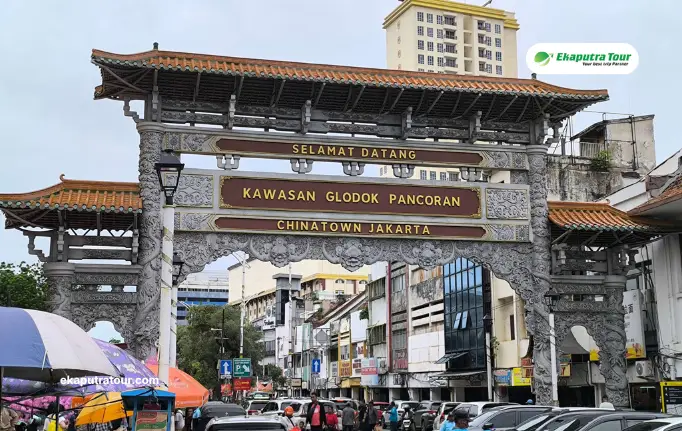
The Glodok Street Food Trail is one of the best ways to experience the vibrant culinary scene of Jakarta’s Chinatown.
Located in the historic Glodok area of West Jakarta, this neighborhood has long been known as a center of Chinese-Indonesian culture, commerce, and of course, food.
Walking through the busy streets and small alleys, visitors will quickly notice the tempting aroma of freshly cooked dishes coming from food stalls and small eateries.
For many locals, Glodok is more than just a place to eat. It is a culinary destination where traditional recipes have been passed down for generations.
From savory noodle dishes to sweet traditional snacks, the Glodok Street Food Trail offers a wide variety of flavors that reflect the rich heritage of the area.
Glodok is often considered one of the best places in Jakarta to try authentic street food. The area is filled with small food vendors, traditional shops, and family-run eateries that have been operating for decades.
Many of these stalls specialize in Chinese-Indonesian dishes that you may not easily find in other parts of the city.
What makes the Glodok food scene special is its authenticity. Most vendors focus on a few signature dishes that they have perfected over the years.
As a result, visitors can enjoy street food that feels both traditional and deeply connected to the local culture. Exploring the Glodok Street Food Trail is not just about eating, but also about experiencing a piece of Jakarta’s history.
One of the most exciting parts of exploring the Glodok Street Food Trail is discovering the wide variety of dishes available along the way.
As you walk through the neighborhood, you will find numerous stalls offering classic Chinese-Indonesian street food.
Bakmi ayam is one of the most popular dishes in Glodok. This comforting bowl of noodles is usually topped with seasoned chicken, vegetables, and sometimes mushrooms or dumplings.

Many noodle vendors in the area have been serving bakmi ayam for decades, making it a must-try dish for visitors.
You will also find plenty of fried snacks along the streets of Glodok. Lumpia, a crispy spring roll filled with vegetables or meat, is a common favorite.

Other snacks such as fried tofu, fish balls, and dumplings are also widely available and perfect for quick bites while exploring the neighborhood.
For those with a sweet tooth, Glodok offers a variety of traditional desserts and snacks.

Chinese pancakes, sesame balls, and other sweet treats are commonly sold by street vendors. These desserts are often enjoyed as a light snack while continuing the culinary walk through the area.
The Glodok Street Food Trail can be explored throughout the day, but the atmosphere becomes especially lively in the afternoon and evening. As the sun begins to set, more street food vendors start opening their stalls, and the streets become busier with locals and visitors looking for dinner.
Evening is often the best time to enjoy the full street food experience. The combination of bright food stalls, the smell of freshly cooked dishes, and the bustling atmosphere makes Glodok feel like a true culinary hotspot in Jakarta.
Before exploring the Glodok Street Food Trail, it is helpful to keep a few simple tips in mind. First, many street food vendors prefer cash payments, so bringing small cash is recommended. This makes it easier to try multiple dishes from different stalls.
It is also a good idea to come with an appetite. With so many food options available, visitors often find themselves wanting to try several dishes in one visit. Walking slowly through the area and sampling different snacks is the best way to fully enjoy the experience.
The Glodok Street Food Trail offers an unforgettable culinary adventure in Jakarta’s Chinatown.
From savory noodle dishes to traditional snacks and desserts, the area is filled with flavors that represent the rich cultural heritage of the community.
For visitors who want to explore Glodok more comfortably, joining a guided experience with Ekaputra Tour can be a great option.
With a knowledgeable guide and comfortable transportation, travelers can enjoy the food, learn about the history of Chinatown, and discover hidden culinary gems that might otherwise be missed.