Main Navigation
Planning a trip to Indonesia comes with plenty of exciting decisions.
You might be choosing between bustling cities and peaceful countryside, looking for the best local food, or deciding which attractions to visit first.
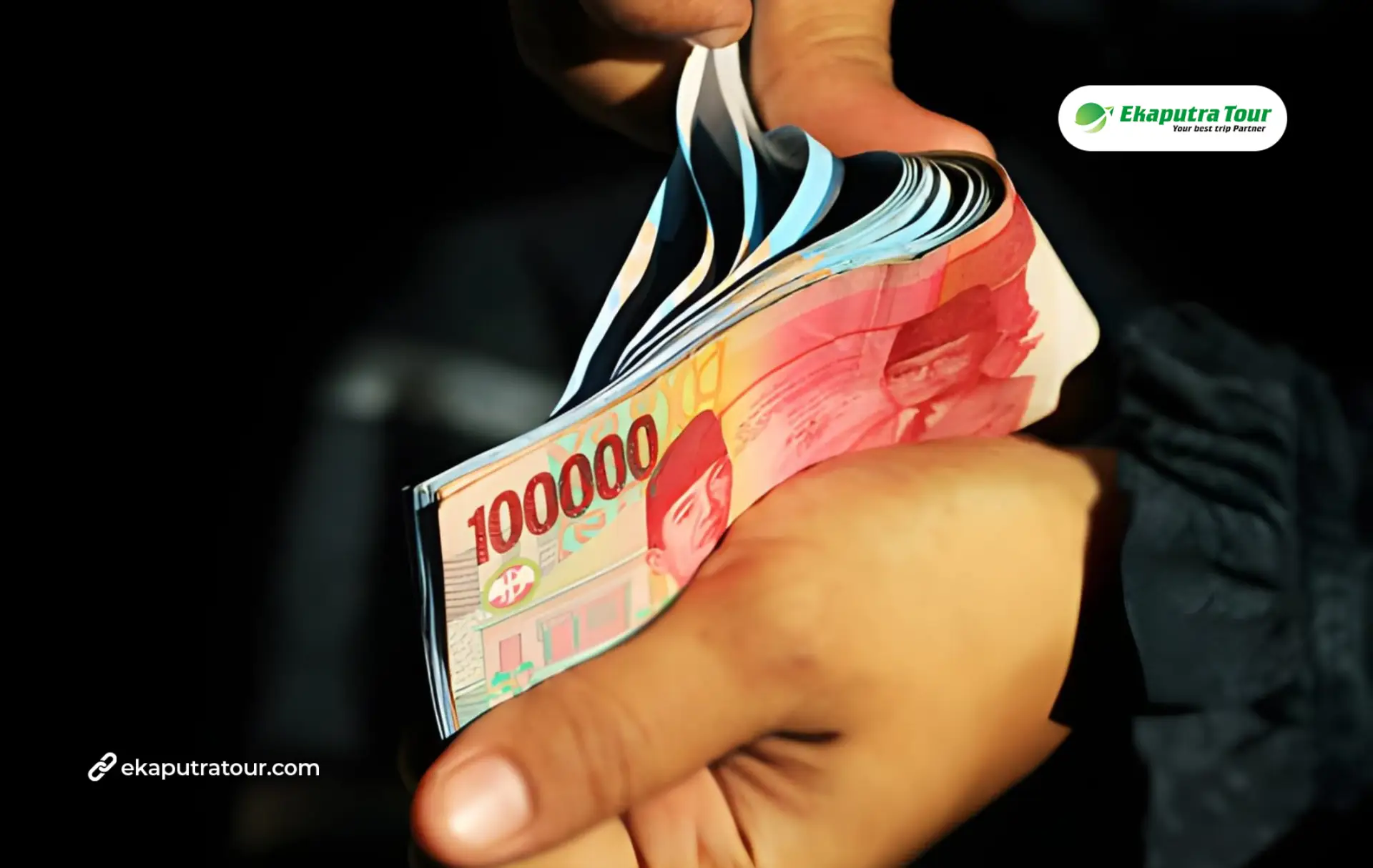
Along with all that planning, there's one practical question that often comes up. How much cash do you actually need while traveling in Indonesia?
The good news is that you probably don't need as much as you think.
Indonesia has become much more convenient for international travelers, with many places now accepting credit and debit cards.
At the same time, cash is still part of daily life in many areas, so having some Indonesian Rupiah with you will make your trip much easier.
The key isn't carrying a lot of cash. It's knowing when you'll need it and when your card will be enough.
Indonesia has changed a lot over the past few years. In cities like Jakarta and Bandung, paying by card has become normal.
Hotels, shopping malls, supermarkets, cafés, and many restaurants welcome international credit and debit cards, so you won't have trouble paying for most of your bigger expenses.
Once you start exploring beyond those places, you'll notice that cash is still commonly used.

Small family-run restaurants, local cafés, traditional markets, and neighborhood shops often prefer cash because it's quick and simple.
This is one of the reasons why it's helpful to carry both cash and a card. You can use your card for larger purchases while keeping some cash ready for smaller daily expenses. It's an easy way to avoid payment problems during your trip.
Some of the best travel experiences in Indonesia happen in places where cash is still the easiest way to pay.
Trying local food is a great example. Many travelers look forward to eating at small warungs or street food stalls because that's where they can experience authentic Indonesian flavors.
These places usually offer affordable meals, but many of them only accept cash. Having small banknotes ready makes ordering quick and easy.
Traditional markets are another place where cash is useful. Whether you're shopping for handmade souvenirs, local snacks, fresh fruit, or gifts to take home, many vendors don't have card payment machines.

Carrying enough cash means you can enjoy browsing without worrying about how you're going to pay.
You'll also come across small expenses throughout the day. Some local attractions charge a simple entrance fee, while parking areas, public facilities, or community-run tourist sites may also require cash.
These costs aren't usually expensive, but they're much easier to pay when you already have some Rupiah in your wallet.
If you've had a wonderful experience with a guide or driver, you may also want to leave a tip. While tipping isn't expected in Indonesia, it's always appreciated and is usually given in cash.
Although cash is important, you certainly don't need it everywhere.
Most hotels, shopping malls, supermarkets, and larger restaurants accept international cards without any problem.
Popular tourist attractions and well-known cafés are also likely to offer card payments, making it easy to pay for many of your daily expenses.

Because of this, there's no need to exchange your entire travel budget before arriving in Indonesia.
Many travelers simply use their card whenever possible and save their cash for places where it's actually needed.
Even so, it's always a good idea to keep a little cash with you. A payment machine might not be working, or you could stop by a small local business that doesn't accept cards.
Having both options gives you more flexibility wherever you go.
For most travelers, carrying around IDR 500,000 to IDR 1,000,000 each day is usually enough.
This amount can cover meals at local restaurants, snacks, small entrance fees, market shopping, and other everyday expenses.
You may need even less if your accommodation, transportation, or tours have already been paid for before your trip.

In that case, the cash you carry is mainly for personal spending instead of major travel costs.
Many experienced travelers also prefer withdrawing cash every few days instead of carrying a large amount throughout their holiday.
It's easier to manage, feels safer, and helps you keep track of your spending.
One of the easiest ways to manage your travel budget is by planning the biggest parts of your trip in advance.
When your transportation and itinerary are already arranged, you won't need to think about paying for every ride or figuring out how to get from one destination to the next.
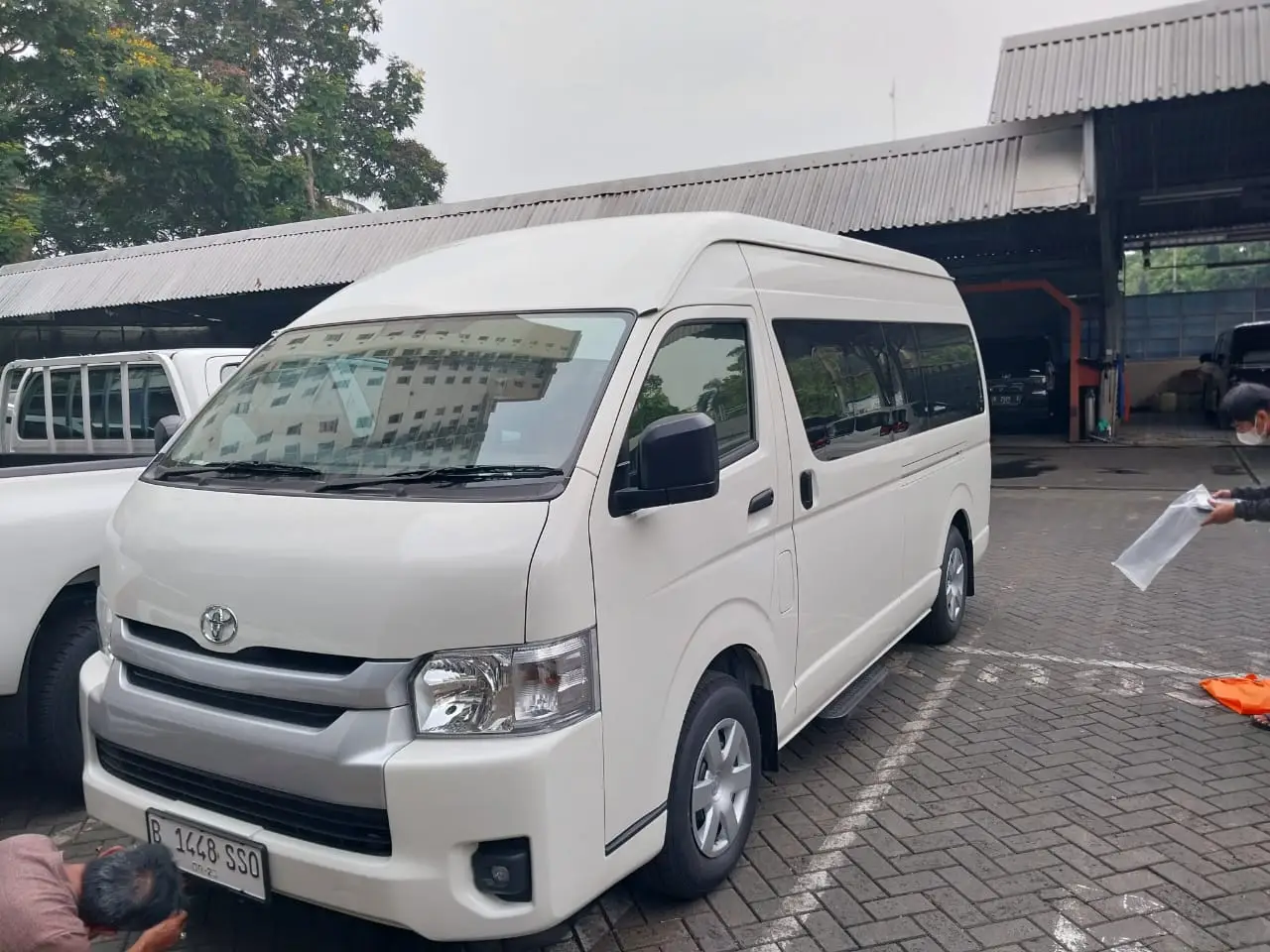
That's why many travelers choose Ekaputra Tour. With transportation, an experienced driver, and a well-planned itinerary included, you can spend more time enjoying Indonesia and less time thinking about logistics.
The cash you carry each day can simply be used for personal expenses like meals, coffee, souvenirs, or anything else you discover along the way.
At the end of the day, traveling in Indonesia doesn't require carrying a wallet full of cash. A reasonable amount for daily spending, together with a reliable credit or debit card, is enough for most trips.
With a little planning and the right travel partner, exploring Indonesia becomes simple, comfortable, and much more enjoyable.