Main Navigation
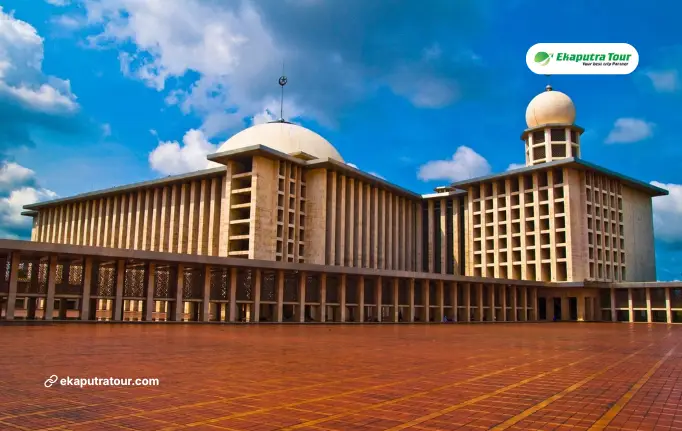
When talking about iconic landmarks in Jakarta, Istiqlal Mosque is one place that deserves a spot on every traveler’s itinerary.
Known as the largest mosque in Southeast Asia, Istiqlal Mosque is more than just a place of worship. It is also an important symbol of Indonesia’s history, culture, and national identity.
Located in the heart of Central Jakarta, the mosque attracts visitors from around the world who come to admire its architecture, learn about its historical significance, and experience its peaceful atmosphere.
Whether you are visiting Jakarta for the first time or exploring the city more deeply, Istiqlal Mosque offers a meaningful cultural experience that reflects the spirit of Indonesia itself.
The story of Istiqlal Mosque began shortly after Indonesia gained independence. The name “Istiqlal” comes from the Arabic word for “independence,” chosen to commemorate the country’s freedom after years of colonial rule.
Construction started in 1961 under the direction of Indonesia’s first president, Sukarno, and the mosque officially opened in 1978.
One of the most interesting aspects of the mosque is its design.
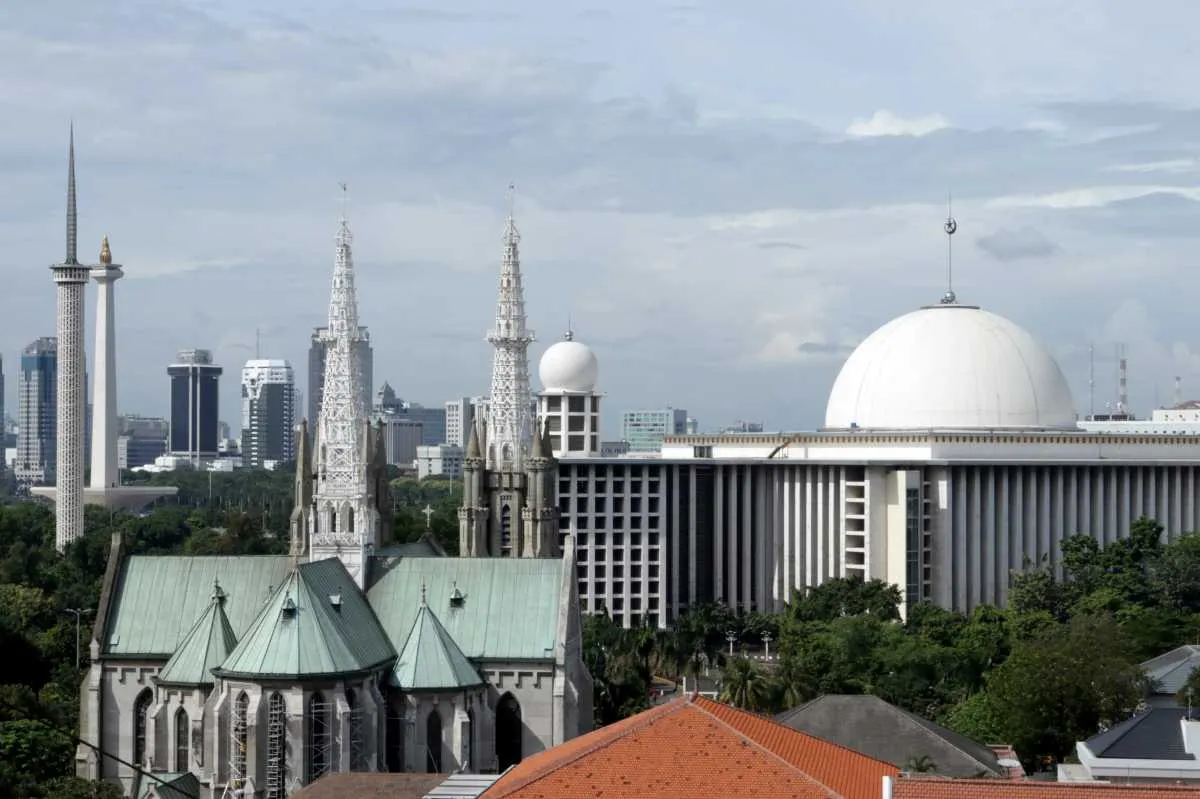
It was created by Frederich Silaban, a Christian architect from North Sumatra, which reflects Indonesia’s values of diversity and unity.
The building combines modern architectural elements with Islamic influences, resulting in a structure that feels both monumental and simple at the same time.
The mosque also stands directly across from Jakarta Cathedral, creating a powerful symbol of religious harmony in Indonesia.
Many visitors find this unique location especially meaningful because it represents peaceful coexistence between different faiths in the country.
One of the first things visitors notice about Istiqlal Mosque Jakarta is its enormous scale.
The mosque can accommodate more than 100,000 worshippers, making it one of the largest mosques in the world. Its giant central dome, supported by impressive pillars, creates a grand yet calming atmosphere inside the main prayer hall.
The interior features elegant marble flooring, detailed Islamic calligraphy, and a minimalist design that emphasizes openness and light.
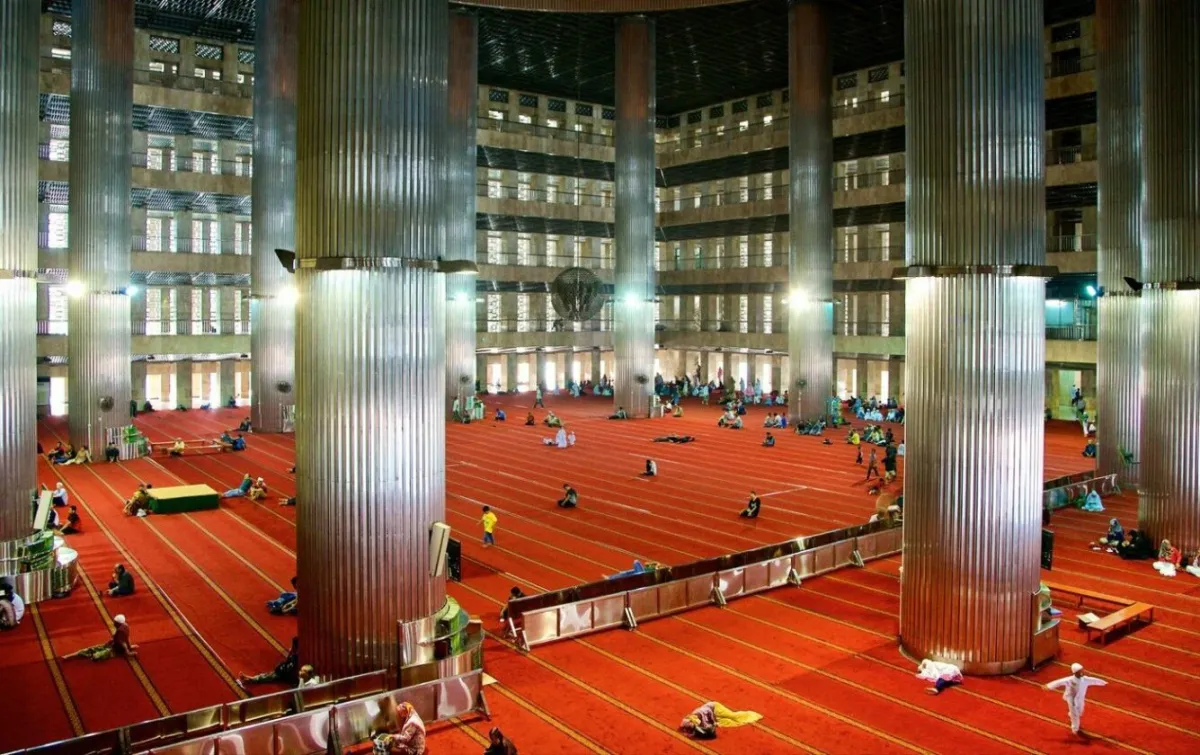
Visitors can also see the large traditional bedug drum and the tall minaret that has become one of the mosque’s defining features.
Despite its size, the mosque feels peaceful and welcoming. During prayer times, especially on Fridays or during Ramadan, visitors can witness the spiritual atmosphere that fills the building.
Even for non-Muslim travelers, visiting the mosque can be a memorable way to better understand Indonesian culture and daily life.
Another reason why the mosque stands out is its role as both a religious and cultural landmark. Beyond worship activities, Istiqlal Mosque frequently hosts national events, religious celebrations, and international visitors, making it an important part of Jakarta’s identity.
Istiqlal Mosque is located in Central Jakarta and is relatively easy to reach using public transportation.
Visitors can access the area through TransJakarta buses, commuter rail services, taxis, or ride-hailing apps. Its central location also makes it convenient for travelers staying in different parts of the city.
Entry to the mosque is generally free, although visitors are expected to follow several guidelines during their visit.
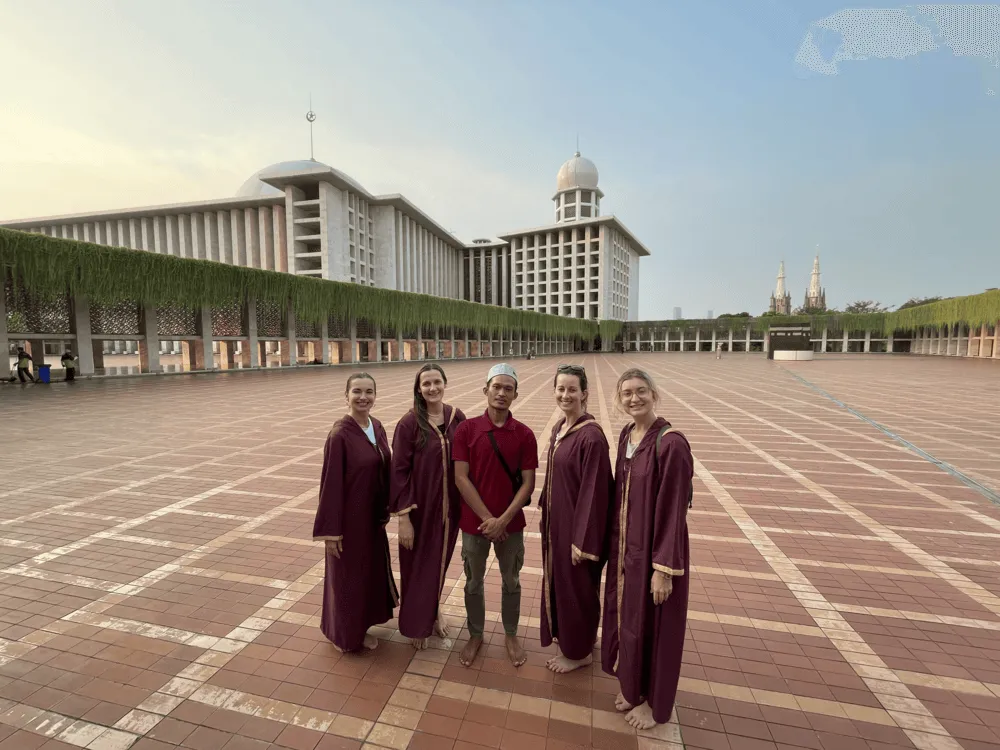
Modest clothing is strongly recommended, especially for those entering prayer areas. Visitors may also be asked to remove their shoes in certain sections of the mosque.
Tourists are welcome inside the mosque, including non-Muslim visitors, as long as they behave respectfully.
Photography is usually allowed in many areas, but it is important to remain mindful during prayer sessions and religious activities.
In some cases, visitors can join guided tours provided by mosque staff. These tours are especially useful for travelers interested in learning more about the building’s architecture, history, and cultural significance.
The best time to visit Istiqlal Mosque Jakarta depends on the type of experience you want.
Weekday mornings are often quieter, making them ideal for visitors who want to appreciate the architecture and take photographs comfortably.
Weekends and religious holidays usually attract larger crowds, especially during Ramadan.
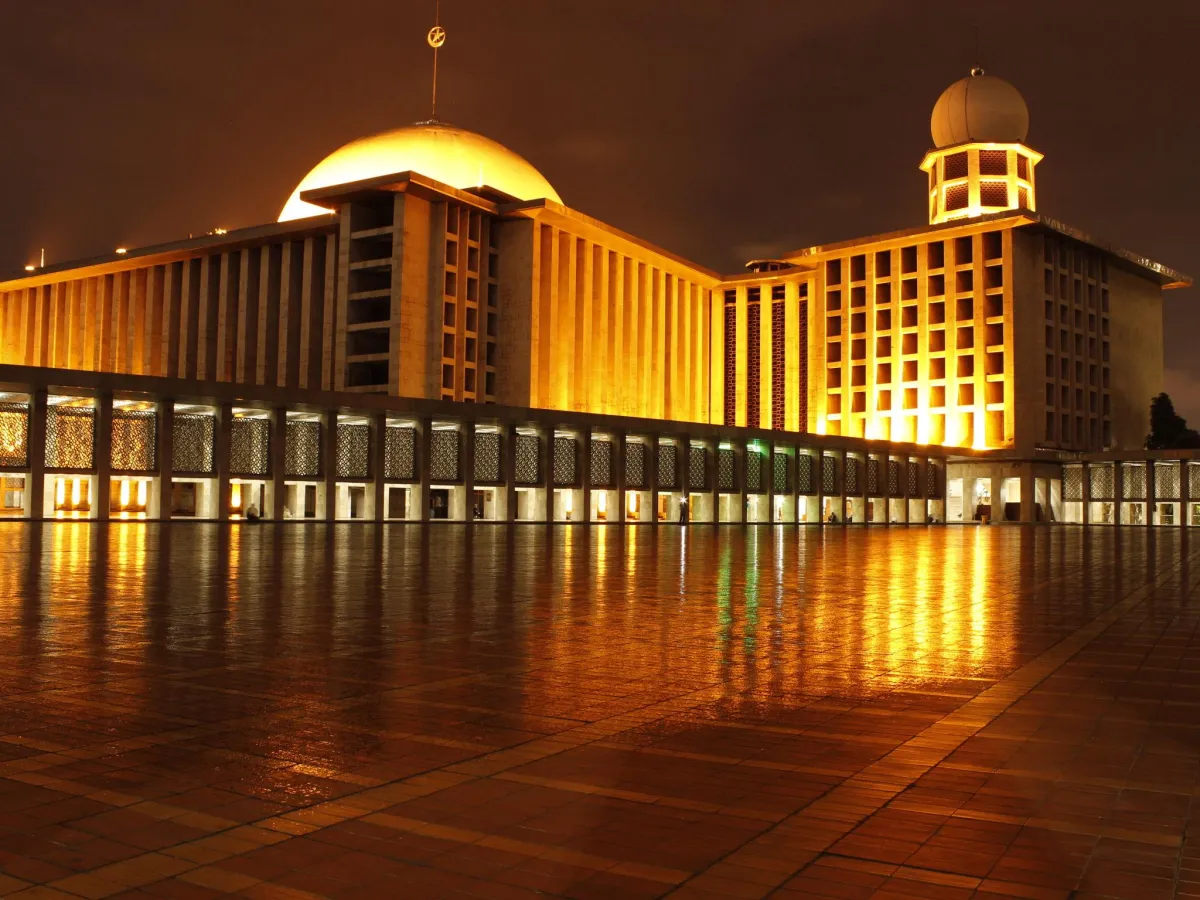
While the mosque becomes much busier during this period, many travelers also find it to be one of the most memorable times to visit because of the lively and spiritual atmosphere.
Jakarta’s weather can also influence your experience. Morning visits are generally more comfortable because temperatures are cooler and the lighting inside the mosque feels softer.
Afternoon visits can be warmer, especially during the dry season.
Before visiting Istiqlal Mosque, it is a good idea to wear comfortable clothing suitable for Jakarta’s warm climate.
Since the mosque is an active place of worship, dressing modestly is important for both men and women.
Visitors who mainly want to sightsee may prefer avoiding peak prayer times to enjoy a calmer atmosphere.
Bringing water and comfortable footwear can also make the visit more pleasant, especially if you plan to explore the surrounding area afterward
Photography enthusiasts should remain respectful when taking pictures, particularly during worship activities. Asking permission before photographing people is always recommended.
For travelers who want a deeper understanding of Jakarta’s history and cultural landmarks, joining a local experience through Ekaputra Tour can help make the visit more meaningful.
With its rich history, impressive architecture, and strong cultural significance, Istiqlal Mosque remains one of the most important places to visit in Jakarta for anyone interested in experiencing the city beyond its modern skyline.