Main Navigation
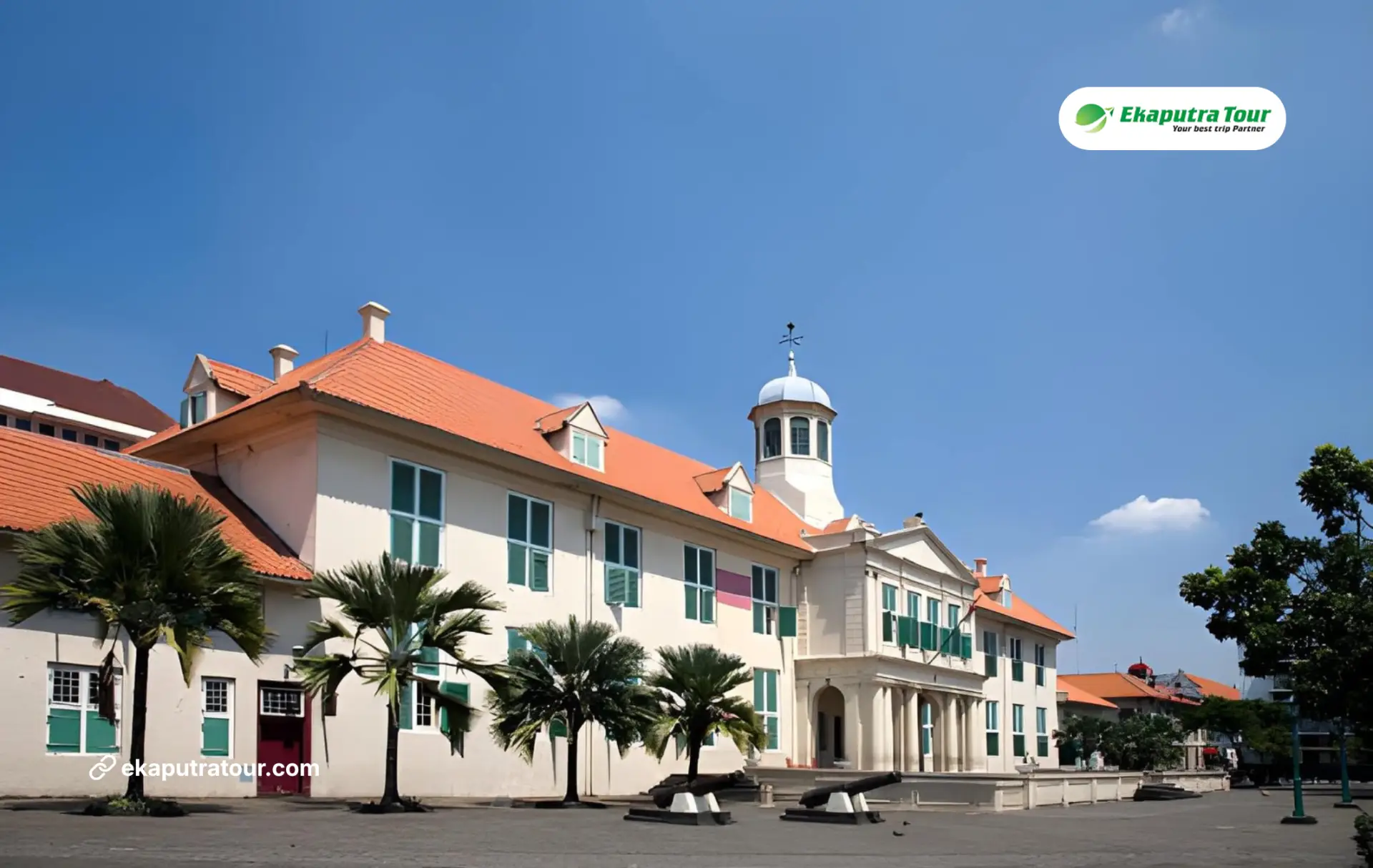
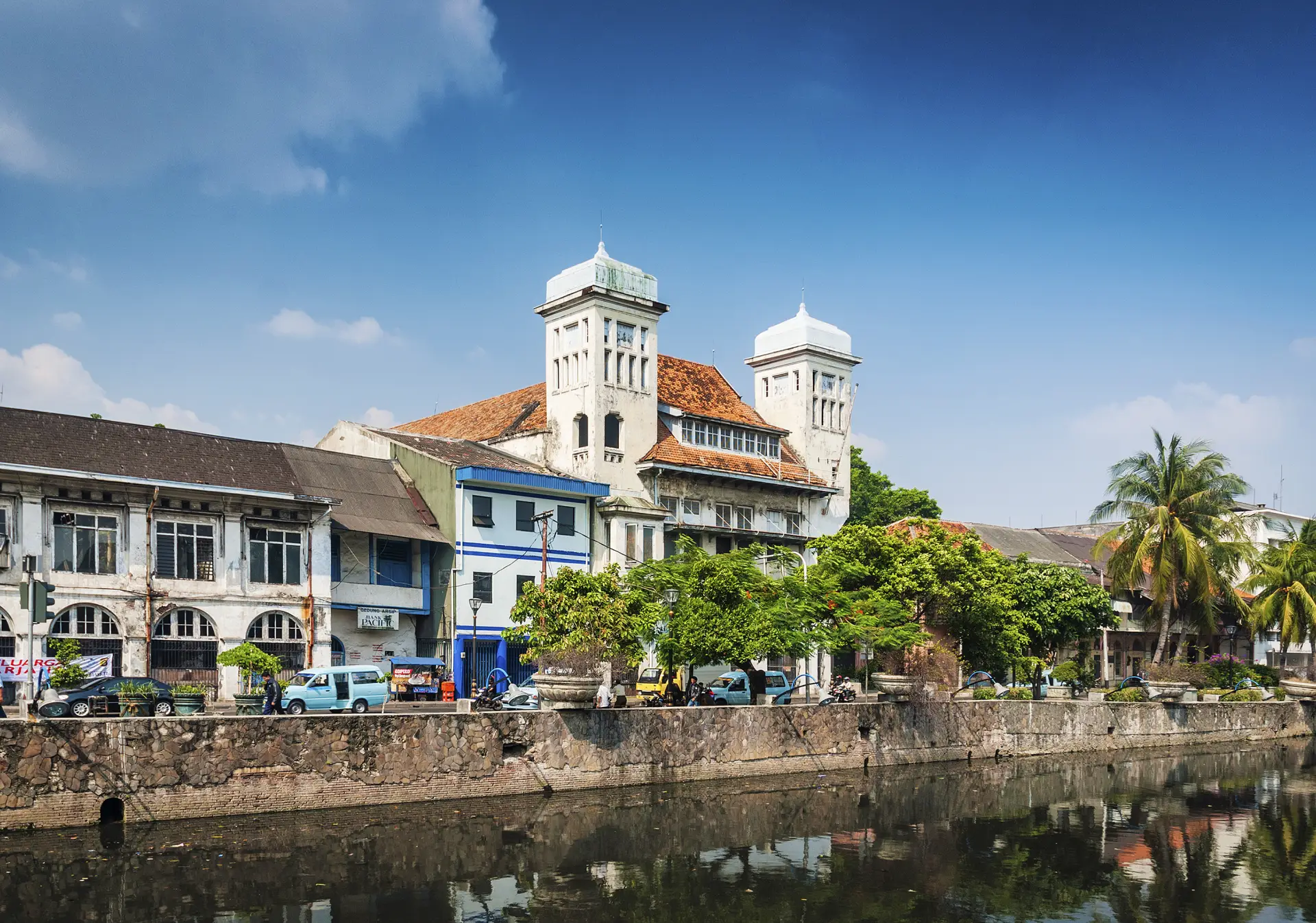
Located in the heart of Kota Tua, Jakarta History Museum is one of the most important cultural landmarks in the Indonesian capital.
Commonly known as Museum Fatahillah, the museum offers visitors a closer look at Jakarta’s long history, from the era of Batavia to the modern metropolitan city it is today.
For travelers interested in architecture, history, and local culture, Jakarta History Museum is one of the best museums in Jakarta to include in a travel itinerary.
Its grand colonial building, historical collections, and educational exhibitions make it a popular destination for both domestic and international visitors.
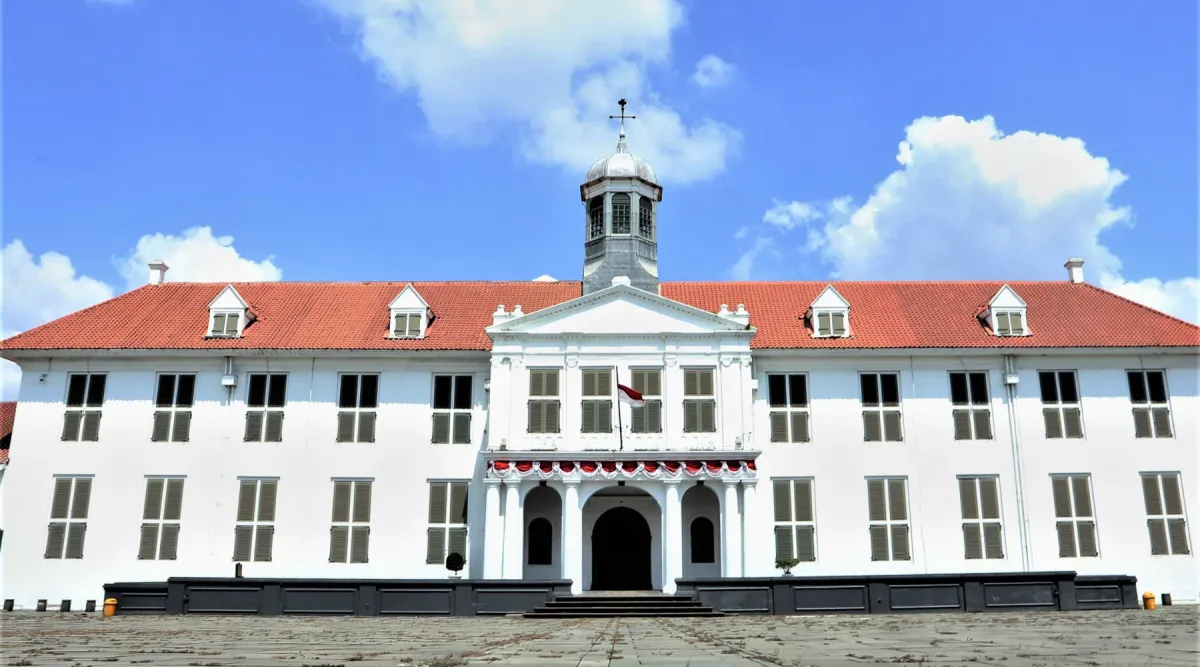
Before becoming a museum, the building originally served as the city hall of Batavia during the Dutch colonial period.
Constructed in the early 18th century, the building was designed with strong European architectural influences that are still visible today.
The symmetrical façade, large wooden windows, and elegant interior halls reflect the classic style of Dutch colonial architecture in Jakarta.
During the colonial era, the building played an important role as the administrative center of Batavia.

Several historical events related to governance and law once took place inside the complex. Beneath the building, visitors can still find old prison cells that were used during the colonial period.
The site officially became Jakarta History Museum in the 1970s and has since functioned as a place to preserve and showcase the city’s historical heritage.
Today, Museum Fatahillah continues to educate visitors about Jakarta’s transformation from a small port town into one of Southeast Asia’s largest cities.
One of the highlights of Jakarta History Museum is its extensive collection of historical artifacts.
Inside the museum, visitors can explore antique furniture, ceramics, paintings, historical maps, and colonial-era archives that tell the story of old Batavia. Several exhibitions also feature Betawi cultural items that reflect Jakarta’s local heritage.
The museum’s interior remains one of its biggest attractions. Large ceremonial halls, former courtrooms, and governor’s chambers provide a glimpse into how the building functioned centuries ago.

The atmosphere inside feels both historical and elegant, especially with its high ceilings, chandeliers, and classic wooden details.
Another interesting area is the underground prison section. These cells once held prisoners during the colonial era and remain one of the museum’s most memorable exhibits.
Many visitors are drawn to this area because it offers a more emotional perspective on Jakarta’s colonial history.
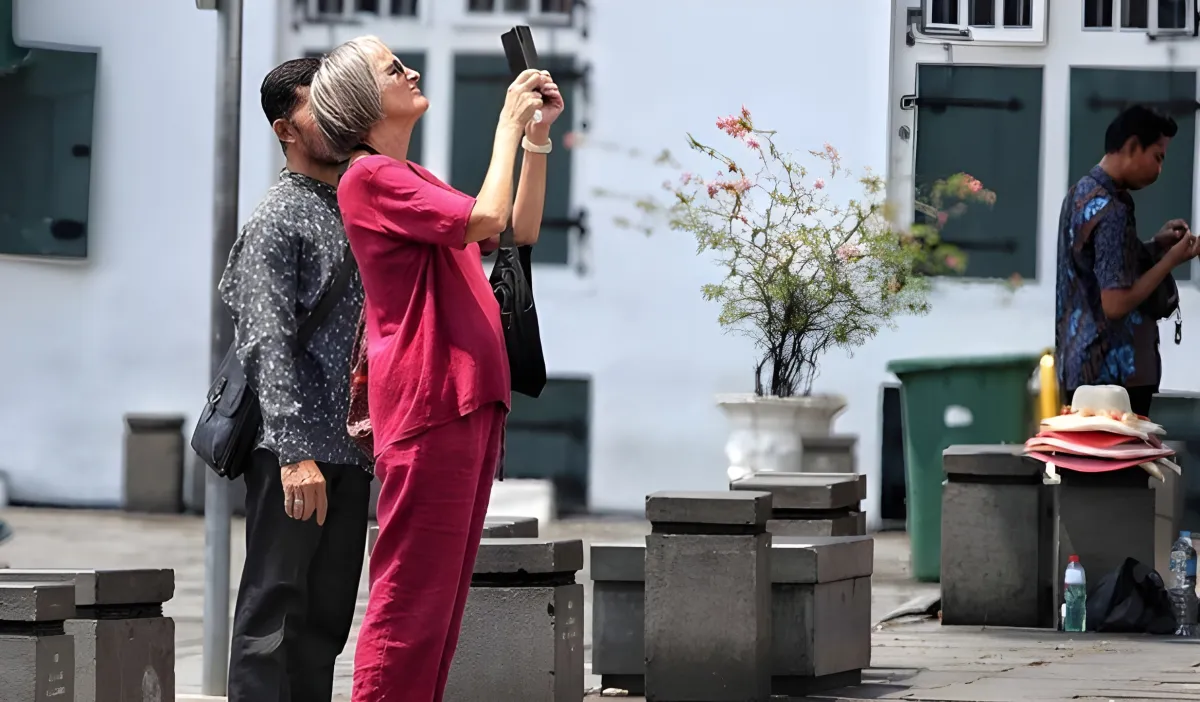
Beyond its collections, Museum Fatahillah is also a favorite photography spot. The building’s colonial architecture and spacious courtyard create a timeless atmosphere that attracts photographers and content creators alike.
Visiting Museum Fatahillah is not only about viewing historical objects.
Many travelers also enjoy spending time around the museum courtyard, where the atmosphere feels lively yet relaxed. The area often attracts visitors who simply want to walk around, take photos, or enjoy the historical surroundings.
For travelers who want a deeper understanding of Jakarta’s history, joining a guided cultural experience can make the visit more meaningful.

Local guides can provide historical context and stories that may not be fully explained through museum displays alone. Visitors looking for curated cultural experiences in Jakarta can explore options from Ekaputra Tour, including heritage-focused itineraries and city tours.
Travelers who want to explore more historical attractions in the city can also check available packages such as Jakarta City Tour Packages for a more complete cultural experience.
Jakarta History Museum is relatively affordable compared to many major museums in other large cities.
Ticket prices are generally divided between domestic and international visitors, with different rates for students and children.
Prices may change during public holidays or special exhibitions, so it is always a good idea to check updated information before visiting.
The museum usually operates from Tuesday to Sunday, while Mondays are commonly reserved for maintenance and cleaning.
Morning visits are often recommended because the weather is cooler and the museum tends to be less crowded.
For photography enthusiasts, late afternoons can also be a good time to visit Museum Fatahillah. The softer natural lighting around the building creates a more pleasant atmosphere for outdoor photos.
To enjoy the experience comfortably, visitors should wear comfortable shoes since exploring the museum and surrounding area may involve quite a bit of walking.
Bringing drinking water, sunscreen, or an umbrella can also be helpful, especially during sunny days in Jakarta.
Photography is allowed in several parts of the museum, but visitors should still follow museum regulations inside exhibition areas.
Taking time to read the descriptions beside each collection can also make the visit far more informative and enjoyable.
Public transportation is one of the easiest ways to reach the museum.
Visitors can use TransJakarta or the KRL Commuter Line before continuing with a short walk toward the museum area. Ride-hailing apps are also widely available for more convenient access.
As one of the most historically significant museums in the city, Jakarta History Museum offers more than just old artifacts and colonial architecture.
It provides visitors with a deeper understanding of Jakarta’s identity, cultural evolution, and historical journey through the centuries.
Whether you are interested in history, architecture, photography, or cultural tourism, Museum Fatahillah remains one of the best places to visit in Jakarta.
For travelers who want a more immersive experience, combining the museum visit with guided cultural tours from Ekaputra Tour can make exploring Jakarta even more memorable.