Main Navigation
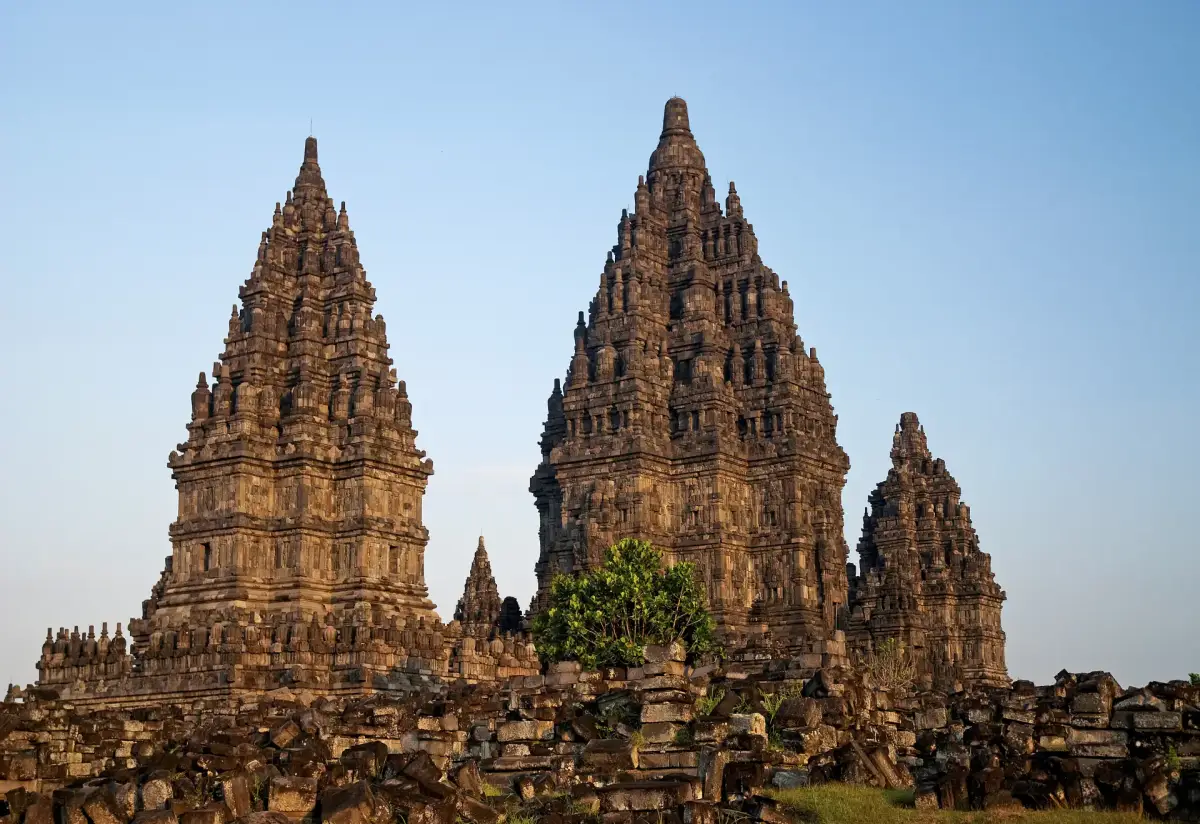
Few sights in Indonesia rival the silhouette of Prambanan Temple against the Javanese sky. Towering nearly 47 meters, its central spire and surrounding shrines form one of the most photographed landmarks in Southeast Asia. This Prambanan Temple guide walks you through everything you need to know before you go, from history and ticket prices to the best time to visit and how to combine it with other iconic sites near Yogyakarta.
Prambanan is not just a temple, it is a statement of ancient Javanese ambition and artistry. As the largest Hindu temple complex in Indonesia, it stands as a counterpart to the Buddhist grandeur of Borobudur, yet its story, architecture, and atmosphere are entirely its own. Visitors come for the intricate stone reliefs depicting the Ramayana epic, the soaring pointed towers, and the quiet sense of history that lingers among the ruins. Whether you are a first-time visitor to Java or a repeat traveler exploring beyond Jakarta and Bali, Prambanan belongs on your itinerary.
Built in the 9th century during the reign of the Sanjaya Dynasty, Prambanan was constructed as a tribute to the Hindu trinity: Brahma, Vishnu, and Shiva. Historians believe it was built partly to rival the nearby Buddhist Sailendra dynasty's Borobudur, reflecting a period of vibrant religious and architectural competition on Java. Over centuries, earthquakes and volcanic activity from nearby Mount Merapi caused significant damage, and the complex was largely abandoned and overgrown by the 16th century. Restoration efforts began in the early 20th century under Dutch colonial archaeologists, and the site was declared a UNESCO World Heritage Site in 1991. Today, ongoing conservation work continues to preserve its delicate carvings and structural integrity, making every visit a glimpse into more than a thousand years of Javanese heritage.
Ticket pricing for Prambanan is structured differently for domestic and international visitors. Foreign tourists usually pay around USD 25 per adult, while children receive a discounted rate. Domestic visitors pay a significantly lower price in Indonesian Rupiah. Combo tickets that include both Prambanan and Borobudur are available and often represent better value if you plan to visit both temples during your trip. Prices are periodically adjusted, so it is wise to check current rates close to your travel date or simply let a tour operator handle ticketing for you as part of a package.
Prambanan opening hours generally run from early morning until late afternoon, with the complex welcoming visitors daily. For the best time to visit Prambanan, arriving shortly after opening is ideal since temperatures are cooler and crowds are thinner, allowing for unobstructed photos of the main towers. Late afternoon is another excellent window, offering softer, golden light that flatters the stone carvings and a gentler heat for walking around the grounds. Sunset visits have become increasingly popular, though be prepared for larger crowds during this period, especially on weekends and holidays.
Prambanan sits roughly 17 kilometers east of central Yogyakarta, translating to about a 30-45 minute drive depending on traffic. Travelers have several options: hailing a taxi or ride-share app, taking the TransJogja public bus which has a direct route to the temple, or joining an organized tour that includes hotel pickup and drop-off. For those also flying into Indonesia through the capital, it helps to plan your journey in advance, and our complete first-time visitor's guide to flights into Jakarta is a useful starting point for mapping out your wider Indonesia itinerary.
The heart of the complex is the trio of main temples dedicated to Brahma, Vishnu, and Shiva, each surrounded by smaller shrines. The Shiva temple, the tallest of the three, houses a statue of the deity along with intricately carved reliefs narrating the Ramayana story. Walking the outer terraces reveals hundreds of individual stone panels, each telling a piece of the epic tale in remarkable detail. Beyond the main compound, visitors can explore the surrounding parkland, smaller candi structures still under restoration, and an on-site museum that provides useful context on the temple's history and excavation. Traditional Ramayana ballet performances are also held on select evenings at an open-air theater near the temple, offering a cultural experience that pairs beautifully with a daytime visit.
If you are planning a broader cultural journey through Yogyakarta, it is worth pairing your temple visit with other heritage sites in the region. For inspiration on rounding out your Jakarta stops beforehand, see our guide to the Jakarta History Museum at Museum Fatahillah.
Many travelers pair a Prambanan visit with Yogyakarta's other cultural landmarks, such as the Sultan's Palace and Taman Sari Water Castle, making for a rich, history-focused day.
Prambanan involves considerable walking on uneven stone pathways, so comfortable, closed-toe shoes are essential. Java's tropical climate means sun protection, including a hat, sunscreen, and water, is important, particularly if you visit around midday. While there is no strict dress code, modest clothing is appreciated given the site's religious significance. It is also worth budgeting at least two to three hours to explore the complex thoroughly, and arriving with a guide can add valuable context to the carvings and history that might otherwise go unnoticed.
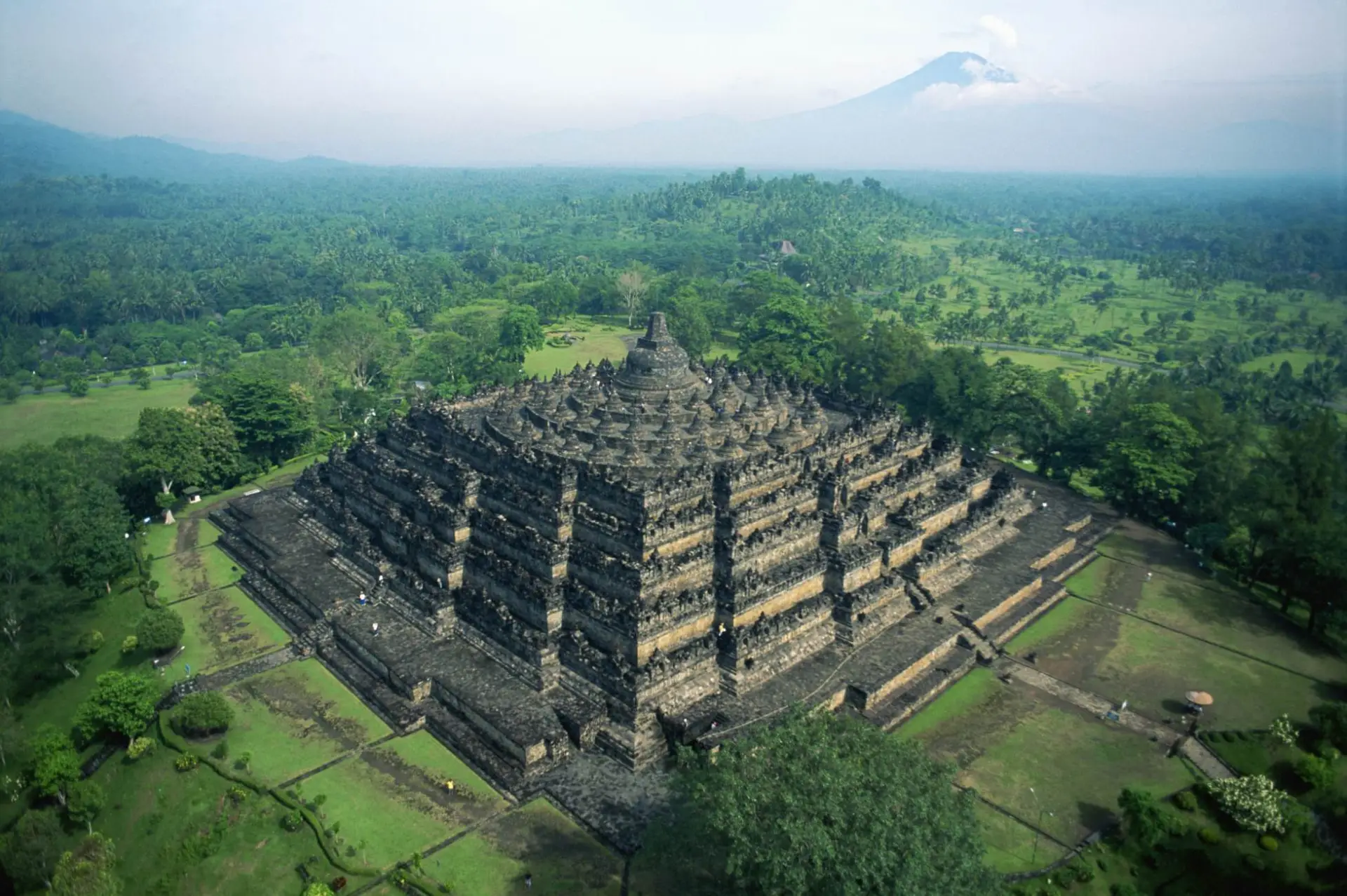
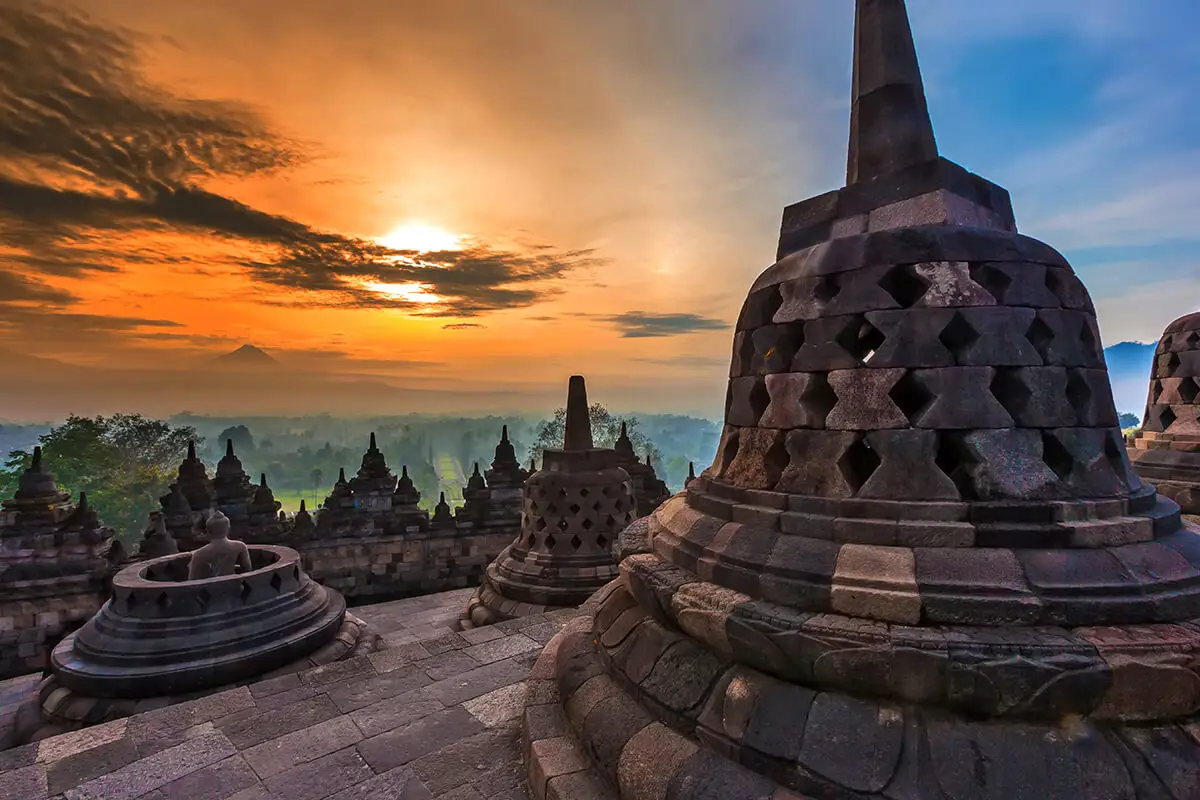
Given their proximity to Yogyakarta, Prambanan and Borobudur are frequently visited together in a single, if long, day. Starting early at Borobudur to catch the sunrise and then continuing to Prambanan in the afternoon is a popular strategy that maximizes both light and time. An all-inclusive guided tour simplifies this logistics-heavy day considerably, handling transport, ticketing, and timing between the two UNESCO sites so you can focus on the experience itself. For travelers wanting to go deeper into the region's culture and nature, a multi-day itinerary such as the Best of Yogyakarta Tour - 4 Days also weaves in the Sultan's Palace, Taman Sari, and cave exploration alongside both temples.
Foreign visitors typically pay a higher rate than domestic tourists, usually around USD 25 per adult, with discounted rates for children. Prices are subject to change, so it's best to confirm current rates before your visit or book through a tour package that includes entry.
Early morning, right after opening, is ideal to avoid crowds and heat, while late afternoon offers softer light for photography and cooler temperatures. Sunset visits are popular but tend to be busier.
Prambanan is about 17 kilometers from central Yogyakarta, roughly a 30-45 minute drive. Options include taxis, ride-hailing apps, TransJogja buses, or joining an organized tour that includes hotel pickup.
Yes, many visitors combine both temples in a single day trip since they are both near Yogyakarta, though it makes for a long day. A guided all-inclusive tour helps manage logistics and timing between the two sites.
Comfortable walking shoes, breathable clothing, and sun protection are recommended since much of the visit involves walking outdoors on stone pathways. There are no strict dress codes, but modest clothing is respectful given the site's religious significance.
Yes, most visitors spend 2-3 hours exploring the main temple compound, which is enough time to see the major structures and take photos, making it easy to fit into a half-day itinerary alongside other Yogyakarta attractions.
Ready to see Prambanan's towering spires for yourself? Book the Yogyakarta Borobudur Temple (Climb Up) & Prambanan Temple All Inclusive tour with Ekaputra Tour and let us handle the tickets, transport, and timing while you focus on discovering one of Java's greatest ancient wonders.