Main Navigation

Jakarta is one of Southeast Asia's most underrated solo travel destinations.
While most independent travelers treat it as a transit hub before heading to Bali or Yogyakarta, those who take the time to explore quickly discover a city full of contrasts, colonial history, world-class street food, vibrant nightlife, and neighborhoods each with their own distinct personality.
Whether you're visiting for a weekend layover or planning a longer stay, this complete guide covers everything you need to know to navigate Jakarta alone from safety and transportation to the best neighborhoods, hidden local spots, and estimated costs.
The short answer: yes, Jakarta is generally safe for solo travelers, including solo female travelers.
Like any major metropolitan city, it requires basic street smarts, but you're unlikely to encounter serious trouble if you stay alert and follow a few common-sense practices.
General Safety Tips
Jakarta is a predominantly Muslim city, and locals are generally welcoming and friendly to foreign visitors. Many Jakartans working in tourism, hospitality, and the service industry speak basic to intermediate English.
Jakarta is a year-round destination, but the best months to visit are May to September — the dry season. This period offers lower humidity, less chance of flooding, and clearer skies for sightseeing.
| Season | Months | What to Expect |
| Dry Season | May – September | Best weather, ideal for outdoor exploration |
| Wet Season | October – April | Heavy afternoon rain, possible flooding in low-lying areas |
| Lebaran Holiday | Varies (Islamic calendar) | City feels empty — locals travel home; most warungs close |
Pro tip: Avoid planning your trip around Lebaran (Eid al-Fitr) if you want a fully operational city. Conversely, visiting just before Lebaran means catching Jakarta at its most festive.
Here's a few options that you can choose to explore Jakarta
Jakarta is served by two airports:
From CGK, your best options into the city:
Jakarta has excellent rail connections to major Javanese cities. Gambir Station (central Jakarta) serves intercity trains to Yogyakarta, Bandung, and Surabaya — a great option if you're planning a broader Java itinerary alongside your Jakarta visit.
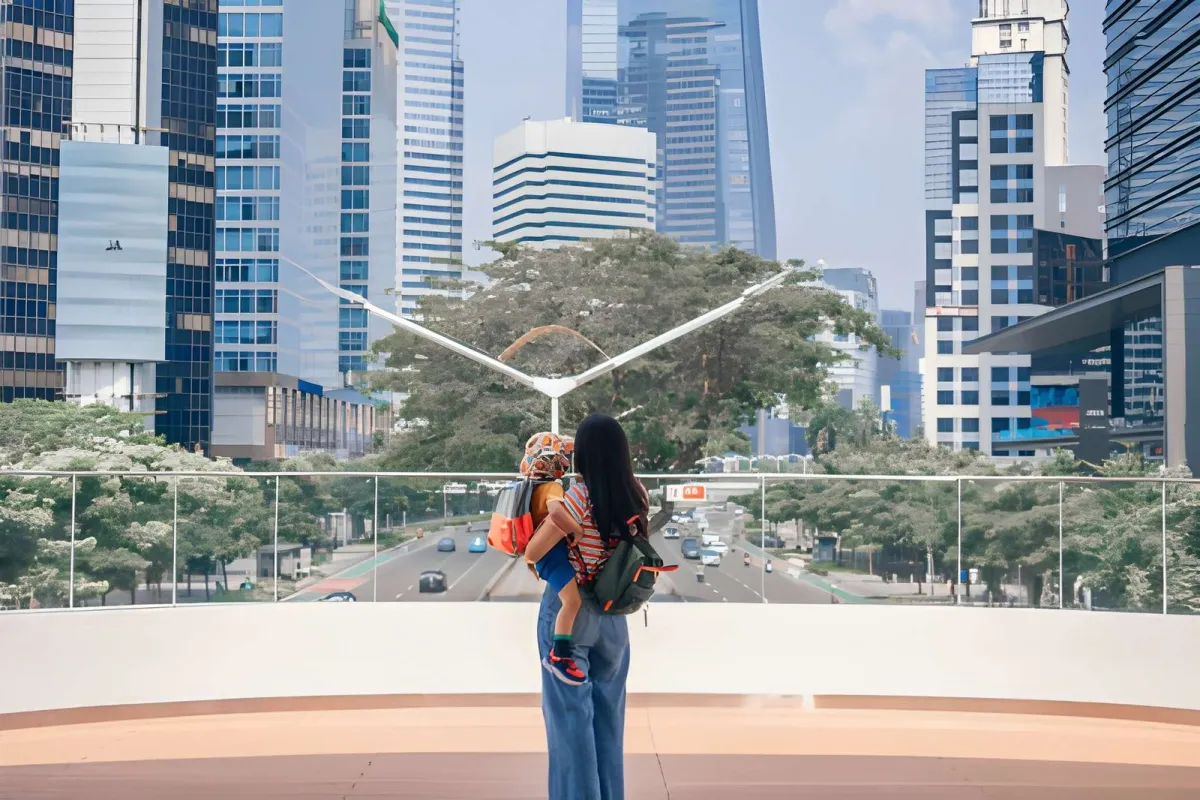
Jakarta is has many variation of public transportation and options that you can choose to help you getting around Jakarta.
The most comfortable and efficient way to travel north-south through the city. Runs from Lebak Bulus (south) to Bundaran HI and continues toward Kota. Fare: Rp 3,000–14,000 depending on distance.
The urban commuter rail network connects Jakarta to surrounding cities like Bogor, Depok, and Bekasi. Useful for reaching Kota (Old Town) from central Jakarta. Fare: Rp 3,000–5,000.
An extensive bus rapid transit network covering most of the city. Slower due to traffic but cheap and air-conditioned. Fare: Rp 3,500 flat rate.
The most practical option for point-to-point travel. Both apps offer motorcycle taxis (ojek), cars, food delivery, and more. Essential apps to download before arriving.
Jakarta is not a particularly walkable city — it was built for cars, and the sidewalks are inconsistent. However, certain areas like Kemang, Menteng, and parts of Sudirman are more pedestrian-friendly.
The beating heart of modern Jakarta. Home to glass skyscrapers, luxury malls, international hotels, and the famous Car-Free Day held every Sunday morning on Jalan Sudirman. Great base if you want comfort and convenience.
Best for: First-time visitors, business travelers, easy access to MRT
A leafy, upscale residential neighborhood with wide tree-lined streets, boutique cafés, and the charming Taman Suropati park. One of the safest and most pleasant areas to walk in Jakarta.
Best for: Solo female travelers, café-hopping, slow mornings
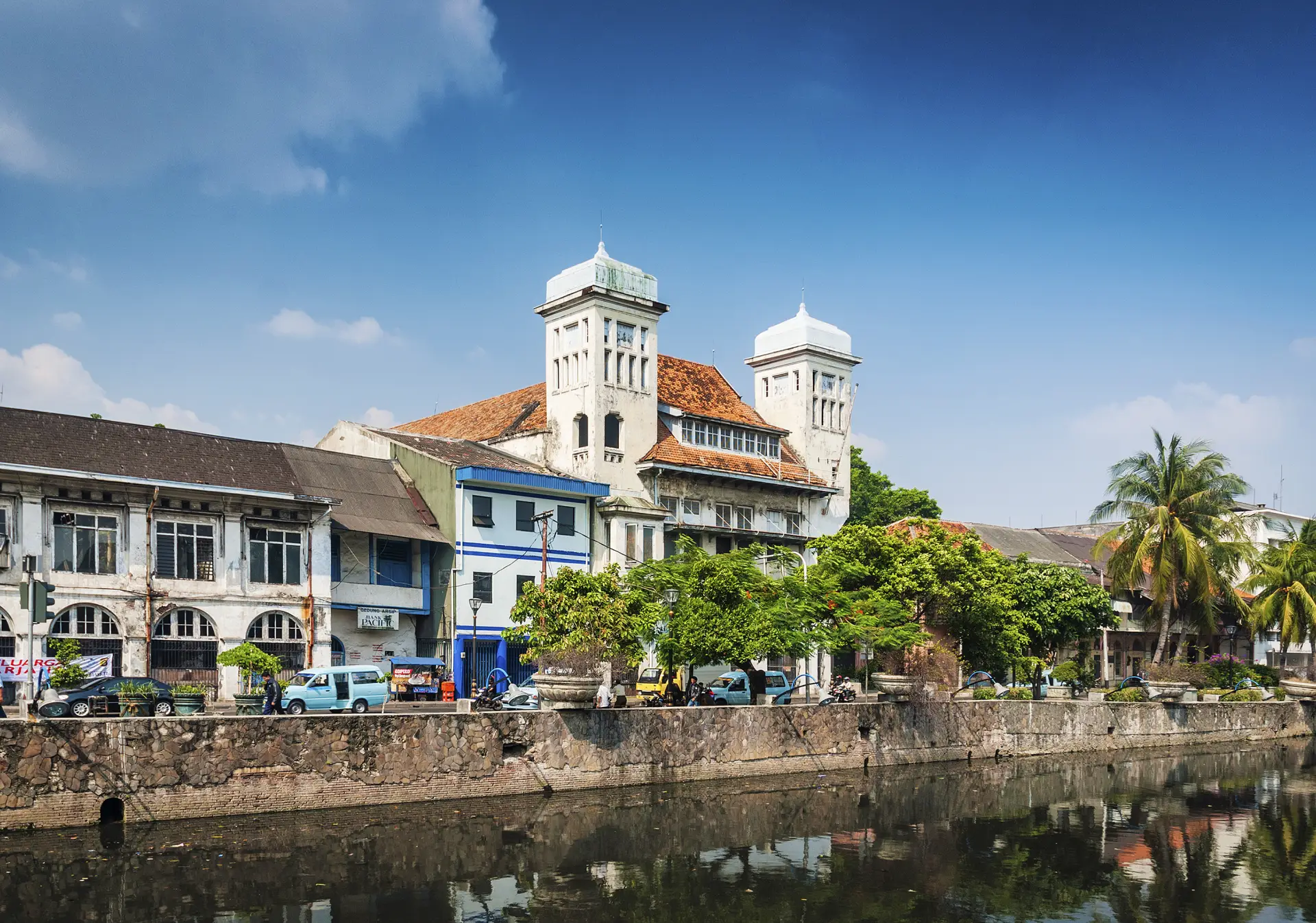
The historic colonial heart of Jakarta, built by the Dutch East India Company (VOC) in the 17th century. Taman Fatahillah square, Dutch-era buildings, and the Jakarta History Museum are all here. It's touristy but worth at least a half-day.
Best for: History lovers, photography, cultural exploration
Jakarta's expat hub — packed with international restaurants, bars, live music venues, and weekend markets. Lively on weekends and a great spot to meet other travelers.
Best for: Nightlife, meeting other travelers, international dining
Jakarta's historic Chinatown, located near Kota. Dense, chaotic, and full of character — traditional apothecaries, street food stalls, and Chinese temples coexist alongside electronics shops. Best experienced on foot in the morning.
Best for: Street food, budget shopping, cultural immersion
Spend a morning wandering through Jakarta's colonial heritage district. Visit the Jakarta History Museum (Museum Fatahillah), cross the historic Kota Intan Bridge, and rent a sepeda ontel (vintage bicycle) to cycle around the square. Entry to most museums here costs Rp 5,000–20,000.
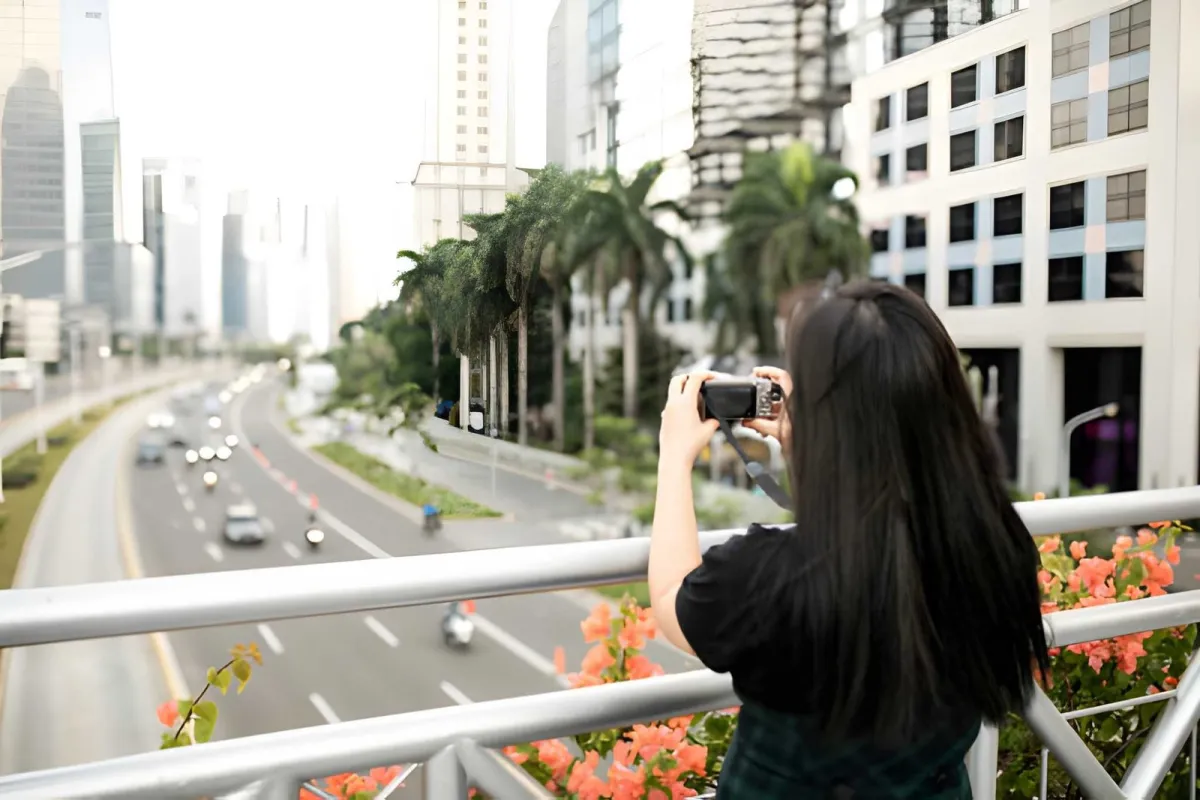
Every Sunday from 6 AM to 11 AM, Jalan Sudirman — Jakarta's main artery — is closed to cars. The boulevard fills with joggers, cyclists, street performers, and food vendors. It's the best free activity in Jakarta and a great way to see the city like a local.
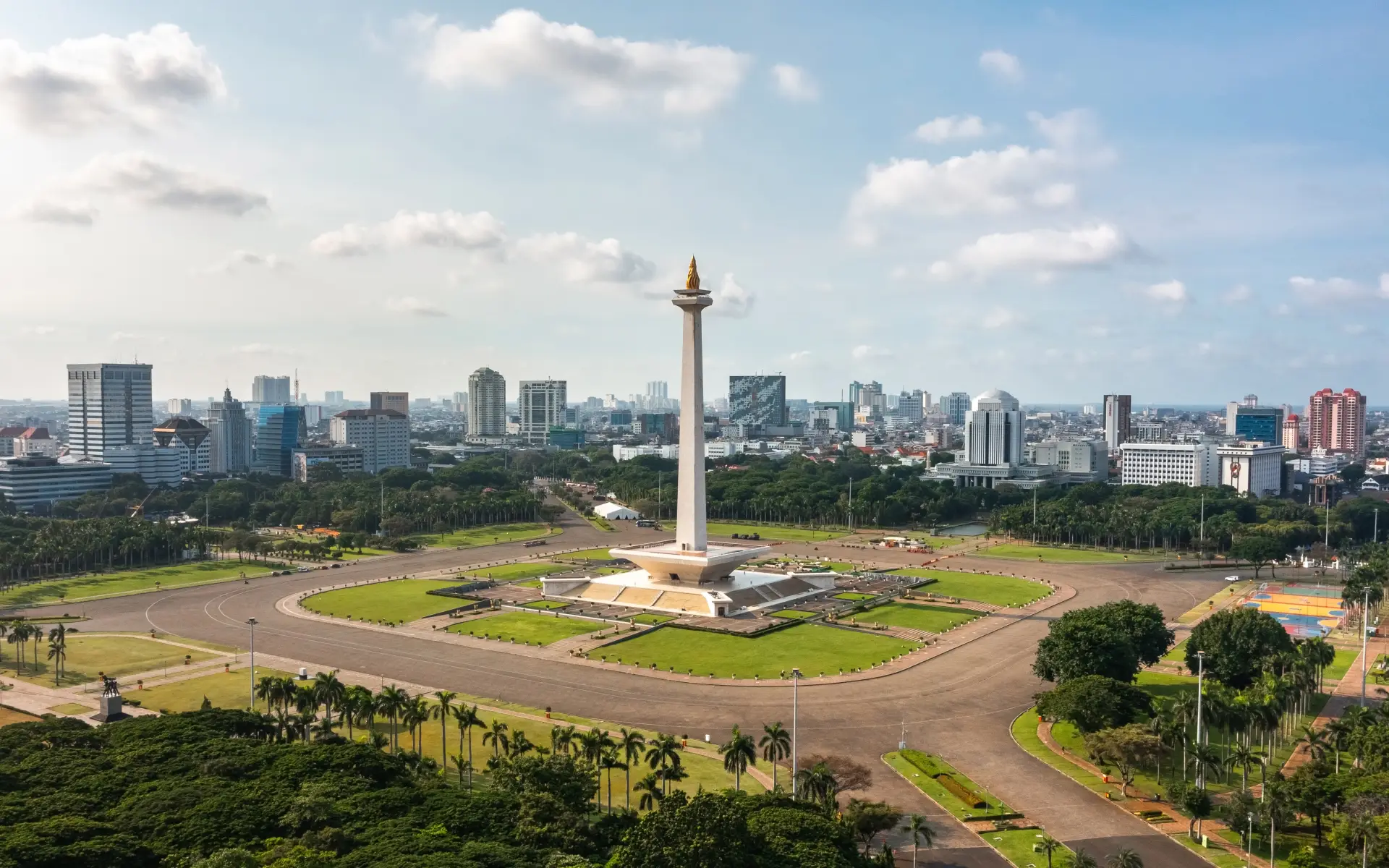
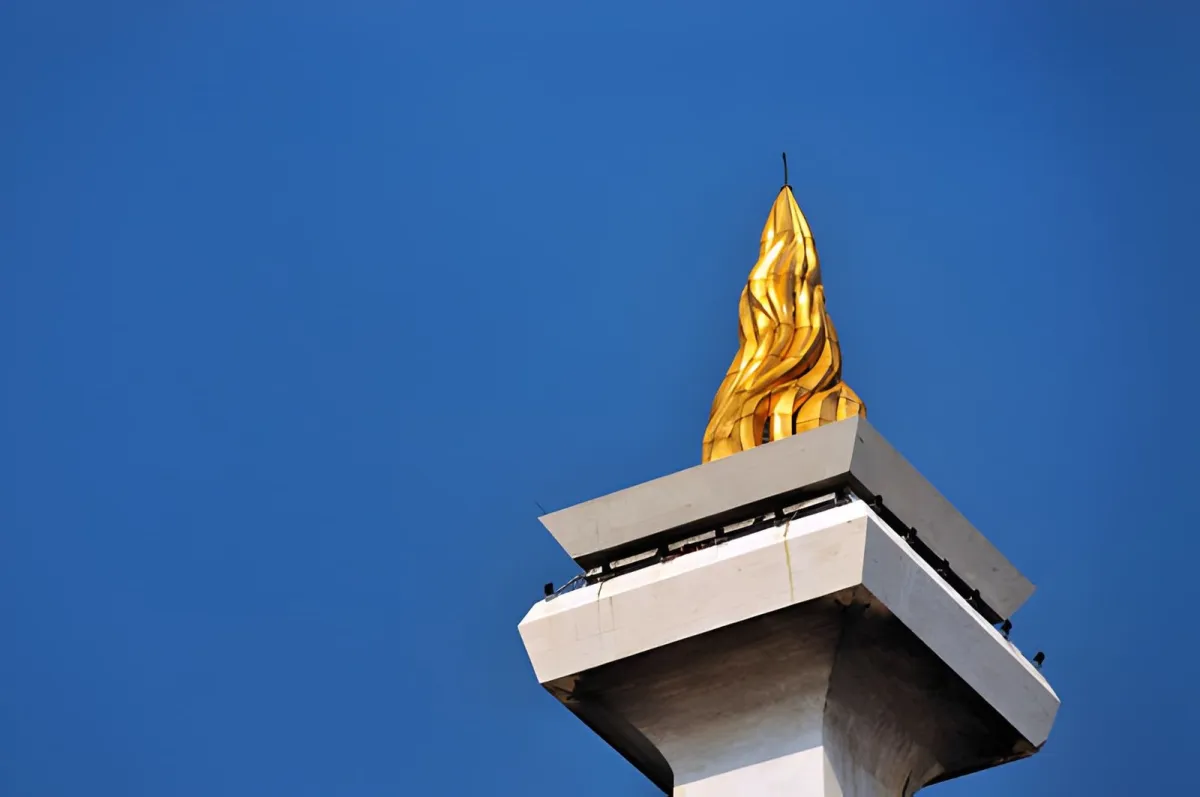
Jakarta's iconic 132-meter-tall obelisk at the center of Merdeka Square. Take the elevator to the observation deck for panoramic city views. Best visited early morning before crowds and haze build up. Entry: Rp 20,000–40,000.
Two of the most architecturally striking buildings in Jakarta sit directly across from each other — the Istiqlal Mosque (the largest mosque in Southeast Asia) and the Jakarta Cathedral. A powerful symbol of Indonesia's religious plurality. Dress modestly and visit the mosque outside prayer times.
One of Southeast Asia's premier contemporary art museums, located in Kebon Jeruk. Rotating international exhibitions alongside a permanent collection of modern Indonesian art. Entry: approximately Rp 100,000–150,000. Solo traveler-friendly — you can spend as long or as little time as you like.
Jakarta's traditional wet and food markets are an experience in themselves. Pasar Santa in Kebayoran Baru has evolved into a hipster-meets-traditional market with coffee stalls and local snacks. Pasar Baru near Gambir is great for street food and budget textiles.
A short boat ride from Muara Angke port brings you to the Thousand Islands — a chain of small islands in Jakarta Bay with beaches, snorkeling, and fresh seafood. A welcome escape from the urban chaos. Several islands have affordable guesthouses for overnight stays.
For first-time visitors, a guided city tour is one of the best ways to efficiently cover Jakarta's major highlights in a day, without the hassle of navigating traffic and logistics alone. Local tour operators offer half-day and full-day itineraries that combine historical sites, cultural landmarks, and authentic culinary experiences with an English-speaking guide.
Yes. Jakarta is a well-connected, affordable, and surprisingly rich destination for solo travelers. The transport infrastructure has improved significantly with the MRT launch, and the food, culture, and nightlife scenes are genuinely world-class by Southeast Asian standards.
A minimum of 2–3 full days covers the major highlights (Kota Tua, Monas, Istiqlal, a market, and a neighborhood stroll). To explore more deeply — including day trips, museums, and food exploration — budget 4–5 days.
Generally yes. The same precautions you'd take in any large city apply: use apps to book transport, avoid walking alone at night in unfamiliar areas, and dress conservatively in religious or traditional neighborhoods. Most women traveling solo in Jakarta report feeling comfortable and welcomed.
Sudirman-Thamrin for convenience and transport links, Menteng for a quieter, walkable neighborhood feel, or Kemang for nightlife and meeting other travelers.
Citizens of many countries can enter Indonesia visa-free for up to 30 days. Others can apply for a Visa on Arrival (VoA) upon arrival at Soekarno-Hatta Airport. Check Indonesia's latest visa requirements on the official Directorate General of Immigration website before traveling.
Navigating a city the size of Jakarta on your own is rewarding — but pairing your solo adventure with a curated guided tour means you won't miss the hidden gems that most visitors walk right past.
Eka Putra Tour offers private Jakarta city tours designed for independent travelers who want expert local knowledge, flexible itineraries, and hassle-free transport.
From half-day historical tours in Kota Tua to full-day cultural experiences across Jakarta's most iconic neighborhoods, our English-speaking guides bring the city to life.