Main Navigation
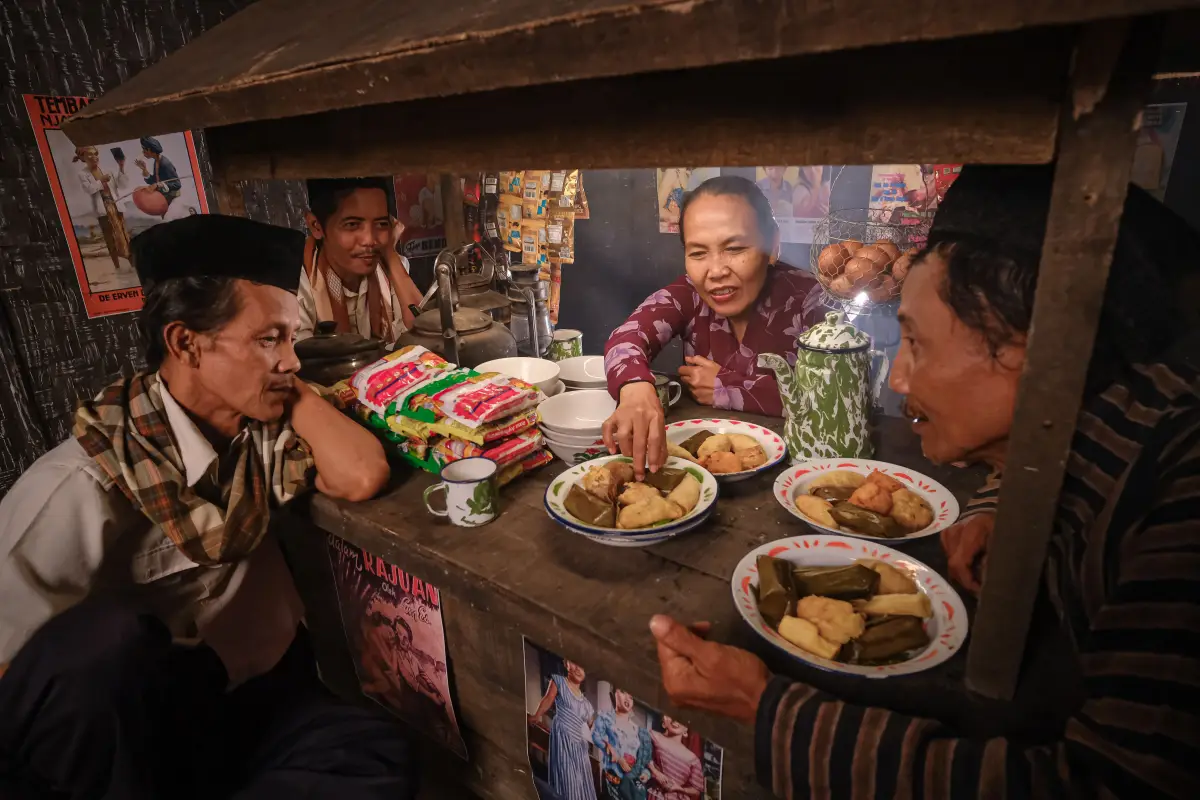
Indonesian food culture runs on warmth, directness, and a bit of good-natured haggling over spice levels. Whether you're grabbing nasi goreng from a cart at midnight or sitting down at a proper restaurant in Jakarta, knowing a few Indonesian phrases for ordering food changes the entire experience. It's not just about getting what you want; it's about being treated like someone who respects the culture, not just a tourist pointing at pictures.
Food is central to daily life in Indonesia, and ordering it is a small social ritual. Vendors and waitstaff genuinely light up when visitors attempt even basic Bahasa Indonesia. Beyond the warm reception, practical Indonesian restaurant phrases help you avoid miscommunication about spice, ingredients, or price, especially at street stalls where English isn't guaranteed. If you want a broader foundation before diving into food-specific vocabulary, our guide on basic Indonesian phrases for tourists is a great starting point.
Every transaction starts with a greeting and a clear request. These core phrases work at almost any eatery, from a humble warung to a sit-down restaurant:
These form the backbone of how to order food in Indonesian, and once you have "Saya mau pesan" down, you can attach almost any dish name after it.
Indonesian cuisine leans spicy by default, so understanding Indonesian words for spicy level is essential if your tolerance is low, or if you're craving extra heat. Try these:
Sambal (chili paste) often comes on the side by default, so if you're cautious, ask for it separately with "Sambalnya di pinggir saja" (chili on the side, please). If you're curious about specific regional dishes, our guide to the best Padang food in Jakarta covers what to expect from one of the spiciest and most popular cuisines you'll encounter.
Drinks are just as important as food in the tropical heat, and these phrases will get you a cold, fresh beverage in no time:
Note that many drinks in Indonesia are served pre-sweetened, so "tanpa gula" is worth memorizing if you prefer things unsweetened.
Whether you're keeping halal, avoiding meat, or managing allergies, clear communication matters here more than anywhere else on this list:
Since the concept of "vegetarian" isn't always interpreted the same way across regions, pairing "Saya vegetarian" with "tanpa daging" gives extra clarity. For Muslim travelers specifically, our detailed halal food guide for Jakarta and Yogyakarta is a valuable companion to these phrases.
Wrapping up a meal gracefully is just as important as starting it well:
A warm "terima kasih" with a smile goes a long way in Indonesian food culture, and locals genuinely appreciate the effort.
Beyond phrases, having a base of Indonesian food vocabulary for travelers makes menus far less mysterious:
Combine these and you can decode most menu items even without a translation, which is especially handy for street food phrases in Indonesia where menus are sometimes just a handwritten board.
Reading a list of phrases is one thing; using them in the middle of a bustling market is another. A guided culinary experience gives you the chance to practice ordering, asking about spice level, and requesting the bill, all while a local guide backs you up if things get lost in translation.
Jakarta offers some excellent opportunities for this kind of hands-on learning. If you want to combine food practice with a broader look at the city, consider these:
The Jakarta Full-day Shopping & Food Culinary Tour takes you from modern malls to traditional markets, giving you plenty of real-world chances to order snacks and meals in Indonesian along the way. If you're wondering whether this kind of tour is actually worth booking, our breakdown on whether the Jakarta shopping and food tour is worth the money lays out exactly what to expect, and our companion piece on what's included in the Jakarta shopping and food culinary tour goes even deeper into the itinerary.
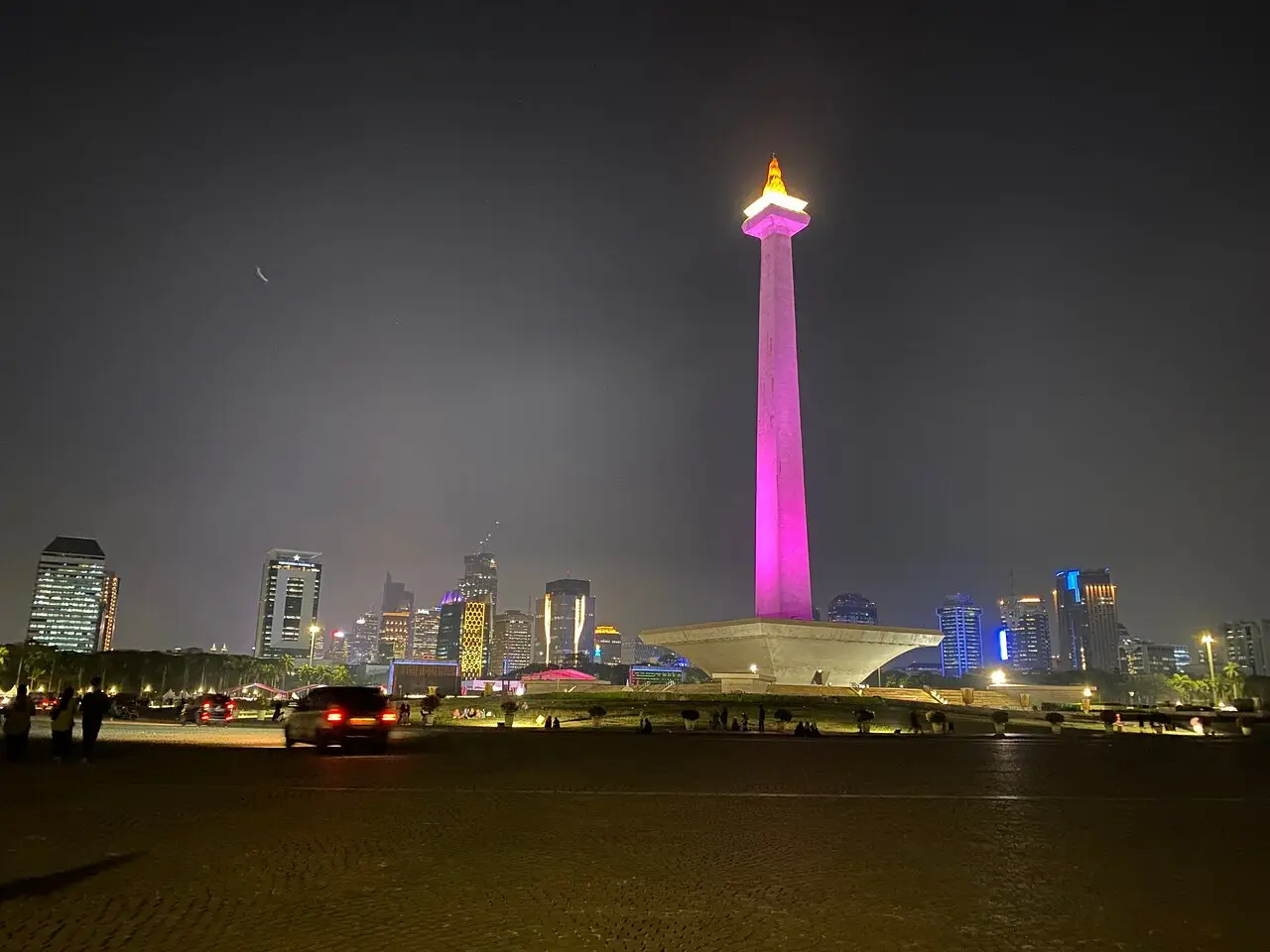
For those who prefer their food practice after dark, the Jakarta Night Tour weaves street food stops into an evening exploring the city's most atmospheric spots, another great low-pressure setting to try out your new vocabulary.
"Saya mau pesan..." (I would like to order...) is the most versatile phrase, usable at warungs, restaurants, and street stalls across Indonesia.
Say "Tidak pedas" (not spicy) or "Pedasnya sedikit saja" (just a little spicy) when ordering, since many dishes are spicy by default.
"Saya vegetarian" works in most tourist areas, but it's safer to add "tanpa daging" (without meat) since the concept isn't always understood the same way.
"Minta bon" or "Bayar, Pak/Bu" (pay, sir/ma'am) are common ways to request the check at local restaurants.
In malls and tourist-friendly restaurants, yes. At traditional warungs and street stalls, basic Indonesian phrases will serve you much better.
Yes, joining a guided culinary tour lets you practice ordering phrases in real situations while a local guide assists with pronunciation and etiquette.
Ready to put these phrases to the test? Book the Jakarta Full-day Shopping & Food Culinary Tour and spend a day ordering, tasting, and chatting your way through Jakarta's best markets and eateries with a local guide by your side.