Main Navigation
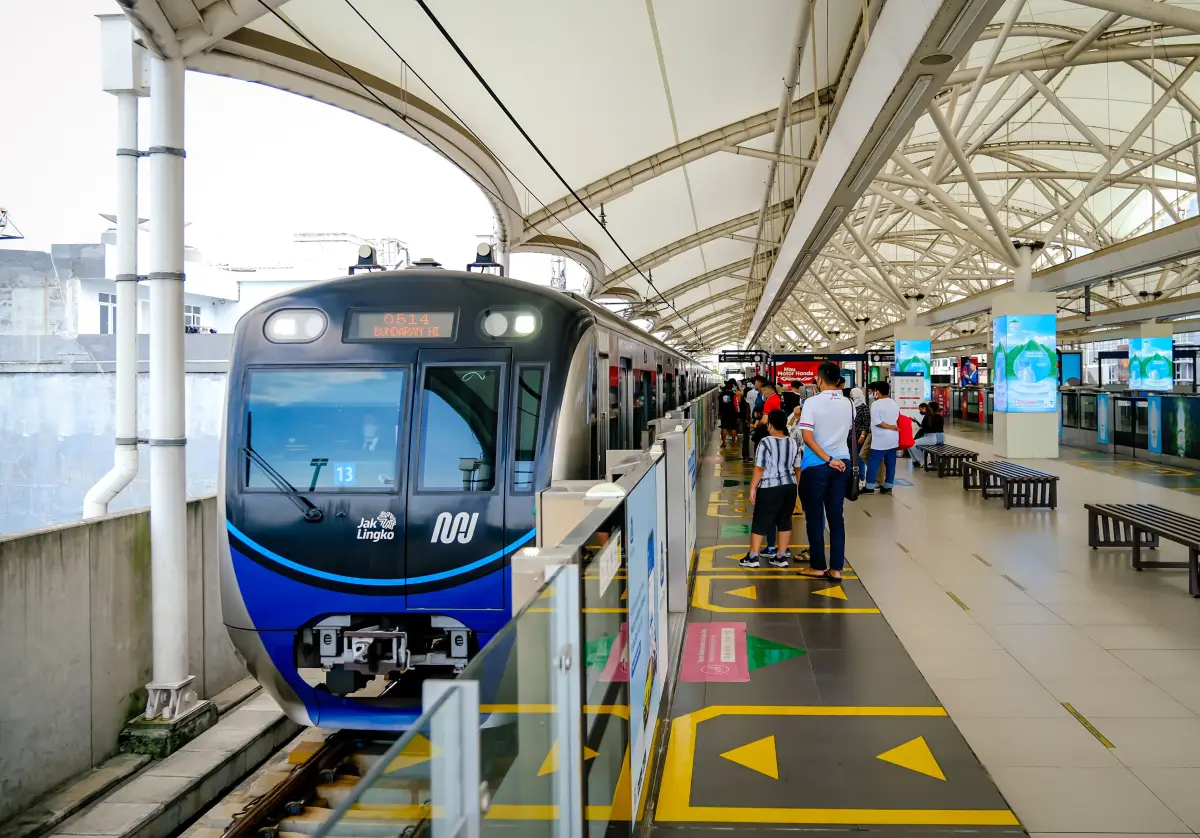
If you have ever tried to cross Jakarta by road during rush hour, you already know why the Jakarta MRT feels like a small miracle. Traffic in the capital can turn a 20-minute journey into an hour-long crawl, but the MRT slices right through it, gliding above and below the congestion in clean, air-conditioned comfort. For visitors, it is also refreshingly easy to use, with English signage, digital displays, and a straightforward single line that connects many of the city's best-known spots. This Jakarta MRT guide walks you through the route, the stations worth knowing, and practical tips so you can spend less time figuring out transit and more time actually enjoying the city.
Jakarta is a sprawling metropolis, and getting around it has historically meant dealing with unpredictable traffic, ride-hailing surge prices, or confusing bus routes. The MRT changes that equation for a good chunk of the city's most visited areas. Trains arrive every few minutes during peak hours, stations are modern and well-marked, and the ride itself is quiet, cool, and comfortable, a welcome break from Jakarta's heat and humidity. For first-time visitors especially, hopping on the MRT feels less intimidating than negotiating a taxi fare or deciphering a bus map, and it gives you a taste of how efficiently the city can move when infrastructure works well.
The current Jakarta MRT map is refreshingly simple: it is a single line running roughly north to south, connecting Lebak Bulus in South Jakarta to Bundaran HI in the heart of the city. Along the way, it passes through 13 stations, some elevated and some underground, linking residential neighborhoods, business districts, and tourist hubs in one continuous route. Because there is only one line to worry about, there is no need to transfer between colors or platforms, you simply board in the direction you need and get off at your stop. This simplicity is one of the biggest reasons the MRT has become a go-to option for both locals commuting to work and travelers exploring Jakarta's main attractions.
Future phases are expected to extend the line further north and add an east-west route, but for now, this single line already covers many of the areas visitors care about most, from shopping districts to historic landmarks.
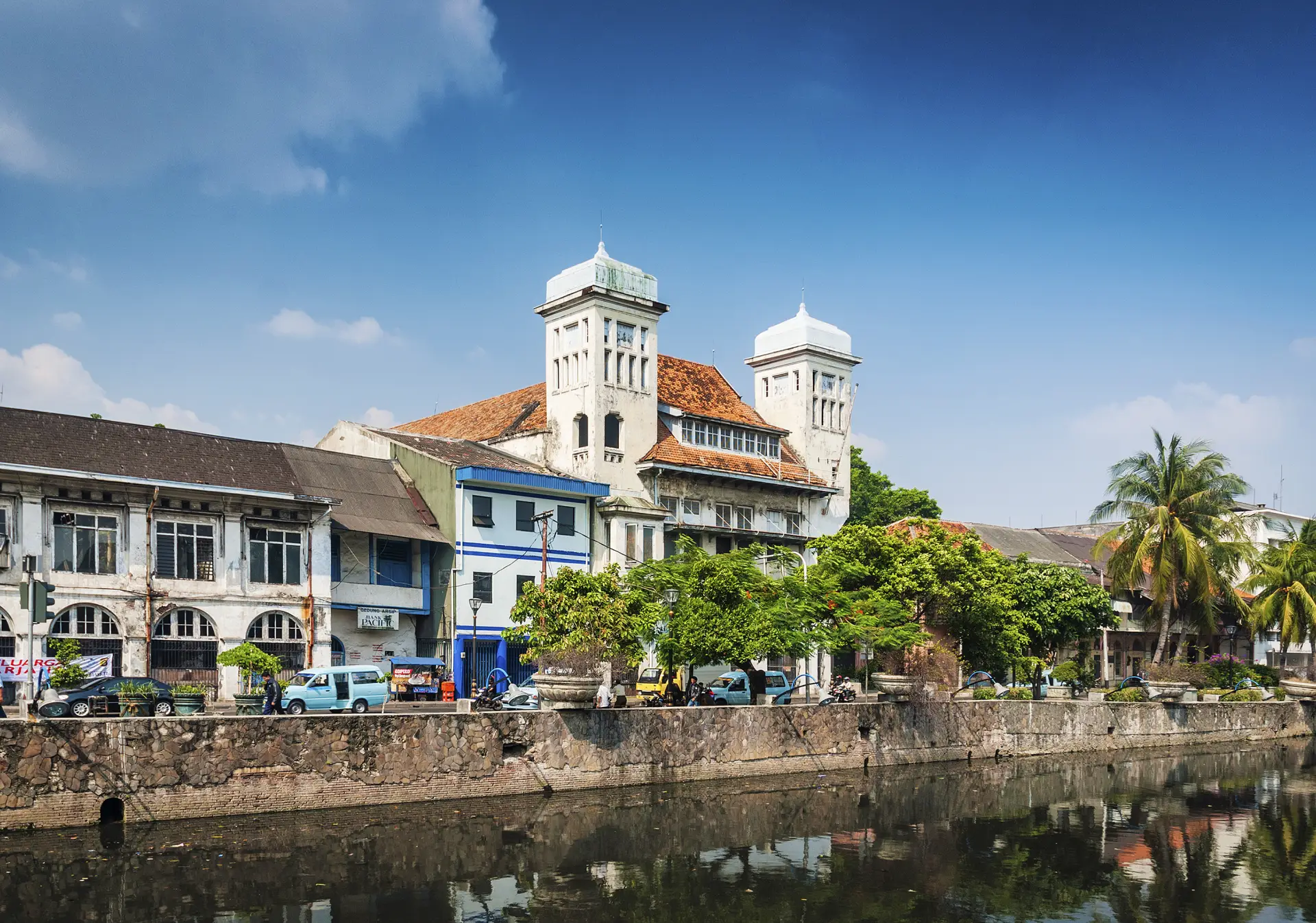
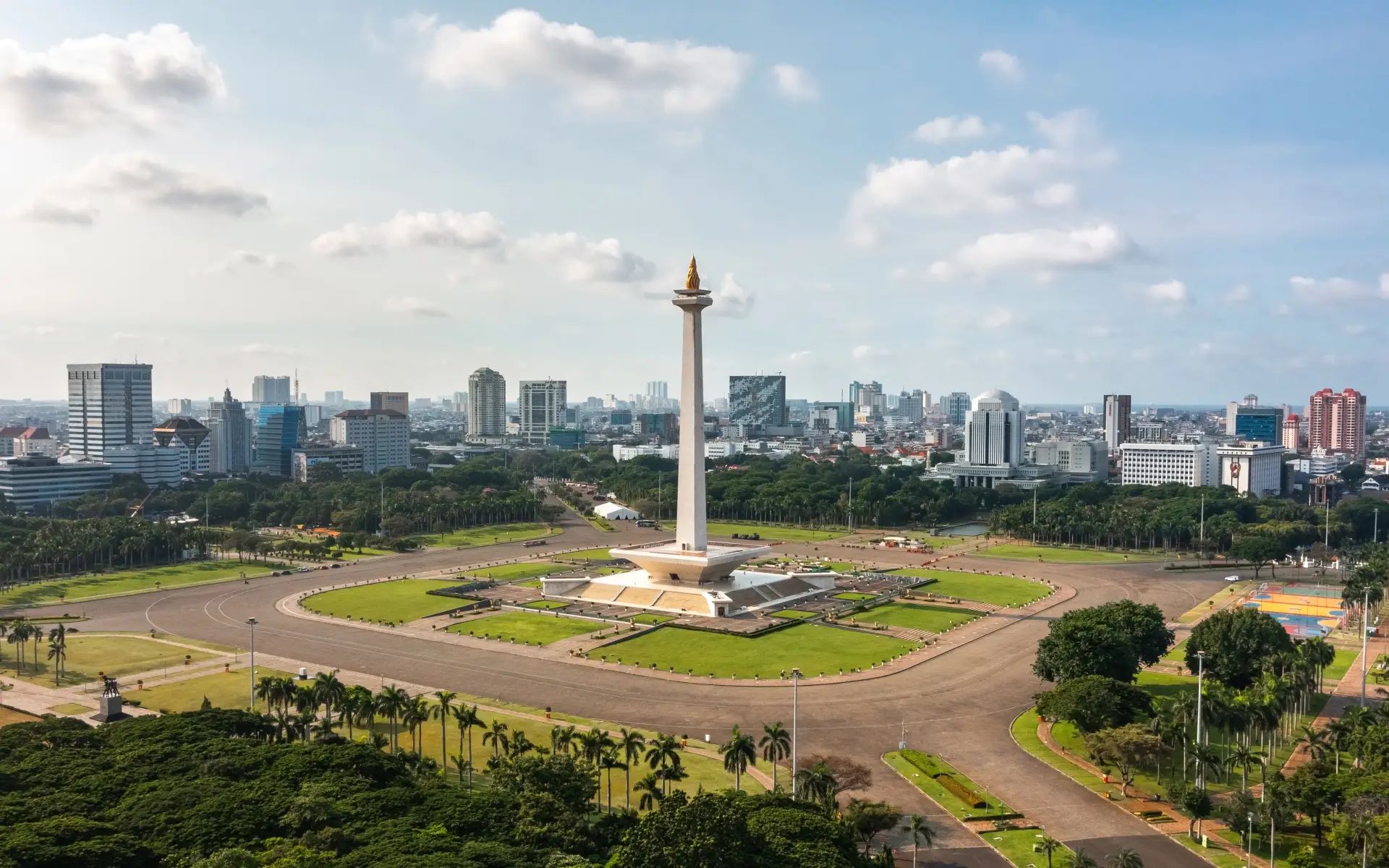
Bundaran HI, short for Hotel Indonesia Roundabout, is the MRT's northern terminus and one of the most useful stops for sightseeing. Step out of the station and you are right at the famous Selamat Datang statue, a well-known meeting point and photo spot ringed by fountains and busy traffic. From here, it is a walkable 15-20 minute stroll (or a quick taxi ride) to Merdeka Square, the National Monument, and the surrounding government and cultural buildings that anchor central Jakarta's history. This makes Bundaran HI a natural starting point if you are planning a day exploring the city's colonial and nationalist landmarks. If you would rather have those details handled for you, the Best of Jakarta Tour covers Merdeka Square and other central highlights alongside Old Batavia and Chinatown.
One stop south of Bundaran HI, Dukuh Atas sits at the center of Jakarta's modern skyline along Jalan Sudirman. This station is a transit hub in its own right, connected via an elevated skywalk to commuter rail and BRT busway services, which makes it a handy interchange point if you are combining different modes of transport. Around the station you will find high-rise offices, upscale cafes, and pockets of green space like Taman Situ Lembang nearby, giving the area a very different energy from the historic sites near Bundaran HI. It is a good stop if you want to see the contemporary, business-forward side of Jakarta or simply need a well-connected point to change transit lines.
Further south, Blok M is a favorite among both residents and visitors for its mix of shopping malls, street food stalls, and lively nightlife. The station connects directly to Blok M Plaza and the surrounding pedestrian area known for affordable fashion finds, warungs serving Indonesian classics, and cafes that stay busy well into the evening. It is a great place to experience a more local, less touristy slice of Jakarta life, wandering between market stalls or grabbing a plate of soto or sate before continuing your MRT journey. South Jakarta in general has a more laid-back, residential feel, and Blok M is arguably its liveliest commercial pocket.
After a day of urban exploring, some travelers like to balance city energy with fresh air outside Jakarta. If that sounds appealing, it is worth reading more about what to do after exploring Jakarta's main attractions for ideas on where to head next.
Continuing south, stations like Fatmawati and the line's southern terminus, Lebak Bulus, offer a glimpse into everyday residential Jakarta rather than tourist hotspots. These areas are full of local eateries, neighborhood markets, and quieter streets, making them interesting if you want to see how South Jakartans actually live and shop away from the main attractions. Lebak Bulus also serves as a practical jumping-off point if you are heading toward the city's outer ring roads, since it connects relatively easily to taxis and ride-hailing services heading further south or out of the city.
These southern stations may not have the landmark pull of Bundaran HI, but they round out the MRT experience nicely, showing that the line is as much about daily commuting as it is about tourism.
Riding the Jakarta MRT is refreshingly straightforward, but a few practical tips will make your trip smoother:
Stations are well-signed in both Indonesian and English, and staff are generally happy to point visitors in the right direction if you are unsure which exit leads to your destination.
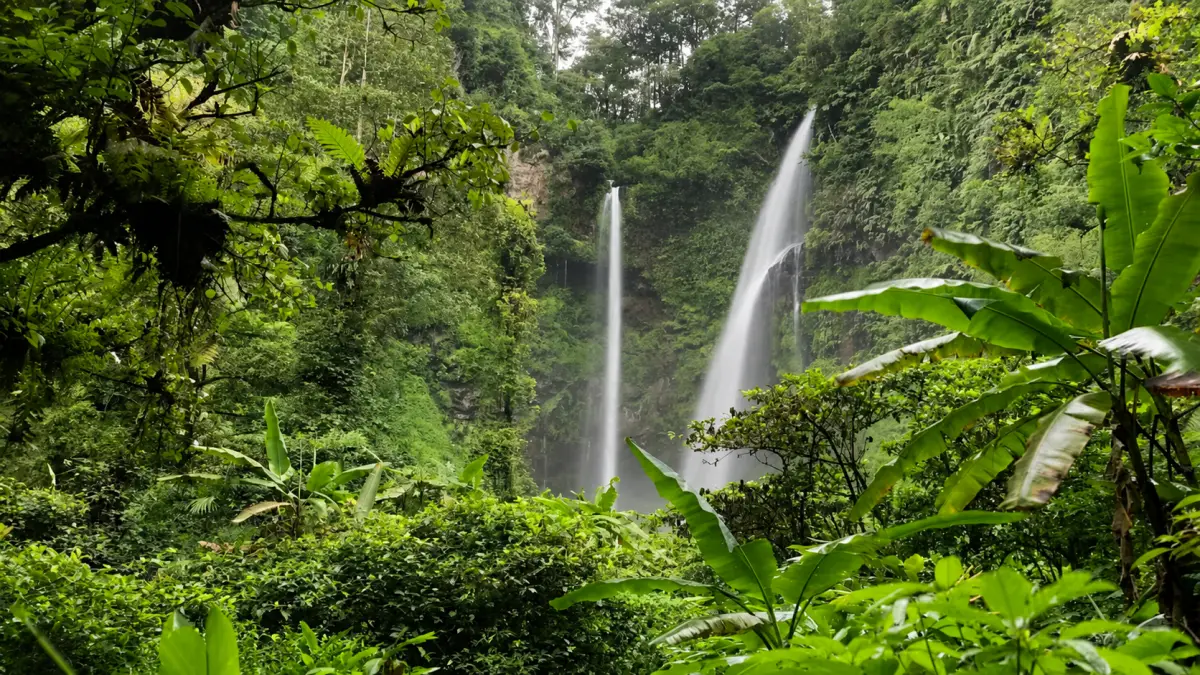
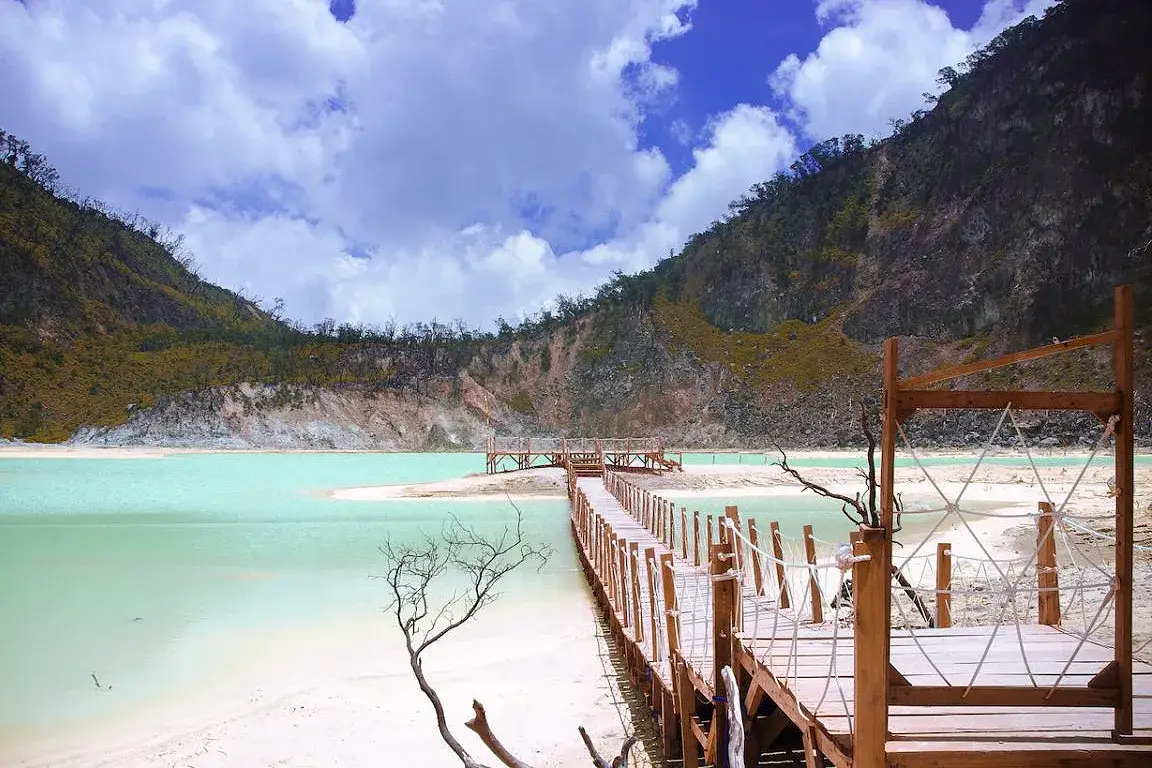
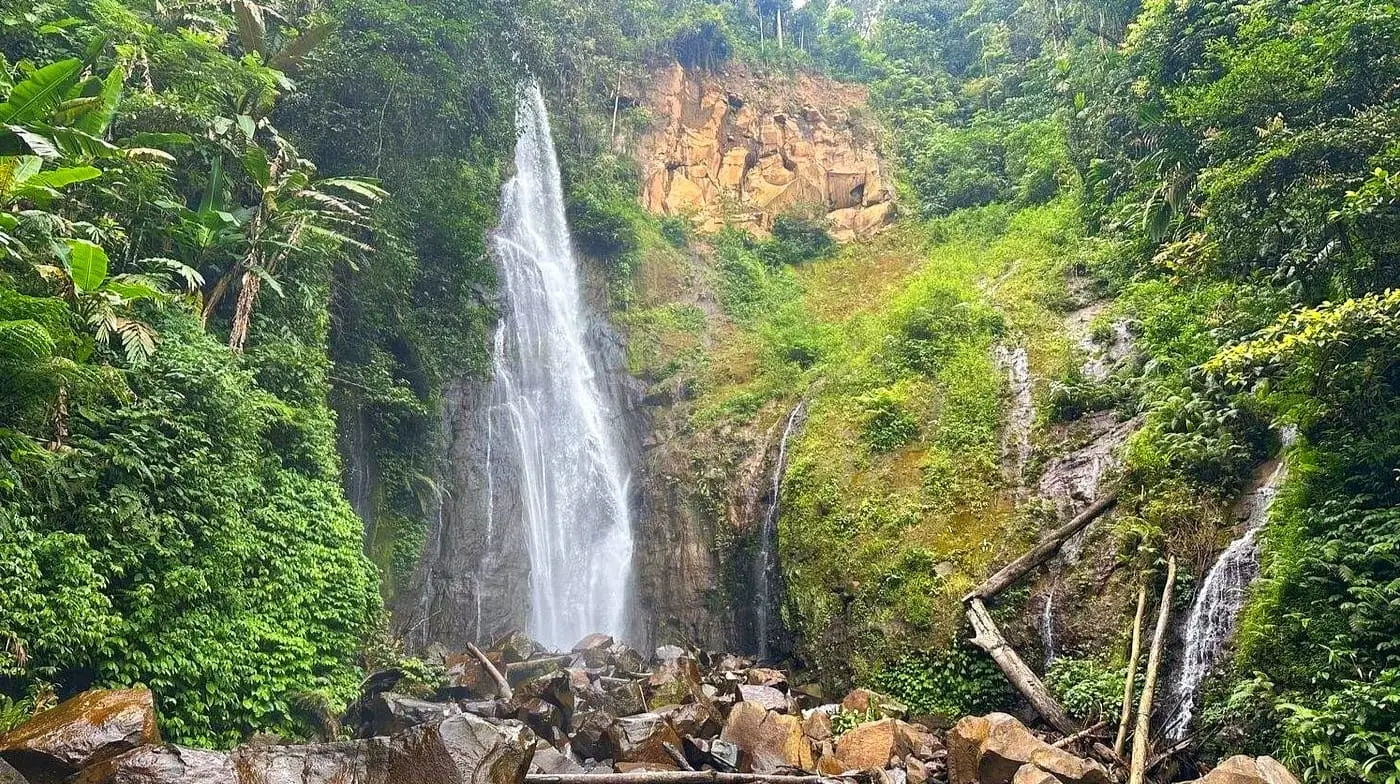
While the MRT is fantastic for getting around central and south Jakarta, it does not reach the countryside, waterfalls, or mountain towns that make West Java such a rewarding side trip. For that, you will need a car, train, or guided tour. Once you have used the MRT to explore the city's landmarks and neighborhoods, consider pairing it with a day away from the urban core, such as a hike to a hidden waterfall in Bogor or a cultural visit to the indigenous Baduy villages in Banten. If you are curious about other nearby options, this roundup of scenic places near Jakarta for a refreshing day trip is a helpful starting point, and travelers with families might also enjoy these family-friendly nature escapes near Jakarta.
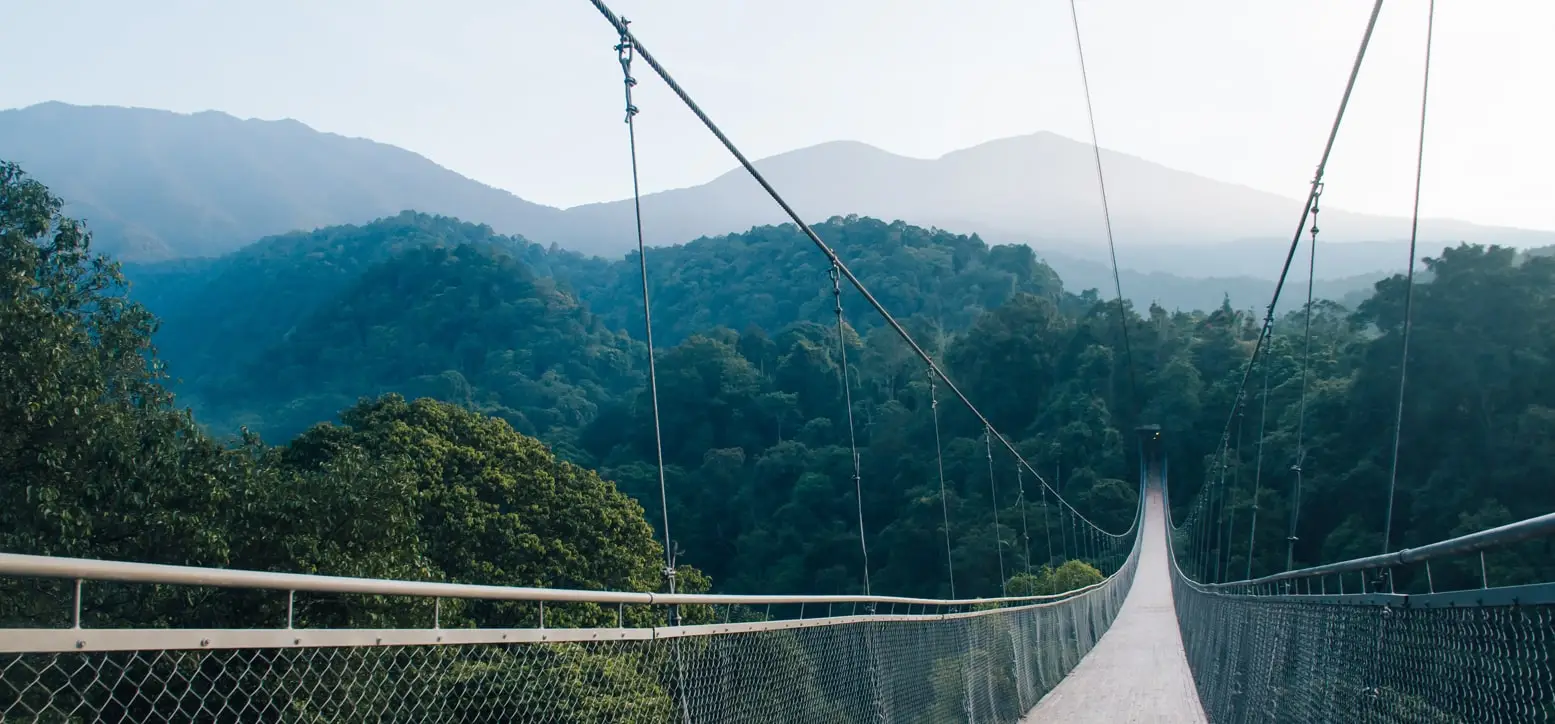
For a longer adventure that blends city sightseeing with the cooler hills of West Java, the Jakarta, Bogor, Bandung 4-day tour is worth considering, since it covers Jakarta's landmarks before heading out to Sukabumi's rainforest trails and on to Bandung.
Trains typically run from around 5:00 AM to midnight daily, though it's wise to check current schedules since frequency can vary slightly on weekends and holidays.
Fares are distance-based, generally ranging from about IDR 3,000 to IDR 14,000 per trip, payable with a single-trip card or a rechargeable electronic money card.
Bundaran HI is the nearest MRT station, roughly a 15-20 minute walk or a short taxi ride from Monas and the surrounding Merdeka Square area.
No, the current MRT line only serves central and south Jakarta. For trips to Bogor, Bandung, or rural areas, you'll need a train, car, or a guided day tour.
Yes, the MRT is clean, air-conditioned, and has clear English signage, making it one of the easiest and safest ways for visitors to move around the city.
You can buy a single-trip token at the station or use a rechargeable card like a bank-issued e-money card, which also works on other Jakarta transit systems.
Ready to see what lies beyond the MRT's last stop? Book the Botanical Garden & Rainforest Hike to a Hidden Waterfall with Ekaputra Tour and turn your Jakarta trip into a full West Java adventure.