Main Navigation
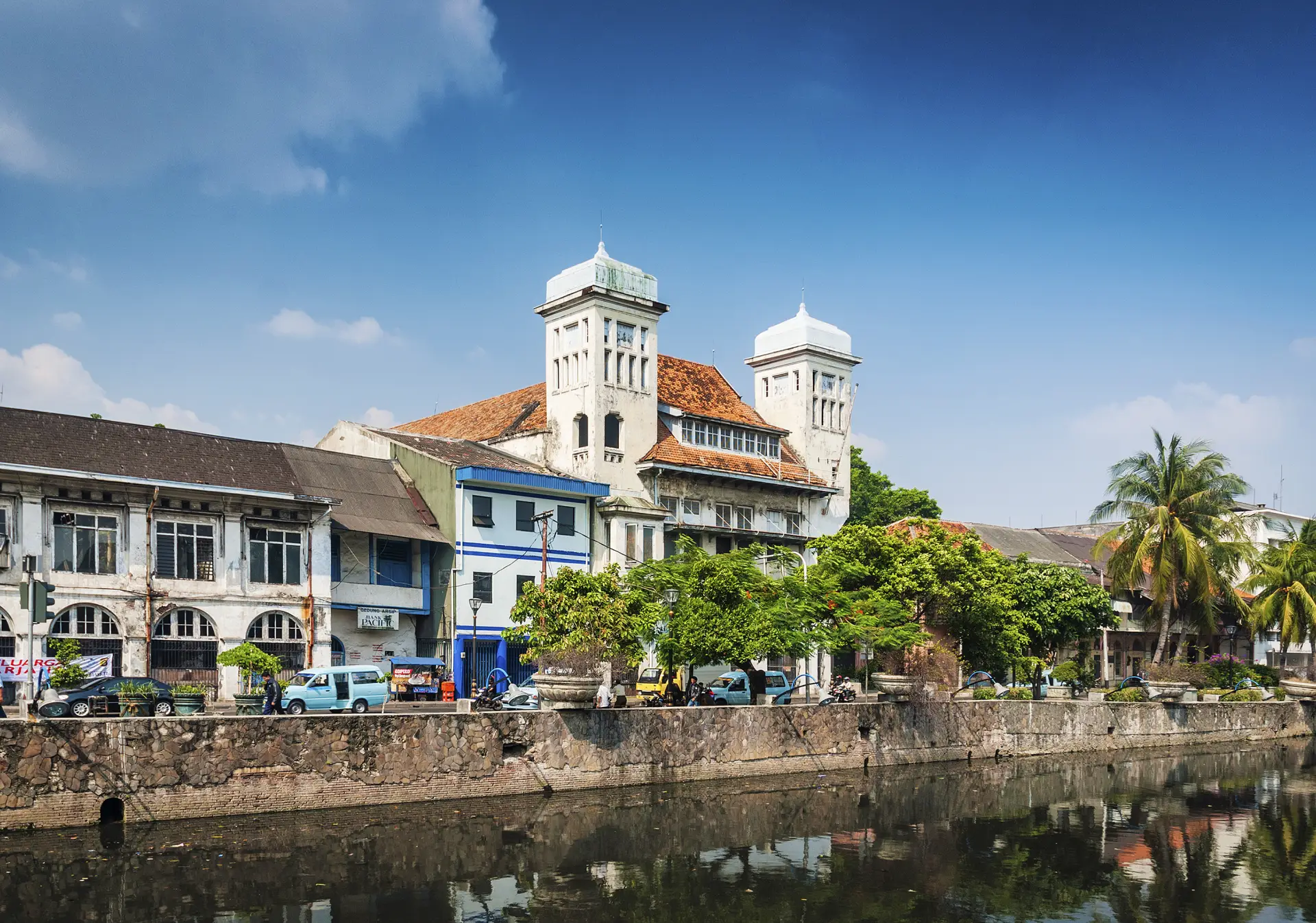
Most visitors to Jakarta's old quarter spend an hour circling Fatahillah Square, snap a few photos of the colonial facades, and move on. That's a shame, because the real depth of Jakarta Old Town museums lies just a short walk in every direction. From puppet collections to old bank vaults to a harbor watchtower, Kota Tua museums Jakarta offer a far richer picture of the city's history than the square alone can show.
Batavia, as the Dutch called this district, was the administrative and trading heart of the colonial East Indies for over 300 years. That long history left behind more than one grand building. Banks, warehouses, courts, and harbor offices were all constructed within walking distance of each other, and many have since been converted into museums. Treating Kota Tua as a single-stop photo destination means missing most of that story. If you're building a full day around this area, our Jakarta Old Town walking route guide is a useful companion for sequencing these sites efficiently.
Facing Fatahillah Square itself, the Wayang Museum Jakarta is easy to reach but often skipped in favor of the square's open-air atmosphere. Inside, you'll find hundreds of puppets, wayang kulit (shadow puppets), wayang golek (wooden rod puppets), and masks from across the archipelago, along with a few international puppet traditions donated over the decades. Some visits include a short live demonstration, though this isn't guaranteed on every day. For anyone interested in Indonesian performing arts, this is one of the most accessible introductions in the city.
A short walk from the square, the Bank Indonesia Museum occupies a former De Javasche Bank building and traces the evolution of currency and banking in Indonesia, from colonial-era guilders to the modern rupiah. The exhibits are well-organized and include interactive displays, making it one of the more polished museums in the area. It's also one of the few in Kota Tua with reasonably thorough English signage, which makes it a good stop for visitors who prefer to explore at their own pace without a guide.
Head north toward the old Sunda Kelapa harbor and you'll reach the Maritime Museum Jakarta, housed in a row of former Dutch East India Company (VOC) warehouses. The building itself, with its thick walls and timber beams, is as much a part of the experience as the ship models, navigation instruments, and trading artifacts inside. This museum tends to draw fewer crowds, which makes it a peaceful place to spend half an hour, especially after a busier stretch around Fatahillah Square.
The Textile Museum sits a bit further out, closer to Tanah Abang, so it requires a deliberate detour rather than a casual stroll. Inside, you'll find batik, ikat, songket, and other traditional weaving techniques from across Indonesia's islands, along with demonstrations of natural dyeing methods. It's not walkable in the same loop as the other Kota Tua sites, but for travelers with a genuine interest in Indonesian textiles, the extra taxi or ride-hailing trip is worthwhile.
If you'd rather have all these logistics handled for you, including transport between sites, a private guide can fold museum visits into a broader day of sightseeing.
Right next to the Maritime Museum stands Menara Syahbandar, a 18th-century watchtower once used to monitor ships entering Sunda Kelapa harbor. Climbing to the top gives you a view over the harbor and surrounding rooftops, a rare elevated perspective in this flat, low-rise part of the city. It's a small site and doesn't need much time, but it pairs naturally with a Maritime Museum stop since they share the same block.
A practical route starts at Fatahillah Square with the Wayang Museum, moves to the Bank Indonesia Museum a few minutes away, then continues north on foot or by becak toward the Maritime Museum and Menara Syahbandar near the harbor. If time allows and you don't mind a taxi ride, the Textile Museum can be added either before or after this loop. Budget roughly half a day for three or four stops, factoring in walking time, ticket queues, and the heat, especially if you're visiting midday. Comparing this to a broader itinerary, our private full-day highlights tour review shows how museum time fits alongside other Jakarta landmarks in a single day.
Independent museum-hopping in Kota Tua is entirely doable, but a few practical issues come up often: inconsistent English signage, unclear opening hours, and the sheer spread-out nature of the sites once you include the harbor area. A local guide solves these problems directly, translating exhibit context on the spot and managing transport between the square and Sunda Kelapa without the guesswork. If you're combining museums with Jakarta's other highlights, the private full-day guided Jakarta tour is built around exactly this kind of flexible, well-paced sightseeing. For those with more days to spend, the Best of Jakarta 4-day tour works museum visits into a longer cultural itinerary alongside Chinatown and the city's parks.
Most, including the Wayang Museum and Bank Indonesia Museum, close on Mondays and public holidays. Check ahead, especially on weekends when hours can shorten.
Yes, each museum sells its own ticket, typically priced between Rp5,000 and Rp15,000 for domestic and slightly more for foreign visitors. There is no combined pass.
Budget half a day if you want to properly see three or four museums, including walking time between Kota Tua's core and the Sunda Kelapa harbor area.
It's about a 15-20 minute walk or short becak/ojek ride north, near the old Sunda Kelapa harbor, so most visitors combine it with a harbor visit.
Signage is inconsistent; some museums like Bank Indonesia have good English displays, while others rely mostly on Indonesian, which is where a guide adds real value.
Ready to see these Jakarta Old Town museums without the guesswork of transport and translation? Book the private full-day guided Jakarta tour and let a local expert handle the route while you take in the history.