Main Navigation
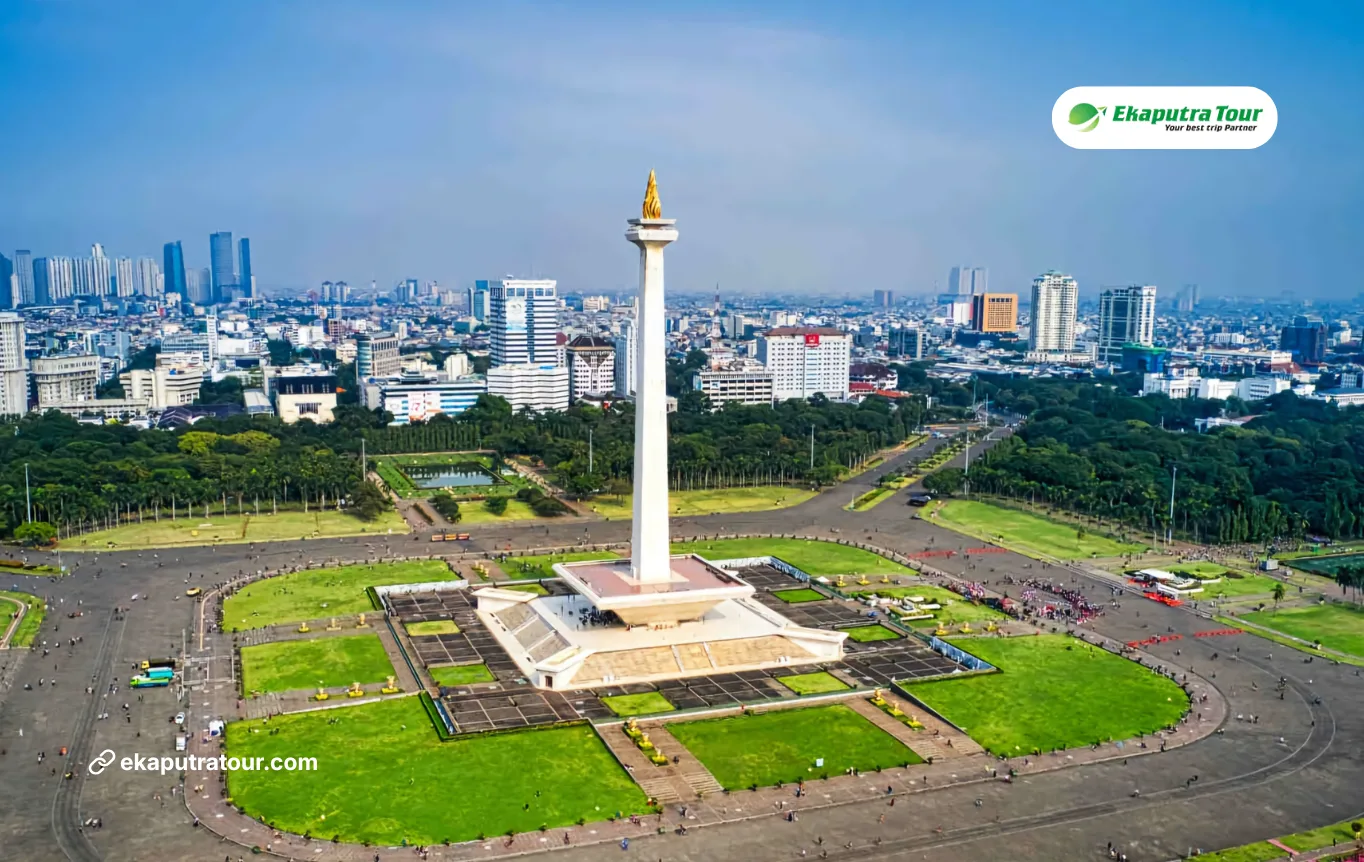
Many travelers only see the traffic, office towers, shopping malls, and busy roads. But behind that fast-moving surface, Jakarta has another side. It is older, richer, and more interesting than most first-time visitors expect.
If you know where to go, you can walk through colonial streets, stand under Indonesia’s most iconic monument, and visit an old harbor that helped shape the city’s history.
This guide takes you through three important stops in Jakarta: Kota Tua, Monas, and Sunda Kelapa Harbor. Together, they show a deeper side of the capital and make a strong route for a Jakarta City Tour.
Kota Tua, Monas, and Sunda Kelapa Harbor are not random tourist spots. They represent three layers of Jakarta.
Kota Tua shows the city’s colonial past. Monas tells the story of Indonesia’s independence. Sunda Kelapa Harbor connects Jakarta to its maritime roots.
For travelers who only have one day in the city, this route gives a clear and practical way to understand Jakarta beyond its modern skyline.
Kota Tua is the best place to start if you want to see old Jakarta.
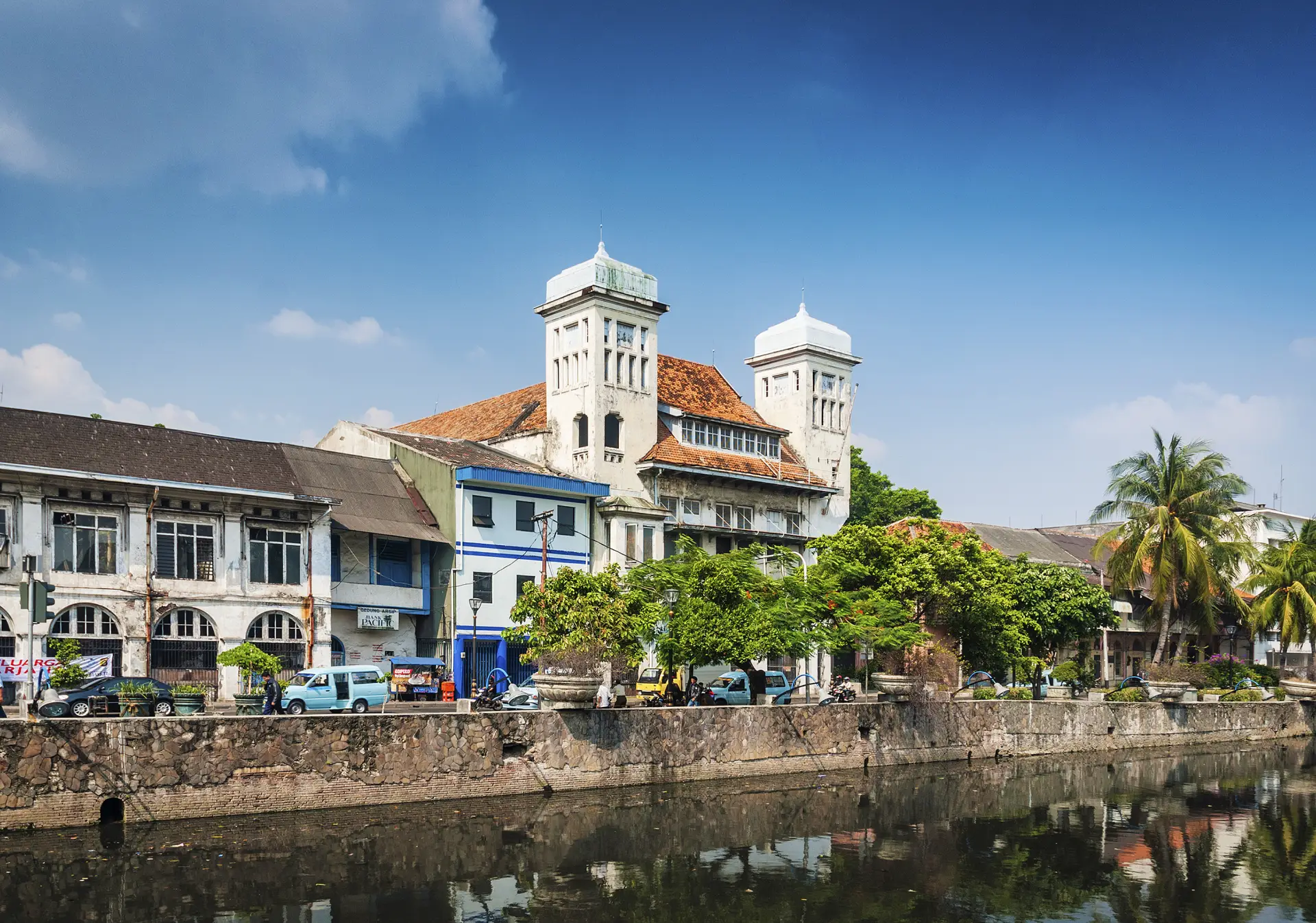
This historic area was once the center of Batavia, the Dutch colonial city that later became part of modern Jakarta. At the heart of Kota Tua is Fatahillah Square, a wide open plaza surrounded by colonial-era buildings, museums, cafes, and vintage bicycles.
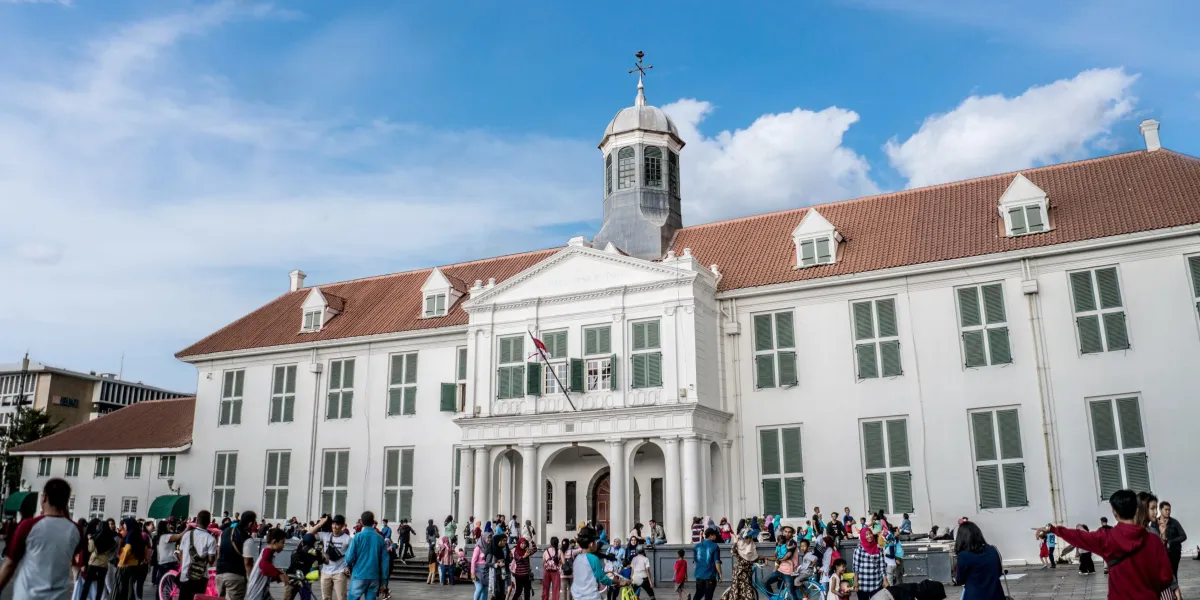
NOW! Jakarta describes Kota Tua as Jakarta’s historic center and notes that the area keeps visible reminders of Batavia’s colonial past. It also explains that the old city hall sits in front of what is now known as Taman Fatahillah, or Fatahillah Square.
One of the most important buildings here is the Jakarta History Museum, also known as Fatahillah Museum. The building was built in 1710 as the Stadhuis, or city hall, of Batavia.
What makes Kota Tua easy to enjoy is the atmosphere. You do not need to be a history expert. You can walk around the square, take photos of the old buildings, visit museums, rent a colorful vintage bicycle, or sit at a cafe with a view of the plaza.
For first-time visitors, Kota Tua gives Jakarta a different face. It feels slower, older, and more textured than the city’s business districts.
Best things to do in Kota Tua:
Best time to visit:
After Kota Tua, Monas gives the trip a national context.
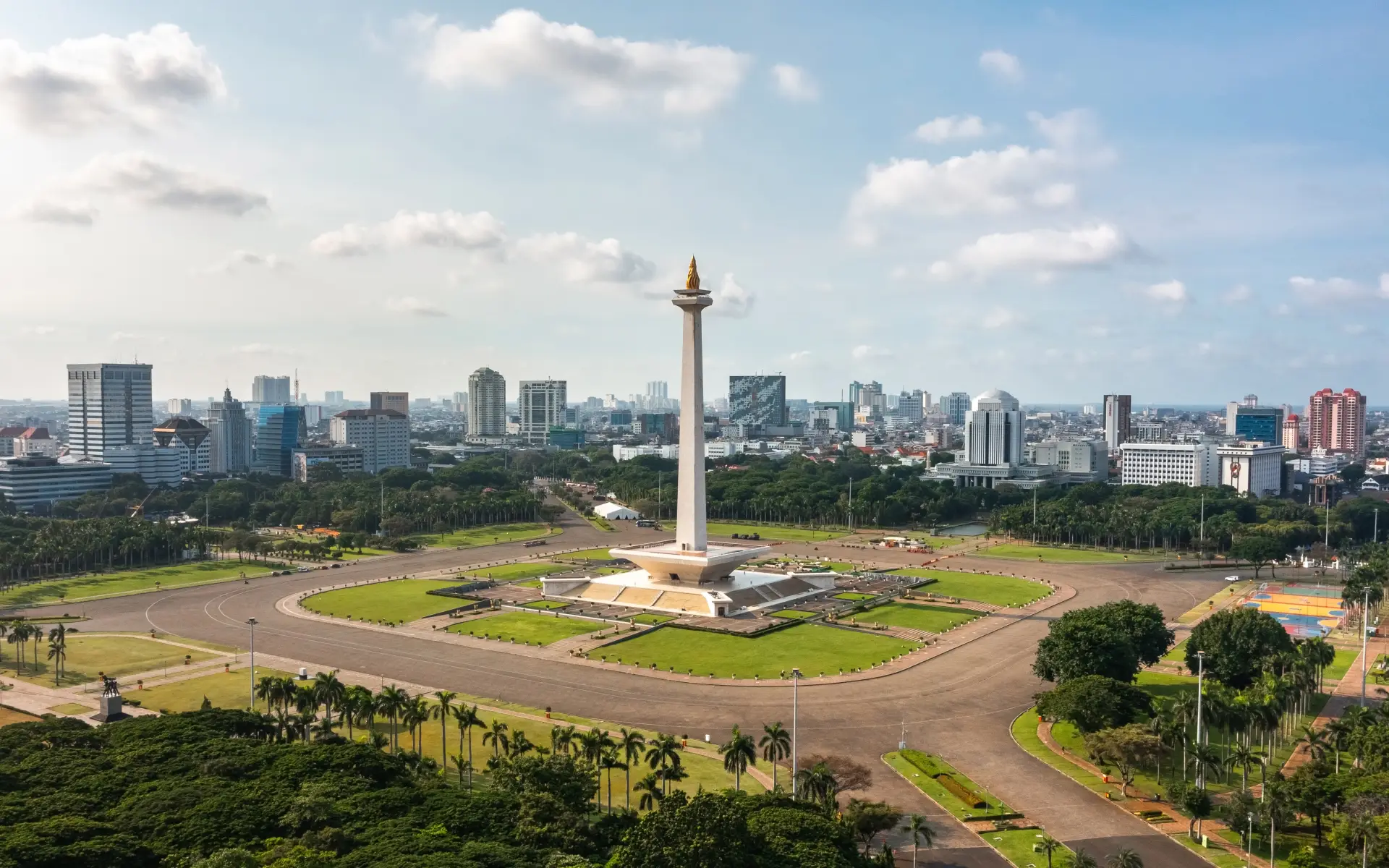
Monas, or the National Monument, stands in Merdeka Square in Central Jakarta. It is the most recognizable landmark in the city and one of the strongest symbols of Indonesia’s independence.
Monas stands in the center of Merdeka Square and houses historical elements connected to the Proclamation of Indonesian Independence on 17 August 1945.
The same source describes the monument as an obelisk-shaped structure with a bronze flame coated in gold leaf.
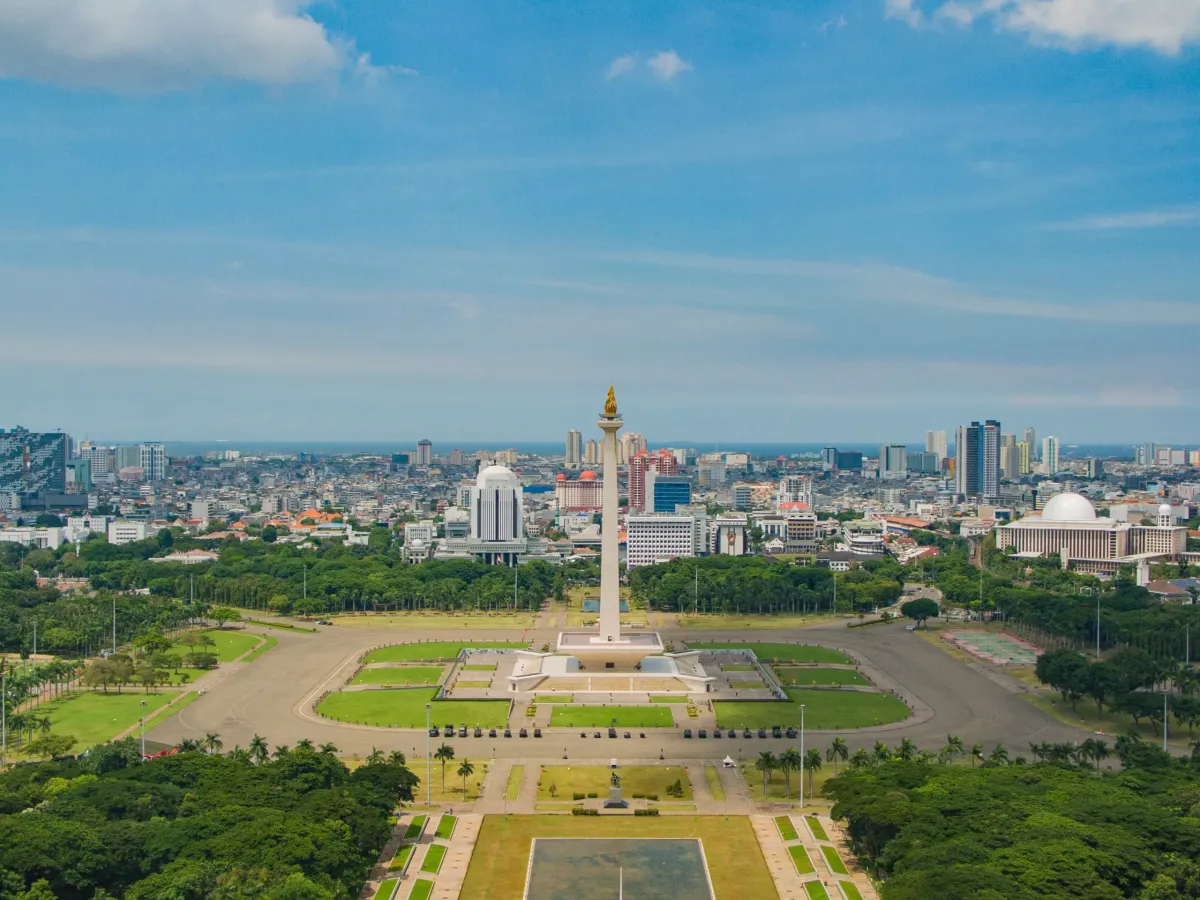
Inside the base of Monas, visitors can find a museum with dioramas that show Indonesia’s struggle for independence. There is also a lift that takes visitors to a lookout platform for a view of Jakarta.
This is why Monas works well in a Jakarta City Tour. It is not only a photo stop. It helps visitors understand why independence, national identity, and public symbols matter in Indonesia.
The surrounding park also gives travelers a break from Jakarta’s traffic. You can walk, take photos, and see how locals use the area for recreation.
Best things to do at Monas:
Best time to visit:
Sunda Kelapa Harbor is where Jakarta’s story feels more raw and real.
This old harbor sits in North Jakarta, near the mouth of the Ciliwung River. It is closely connected to the early development of Jakarta as a trading city.
Sunda Kelapa is one of the oldest and most important ports in the archipelago. It also states that records of activity around the harbor date back to the 12th century, during the periods of Tarumanegara and the Sunda Kingdom.
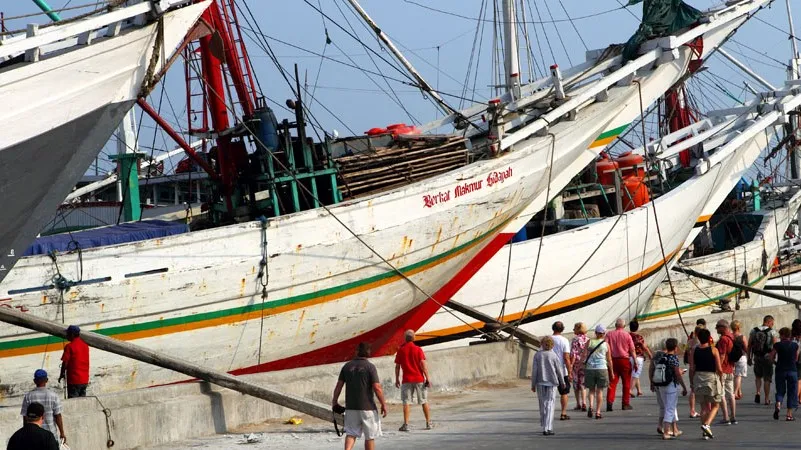
Sunda Kelapa became the main port of the Hindu Pajajaran Kingdom and attracted ships from places such as Madura, Palembang, Malacca, Makassar, India, South China, Japan, and Europe.
Today, the harbor is known for its traditional wooden ships, often called pinisi. Sunda Kelapa as a photogenic old port with colorful pinisi ships that still serve inter-island cargo routes.
This stop feels very different from Kota Tua and Monas. It is less polished. It is active, busy, and industrial. You may see workers loading goods, wooden ships lined along the dock, and a side of Jakarta that many tourists miss.
For photography, Sunda Kelapa is strongest in the late afternoon. The golden hour light gives the wooden ships and harbor area a more dramatic look.
Best things to do at Sunda Kelapa Harbor:
Best time to visit:
This route works best if you want to see history, culture, and city icons in one day.
Start with Kota Tua in the morning. Explore Fatahillah Square, visit Jakarta History Museum, and take photos around the old buildings.
Continue to Monas before or after lunch. Spend time around Merdeka Square, then visit the museum or observation area if it fits your schedule.
End the day at Sunda Kelapa Harbor. Come closer to golden hour for better photos and a stronger travel experience.
Simple route:
This route keeps the story clear. You start with old Batavia, move into Indonesia’s independence story, then end at the harbor that connects Jakarta to its maritime past.
Jakarta is more than traffic and skyscrapers. Kota Tua shows the city’s old colonial face. Monas shows the national story behind Indonesia’s independence.
Sunda Kelapa Harbor shows the maritime soul that helped shape Jakarta long before it became a modern capital.
If you want to understand the city in a more complete way, these three stops deserve a place in your Jakarta itinerary.
Explore Jakarta the right way with Ekaputra Jakarta City Tour.