Main Navigation
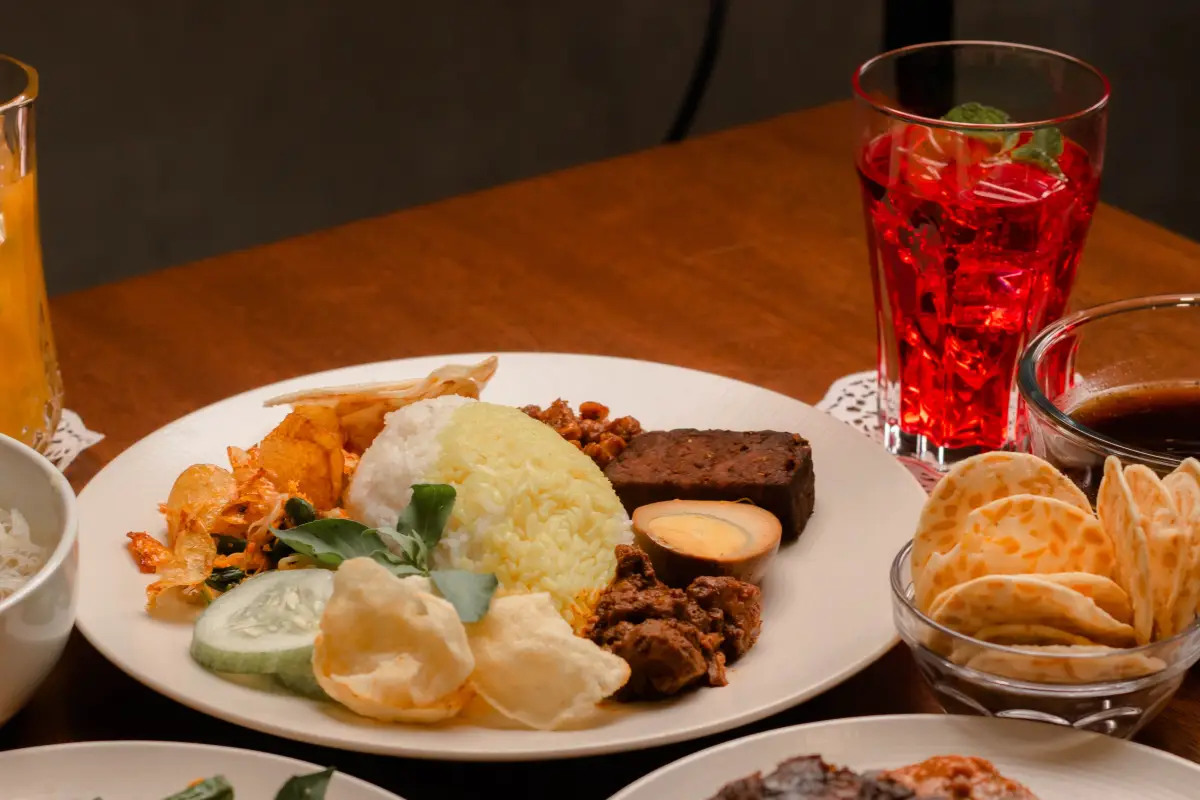
Java's food culture is one of Indonesia's most rewarding culinary traditions, yet it rarely gets the spotlight it deserves outside the country. Beyond the temples and palaces, the island's kitchens hold centuries of history, royal influence, and regional pride, all served up in a bowl of rice or a plate of grilled meat. If you're planning a trip through the heartland of Java, understanding the local dishes is just as important as knowing the landmarks. This guide walks through the must-try javanese traditional food, from Yogyakarta's beloved gudeg to East Java's hearty soups, so you can eat like someone who actually belongs there.
Javanese cuisine guide enthusiasts often point to one defining trait: sweetness. Unlike the fiery sambal-heavy dishes of Sumatra or the punchy spice blends of West Java, traditional food java indonesia from the central and eastern regions tends to favor a gentler balance of sweet, salty, and savory. Palm sugar, coconut milk, and slow-cooked spices form the backbone of many recipes, a style shaped by the agricultural abundance of the Javanese heartland and the refined tastes of the old royal courts in Yogyakarta and Solo.
That said, Java is not a monolith. Travel east and you'll find bolder, earthier flavors in dishes like rawon, while the coastal areas bring their own seafood-driven variations. This diversity is part of what makes exploring javanese food dishes such a rewarding experience: every region, sometimes every city block, has its own specialty worth hunting down.
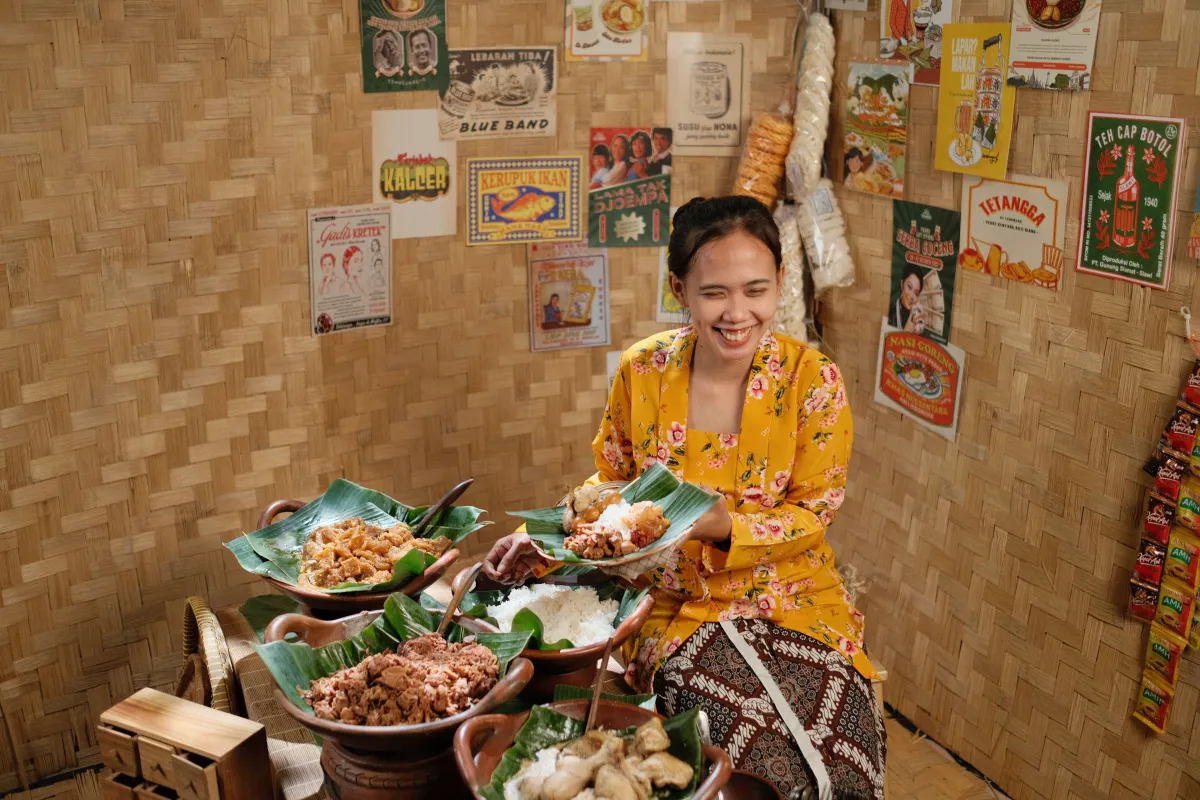
No conversation about javanese traditional food starts anywhere but here. Gudeg Yogyakarta is a slow-cooked young jackfruit stew, simmered for hours in coconut milk, palm sugar, and spices until it turns a deep brown and takes on a rich, sweet flavor. It's typically served with rice, chicken, boiled egg, tofu or tempeh, and a side of sambal krecek, a spicy beef skin sambal that adds a welcome kick to balance the sweetness.
What makes gudeg special isn't just the taste but the ritual around it. Many of Yogyakarta's most famous gudeg warungs have been run by the same families for generations, some opening as early as dawn and selling out by mid-morning. Trying gudeg at its source, in a small lesehan-style eatery with mats on the floor, is an experience worth building a trip around.
Just an hour or so from Yogyakarta, the city of Solo (Surakarta) offers its own signature comfort food: nasi liwet Solo. This dish features rice cooked in coconut milk, served with shredded chicken, a soft egg, opor-style curry sauce, and often a side of vegetable such as jackfruit or chayote. It's typically eaten off a banana leaf, using just a spoon or even bare hands, in the traditional style.
Nasi liwet is usually sold in the evening, often by street vendors who set up simple lesehan seating along the roadside. It's a humble, homey meal, but the layered flavors and creamy texture make it one of the most satisfying dishes in the entire region.
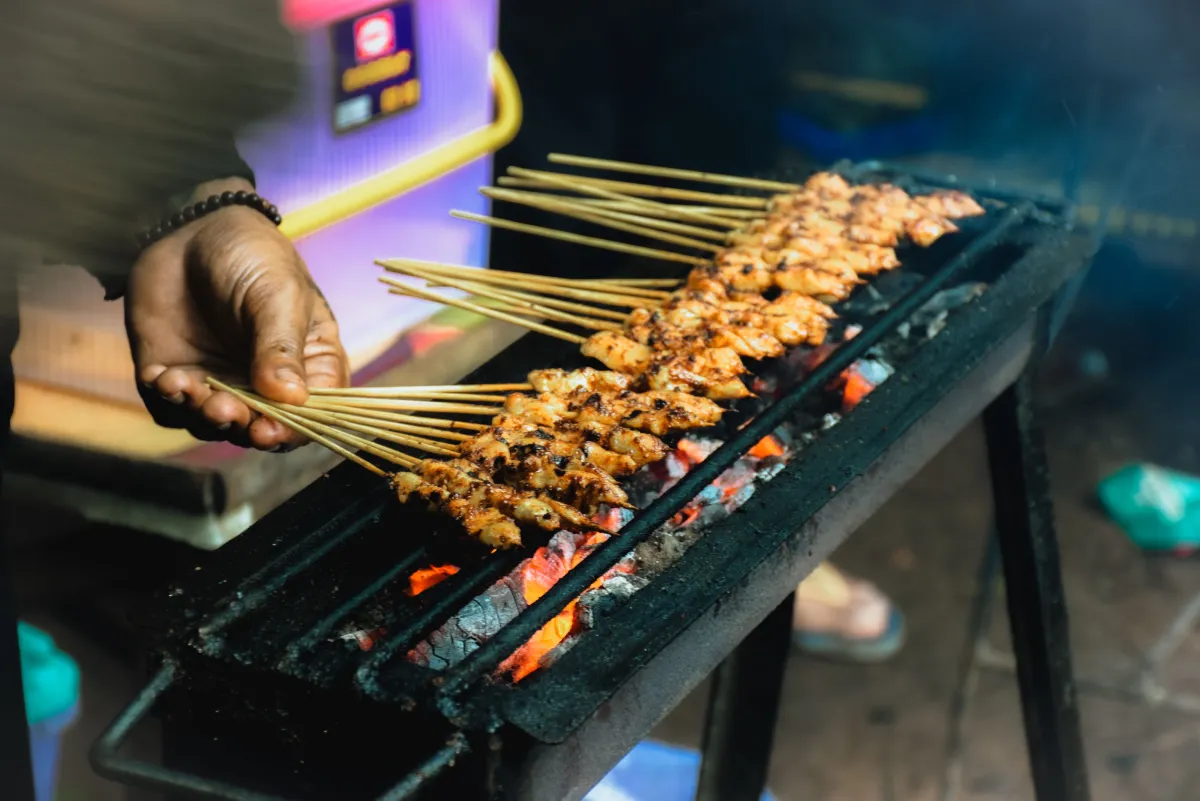
If gudeg represents Yogyakarta's sweeter side, sate klathak shows off its love of simple, smoky grilling. This dish consists of goat meat skewered, famously, on iron bicycle spokes instead of bamboo sticks, then grilled over charcoal with minimal seasoning, usually just salt and a touch of oil. The result is tender, slightly smoky meat that's often served with a light curry-like soup and a soy-based dipping sauce on the side.
Sate klathak has become something of a cult favorite among food travelers, and there are entire clusters of warungs south of the city dedicated to perfecting it. It's proof that Javanese cooking isn't only about sweet, slow-cooked dishes, sometimes it's about doing very little to very good ingredients.
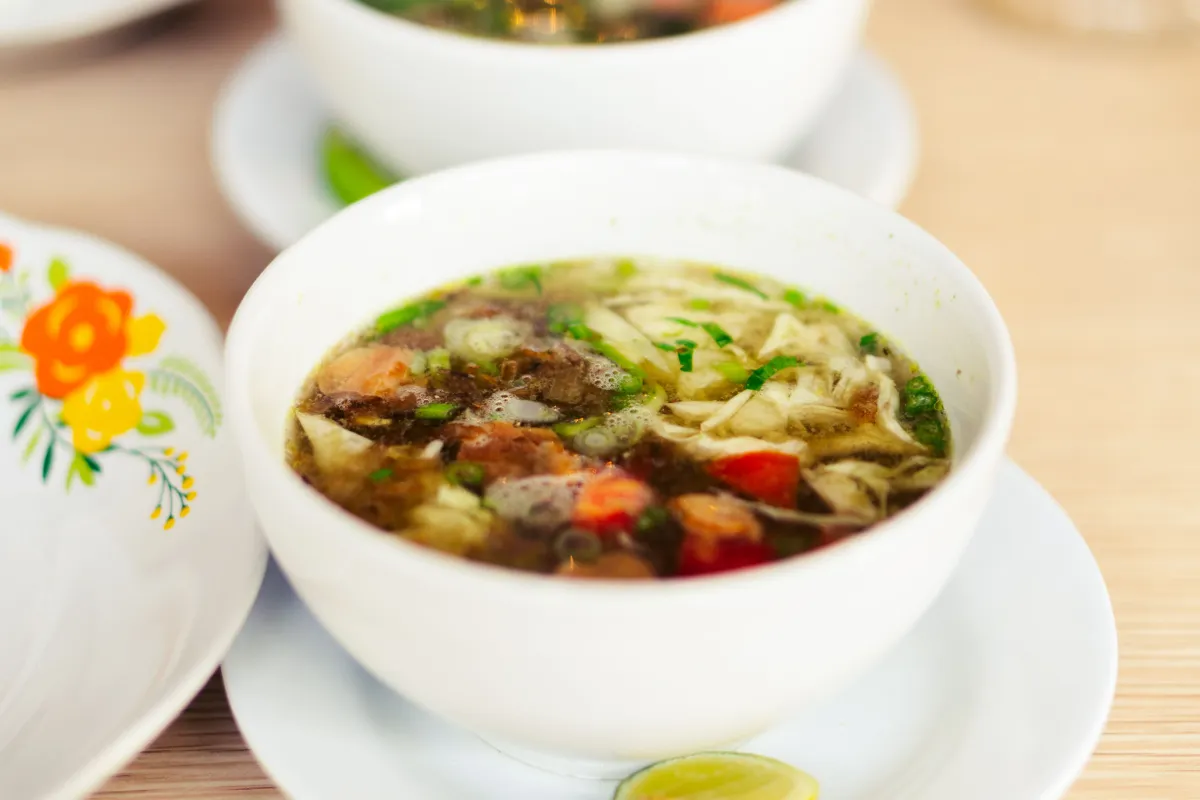
Head further east and the flavor profile shifts. Rawon, a dark, fragrant beef soup, gets its signature color and earthy depth from keluak, a black nut with a distinctive, almost smoky flavor. It's typically served with rice, bean sprouts, salted egg, and a sprinkle of fried shallots.
Soto, meanwhile, comes in dozens of regional variations across Java, but East Java's versions, like soto Lamongan or soto ayam, tend to be lighter and more turmeric-forward than their Central Javanese cousins. Both dishes highlight how soup culture in Java isn't just about warmth, it's a canvas for regional identity, with each city claiming its own broth as the definitive version.
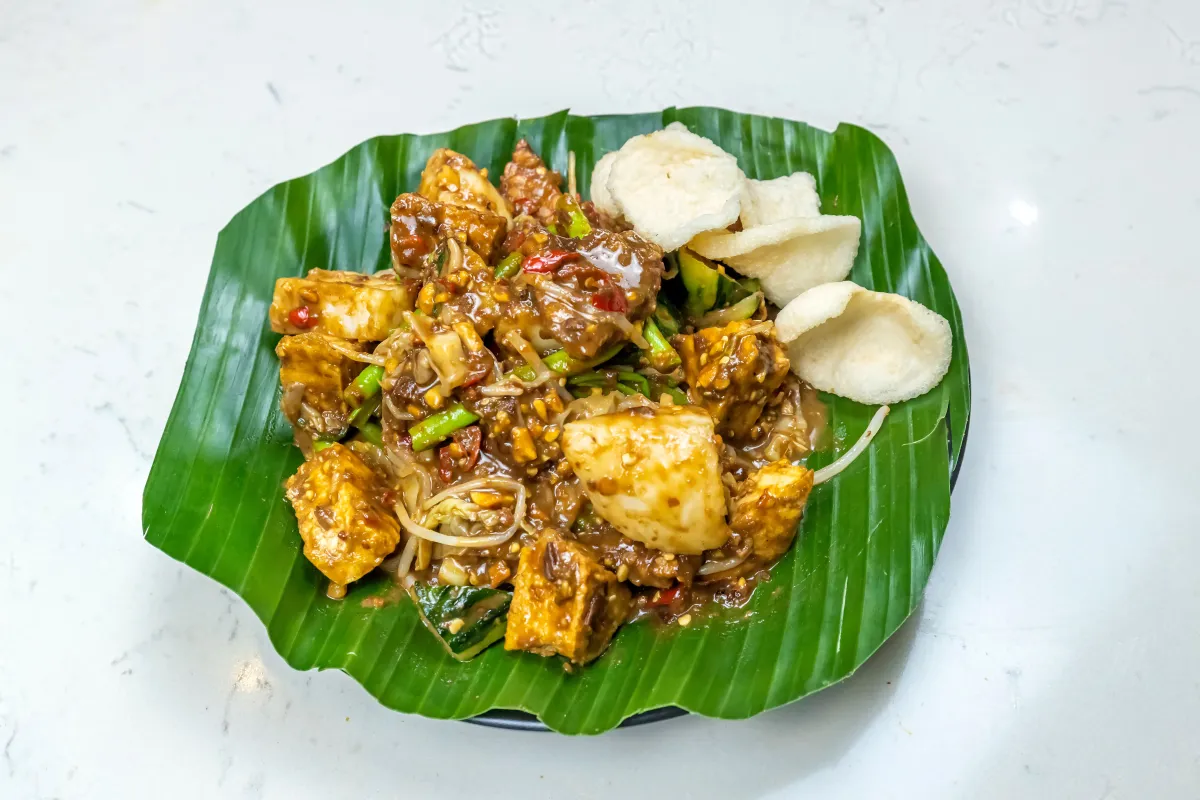
Not every great meal in Java requires a sit-down warung. Tahu campur, a East Javanese street food classic, combines fried tofu, noodles, vegetables, and a savory petis-based sauce (a shrimp paste condiment) into one hearty bowl. It's cheap, filling, and widely available from street carts and small stalls.
Other favorites worth seeking out include tempeh dishes prepared dozens of different ways, gado-gado (a vegetable salad with peanut sauce), and various grilled snacks sold from mobile carts in the evening. If you're also curious how Java's food culture compares to the capital's own traditions, it's worth reading about the authentic Betawi food experience in Jakarta or exploring a broader Jakarta food tour of must-try culinary experiences for context on how Betawi flavors differ from Central Java's sweeter style.
Yogyakarta and Solo remain the two best cities for experiencing javanese traditional food in its most authentic form. Between the two cities, you'll find everything from centuries-old gudeg houses to roadside nasi liwet stalls and goat satay specialists. Traditional markets are also worth a visit, not just for produce but for the small food stalls tucked inside, often serving dishes you won't find in restaurants at all.
For travelers who want a more structured introduction, joining a guided cultural itinerary can make this exploration far easier. The Best of Yogyakarta Tour - 3 Days weaves in cultural stops alongside opportunities to sample local dishes, while a longer journey like the Best of Java 7 Days itinerary covers both Jakarta and Yogyakarta, giving you a fuller picture of how the island's food culture shifts from west to east.
If your trip includes Jakarta before heading to Central Java, it's worth pairing your culinary curiosity with a dedicated food-focused day. The Jakarta Full-day Shopping & Food Culinary Tour is a great way to sample the capital's own flavors before contrasting them with the sweeter, gentler dishes found further east on the island.
For those also interested in the cultural backdrop behind these meals, it's worth reading about Javanese traditional arts and performances, which often accompany festive meals and ceremonies across the region.
Gudeg, a sweet young jackfruit stew from Yogyakarta, is widely considered the most iconic Javanese dish and is often served with rice, chicken, egg, and sambal krecek.
Not typically. Javanese cuisine, especially from Yogyakarta and Solo, tends to be sweet and mild, unlike the spicier dishes found in Sumatra or West Java. Sambal is usually served separately for those who want heat.
Javanese food generally refers to dishes from Central and East Java, such as gudeg and rawon, which favor sweetness and coconut milk. Betawi food comes from Jakarta's native community and includes dishes like soto Betawi and kerak telor, often richer and more heavily spiced.
Yogyakarta and Solo are the best cities for authentic Javanese dishes, with countless warungs and traditional markets. Guided tours like the Best of Yogyakarta 3 Days or Best of Java 7 Days itineraries often include stops at trusted local eateries.
Yes, dishes like gudeg made without meat, tempeh-based dishes, and tahu campur can be adapted for vegetarians, though it's best to confirm with the vendor since some broths use meat stock.
Wedang jahe (ginger tea) and es teh manis (sweet iced tea) are traditional pairings that complement the savory-sweet flavors of Javanese dishes.
Ready to taste these flavors for yourself? Book the Best of Yogyakarta Tour - 3 Days with Ekaputra Tour and let a local guide lead you straight to the warungs, markets, and dishes that make Javanese cuisine so unforgettable.