Main Navigation
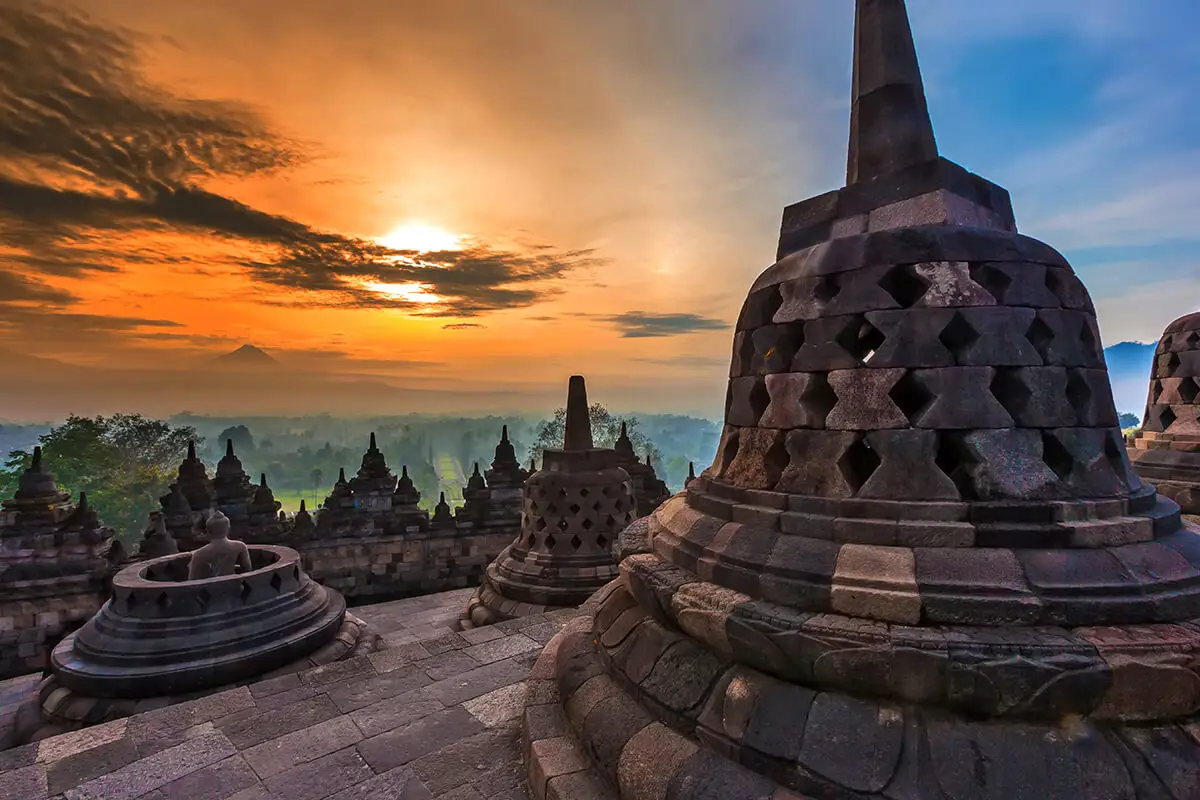
If you are planning your first trip to Yogyakarta's most famous Hindu site, this Prambanan temple visitor guide is designed to make your day smooth and memorable. Prambanan is Indonesia's largest Hindu temple complex, a soaring UNESCO World Heritage masterpiece of stone spires and intricate carvings. Below you will find practical, first-hand style advice covering transport, timing, what to wear and the most common mistakes to avoid.
Prambanan is more than a single temple. The central compound holds the towering Trimurti temples dedicated to Shiva, Vishnu and Brahma, surrounded by hundreds of smaller shrines. The tallest temple reaches nearly 47 meters, and the reliefs along the balustrades tell the epic story of the Ramayana. First-time visitors are often surprised by the scale: the site sprawls across manicured lawns with additional temple groups nearby, so comfortable walking is part of the experience.
Expect crowds during peak hours, a security check at the entrance and a ticket counter where staff will provide a sarong for the temple grounds. If you want a deeper dive into background and history before you arrive, our complete Prambanan temple guide covering history, tickets and best times is a helpful companion to this practical article.
Getting to Prambanan from Yogyakarta is straightforward. The temple sits about 17 km northeast of the city center, roughly a 30 to 45 minute drive depending on traffic. Here are the most reliable options:
For most first-timers, a driver or organized tour removes the guesswork so you can focus on enjoying the site rather than logistics.
A simple loop keeps things easy. After passing the entrance and collecting your sarong, walk straight toward the central compound and the striking Trimurti temples. Take your time here: this is the heart of Prambanan and where the best photos are found. Circle the balustrades to follow the Ramayana reliefs, then step back to appreciate the full skyline of spires.
Once you have explored the center, wander the outer courtyards and, if energy allows, visit the nearby Sewu temple to the north, a beautiful Buddhist complex within the same park. Signage and paved paths guide you throughout, so it is difficult to get lost.
There is no strict formal Prambanan temple dress code, but modest clothing that covers your shoulders and knees is respectful. A sarong is provided at the entrance and must be worn on the temple grounds, so you do not need to bring your own.
Pack light but smart:
Timing shapes your entire experience. The Prambanan temple opening hours typically run from early morning until late afternoon, and the two sweet spots are right after opening and the final hours before closing. Both offer softer, warmer light for photography, cooler temperatures and noticeably thinner crowds compared to the harsh midday peak.
If you are visiting in the dry season, an early start is especially rewarding: the air is fresh and the spires catch the morning glow beautifully.
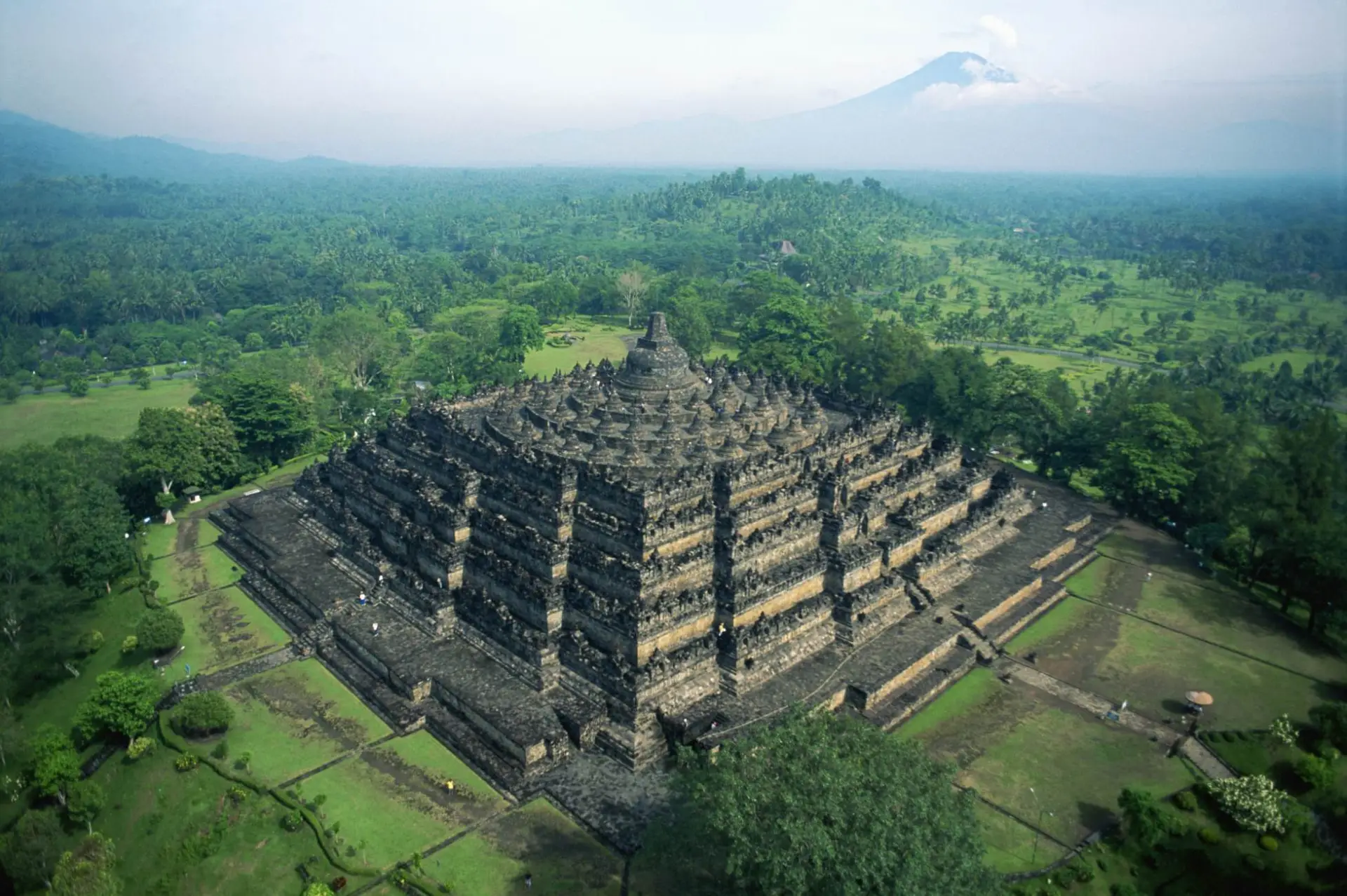
One of the smartest ways to experience Yogyakarta is to see both of its great temples in a single day. Prambanan and Borobudur sit about 1.5 hours apart, and a well-planned itinerary comfortably covers both. Many travelers begin with a Borobudur sunrise and Prambanan day tour, catching the magical morning light at the Buddhist monument before finishing at Prambanan in the afternoon.
If you prefer to actually climb up Borobudur's terraces, the all-inclusive Borobudur climb and Prambanan tour bundles entrance access, transport and guiding into one seamless day. Those with more time can spread things out over the 3-day Best of Yogyakarta tour, which adds the Sultan Palace, Water Castle and local culture.
A few simple missteps can dull an otherwise perfect visit. Keep these Prambanan temple tips for first-timers in mind:
Knowing how to visit Prambanan temple with a little preparation turns a good day into a great one.
Most first-timers need about 2 to 3 hours to explore the main Trimurti temples, walk the outer courtyards and take photos. Add extra time if you plan to see the Ramayana Ballet or nearby smaller temples like Sewu.
There is no strict formal dress code, but modest clothing covering shoulders and knees is respectful. A sarong is provided at the entrance and must be worn inside the temple grounds.
The temple is about 17 km northeast of the city, roughly 30–45 minutes by car. The easiest options are a private driver, a guided tour or the TransJogja bus; ride-hailing apps also work but return trips can be hard to arrange.
Yes. The two sites are about 1.5 hours apart, and many day tours from Yogyakarta cover both, often starting with a Borobudur sunrise and finishing at Prambanan in the afternoon.
Early morning right after opening or the late afternoon before closing are best. These times offer softer light for photos, cooler temperatures and thinner crowds than the midday peak.
Yes, though the site involves a fair amount of walking on uneven stone paths and stairs to enter temples. Bring water, sun protection and take breaks; wheelchair access is limited around the temple interiors.
Ready to experience Prambanan without the logistical stress? Let our local experts handle the driving, tickets and timing so you can simply soak up the wonder. Book the Yogyakarta Sunrise Borobudur and Prambanan Temple tour with Ekaputra Tour and enjoy Indonesia's two greatest temples in one unforgettable day.