Main Navigation
Traveling solo through Indonesia's capital and its cultural heartland is one of the most rewarding ways to experience Java, but it helps to understand how each city behaves differently before you land. This guide breaks down practical, on-the-ground safety tips for women traveling Indonesia, specifically tailored to Jakarta and Yogyakarta, so you can move through both with confidence rather than guesswork.
Jakarta is a sprawling metropolis of over ten million people, with heavy traffic, tall buildings, and a fast pace that can feel overwhelming on your first visit. Yogyakarta, by contrast, is a compact heritage city built around Malioboro Street, university life, and easy access to temples like Borobudur and Prambanan. Is Yogyakarta safe for solo female travelers? Generally yes, and many women find it more relaxing than Jakarta simply because distances are shorter and the pace is gentler. That said, both cities are considered safe for solo travel when you apply the same common-sense habits: trusted transport, awareness of your surroundings, and confidence in public spaces. If you are deciding which city to explore first, this comparison of Yogyakarta versus Jakarta for first-time visitors breaks down the practical differences in more depth.
Domestic flights between Jakarta and Yogyakarta take about an hour and run frequently throughout the day, making them the fastest option. Many solo travelers, however, prefer the executive-class train, which offers assigned seating, comfortable air conditioning, and scenic views of Java's countryside over a roughly seven to eight hour journey. Daytime departures are worth prioritizing so you arrive with daylight left for checking into accommodation and getting oriented. Whichever option you choose, arrange your airport pickup in advance rather than negotiating with unlicensed drivers on arrival. A pre-booked Jakarta airport transfer service connects you directly from Soekarno-Hatta Airport to your hotel with a professional driver, removing one of the more stressful parts of solo arrival.
In Jakarta, central areas like Menteng, Kemang, and the SCBD business district are well-lit, well-patrolled, and popular with expats and business travelers, making them solid choices for solo women. In Yogyakarta, staying near Malioboro Street or the Prawirotaman tourist area puts you within walking distance of restaurants, shops, and other travelers, which adds a natural layer of safety. In both cities, choose accommodation with 24-hour front desk staff, secure key card access, and positive reviews specifically mentioning solo or female guests. Booking.com and similar platforms often let you filter by these details, but a quick read of recent reviews is still the best gut check.
Jakarta's business districts, malls, and upscale cafes are fairly relaxed when it comes to clothing, and you will see a wide mix of Western and modest local styles. Yogyakarta, especially around temple complexes and rural villages, calls for more conscious dressing. What to wear as a solo woman in Yogyakarta comes down to a simple rule: cover your shoulders and knees, and bring a light scarf you can drape over your shoulders if a specific temple or mosque area requires it. Breathable cotton or linen works best given Java's humidity. This same modest approach applies if you join a cultural excursion outside the city, such as a visit to a traditional village, where respectful dress is appreciated by local hosts.
Jakarta's nightlife districts, particularly around SCBD and parts of Kemang, are lively but can have poorly lit side streets once you move away from the main strip. Stick to well-trafficked roads, keep your phone charged, and avoid walking alone in unfamiliar backstreets after dark. Yogyakarta feels noticeably calmer at night, but the same logic applies around Malioboro and quieter residential lanes on the city's outskirts, where street lighting and late-night transport are more limited. In both cities, the safest habit is simply booking a ride before you leave a venue rather than trying to hail one on the street.
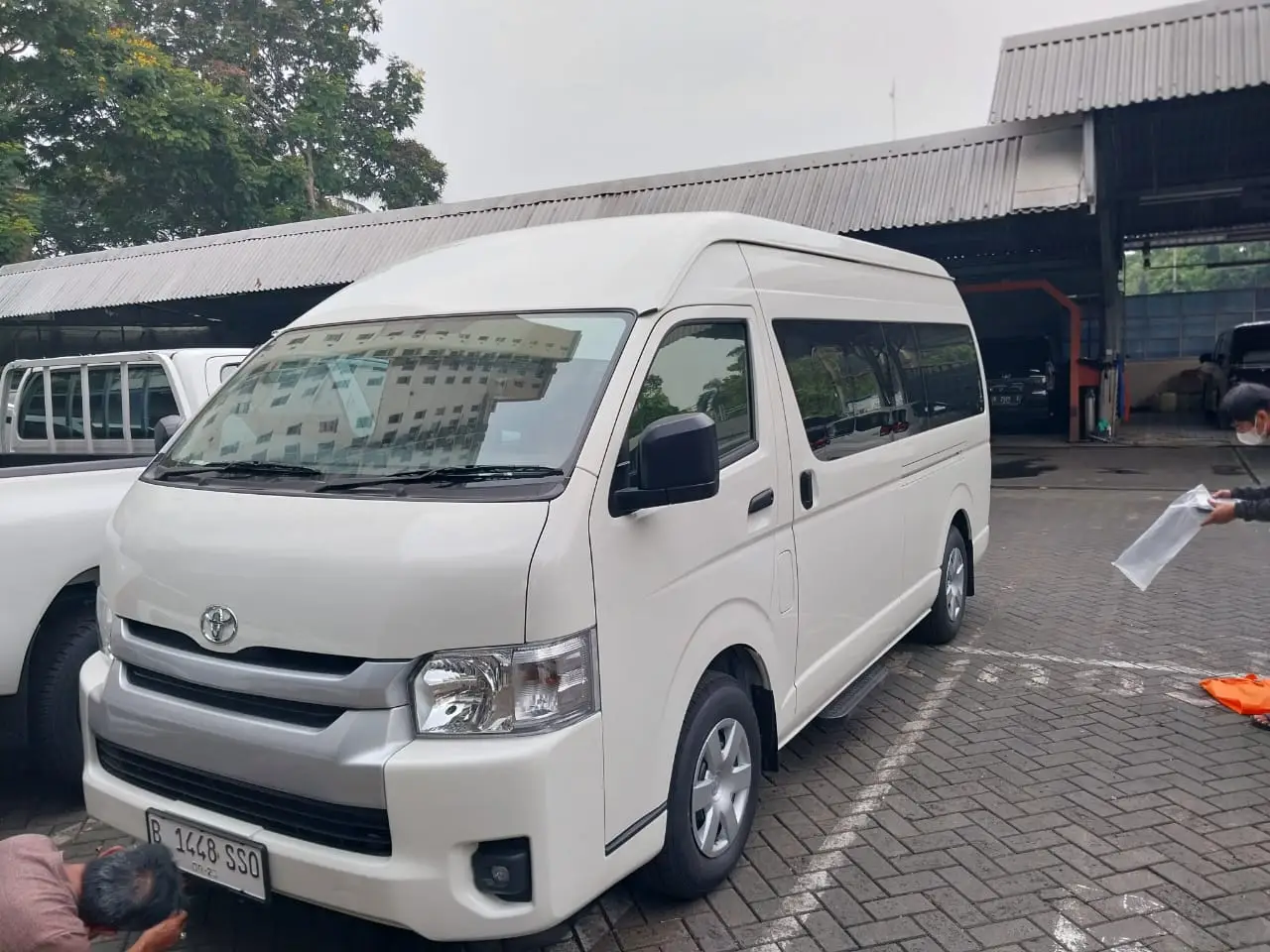
Ride-hailing apps like Gojek and Grab are the backbone of safe solo transport in Indonesia, since every trip is tracked with driver and vehicle details visible in the app. For added flexibility in Jakarta, especially if you are covering multiple landmarks in one day or heading out for business meetings, a private car charter with an English-speaking driver removes the guesswork of navigation and language barriers entirely. If you would rather explore with local insight than sit in traffic alone, a guided half-day option is also worth considering.
For day trips further afield, such as visiting the Baduy tribe in Banten or Java's countryside, having a private driver handle logistics is far more practical than relying on public transport alone, particularly if you are traveling solo.
Save Indonesia's emergency number (112) in your phone, along with your embassy's local contact and your accommodation's address in Bahasa Indonesia for easy communication with drivers. Travel insurance that covers medical evacuation is strongly recommended given the distances between major hospitals and more remote sites like Borobudur. Carry basic medications, a rehydration solution for Java's heat, and hand sanitizer, and drink only bottled or filtered water throughout your trip. If you are researching entry requirements before you go, the guide to Indonesia visa on arrival for Jakarta and Yogyakarta covers what documentation to prepare in advance.
For a fuller day-by-day breakdown of combining both destinations, this Jakarta and Yogyakarta 7 to 10 day itinerary pairs well with the safety habits above, and if you want Jakarta-specific detail on neighborhoods and daily logistics, the complete guide to solo travel in Jakarta is a useful companion read.
Yogyakarta is generally calmer and more walkable than Jakarta, with slower traffic and a strong tourist infrastructure, but both cities are considered safe if you take standard precautions like using trusted transport and avoiding poorly lit areas at night.
The daytime executive-class train is comfortable, scenic, and safe with assigned seating, while flights are faster; either option works well for solo travelers, though daytime departures are preferable for easier onward transport.
Cover shoulders and knees, bring a scarf for shoulder coverage if needed, and choose breathable fabrics, since temple complexes and rural areas expect more modest dress than central Jakarta.
Yes, ride-hailing apps like Gojek and Grab are widely used and generally safe for solo women, since trips are tracked with driver details, though sharing your live location with someone you trust adds an extra layer of security.
In Jakarta, avoid poorly lit backstreets and quiet stretches near nightlife districts after hours, while in Yogyakarta stick to well-traveled roads around Malioboro and your accommodation, since rural outskirts have limited lighting and transport after dark.
A private English-speaking driver or half-day local host is not mandatory but is a practical safety upgrade for solo women, especially for late-night airport transfers, day trips outside the city, or navigating unfamiliar neighborhoods.
Ready to put these safety habits into practice? Start your trip on solid ground with a pre-arranged Jakarta airport transfer and travel through both cities with the confidence that comes from good planning.