Main Navigation
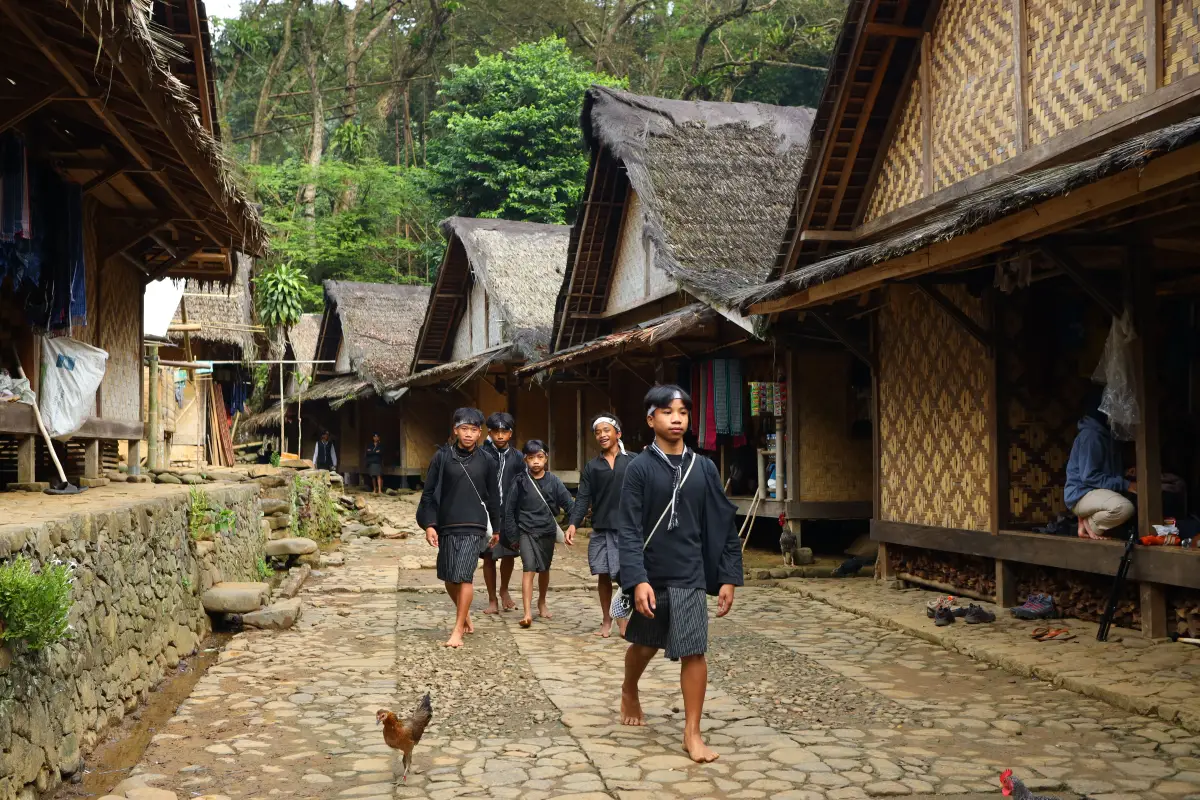
If you have ever wandered through a Bandung cultural festival or watched a Sundanese wedding procession, you have probably noticed a look that feels distinct from the batik-heavy elegance of Central Java. Sundanese traditional clothing tells its own story, one shaped by highland villages, rice farming communities, and a martial arts heritage that still runs deep in West Java today. This guide walks you through what these garments are, how they differ between men and women, when they are worn, and where you can still see them in daily life.
Sundanese clothing West Java refers to the traditional garments worn by the Sundanese, the ethnic group native to the highlands of West Java, including Bandung, Bogor, and the surrounding regency towns. Unlike the ornate, layered court dress associated with the sultanates of Yogyakarta and Surakarta, Sundanese attire grew out of an agrarian and hill culture rather than a royal palace. The result is clothing that tends to be looser, more practical, and less encumbered by strict hierarchical rules, though it is no less rich in symbolism.
At its core, Sundanese dress is built around a handful of signature pieces: the pangsi for men, the kebaya Sunda for women, and the iket Sunda headcloth worn by both, though most commonly associated with men. Together these garments express identity, occupation, and even spiritual belief, all while remaining comfortable enough for daily agricultural work or a lively street festival.
The pangsi Sunda is perhaps the most recognizable garment in Sundanese men's fashion. It consists of a loose, long-sleeved top paired with matching wide-legged trousers, traditionally made from black or dark-colored cotton. The looseness is intentional: pangsi has long been associated with pencak silat, the indigenous martial art of the archipelago, and needs to allow free movement during training and performance. A cloth sash is often tied around the waist, both for practicality and as part of the overall silhouette.
The kebaya Sunda, worn by women, is a fitted blouse typically made of lightweight fabric such as brocade or lace, paired with a batik sarong wrapped around the lower body. Compared to the kebaya styles of Central Java, the Sundanese version often features brighter colors and slightly simpler embroidery, echoing the region's more relaxed cultural tone. It is commonly finished with a selendang, a long scarf draped over one shoulder, used in traditional dances as much as in daily ceremonial wear.
Then there is the iket Sunda headwear, a square piece of batik or plain cloth folded and tied around the head in various distinctive styles. Far from being a simple accessory, the way an iket is knotted has historically carried meaning, sometimes hinting at a wearer's home village, profession, or role within the community. Even today, you will spot different iket styles worn by farmers, artists, and cultural performers around Bandung.
While both men's and women's Sundanese clothing share a common design philosophy of comfort and simplicity, the details diverge in interesting ways. Men's pangsi is almost always dark and unadorned, prioritizing function, especially for those connected to martial arts traditions. The iket headcloth is the standout accessory, adding personality and regional identity to an otherwise minimalist outfit.
Women's kebaya Sunda, by contrast, leans into color and texture. Floral batik sarongs, delicate lace blouses, and jewelry such as simple gold accessories or flower hairpins are common, especially for formal occasions like weddings. Where men's dress signals strength and groundedness, women's attire tends to emphasize grace and elegance, though both share the same underlying Sundanese aesthetic of understated beauty rather than opulence.
You will most often see full Sundanese traditional dress at life-cycle ceremonies: weddings, circumcision rites, and traditional harvest celebrations known as seren taun. Wedding processions in particular showcase the clothing at its finest, with brides in embroidered kebaya and grooms in a formal, sometimes lighter-colored version of the pangsi, occasionally paired with a more elaborate iket.
Cultural festivals and pencak silat performances are another common setting, where the martial arts connection to pangsi is on full display. Local government events, school cultural days, and tourism showcases around Bandung also regularly feature Sundanese dress, keeping the tradition visible to younger generations and visitors alike.
Color in Sundanese clothing is rarely arbitrary. Black, the dominant shade for pangsi, is tied to humility, strength, and the pencak silat tradition, where practitioners often prefer understated colors that reflect discipline rather than display. White is reserved for more spiritual or ceremonial contexts, symbolizing purity. In contrast, the kebaya Sunda embraces a wider palette, with warm reds, soft pastels, and floral batik patterns chosen to reflect joy and celebration, especially during weddings.
Fabric choices matter too. Everyday pangsi is typically simple cotton, chosen for durability and breathability in West Java's tropical climate. Ceremonial kebaya, meanwhile, may use brocade, lace, or fine batik cotton, elevating the outfit for formal occasions. If you are curious how these choices compare to other regions, it is worth reading about where to buy Javanese traditional clothing for a sense of how batik traditions differ across Java.
Bandung and its surrounding towns remain the best places to encounter authentic Sundanese dress firsthand. Village wedding processions, cultural centers, and traditional dance performances regularly showcase pangsi, kebaya Sunda, and iket headwear in their proper context. Museums and heritage parks dedicated to Sundanese culture also display historical garments alongside explanations of their symbolism.
If you are exploring Indonesia's cultural diversity more broadly, pairing a Sundanese cultural stop with a visit to Jakarta's own heritage sites is worthwhile. The full-day Indonesia culture and traditional house tour in Jakarta is a great way to see traditional dress and architecture from across the archipelago in a single day, giving useful context before heading into West Java itself.
For travelers who want a deeper dive into traditional dress Bandung style, joining a guided multi-day tour that combines Jakarta and West Java is one of the easiest ways to see Sundanese culture up close, without having to piece together transportation and local contacts on your own.
These itineraries typically combine Jakarta's landmarks with Bandung's cooler mountain scenery, colonial architecture, and cultural experiences, giving you natural opportunities to encounter Sundanese dress at markets, cultural centers, or local events along the way. If you are also interested in shopping for textiles and traditional wear, our guide to traditional markets in Jakarta is a helpful companion read before you travel.
Sundanese clothing from West Java, like the pangsi and kebaya Sunda, is generally simpler and looser than the batik-heavy court dress of Central and East Java, reflecting a farming and hill culture rather than a royal palace tradition.
Pangsi is the traditional men's outfit consisting of a loose long-sleeved top and matching wide trousers, usually in black or dark colors, often worn with a sash and associated with martial arts (pencak silat) practitioners.
Iket Sunda is a square cloth folded and tied around the head in distinct styles; the way it's knotted can historically indicate a person's village origin, occupation, or social role within Sundanese society.
Yes, many cultural venues and photo studios in Bandung and nearby towns rent pangsi, kebaya Sunda, and iket sets for visitors who want photos or to join local ceremonies respectfully.
Village ceremonies, wedding processions, and cultural centers around Bandung still feature authentic Sundanese dress, and joining a guided West Java tour makes these encounters easier to find and understand.
Ready to see Sundanese traditional clothing and culture in person? Book the Jakarta to Bandung 5-day tour with Ekaputra Tour and let a local guide show you West Java's living traditions up close.