Main Navigation

If you are planning a trip to Jakarta, Bali, or anywhere else in the archipelago, one question tends to come up right after you book your flights: do you actually need travel insurance for Indonesia? The short answer is that it is not legally required, but the longer answer explains why almost every seasoned traveler buys it anyway. This guide breaks down the rules, the risks, and what to look for in a policy before you land.
As of now, Indonesia's immigration authorities do not ask tourists to show proof of travel insurance when applying for a visa-on-arrival or an e-visa. There is no checkpoint at the airport that will turn you away for lacking coverage, and it is not part of the standard entry requirements alongside your passport and return ticket.
That said, immigration policies across Southeast Asia have shifted before, and some neighboring countries have introduced insurance requirements in recent years. It is worth double-checking the official visa requirements shortly before you fly, just in case Indonesia follows suit. For now, though, the absence of a legal requirement does not mean the absence of risk.
Ask any frequent visitor to Indonesia why they carry travel insurance and the answer usually comes down to peace of mind against unpredictable costs. Indonesia is a huge country spread across thousands of islands, and healthcare quality, transport reliability, and emergency response times vary enormously between Jakarta's modern hospitals and more remote regions.
Flights get delayed, bags go missing, motorbikes skid on wet roads, and stomachs occasionally rebel against unfamiliar street food. None of these are exotic risks specific to Indonesia, but they are common enough that experienced travelers treat insurance as a basic cost of doing business, similar to budgeting for cash or a local SIM card. Speaking of preparation, it is also worth reading up on how much cash you really need in Indonesia and what tourists always forget to pack so you arrive genuinely ready, not just insured.
Not all policies are created equal, and the cheapest option online often has gaps that only become obvious when you need to file a claim. When comparing plans for a Bali or Jakarta trip, look for these core protections:
A policy that ticks all these boxes is generally considered the best travel insurance for a Bali or Jakarta trip, since it addresses both the everyday inconveniences and the genuinely serious scenarios.
In practice, most claims are not dramatic. Tourists commonly use their insurance for food poisoning that requires an IV drip at a clinic, a sprained ankle from uneven pavement, a missed flight due to Jakarta traffic, or a phone stolen from a beach bag. Private hospitals in Jakarta and Bali are excellent but expensive, and many will not treat you without either insurance details or a card on file.
Trip interruptions also happen more often than people expect, whether from volcanic ash affecting flights or sudden illness back home. Having a policy that covers cancellation costs can save you from losing the money already spent on tours, hotels, and transport.
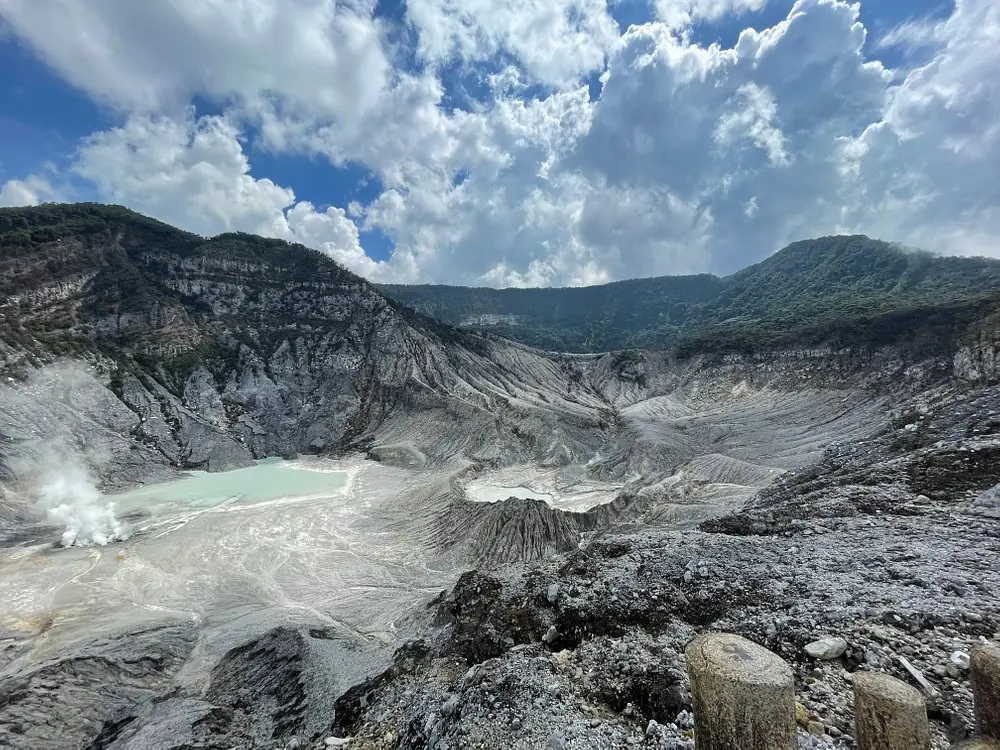
Indonesia's biggest draws are also its biggest insurance blind spots. Scuba diving around coral reefs, volcano trekking, and jungle hikes are frequently classified as adventure sports and excluded from basic travel policies. If your itinerary includes anything like a hike through West Java's rainforest or a visit to remote villages, check whether your plan has an adventure activity add-on.
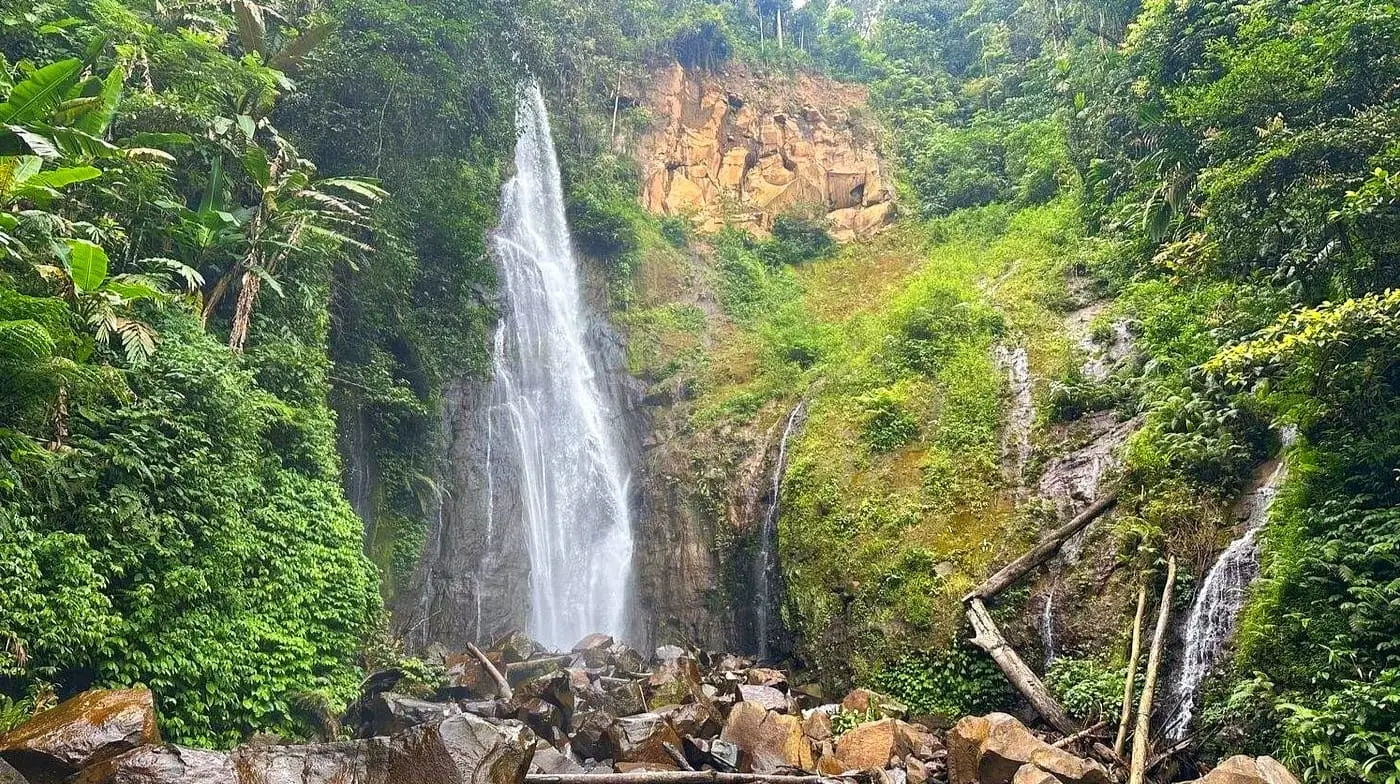
This matters even for cultural experiences that involve walking through forested terrain, such as a Baduy tribe village trekking tour or a hike to a hidden waterfall in Bogor. Motorbikes deserve special mention too: many policies exclude scooter accidents unless you hold a valid international driving permit and the correct license class. Given how common motorbike rentals are for tourists, this is one exclusion worth reading twice.
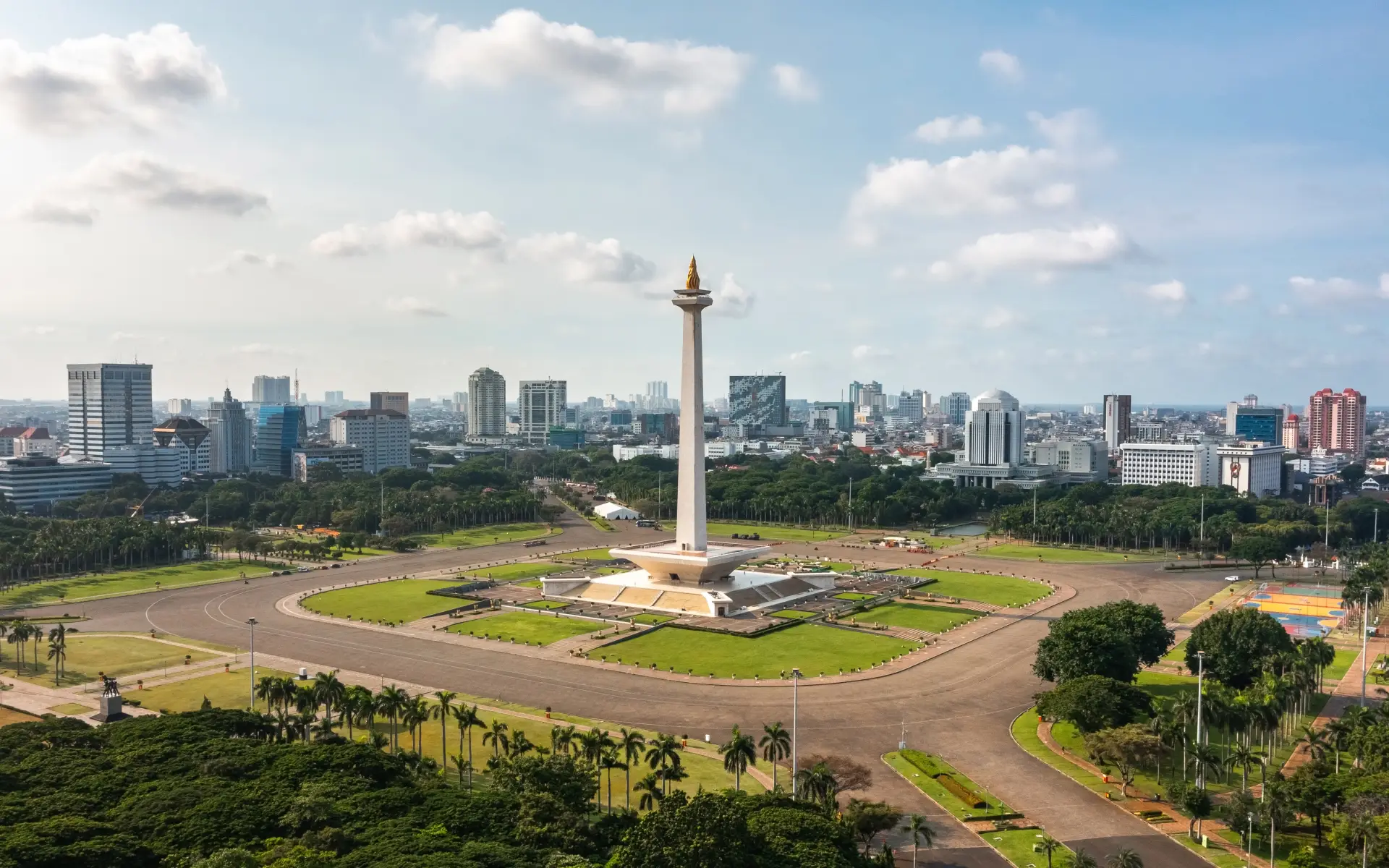
If navigating unfamiliar roads sounds stressful, consider skipping the motorbike altogether. A private car charter with an English-speaking driver removes that risk entirely while still getting you around Jakarta comfortably.
Start by listing the activities you actually plan to do, then match a policy to that list rather than picking the first cheap option you see. If you are combining cultural sightseeing with something more physical, like the rainforest hike to a hidden waterfall near Bogor, make sure adventure coverage is included, not just assumed.
Check the medical coverage limit carefully. Anything under 50,000 USD may sound like plenty until you consider evacuation costs from a remote island. Also read the fine print on pre-existing conditions, since many policies exclude flare-ups of conditions you had before buying the plan.
Even a strong policy has limits. Most travel insurance will not cover routine dental cleanings, cosmetic procedures, injuries sustained while intoxicated, or losses from activities explicitly excluded in your plan, like unlicensed motorbike riding. Claims are also commonly denied when travelers cannot produce receipts, police reports for theft, or medical documentation, so keep paperwork organized during your trip.
It is also worth remembering that insurance is one piece of a larger preparation puzzle. Staying connected with a reliable eSIM or local SIM card can make it much easier to contact your insurer or a hospital quickly if something goes wrong.
No, Indonesia does not currently require proof of travel insurance for tourist visa or visa-on-arrival entry. However, immigration policies can change, so it's worth checking before you fly.
You'll likely need to pay upfront in cash or by card, especially at private hospitals. Costs for serious treatment or evacuation can run into thousands of dollars, which is why insurance is strongly recommended even though it's not legally required.
Many standard policies exclude motorbike injuries unless you hold a valid international driving permit and the correct motorcycle license class, and sometimes only if you wear a helmet. Always check this exclusion specifically before renting a scooter.
Yes. Activities like scuba diving, volcano trekking, or jungle hiking are often classified as "adventure sports" and excluded from basic plans. Look for a policy with an adventure activity add-on if you plan to dive or hike in places like the Baduy villages or volcanic areas.
Only if your policy explicitly includes medical evacuation. This matters most if you're traveling beyond Jakarta or Bali, since advanced treatment may require an emergency flight to a major city hospital.
Some providers allow it, but coverage is usually limited and pre-existing conditions or incidents before purchase are excluded. It's best to buy your policy before departure for full protection.
Once your insurance is sorted, the fun part begins: planning what to actually see. If a guided cultural deep-dive into Jakarta and beyond sounds appealing, take a look at the full-day Indonesia culture and landmark tour and let Ekaputra Tour handle the logistics while you focus on the experience.