Main Navigation
Visiting the Baduy tribe from Jakarta is not your typical day trip. There are no souvenir stalls, no wifi, and no itinerary that runs strictly on schedule. Instead, you get a rare, unfiltered look at a community that has deliberately stayed outside the modern world for generations. If you are curious about what that experience actually feels like on the ground, here is an honest guide to help you prepare.
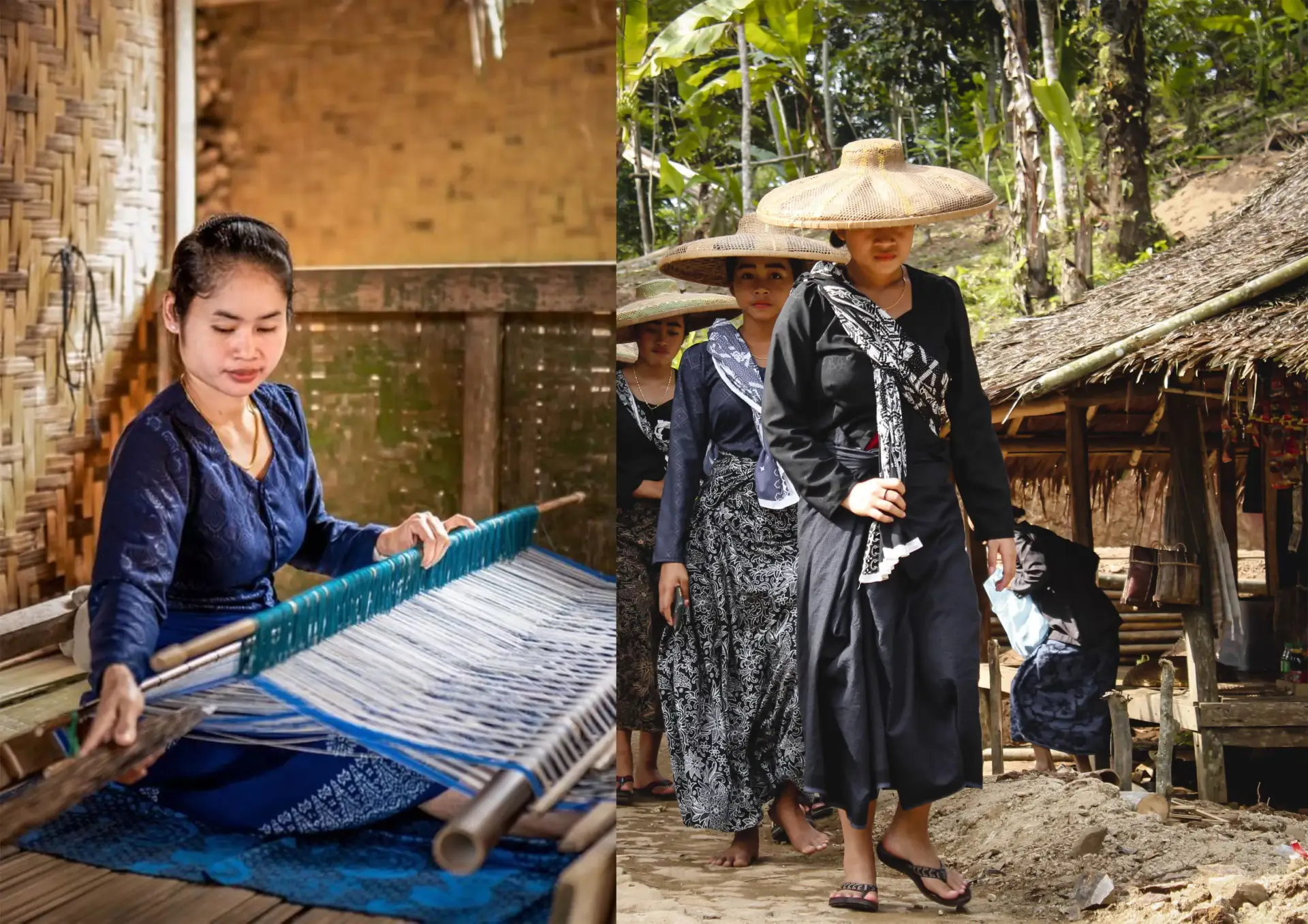
The Baduy are an indigenous community living in the hills of Lebak, Banten, only a few hours from the capital yet worlds away from it in lifestyle. They are split into two main groups: the Inner Baduy, who live by strict customary law and reject electricity, motor vehicles, and most modern goods, and the Outer Baduy, who interact more with the outside world while still honoring traditional values. People travel here not for luxury or convenience, but for the chance to witness a self-sustaining culture that has resisted outside influence for centuries. It's this rare authenticity that makes a Baduy tribe day trip so compelling for travelers who want more than a photo backdrop.
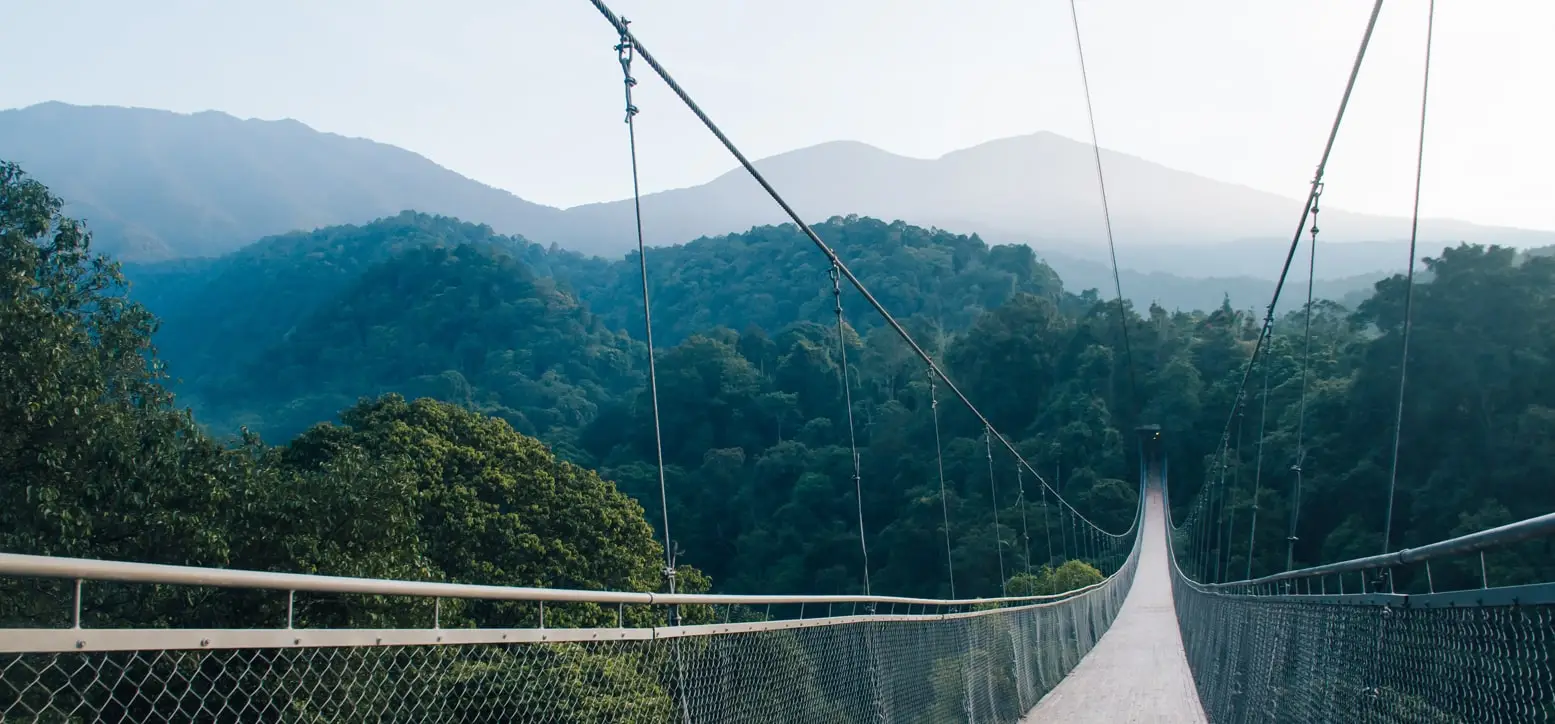
Getting to Baduy territory starts with a road journey from Jakarta into the hills of Banten, typically taking 4-5 hours depending on traffic and your starting point. From the drop-off point, the real adventure begins: a trek on foot that can last anywhere from 1 to 3 hours, depending on which village you're visiting. Expect narrow dirt paths, small wooden bridges, river crossings, and gentle to steep inclines through rice fields and forest. It's not a technical hike, but it is a genuine walk, not a stroll, so pace yourself and take breaks when needed.
Understanding Baduy tribe rules and etiquette before you arrive is essential, both for your own comfort and out of respect for the community. Some key customs for visitors include:
These aren't arbitrary restrictions. They reflect a worldview built around simplicity and harmony with nature, and respecting them is part of what makes the experience meaningful rather than intrusive.
Most overnight visits include a stay in a host family's traditional wooden house, sleeping on a mat on the floor alongside other travelers. Meals are simple and homemade: rice, vegetables, and basic side dishes cooked over a wood fire. Don't expect variety or spice-heavy dishes, this is village food, made with what's available locally. Days start early, often before sunrise, and wind down not long after dark since there's no electric lighting in Inner Baduy areas. It's a slower, quieter rhythm that many visitors find surprisingly restorative after Jakarta's noise and pace.
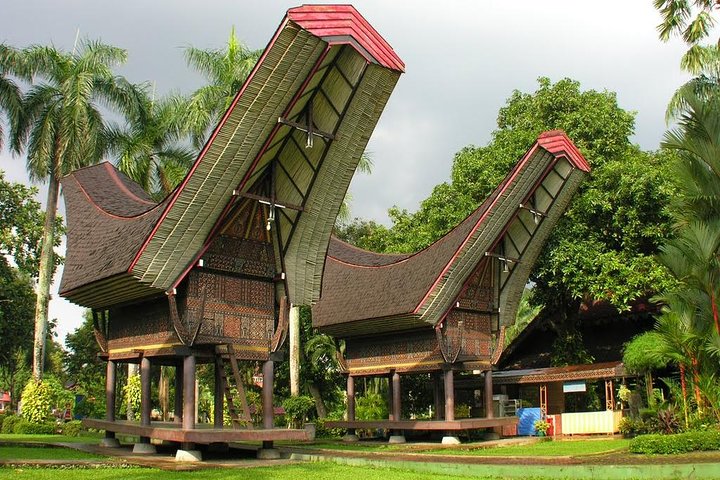
If you'd rather ease into cultural travel before committing to an overnight village stay, a half-day visit to Taman Mini Indonesia Indah offers a gentler introduction to Indonesia's diverse traditions.
Banten's hill country is humid year-round, with the wet season (roughly November to March) turning trails muddy and slippery. Even in the dry season, expect heat, uneven ground, and occasional steep sections. This is not a wheelchair-accessible or stroller-friendly destination, and there are no paved paths or handrails. Sturdy, closed-toe walking shoes are non-negotiable, and a light rain jacket is wise regardless of season.
One of the most important things to know before visiting is where technology is and isn't welcome. In Outer Baduy villages, photography is usually permitted, though always ask your guide or hosts first. In Inner Baduy territory, cameras, phones, and any recording devices are strictly forbidden, in line with the community's rejection of modern technology altogether. Respecting this isn't optional, it's the foundation of being allowed to visit at all.
For a curated, guide-led experience that navigates these boundaries properly, the Jakarta Baduy tribe village trekking tour is designed specifically around respectful access to both Outer and Inner Baduy areas.
A Baduy village trekking experience suits travelers who want cultural depth over comfort. It's a strong fit if you're reasonably fit, genuinely curious about indigenous lifestyles, and comfortable with basic accommodations and no modern amenities for a day or two. It's less suited for those seeking a relaxed, air-conditioned sightseeing day. If you want something equally rewarding but physically gentler, our full-day Indonesia culture and landmark tour covers meaningful cultural ground without the trek.
For a deeper look at logistics and planning, our detailed guide on how to visit Indonesia's last traditional tribe is a useful companion read before you book.
The Baduy area in Banten province is roughly 4-5 hours by road from Jakarta, followed by a trek of 1-3 hours on foot depending on which village you visit.
Photography is generally allowed in Outer Baduy villages but strictly forbidden in Inner Baduy territory, where residents avoid modern technology entirely.
Wear modest, dark-colored clothing that covers shoulders and knees, and bring sturdy walking shoes since the trails are uneven and often muddy.
Basic meals like rice, vegetables, and simple side dishes are usually provided by the host family, but bringing extra snacks and a refillable water bottle is recommended.
Yes, overnight stays in a host family's home are common and generally safe when arranged through a knowledgeable local guide who understands community customs.
The trek can be physically demanding with hills and no paved paths, so it's best suited for reasonably fit travelers; families should ask guides about easier village options.
Ready to experience one of Indonesia's most authentic cultural journeys firsthand? Book the Jakarta Discover the Indigenous Baduy Tribe & Village Trekking tour with Ekaputra Tour and let a knowledgeable local guide walk you through it, respectfully and safely.