التنقل الرئيسي
Jakarta is often seen as a sprawling modern metropolis, but beneath the skyscrapers lies a rich tapestry of colonial history, revolutionary spirit, and ancient maritime heritage.
For international travelers looking to uncover the soul of Indonesia, the capital offers an incredible journey through time that rivals any other heritage destination in Southeast Asia.
Whether you are a history buff or a casual explorer, navigating the city's past requires a bit of local insight to truly appreciate the architecture and stories.
To get the most out of your journey, checking a Jakarta city tour guide is the best way to ensure you do not miss the hidden stories behind the weathered stone walls.
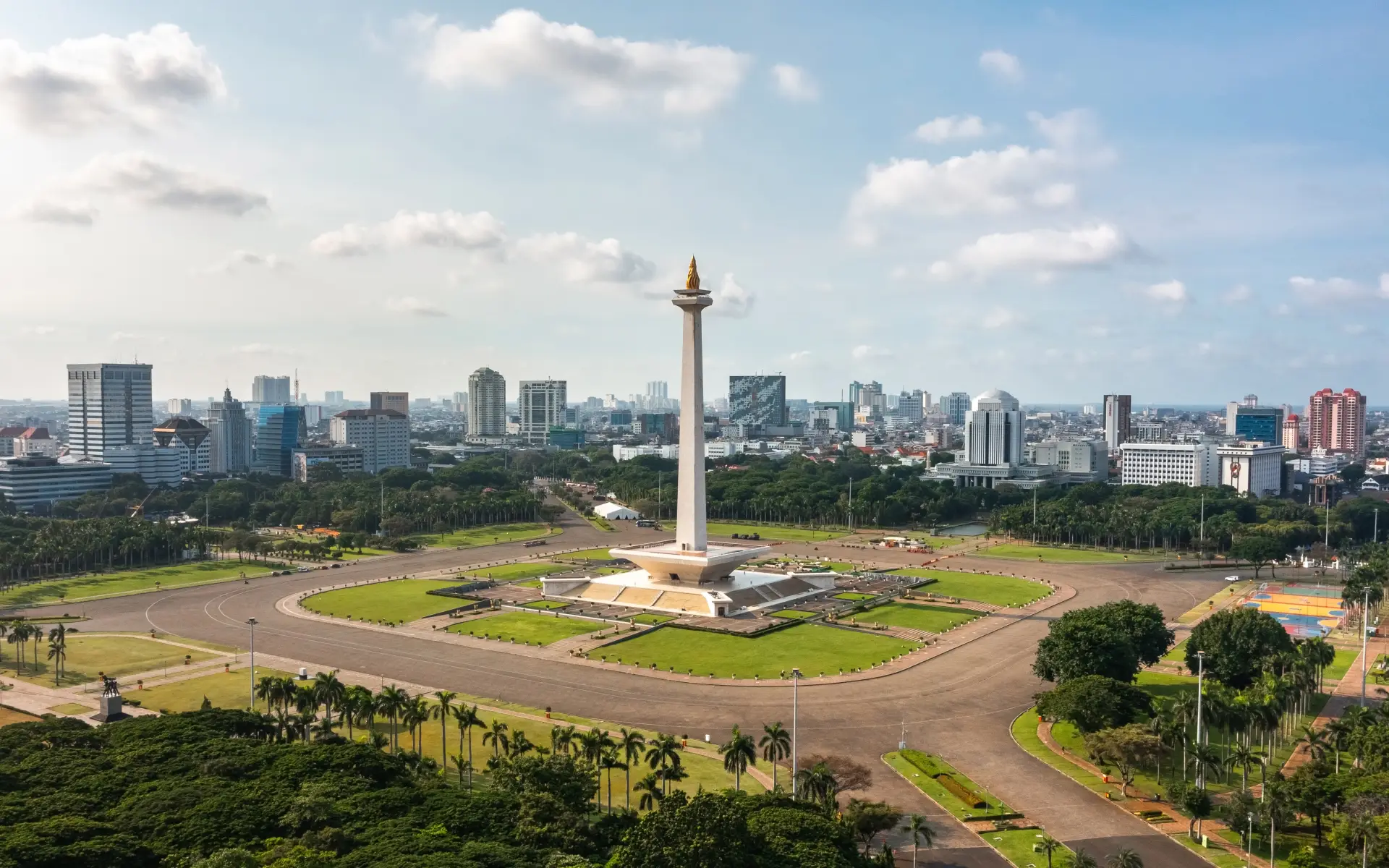
Standing tall at 132 meters in the center of Merdeka Square, the National Monument (Monas) symbolizes the Indonesian struggle for independence.
The flame at the top is coated with 35 kilograms of gold foil, representing the eternal spirit of the nation and its people.

Before you head to the observation deck for a panoramic view of the skyline, take a moment to explore the National History Museum in the base of the monument.
This area provides Monas area details through 51 meticulously crafted dioramas that depict Indonesia’s journey from prehistoric times to the modern era.
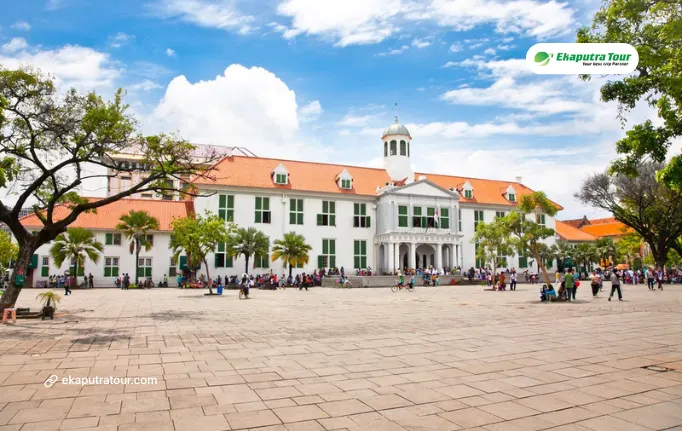
Kota Tua, or the Old Town, is a remnant of the Dutch colonial headquarters in Asia. Walking through the cobblestone streets of Fatahillah Square feels like stepping back into the 17th century.
Surrounded by preserved European architecture that once earned the city the nickname "The Pearl of the Orient."

This district is the absolute centerpiece of any cultural itinerary in the capital. If you are planning a visit, our complete Kota Tua guide covers everything from the best photo spots to the famous Onthel (vintage) bike rentals that allow you to cruise the square in style.
Located within the heart of Kota Tua, Museum Fatahillah (Jakarta History Museum) served as the former Stadhuis or City Hall.
Nearby, Museum Bank Indonesia offers a surprisingly high-tech look at the nation's economic history inside a stunning neo-classical building that was once the central bank of the Dutch East Indies.

These museums offer deep cultural experiences at sites that once served as the administrative brain of the colony.
Exploring the underground dungeon at Fatahillah is a somber but necessary reminder of the city's complex and often turbulent past.
Positioned directly across from each other, these two landmarks represent Indonesia’s national philosophy of "Bhinneka Tunggal Ika" (Unity in Diversity).
The Istiqlal Mosque is the largest in Southeast Asia, while the Jakarta Cathedral is a masterpiece of neo-gothic architecture with soaring spires.

Visiting these sites back to back is a highlight of most quick historical highlights tours.
It provides a unique perspective on the religious harmony and tolerance that defines modern Jakarta, showing how different cultures coexist in one space.
Once a Dutch cemetery for the elite known as Kerkhoflaan, Taman Prasasti is now an open-air museum filled with ornate 18th-century headstones and sculptures.
It is one of the most quiet, atmospheric, and hauntingly beautiful spots in the city.

This site is perfect for those who enjoy photography and unusual history away from the crowds.
Many visitors combine this with a look at Menteng colonial buildings to see how European residential influence evolved over the centuries in Jakarta.
This monument marks the exact location where Soekarno and Hatta declared Indonesia's independence on August 17, 1945.

The site features two large statues of the founding fathers and a central stone pillar that stands as a testament to the birth of a new nation.
While it is a shorter stop compared to the museums, it is essential for any full-day historical tour. It offers a stark contrast to the colonial sites by focusing on the local triumph and the end of foreign rule.
The VOC Shipyard (Galangan VOC) and the nearby Sunda Kelapa port are where the story of Jakarta truly began as a global trading hub.
At the port, you can still see traditional Pinisi wooden schooners being loaded by hand, just as they have been for hundreds of years.

The shipyard ruins nearby offer a glimpse into the maritime logistics and ship maintenance of the 1600s.
To see these docks and the old spice warehouses properly, many travelers prefer to work with heritage tour operators who can arrange safe access and insightful storytelling.
Navigating Jakarta’s traffic and diverse historical sites can be a challenge for first-time visitors or foreign travelers.
Choosing a structured itinerary ensures you see the most significant landmarks efficiently without the stress of managing transport.
We offer various heritage packages tailored to different interests, ranging from half-day trips to a comprehensive 3-day historical sites experience.
Our guided historical tours provide professional insights that you simply won't find in a standard guidebook, helping you plan historical tour from start to finish.
Jakarta is a city of layers, and we are ready to help you peel them back to reveal the incredible history beneath. From the spice trade era to the modern republic, every corner of this city has a story to tell.