التنقل الرئيسي
Jakarta is often associated with traffic, business districts, and modern skyscrapers, but behind the fast pace of the capital lies a different side of the city.
In many neighborhoods, small streets, historic buildings, and long-standing communities quietly preserve stories that date back hundreds of years.
These places may not always appear on typical tourist itineraries, yet they offer some of the most authentic insights into how Jakarta grew from a colonial trading port into the multicultural city it is today.
Exploring these corners allows travelers to experience Jakarta beyond its well-known landmarks.
Each district reflects a different period in history, shaped by trade, migration, urban planning, and cultural exchange.
Visiting several of these areas in one journey creates a more complete understanding of the city’s character and historical depth.
Large monuments often represent major historical moments, but smaller neighborhoods reveal how people actually lived, worked, and built communities across generations.
In Jakarta, many historic districts still maintain their original street patterns, architecture, and local businesses, offering a glimpse into daily life from earlier periods.
These preserved areas are not only historically important but also culturally alive.
Traditional markets continue operating, heritage food vendors remain popular with locals, and historic residential zones still function as active neighborhoods.
Because of this, visiting these corners is not just about seeing old buildings; it is about experiencing living history that continues to shape Jakarta today.
Across Jakarta, several neighborhoods stand out for their strong historical identity.
Each area represents a different chapter in the city’s development, making them ideal stops for travelers who want to understand Jakarta more deeply.
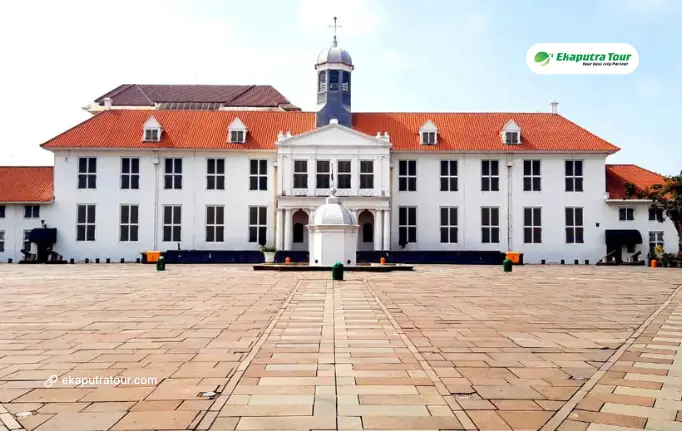
Kota Tua is widely known as Jakarta’s historic old town, but the real character of the area often appears beyond the main square.
In the smaller surrounding streets, visitors can still find rows of colonial-era buildings that once functioned as offices, warehouses, and trading centers during the Batavia period.
The architecture, with its tall windows, thick walls, and European-style façades, reflects the city’s role as one of Southeast Asia’s most important ports in the past.

Walking through these quieter streets gives a clearer sense of the area’s original atmosphere.
Some buildings have been restored, while others remain aged but authentic, creating a visual contrast that tells the story of how the district evolved over time.
For travelers interested in history and photography, these hidden corners of Kota Tua often become some of the most memorable parts of the visit.
Explore top landmarks with Jakarta: Private Full-day Guided Tour Explore The Highlights Place. A private guide supports your pace and interests.
Located not far from Kota Tua, Glodok is known as Jakarta’s Chinatown and has long been one of the city’s busiest cultural and trading centers.
The area reflects centuries of migration, commerce, and cultural exchange, visible in its historic temples, traditional shop houses, and long-established family-run businesses.
Walking through Glodok’s narrow streets reveals a neighborhood that still maintains strong cultural traditions while continuing to adapt to modern life.

One of the highlights of visiting Glodok is its culinary heritage. Many eateries in the area have been operating for decades, serving dishes that have become part of Jakarta’s culinary identity.
From traditional noodle dishes and herbal drinks to classic coffee shops and street snacks, the food scene here reflects the blending of Chinese and Indonesian influences.
For many visitors, exploring Glodok’s culinary spots becomes an essential part of understanding the neighborhood’s history and community life.
Menteng represents a different phase of Jakarta’s historical development.
Built in the early twentieth century as a planned residential district, the area was designed with wider streets, organized layouts, and spacious houses surrounded by greenery.
Today, Menteng remains one of the best-preserved historical residential neighborhoods in Jakarta, offering a quieter atmosphere compared to the city’s commercial districts.

In addition to its architecture, Menteng occasionally hosts weekend flea markets and community bazaars that bring a lively cultural element to the neighborhood.
Visitors can often find vintage goods, second-hand books, handmade crafts, and local collectibles, creating a unique mix of history and contemporary lifestyle.
These small events reflect how historic districts continue to evolve while still maintaining their original charm.
Exploring several historic neighborhoods across Jakarta in one trip can be challenging without a well-planned route, especially considering the city’s size and traffic conditions.
A structured full-day itinerary allows travelers to visit key heritage districts such as Kota Tua, Glodok, and Menteng more efficiently while still enjoying each destination at a comfortable pace.
For a practical option, Jakarta Full Day Tour by Ekaputra Tour provides organized transportation and a route designed to connect major historical areas in one day, making it easier for visitors to experience the corners of Jakarta that truly tell the story of the city.