التنقل الرئيسي
Flight to Jakarta marks the beginning of an adventure through Indonesia's dynamic capital, a megacity where ancient traditions collide with modern ambition. With over 30 million people in the greater metropolitan area, Jakarta can overwhelm first-timers who arrive unprepared. Traffic rivals some of the world's worst, the tropical heat hits hard, and navigating this sprawling metropolis requires strategy.
But here's the good news: armed with insider knowledge about timing, transportation, and what to expect, your Jakarta experience transforms from potentially frustrating to genuinely rewarding. Whether you're transiting through Soekarno-Hatta International Airport with hours to spare or planning an extended stay, this guide equips you with everything needed to navigate Indonesia's capital like a seasoned traveler.
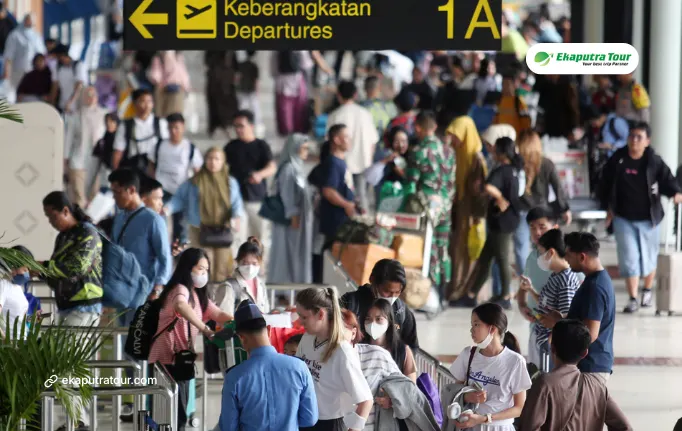
Six hours at Soekarno-Hatta International Airport (CGK) presents a crucial decision: stay airport-side or venture into the city? The answer depends entirely on your risk tolerance for Jakarta's legendary traffic.
Let's be honest about what six hours actually means. Immigration and baggage claim consume 40-60 minutes. You need to return 2-3 hours before your connecting flight for check-in and security.
Travel time to central Jakarta takes 45-90 minutes each way depending on traffic. That leaves roughly 1-2 hours of actual exploration time, barely worth the stress.
Inside the Terminal: Soekarno-Hatta has significantly upgraded its facilities. Free WiFi runs throughout all terminals. Comfortable rest areas with reclining chairs exist near Gates 6 and 14 in Terminal 3.
Multiple lounges offer pay-per-use access with food, showers, and quiet spaces. The Digital Airport Hotel provides capsule accommodations starting around $23 for six hours, perfect for quality rest.
If you absolutely must leave, target Pantai Indah Kapuk (PIK), just 15-20 minutes from the airport. This modern waterfront development offers diverse restaurants, cafes, and the Mangrove Ecotourism Centre. Skip central Jakarta entirely, traffic makes it impossibly tight for a six-hour window.
Jakarta's tropical climate divides neatly into two seasons, but "best" depends on what you prioritize.
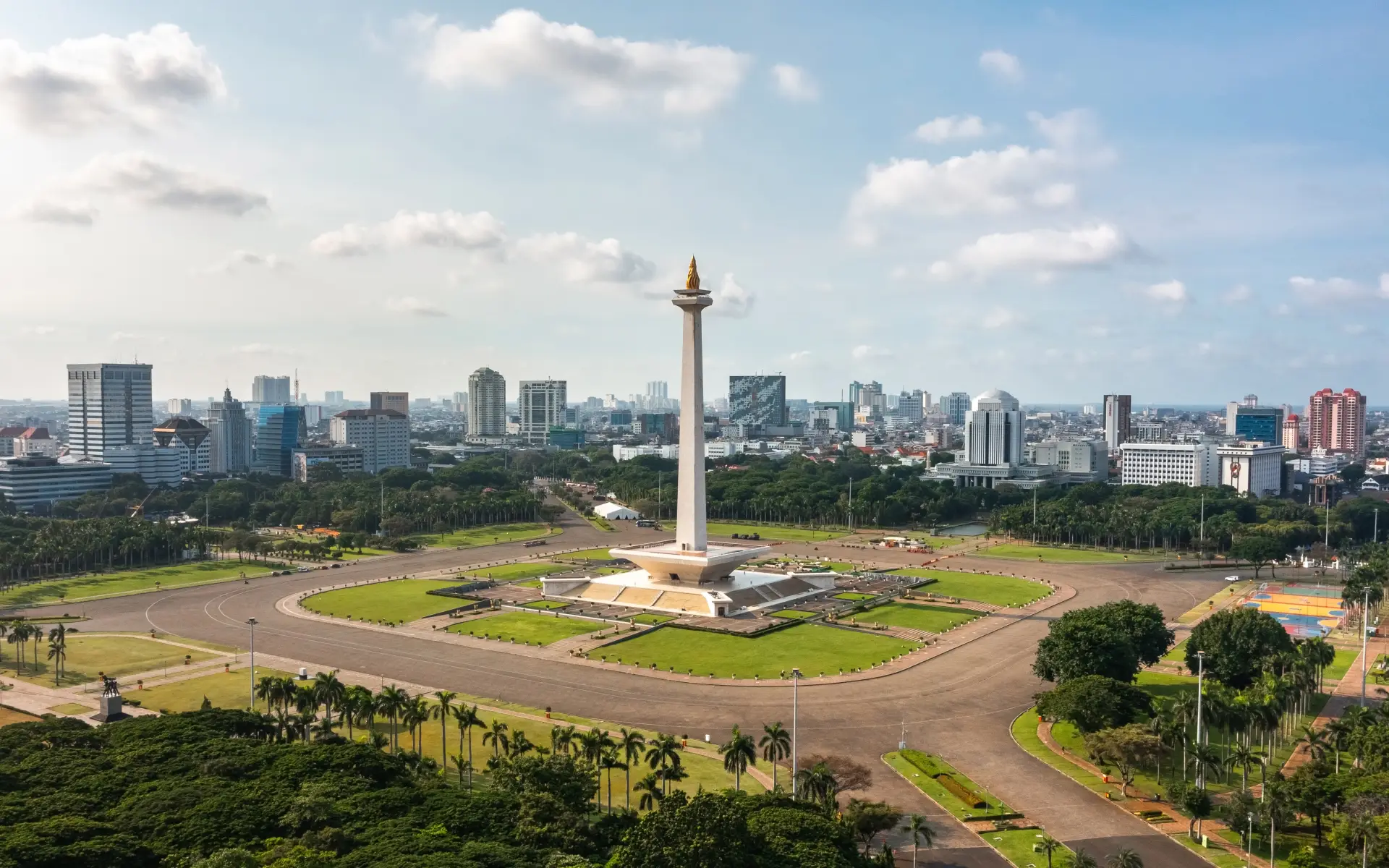
These four months deliver Jakarta at its most visitor-friendly. Expect clear skies, temperatures around 28-32°C (82-90°F), and humidity dropping to manageable levels. Daily sunshine stretches 11-12 hours, perfect for outdoor exploration at Monas, Kota Tua, and the city's many parks.
Why It's Best: Minimal rain means predictable sightseeing schedules. Outdoor attractions stay accessible. Streets dry faster, slightly easing the notorious traffic. Hotel and flight prices peak during this window, but the weather reliability justifies the premium for short trips.
May bridges the transition from wet to dry season, while October reverses the pattern. These months offer compromise: fewer crowds, lower prices, and weather that's mostly cooperative with occasional afternoon showers. Experienced travelers often prefer these windows for better value without sacrificing too much predictability.
The wettest months unleash relentless downpours that transform Jakarta's inadequate drainage into urban lakes. Flooding affects major roads, particularly in North and West Jakarta. Expect 300-400mm of rainfall monthly—roughly 15-20 rainy days. Even short trips to museums or malls become logistical nightmares when streets flood mid-afternoon.
Christmas through New Year brings Jakarta to a standstill. Locals traveling for holidays create airport chaos. Hotels in tourist areas book solid months ahead. Shopping malls overflow with seasonal crowds. Post-holiday, many businesses close for extended breaks. Unless you're specifically seeking festive atmosphere, avoid this period entirely.
As a Muslim-majority nation, Indonesia observes Ramadan with widespread restaurant closures during daylight hours. Many small eateries shut completely for the month. Traffic worsens as people rush home before sunset (buka puasa).
Hotels book out early, particularly in the final week before Eid al-Fitr when massive exodus occurs citywide. Tourism infrastructure doesn't stop, but it operates significantly reduced schedules.
Jakarta functions as Indonesia's nerve center, politically, economically, and culturally. Understanding its structure and character prevents the overwhelm many first-timers experience
The city divides into five administrative areas: North, South, East, West, and Central Jakarta. Each has distinct character.Central Jakarta hosts government buildings, Monas, and major business districts along Sudirman-Thamrin corridor, this is where most first-time visitors base themselves.
South Jakarta offers upscale neighborhoods like Kemang and SCBD with trendy restaurants and modern malls. North Jakarta contains Kota Tua's colonial heritage and the port area. West Jakarta includes Glodok's Chinatown. East Jakarta remains primarily residential.
Jakarta's traffic reputation is well-earned. Rush hours (7-9 AM, 4:30-7:30 PM) turn 20-minute trips into two-hour ordeals. Friday afternoons are particularly brutal as people begin weekend travel. Google Maps and Waze are essential check them obsessively before every departure.
The MRT system, launched in 2019, offers traffic-proof transport along the north-south corridor from Lebak Bulus to Bundaran HI. TransJakarta buses provide dedicated lanes but still face congestion.
Jakarta's population includes Javanese, Sundanese, Betawi (indigenous Jakarta people), Chinese Indonesians, and dozens of other ethnic groups. This diversity creates incredible culinary variety but also means "Jakarta food" encompasses everything from Betawi specialties like kerak telor to Padang restaurants and Chinese-Indonesian fusion.
Most young professionals speak English reasonably well, particularly in central business districts and tourist areas. Outside these zones, English fluency drops sharply, download Google Translate.
Jakarta is generally safe for tourists. Petty theft occurs in crowded markets and on public transport, but violent crime against foreigners remains rare. Dress modestly outside beach areas knees and shoulders covered, especially when visiting mosques. Remove shoes when entering homes or small local restaurants.
Handshakes are standard greetings. The Indonesian head nod (slight downward tilt) shows respect. Never use your left hand for eating or passing items, as it's considered unclean.
Jakarta rewards those who approach it with realistic expectations and proper preparation. This isn't Bali's beaches or Yogyakarta's temples, it's a working megacity where business, government, and daily life take precedence over tourism. Yet precisely this authenticity makes Jakarta fascinating.
Give yourself time. Don't try cramming the National Museum, Monas, Taman Mini, Kota Tua, and modern malls into one day. Traffic and heat will defeat you. Choose 2-3 experiences daily with buffer time between them. Embrace the unexpected—getting stuck in traffic beside a wedding procession, discovering a hidden warung serving incredible nasi goreng, or watching sunset from a rooftop bar as the city lights blink on are the moments that define Jakarta.