التنقل الرئيسي
Known for its modern skyline and constant movement, Jakarta often surprises first-time visitors.
Beyond the city’s contemporary image, the historic districts of Jakarta offer a slower and more reflective experience, where colonial streets, museums, and long-established neighborhoods reveal how the city has evolved over time.
From historic squares to cultural institutions and everyday local spaces, these districts provide travelers with a deeper understanding of Jakarta.
Rather than focusing on a single landmark, exploring the historic districts allows visitors to experience the city as a living environment shaped by centuries of change.
The historic districts of Jakarta developed through layers of international trade, colonial administration, and multicultural communities.
These areas feel noticeably different from modern business districts, offering a calmer pace and a stronger sense of place.
Walking through these neighborhoods connects travelers with old streets, public squares, museums, and residential areas where history remains part of daily life.
This approach allows visitors to experience Jakarta not as an open-air museum, but as a city where the past and present continue to exist side by side.
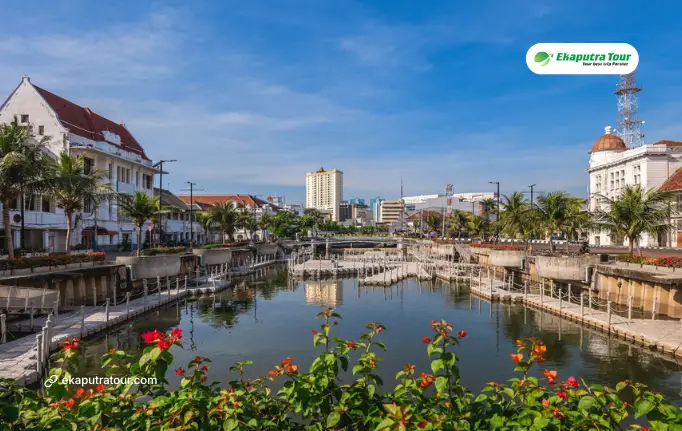
Jakarta’s Old Town, locally known as Kota Tua, marks the beginning of the city’s recorded history.
Once the center of Batavia during the Dutch colonial period, the area is defined by European-style architecture, wide open squares, and historic buildings that reflect Jakarta’s role as an important trading hub.

Today, Kota Tua is best explored on foot. The main square functions as a lively meeting point, surrounded by restored colonial buildings that now house cafés, galleries, and museums.
While the architecture reflects the past, the atmosphere remains active and social, making Old Town an accessible introduction to Jakarta’s history.
Museums within the historic districts of Jakarta are located close to one another, allowing visitors to experience them as part of a relaxed cultural walk.
They provide important context and help connect the surrounding streets and buildings to the stories behind them.
Located directly on the Old Town square, the Fatahillah Museum offers an overview of Jakarta’s transformation from Batavia to the modern capital.

Housed in a former city hall building, the museum introduces key historical moments that help visitors better understand the area before continuing their exploration.
A short walk from the main square, the Wayang Museum focuses on Indonesia’s traditional puppetry and storytelling traditions.

The visual displays and artistic details make it accessible even for first-time visitors, offering cultural insight beyond colonial history.
Situated near the old harbor area, the Maritime Museum highlights Jakarta’s long relationship with the sea.

Its exhibitions focus on trade, shipping, and port life, explaining how maritime activity shaped the city’s early development and identity.
Beyond Old Town and its museums, the historic districts of Jakarta are also shaped by neighborhoods where cultural traditions continue through everyday routines. These areas offer a more personal and authentic perspective of the city.
Glodok is one of Jakarta’s oldest neighborhoods and a long-established center of Chinese-Indonesian culture. Traditional markets, temples, and food stalls fill the streets, creating a vibrant atmosphere shaped by generations of trade and community life.

Visiting Glodok provides insight into how heritage remains closely connected to daily activities.
Menteng represents a different chapter of Jakarta’s history. Developed during the late colonial period, the area is known for its tree-lined streets and historic residences.
The calmer atmosphere and preserved urban layout provide a contrast to the city’s busier districts, making Menteng appealing to travelers interested in architecture and urban planning.

After exploring Old Town, museums, and historic neighborhoods, it becomes clear that Jakarta’s story is best understood by moving through these connected districts rather than visiting isolated landmarks.
Each area contributes a different perspective, from colonial history to cultural traditions that continue to shape everyday life.
Together, these experiences reveal why the historic districts of Jakarta are an essential part of understanding the city as a whole.
Exploring the historic districts of Jakarta allows travelers to see the city beyond its modern image. These areas show how history, culture, and local life continue to shape Jakarta today, offering a balanced and meaningful travel experience.
For visitors who want a seamless and well-paced journey, joining a curated experience such as the Ekaputra Full Day Tour makes exploring these historic areas more comfortable and insightful.
Whether explored independently or through a guided tour, Jakarta’s Old Town, museums, and historic neighborhoods provide a richer understanding of the capital and leave visitors with a deeper connection to the city.
Enjoy a guided cultural journey with Jakarta: Full-day Indonesia Culture, Traditional House & Landmark Tour. Local guides explain each location clearly.