التنقل الرئيسي
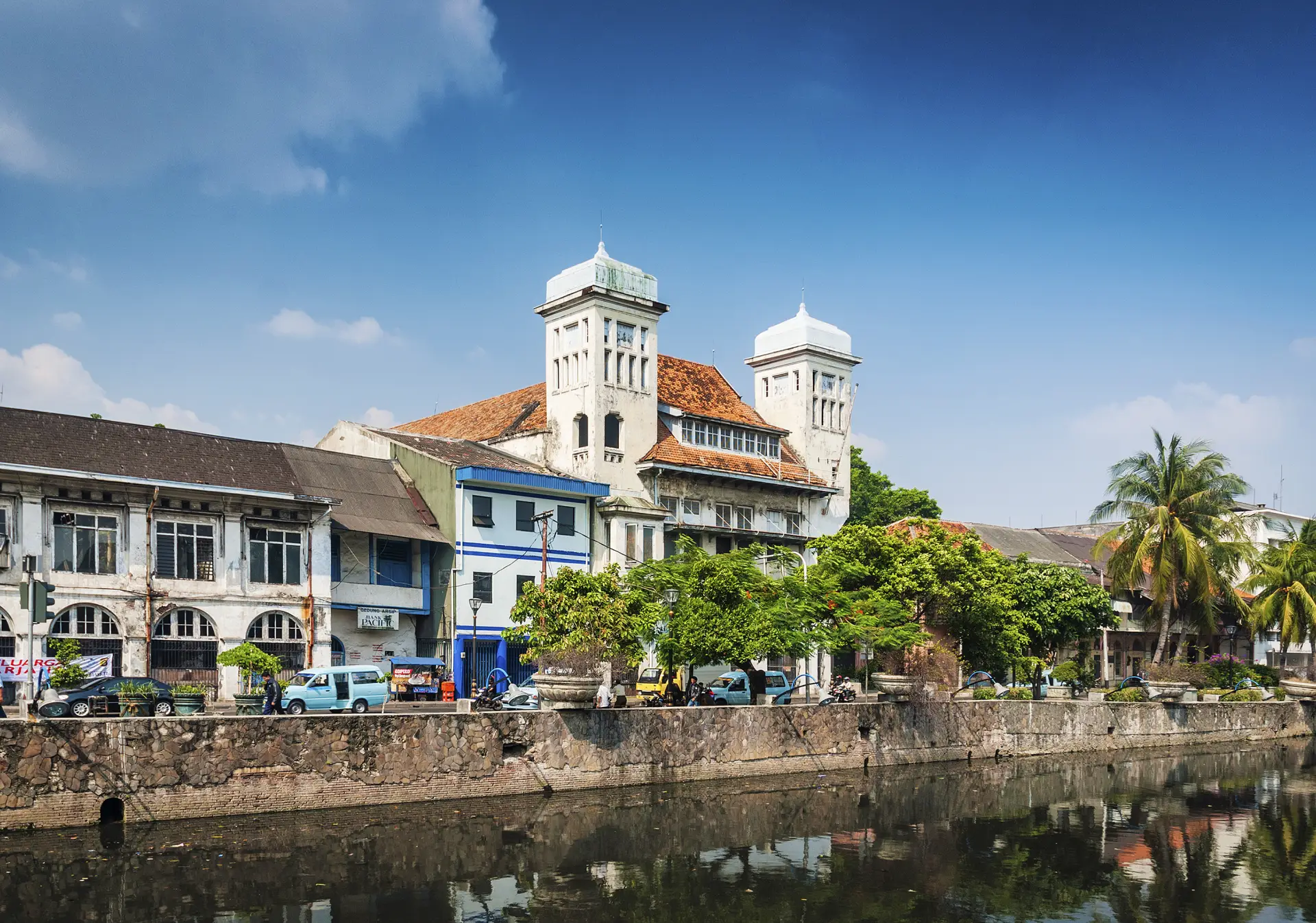
Jakarta is a modern megacity today, but many parts of the capital still reflect its colonial past.
Before becoming Indonesia’s largest city, Jakarta was known as Batavia, the administrative and trading center of the Dutch East Indies.
A Jakarta colonial exploration allows visitors to discover the city’s historic roots through preserved landmarks, old ports, and European-style architecture.
These sites tell the story of trade, governance, and cultural exchange that helped shape Jakarta into the city it is today.
Several historic sites across the city offer a glimpse into Jakarta’s colonial history. Many of these landmarks remain well preserved and are popular destinations for travelers interested in architecture and heritage.
Often called Jakarta’s Old Town, Kota Tua was once the center of Batavia during the Dutch colonial period.
The area features historic buildings, museums, and a large open square surrounded by colonial architecture.
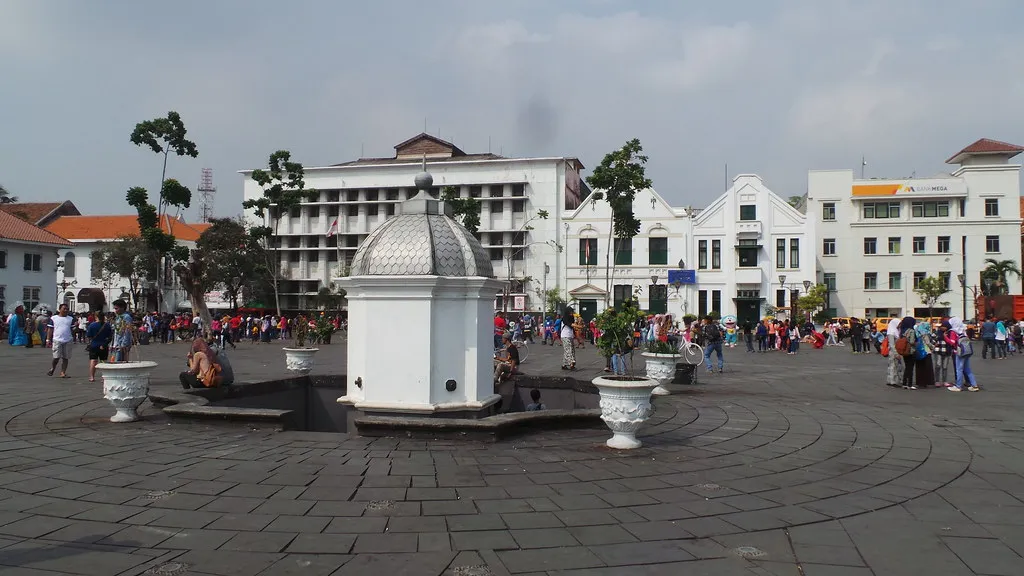
Today, visitors can walk around the square, explore nearby museums, and enjoy the historic atmosphere that reflects Jakarta’s past.
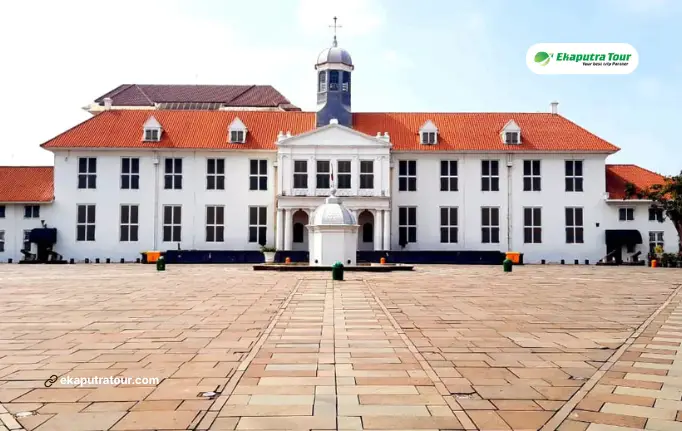
Located in Kota Tua, Museum Fatahillah was originally the city hall of Batavia. Built in the early 18th century, the building served as the center of Dutch colonial administration.
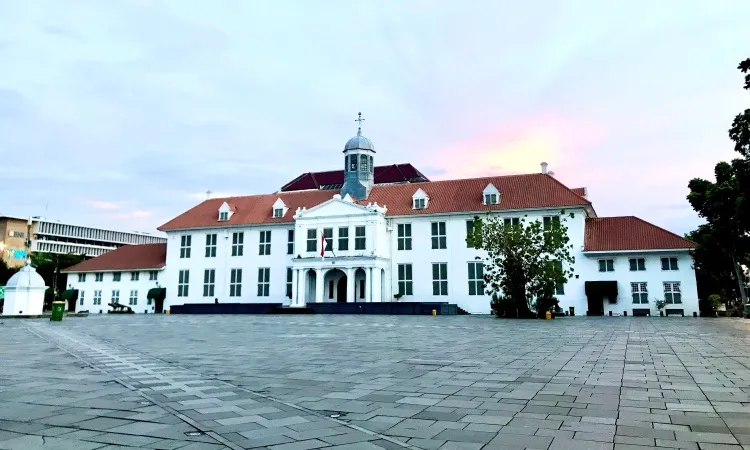
It is now a museum displaying historical artifacts and exhibitions about Jakarta’s development from the colonial era to modern times.
Sunda Kelapa Harbor played a major role in Jakarta’s history as a trading gateway during the colonial era. For centuries, merchants from different regions arrived here to exchange goods.
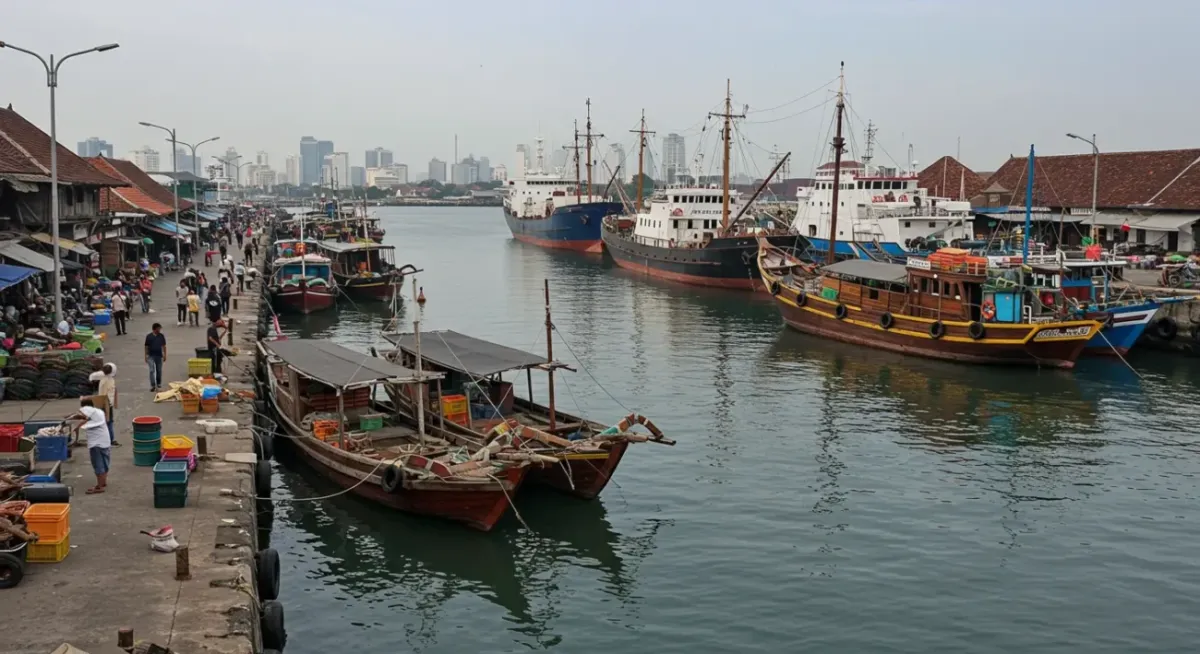
Even today, traditional wooden ships can still be seen operating in the harbor, offering a glimpse into the city’s maritime heritage.
Built during the early 19th century, Gedung Kesenian Jakarta once served as a theater for European residents in Batavia.
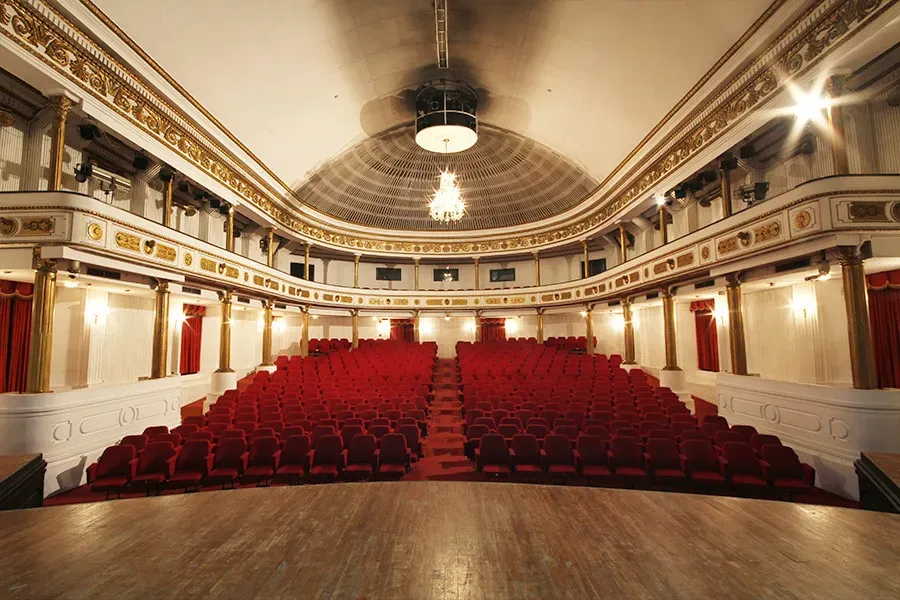
The building is still used today as a cultural venue hosting performances, concerts, and art events while preserving its historic colonial architecture.
Jakarta Cathedral is one of the city’s most recognizable historic churches. Built in the late 19th century, it features Neo-Gothic architecture with tall spires and detailed interior designs.
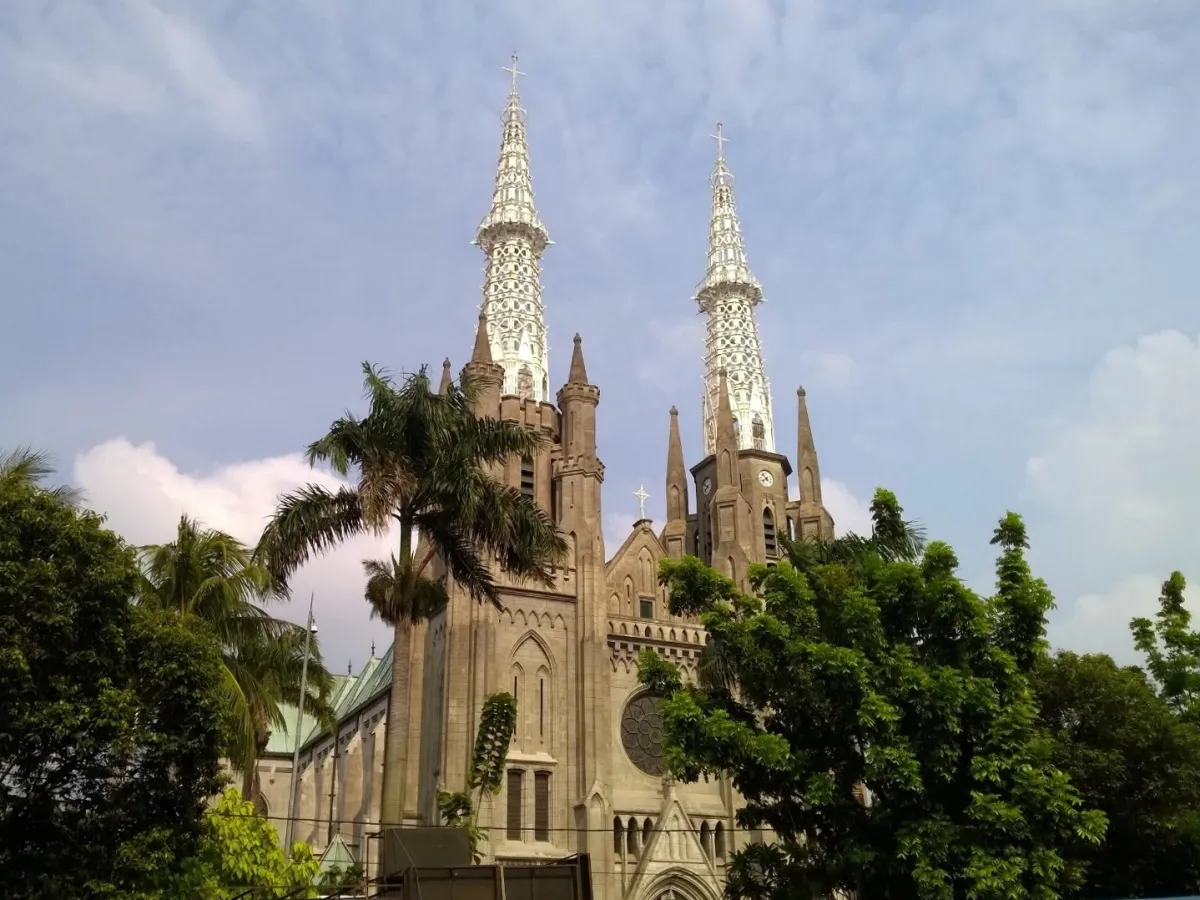
Its location across from Istiqlal Mosque also highlights Jakarta’s cultural and religious diversity.
Although Istiqlal Mosque was built after independence, the surrounding area was once part of the Dutch administrative district.
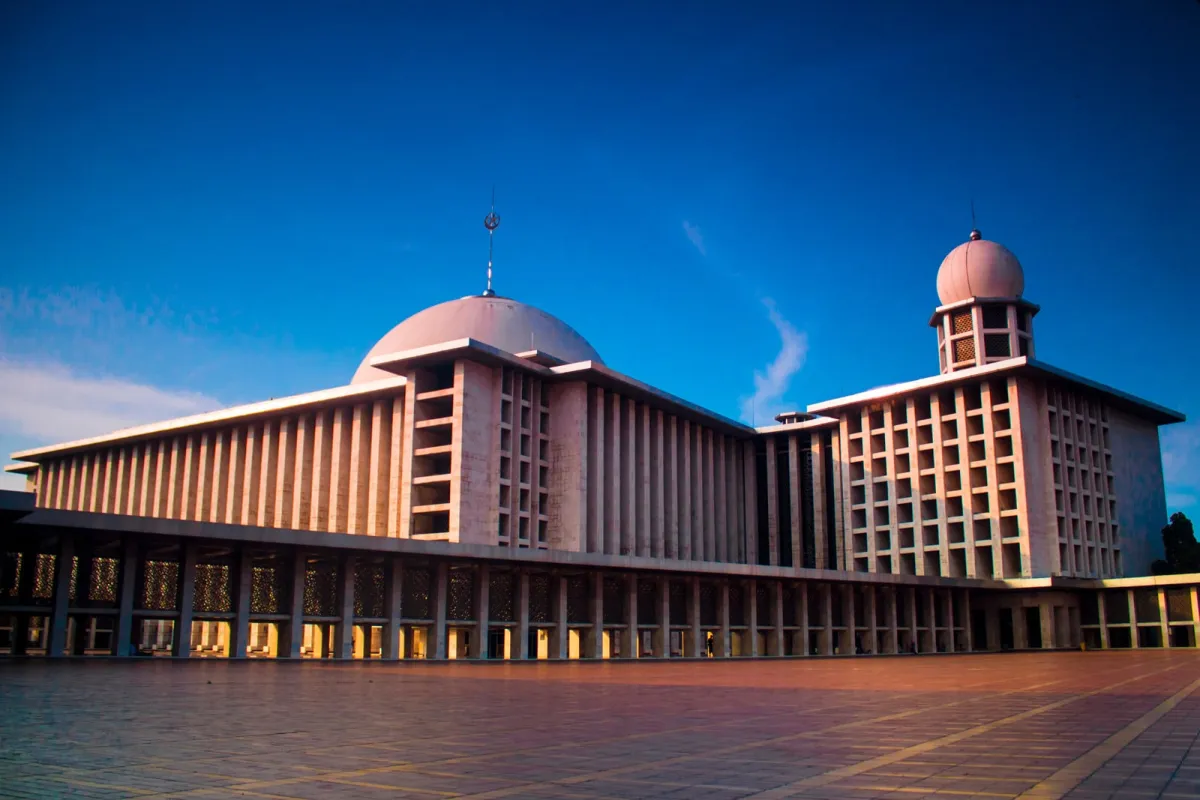
Several historic government buildings nearby reflect the colonial urban planning that shaped this part of Jakarta.
Colonial buildings in Jakarta often combine European design with adaptations suited to the tropical climate. Large windows, high ceilings, and wide verandas helped improve ventilation and reduce heat.
Architectural styles found in these landmarks include Dutch colonial, neoclassical, and Gothic influences. This mix of styles gives Jakarta’s historic buildings a distinctive character that reflects both European and local elements.
Exploring Jakarta’s historic landmarks is easier with a bit of planning. Visiting earlier in the day can help you avoid crowds and the midday heat, especially in outdoor areas like Kota Tua.
Comfortable clothing, walking shoes, and water are also recommended since some locations require exploring on foot. Because these landmarks are spread across the city, arranging reliable transportation can make the trip much more convenient.
Traveling between historical sites in Jakarta can take time, especially with the city’s traffic. Using a private transport service can make a Jakarta colonial exploration more comfortable and efficient.
Ekaputra Tour offers convenient transportation that allows visitors to explore destinations such as Kota Tua, Sunda Kelapa Harbor, and Jakarta Cathedral in one smooth journey. With flexible itineraries, travelers can discover Jakarta’s colonial landmarks while enjoying a more relaxed travel experience.