Main Navigation
Few sights in Indonesia are as iconic as the smoking cone of the Bromo crater rising out of a sea of volcanic sand at sunrise. It's the kind of view that ends up on travel posters for a reason, and if you're planning your first trip there, you probably have questions about how to actually get up close to it, how far the hike really is, and what to expect once you arrive. This guide walks you through all of that, from logistics to safety, so you can plan your visit with confidence.
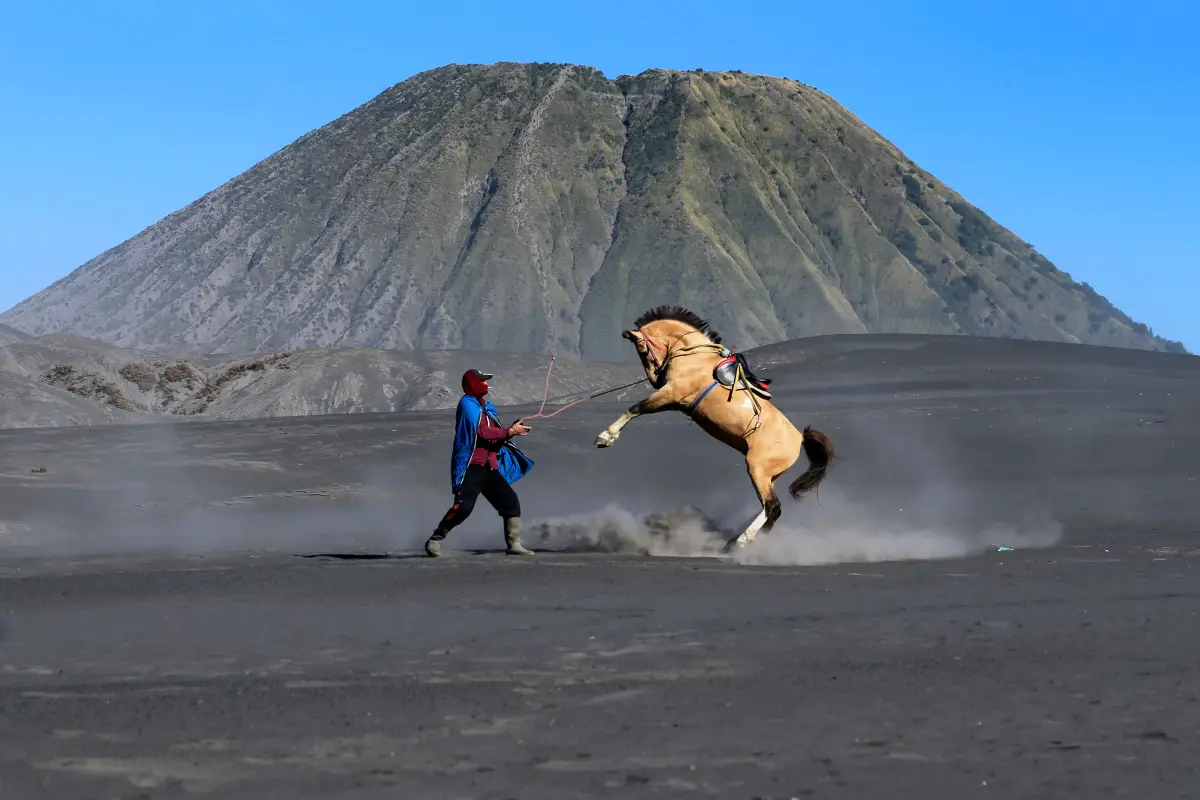
Mount Bromo is part of the Tengger Semeru National Park in East Java, sitting inside a vast caldera alongside Mount Batok and Mount Semeru, Java's highest volcano. What makes Bromo so captivating isn't its height, it's actually one of the smaller peaks in the area, but the surreal setting: a flat sea of grey volcanic sand known locally as the "Sea of Sand" surrounding an actively steaming crater. Watching the sun rise over this landscape, with mist rolling across the caldera floor and the crater exhaling steady wisps of sulfur smoke, is an experience that draws travelers from all over the world, and it's easy to see why it remains one of Indonesia's most bucket-list-worthy natural attractions.
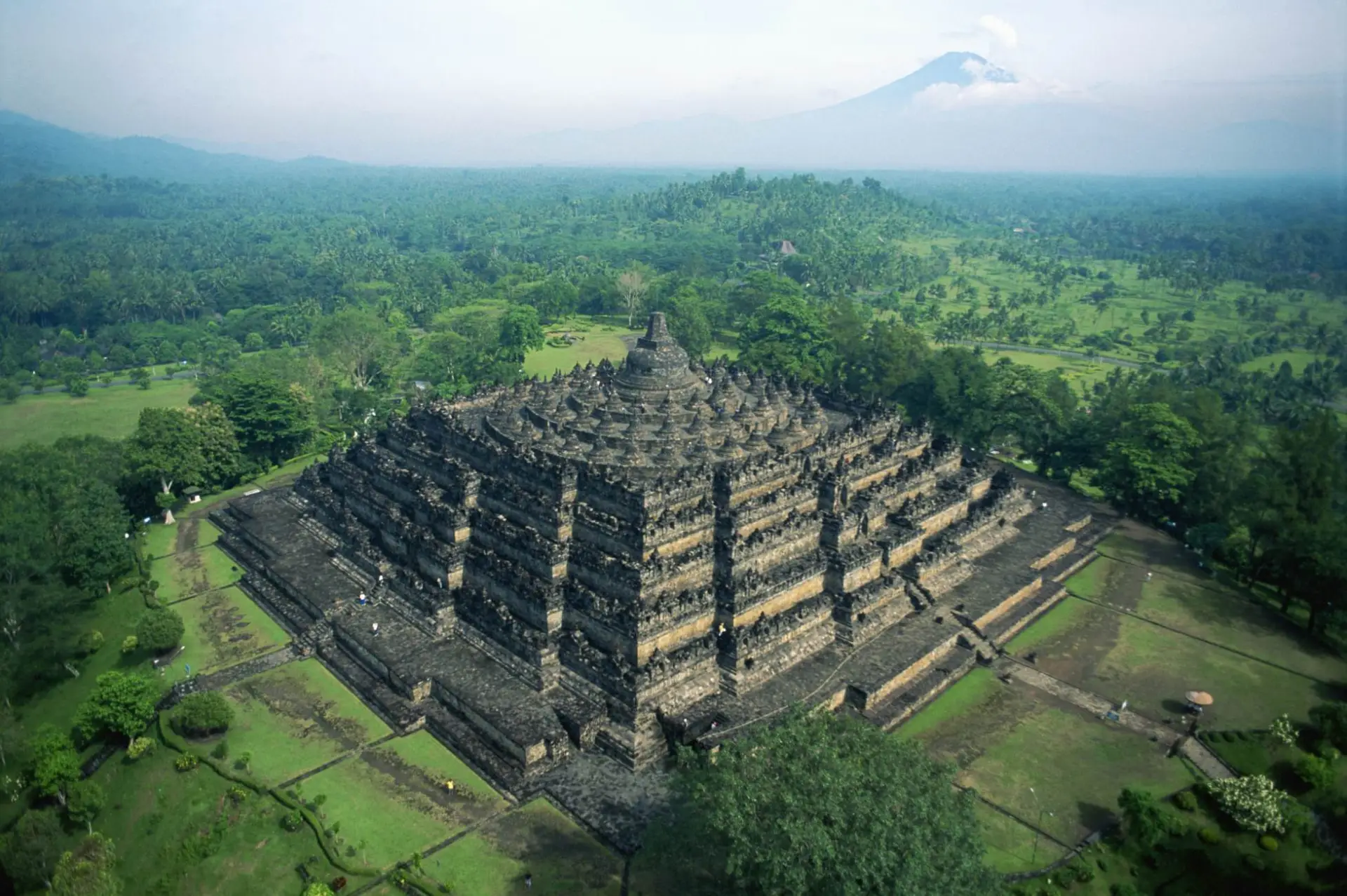
Most travelers reach Bromo via Surabaya or Malang, both of which have airports connected to major Indonesian cities. From either city, it's roughly a 3 to 4 hour drive to Cemoro Lawang, the small village perched right on the caldera's edge and the most common base for a Bromo sunrise tour. Many visitors join organized trips that include a 4WD jeep ride across the Sea of Sand in the pre-dawn hours, since public roads don't reach all the way to the crater base. If you're coming from further afield, some travelers pair a Bromo trip with cultural stops elsewhere in Java. For instance, those flying through Yogyakarta often combine it with a visit to Borobudur and Prambanan temples as part of a broader Java itinerary.
Here's the part most people want to know: how far is the actual Mount Bromo hike? Jeeps typically drop visitors at a parking area near the base of the crater, from which it's about a 1 to 2 km walk across the sandy plain. From there, a staircase of roughly 250 steps leads up to the crater rim itself. The terrain is manageable for most fitness levels, the sand is loose but flat, and the stairs, while a bit steep in sections, are sturdy and railed. If you'd rather save your legs for the final climb, horses are available for hire along the sandy stretch, though the staircase itself must be done on foot. All told, this Bromo crater hiking distance is short enough that it doesn't require any technical experience or special gear, just decent footwear and a reasonable pace.
For travelers who enjoy longer treks through nature as part of their Indonesia itinerary, it's worth noting that hiking experiences vary widely across the country. Closer to Jakarta, for example, a full-day rainforest trek to a hidden waterfall offers a very different, jungle-based hiking adventure if you're looking to compare styles of trekking during your trip.
Once you reach the crater rim, the scene is dramatic: a wide, steep-walled crater with plumes of sulfuric steam rising from below, and if conditions are clear, sweeping views back across the Sea of Sand toward Mount Batok and the surrounding highlands. The smell of sulfur is noticeable and can be strong depending on wind direction, which is why locals and guides often recommend a mask or scarf. Railings line parts of the rim, but the ground can be uneven, so it's worth watching your footing, especially in the crowds that gather during peak sunrise season. Despite the crowds, most visitors say the view is worth every step.
A Bromo sunrise tour typically starts around 3 or 4 AM, when jeeps depart Cemoro Lawang for Penanjakan viewpoint, the classic spot for watching daybreak over the caldera. This is important to understand: the crater rim itself doesn't face the sunrise direction, so most people watch the sunrise from Penanjakan first, then continue on to hike the crater afterward once the light is up. The dry season, roughly April through October, offers the clearest skies and best odds of an unobstructed sunrise, while the rainy season brings a higher chance of cloud cover and slippery trails. Early mornings are cold year-round, often dropping to single digits Celsius at the viewpoints, so dressing warmly is essential regardless of season.
Bromo is an active volcano, and its alert status can change, which directly affects whether visitors are permitted to hike all the way to the rim. Always check current advisories through your guide or local park authorities before setting out, and never cross barriers or ignore closure notices. Beyond that, a few practical packing tips go a long way:
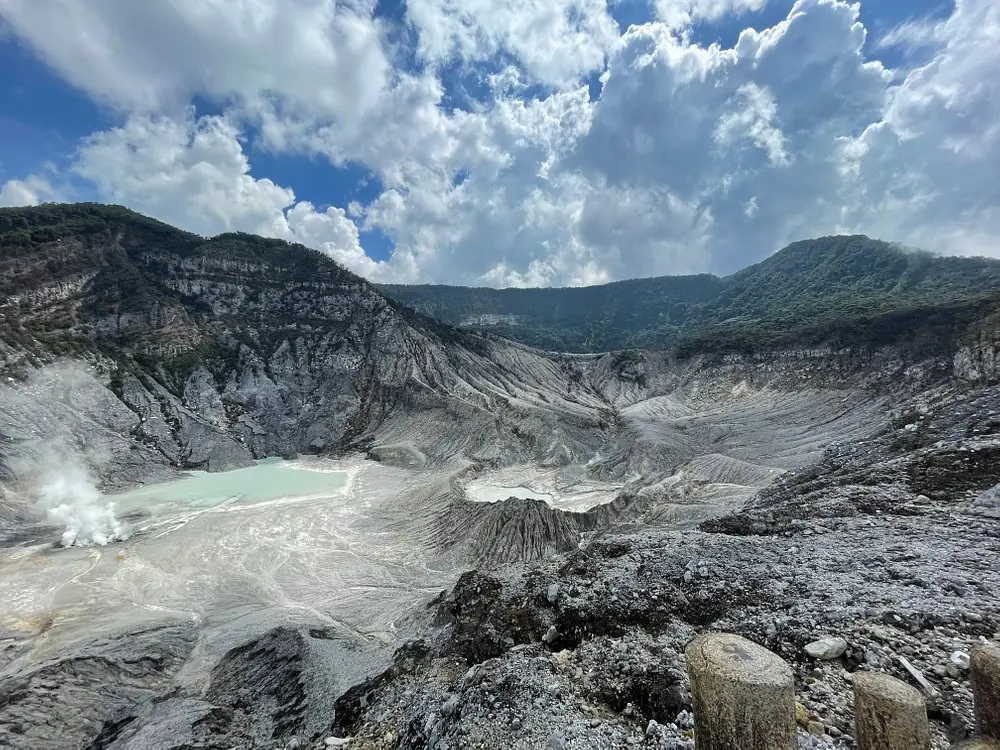
While Bromo itself is the main event, many travelers extend their East Java trip to include Mount Semeru viewpoints, the savanna hills of Bukit Teletubbies, or nearby waterfalls in the Tengger highlands. If your Indonesia itinerary also includes Jakarta or West Java, it's worth knowing that similar volcanic and natural scenery exists closer to the capital. The Kawah Putih day trip from Jakarta offers another striking crater landscape, while the tea plantations near Jakarta and Ciater hot springs make for a relaxing contrast after a day of hiking.
From the main parking area near the base, it's about a 1-2 km walk across sandy terrain, followed by a staircase of roughly 250 steps leading up to the crater edge.
Most travelers reach the rim in 30-45 minutes at a relaxed pace, though horse rides are available for part of the sandy stretch if you prefer to skip the walk.
Yes, an entrance ticket is required at the national park gate, and prices differ for domestic and foreign visitors; most guided tours include this in the package price.
Bromo is an active volcano, so access to the rim depends on its current alert status. Always check local advisories and follow official guidance before hiking to the edge.
Wear sturdy closed shoes, bring a jacket for the cold pre-dawn temperatures, and carry a mask or scarf to filter sulfur fumes near the crater.
Most sunrise views are enjoyed from a separate viewpoint like Penanjakan before continuing on to the crater rim afterward, since the rim itself doesn't face the sunrise direction.
Ready to experience Indonesia's volcanic landscapes for yourself? Explore our active volcano day trip and let Ekaputra Tour help you plan a smooth, memorable adventure from start to finish.