Main Navigation
Jakarta's skyline is full of glass towers and highways, but underneath all that modern hustle is a culture that predates the capital itself. The Betawi people, Jakarta's indigenous ethnic group, have a rich tradition of dress that tells the story of centuries of trade, migration, and blended identity. If you're curious about Betawi traditional clothing and where to actually see it worn today, this guide walks you through the meaning, the pieces, and the best places in the city to witness it firsthand.
The Betawi are considered the native people of Jakarta, descended from a mix of Malay, Sundanese, Javanese, Chinese, Arab, and even Portuguese ancestry that settled around old Batavia during the Dutch colonial era. Because of this melting pot history, Betawi culture Jakarta residents grew up with looks noticeably different from other Indonesian ethnic groups. Their clothing isn't just decorative, it's a visual record of trade routes, religious practice, and social identity that developed over hundreds of years in a port city.
Understanding baju Betawi (Betawi clothing) gives you a clearer picture of Jakarta beyond its modern facade. It also helps explain why the city's cultural festivals, wedding ceremonies, and even some government events still proudly feature these traditional outfits rather than letting them fade into museum displays.
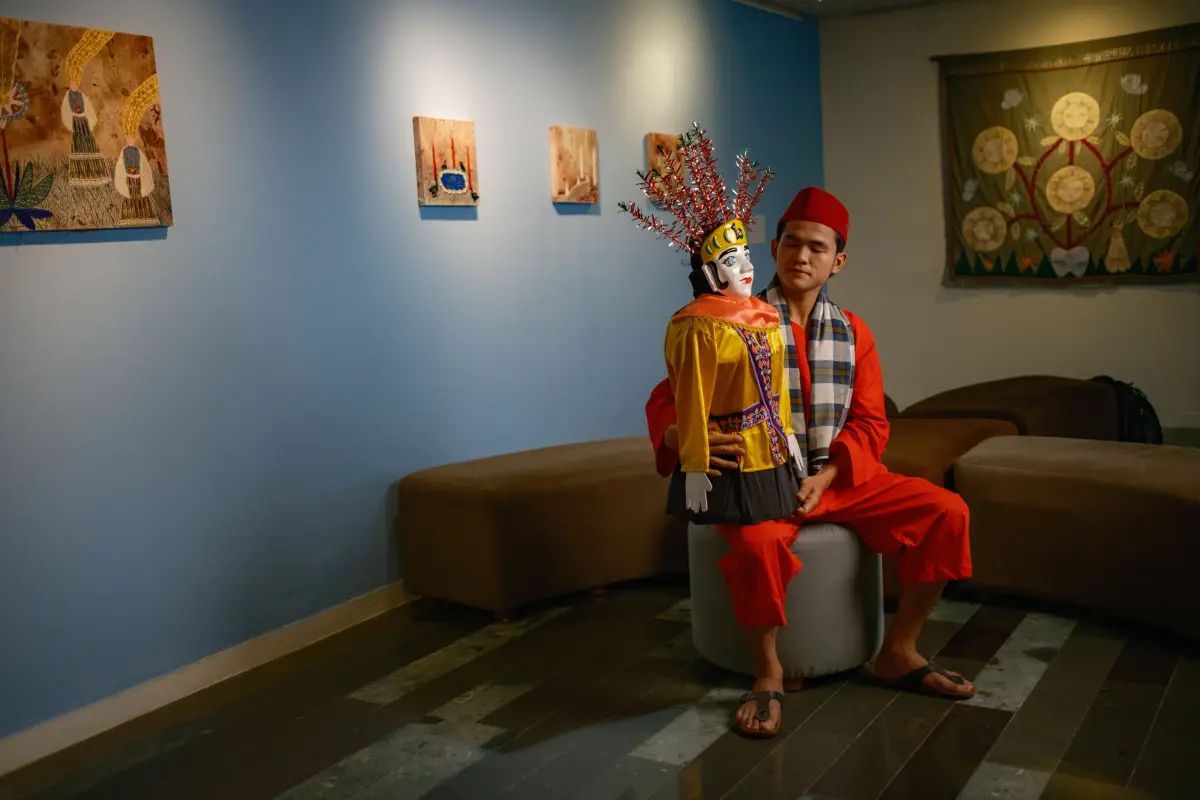
Betawi traditional clothing has distinct pieces for men and women, each with its own name and function.
Together, these pieces form the classic silhouette you'll see at Betawi weddings, cultural showcases, and traditional dance performances across Jakarta.
Color choices in Betawi clothing aren't random. Bright colors like red, green, and gold are often reserved for celebratory occasions such as weddings, symbolizing joy and prosperity, while white and pastel tones are common in daily or religious contexts, reflecting purity and simplicity. The checkered sarong pattern, meanwhile, is thought to represent balance and the interconnectedness of community life in old Batavia.
Accessories carry weight too. The peci signals Islamic identity and respectability for men, while gold jewelry and hairpins worn with the Kebaya Encim often indicate a woman's family status or the formality of the occasion. Even the way a sarong is draped, whether over the shoulder or tied at the waist, can hint at whether the wearer is attending a casual gathering or a formal ceremony. These small details are part of what makes Betawi clothing meaning so layered once you know what to look for.
The single best place to see Betawi traditional clothing in everyday context is Setu Babakan Betawi village, a cultural village on the southern edge of Jakarta where Betawi families still live, cook, perform music, and dress traditionally as part of daily community life rather than just for tourists. Visiting here gives you an authentic, unscripted look at how the culture continues rather than a staged reenactment.
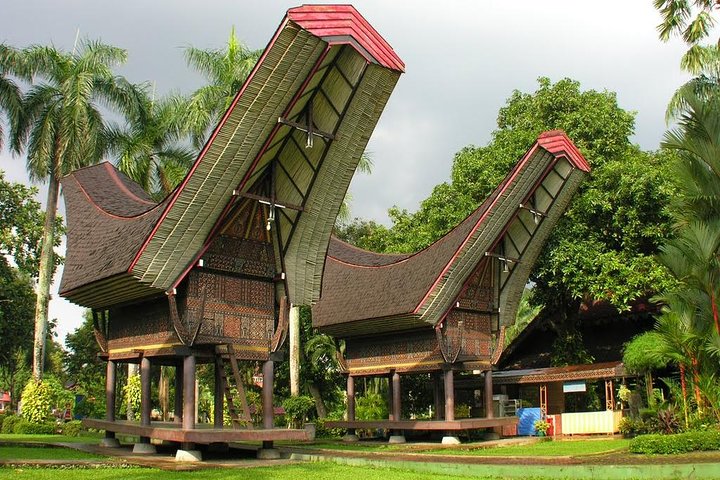
Another reliable spot is Taman Mini Indonesia Indah (TMII), where the Betawi traditional house display often features costumed staff and cultural information panels explaining the clothing's history. If you want a broader overview of Indonesian traditional dress for comparison, it's worth reading about where to buy Javanese traditional clothing to see how differently Central Javanese and Betawi styles evolved despite being just a few hundred kilometers apart.
Betawi clothing is most visible during life ceremonies: weddings, circumcisions, and religious celebrations where the Sadariah, sarong, and Kebaya Encim take center stage. Jakarta's annual city anniversary in June is also a major showcase, with parades, performances, and community events across the city bringing out Betawi attire en masse, alongside traditional food and music.
These aren't just fashion shows. They're expressions of identity that tie religious practice, family tradition, and civic pride together in one outfit. If you happen to be in Jakarta during a major cultural festival or a local wedding season, keep an eye out, since these events offer some of the richest, most genuine glimpses of Betawi culture Jakarta has to offer.
If you'd rather have context and a knowledgeable guide rather than wandering on your own, a structured tour makes a real difference. The full-day Indonesia Culture, Traditional House & Landmark Tour combines a visit to TMII's traditional houses with other cultural landmarks, giving you a well-rounded introduction to Betawi and broader Indonesian heritage in a single day.
For those short on time, the half-day tour of Taman Mini Indonesia Indah is a practical option that still covers the Betawi house and cultural pavilions without requiring a full day's commitment.
If you're interested in Indonesia's cultural diversity beyond Jakarta's borders, it's also worth pairing your trip with the Baduy tribe village trekking tour, which shows an entirely different, isolated way of life just a few hours from the capital. And for a break between cultural stops, our guide to the best Padang food in Jakarta pairs nicely with a day of cultural exploration.
Betawi clothing is a source of pride, not a costume for casual mimicry, so a bit of etiquette goes a long way. Always ask before photographing individuals wearing traditional dress, especially at Setu Babakan where locals are going about daily life rather than posing for visitors. A polite smile and a simple request in Bahasa Indonesia or English is usually all it takes.
If you're invited to try on Betawi clothing during a cultural event, treat it with the same respect you'd want for your own cultural symbols. Avoid treating the sarong or peci as a novelty prop, and take a moment to ask your guide or host about the meaning behind what you're wearing. It makes the experience more meaningful, and it shows genuine respect for a culture that has preserved its identity through centuries of change. For more on navigating local customs while exploring the city, our piece on traditional markets in Jakarta offers useful pointers on respectful interaction with vendors and locals alike.
Betawi clothing, like the Sadariah shirt and Kebaya Encim, reflects Jakarta's mixed Malay, Chinese, and Arab heritage, while Javanese attire such as batik and blangkon comes from Central and East Java's court traditions. The cuts, colors, and accessories differ noticeably.
Betawi men typically wear a Sadariah shirt, loose trousers, a checkered sarong draped over the shoulder, and a peci or skullcap. This outfit is still worn during weddings and cultural performances in Jakarta.
Kebaya Encim is a fitted, embroidered blouse worn by Betawi women, influenced by Peranakan Chinese fashion. It's usually paired with a batik sarong and is considered the female counterpart to the men's Sadariah.
Setu Babakan Cultural Village is the best spot, offering daily glimpses of Betawi dress alongside music and food. Taman Mini Indonesia Indah's Betawi house and city-wide events during Jakarta's June anniversary also showcase the attire.
Both. Betawi clothing appears in Islamic ceremonies like weddings and circumcisions, as well as secular cultural festivals, since Betawi identity closely intertwines local custom with Islamic practice.
Ready to see Betawi traditional clothing and Jakarta's cultural heritage up close? Book the full-day Indonesia Culture, Traditional House & Landmark Tour with Ekaputra Tour and let a local guide bring the stories behind the fabric to life.