Main Navigation
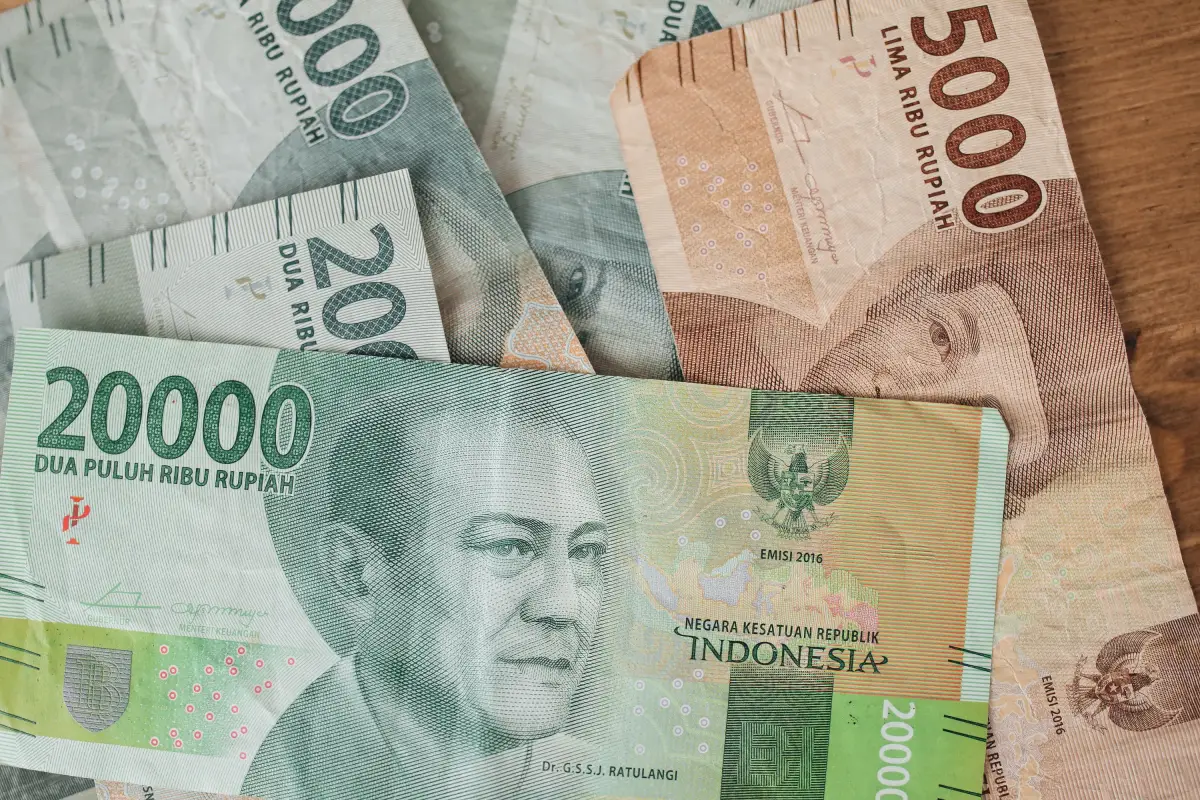
If you have ever stood in front of a market stall in Yogyakarta or a street vendor in Jakarta, mentally calculating rupiah while the seller waits patiently, you already know why learning how to say prices in Indonesian is one of the most useful travel skills you can pick up. It is not just about avoiding confusion. It shows respect, opens up better conversations, and honestly, it can save you money too. Sellers tend to warm up when they see you making an effort in Bahasa Indonesia, even if your accent is a little rough around the edges.
This guide breaks down exactly what you need: the numbers, the key questions, how big rupiah figures are spoken aloud, and the polite back-and-forth of bargaining. By the end, you will feel a lot more comfortable navigating markets, malls, and everything in between.
Indonesia's shopping scene is wonderfully varied. You have got glossy malls in Jakarta with fixed price tags, and just a few kilometers away, sprawling traditional markets where prices are fluid and negotiation is part of the culture. Knowing how to ask price in Bahasa Indonesia bridges both worlds. In malls, it helps with quick clarifications about discounts or sizes. In markets, it is essential for actually participating in the transaction rather than just pointing and hoping.
There is also a trust factor. Vendors in busy tourist areas sometimes quote higher "tourist prices" to visitors who clearly do not speak any Indonesian. A few well-placed local phrases signal that you know roughly what things should cost, which naturally levels the playing field.
Before tackling prices, you need the basic building blocks. Indonesian numbers for shopping follow a logical pattern once you learn the first ten digits:
From there, numbers combine predictably. Eleven to nineteen add "belas" (sebelas, dua belas, tiga belas), while multiples of ten add "puluh" (dua puluh for twenty, tiga puluh for thirty). Once you have these down, you are ready to handle the bigger numbers that actually show up on price tags.
The single most valuable phrase in your toolkit is "Berapa harganya?", which literally translates to "how much is the price?" In casual settings, especially with street vendors, you can shorten this to simply "Berapa?" while pointing at the item.
A few other handy variations:
Using "Bu" or "Pak" after your question instantly makes you sound more polite and respectful, something Indonesian sellers genuinely appreciate.
Here is where a lot of travelers get tripped up. Indonesian currency words follow their own logic, and rupiah prices often involve large numbers with several zeros. The two words you absolutely need are ribu (thousand) and juta (million).
So Rp50,000 is spoken as "lima puluh ribu" (fifty thousand), and Rp1,000,000 becomes "satu juta" (one million). A batik shirt priced at Rp150,000 would be "seratus lima puluh ribu" (one hundred fifty thousand). Once you get comfortable dropping the extra zeros mentally and just focusing on ribu and juta, reading price tags becomes much faster.
Sellers will often round conversationally too. Instead of saying the full number, someone might just say "lima puluh" (fifty) when the context of ribu is already understood from a previous exchange. Listening for these shortcuts takes a bit of practice, but it comes quickly once you are immersed in real conversations.
Once you have asked the price, be ready for a few standard responses:
If a seller says "harga pas," it is generally best to respect that, especially in fixed-price shops. But in traditional markets, "boleh nego" is your green light to start the friendly back-and-forth of haggling.
Bargaining phrases in Indonesian are not about being aggressive, they are about a respectful, almost playful exchange. The tone matters as much as the words. Smile, stay relaxed, and treat it like a light conversation rather than a confrontation.
Some essential bargaining phrases:
A common rhythm at markets like Yogyakarta's Beringharjo involves offering roughly 50 to 60 percent of the initial quoted price, then meeting somewhere in the middle. For a deeper dive into navigating this specific market, our Beringharjo Market shopping guide covers exactly what to expect stall by stall. If you are shopping elsewhere in Java, our guides to Yogyakarta's best shopping spots and Bandung's malls and outlets are also worth bookmarking before you go.
Here is a condensed cheat sheet you can screenshot before heading out:
Reading phrases on a page is one thing, actually using them in the flow of a real conversation is another. That is where a guided experience helps enormously. On the Jakarta Full-day Shopping & Food Culinary Tour, you will move between modern malls and lively traditional markets with a local guide who can model these phrases naturally, translate on the spot, and give you the confidence to try bargaining yourself. It is a low-pressure way to practice everything covered above while also enjoying some genuinely great street food along the way.
Curious whether this kind of tour fits your travel style and budget? Our detailed breakdowns on whether the Jakarta shopping and food tour is worth the money and what's actually included in the tour answer the most common questions travelers ask before booking.
The most common phrase is 'Berapa harganya?' which means 'How much is the price?' You can also simply say 'Berapa?' in casual settings.
Thousand is 'ribu' and million is 'juta'. For example, Rp50,000 is spoken as 'lima puluh ribu' and Rp1,000,000 is 'satu juta'.
No, bargaining is expected in traditional markets like Beringharjo, but not in malls or fixed-price stores. Always haggle politely with a smile.
It means 'can it be less/lower?' and is a polite way to ask for a discount during bargaining.
Not strictly, since malls usually display prices in numerals, but knowing basic numbers helps with cash transactions and street vendors.
Joining a guided shopping and culinary tour lets you practice real conversations with locals in a supportive, low-pressure setting.
Ready to put these phrases to the test in real markets and malls? Book the Jakarta Full-day Shopping & Food Culinary Tour and practice your Indonesian shopping phrases with a friendly local guide by your side.