Main Navigation
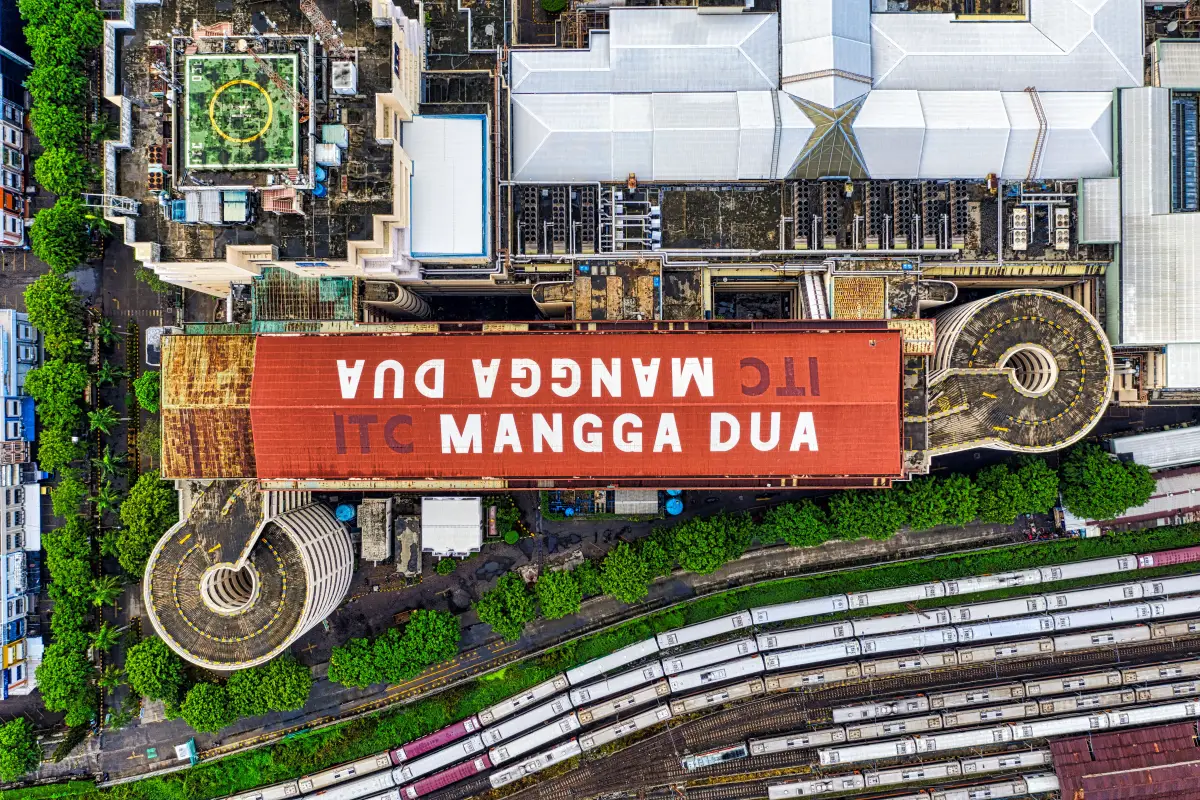
If you are looking for cheap shopping in Jakarta, Mangga Dua Market Jakarta is a name you will hear over and over again. This sprawling commercial district in North Jakarta is not just one market but a whole cluster of malls, wholesale centers, and street-level stalls packed into a few walkable blocks. Whether you are hunting for a new phone, a stack of batik fabric, or a suitcase full of fashion finds, Mangga Dua delivers. Unlike the polished malls of South Jakarta, this area feels raw, busy, and delightfully chaotic, and that is exactly why locals and savvy tourists love it. For a broader look at the city's shopping scene, check out our guide to traditional markets in Jakarta.
Mangga Dua Market Jakarta is often spoken about as a single destination, but it is actually a collection of interconnected shopping complexes located around Jalan Mangga Dua Raya in North Jakarta. The area grew from a simple street market into one of Southeast Asia's largest wholesale and retail hubs. Today, you will find everything from bargain electronics to bulk textiles, all within a few minutes of each other.
The three main players are Pasar Pagi Mangga Dua, ITC Mangga Dua, and Mangga Dua Square. Pasar Pagi is the old-school morning market, famous for fabrics, textiles, and garments sold in bulk. ITC Mangga Dua is a more modern mall complex that focuses heavily on electronics, gadgets, and fashion. Mangga Dua Square sits nearby and offers a mix of retail shops, food outlets, and even entertainment. Together, they make Mangga Dua a one-stop destination for anyone who wants variety without traveling all over the city.
The short answer: almost anything. Mangga Dua Jakarta shopping is best known for three big categories, but the range goes much deeper.
Because Mangga Dua is a wholesale market, prices are lower than in central malls, but quality can vary. Take your time, compare a few stalls, and do not be afraid to ask questions. If you want a local expert to help you navigate the maze and bargain like a pro, Ekaputra Tour offers a dedicated Jakarta shopping experience.
Mangga Dua opening hours depend on which part of the market you plan to visit. Most retail sections, including ITC Mangga Dua and Mangga Dua Square, open around 9am and close by 9pm. This makes them convenient for a relaxed daytime or early evening shopping trip.
Pasar Pagi Mangga Dua, on the other hand, is a true morning market. Its wholesale stalls often start business as early as 6am and wind down by early afternoon. If you want the best fabric selection and the lowest wholesale prices, go early. If you prefer air-conditioned comfort and a more leisurely pace, arrive after 10am and stick to the malls.
The best times to visit are weekdays, especially Tuesday through Thursday. Weekends can get extremely crowded, with more local shoppers and tour groups. Mornings are generally quieter for the malls, while early mornings are essential for Pasar Pagi.
How to get to Mangga Dua is easier than you might think. The market sits in North Jakarta, about 6 kilometers from Kota Tua and roughly 10 kilometers from the National Monument area. The easiest options are a taxi or ride-hailing app like Grab or Gojek, which will take 15 to 20 minutes from Kota Tua, depending on traffic. Simply enter ITC Mangga Dua or Mangga Dua Square as your destination.
If you prefer public transport, TransJakarta buses are a budget-friendly choice. Several routes stop directly at the Mangga Dua bus stop, including lines that connect to Kota Tua, Senen, and Blok M. From the bus stop, it is a short walk to the main shopping complexes. Commuter line trains also run to nearby stations, but you will still need a short bus or taxi ride.
For visitors arriving from the airport, a private transfer can save time and stress. You can combine your market visit with other Jakarta highlights by booking a full-day guided tour that includes stops at Mangga Dua and other iconic spots.
Yes, bargaining is common and expected at Mangga Dua Market Jakarta, especially for electronics, bags, and textiles. The first price you hear is rarely the final price. A good rule of thumb is to start at 40 to 50 percent below the asking price and negotiate from there. Vendors are used to this dance, and a friendly smile goes a long way.
Here are a few practical bargaining tips:
Cash is still king in most stalls, so carry small bills in Indonesian Rupiah. Having exact change makes transactions smoother and sometimes earns you a small discount.
Jakarta has no shortage of markets, from the upscale antique galleries of Jalan Surabaya to the sprawling textile stalls of Tanah Abang. Mangga Dua Market Jakarta sits somewhere in between: not as polished as a modern mall, but more organized than a purely traditional street market. Its strength is variety and price, especially for electronics and fashion.
Compared to Tanah Abang, which is legendary for textiles and clothing wholesale, Mangga Dua offers a broader mix that includes gadgets and household goods. Compared to Pasar Santa or Pasar Mayestik, which have a more curated, hipster vibe, Mangga Dua feels bigger, busier, and more focused on volume. If you want a one-stop shopping trip without crisscrossing the city, Mangga Dua is hard to beat. For more context on how these markets compare, take a look at our guide to traditional markets in Jakarta.
The Mangga Dua area is generally safe and well-trafficked during the day, but like any busy market, keep an eye on your belongings. Use a crossbody bag or backpack worn in front, and avoid flashing large amounts of cash. Stick to well-lit areas and stay aware of your surroundings, especially in crowded corridors.
Payment methods vary. Cash in Indonesian Rupiah is preferred by most small vendors and street stalls. Larger stores inside ITC Mangga Dua and Mangga Dua Square often accept credit cards and e-wallets like GoPay or OVO. It is always smart to carry enough cash for small purchases and keep your card as backup.
What to bring:
Both. While many vendors sell wholesale, tourists can absolutely buy single items, especially in ITC Mangga Dua and Mangga Dua Square, which cater to retail shoppers alongside bulk buyers.
Pasar Pagi Mangga Dua is the older morning wholesale market known for textiles and fabrics, opening very early. ITC Mangga Dua is a more modern mall complex focused on electronics, gadgets, and fashion with longer daytime hours.
Most retail sections like ITC Mangga Dua and Mangga Dua Square open around 9am and close by 9pm, while Pasar Pagi's wholesale stalls often start business as early as 6am and wind down by early afternoon.
The easiest options are a taxi or ride-hailing app (15-20 minutes from Kota Tua), or TransJakarta buses that stop directly at Mangga Dua, making it accessible without a car.
Yes, bargaining is common and expected, especially for electronics, bags, and textiles. Starting at 40-50% below the asking price and negotiating from there is a typical approach.
The area is generally safe and well-trafficked during the day. Cash (Indonesian Rupiah) is preferred by most small vendors, though larger stores in ITC Mangga Dua and Mangga Dua Square accept cards and e-wallets.
Ready to experience Mangga Dua Market Jakarta with a local guide who knows the best stalls and can help you bargain like a pro? Join Ekaputra Tour's Jakarta full-day shopping and food culinary tour. This private tour takes you through Mangga Dua and other top shopping spots, with comfortable transport, insider tips, and delicious food stops along the way. Book your Jakarta shopping adventure today.