Main Navigation
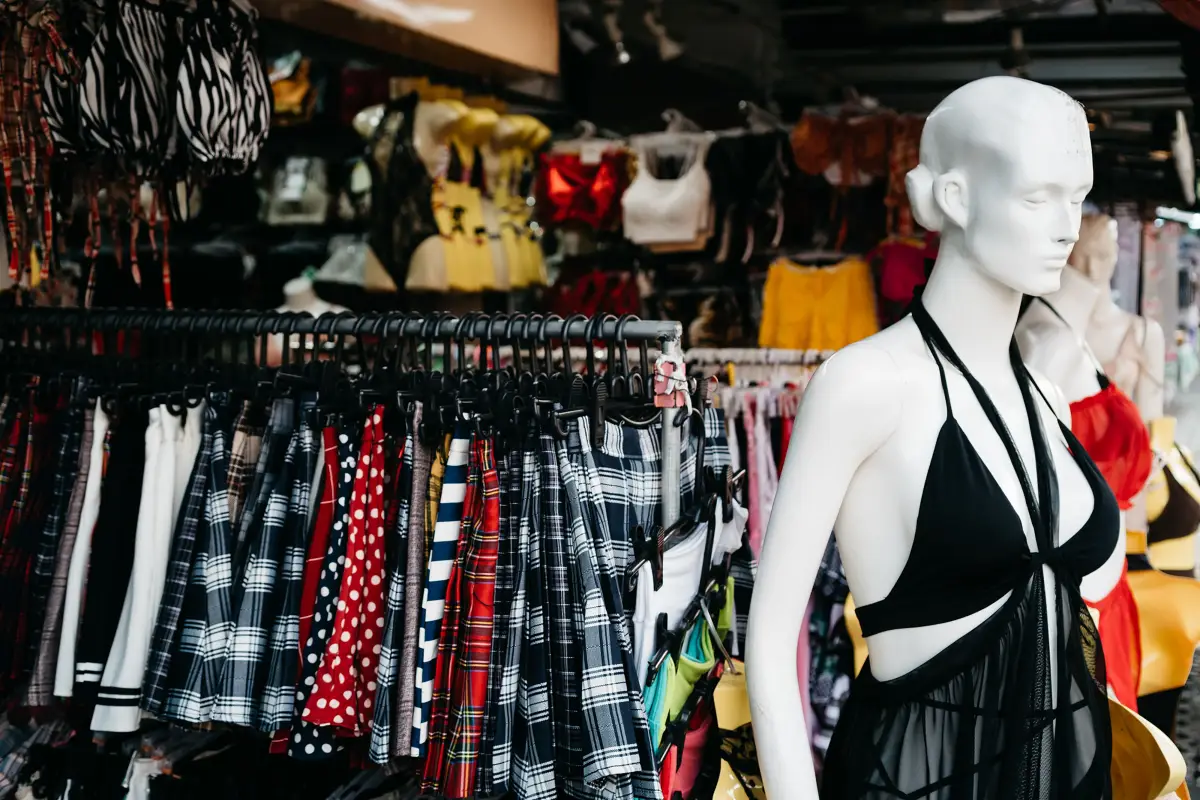
Tanah Abang Market Jakarta deserves a spot on your itinerary, especially if you have even a passing interest in textiles, fashion, or just love the thrill of a chaotic, colorful market. It is not a polished, air-conditioned mall experience. It is loud, crowded, and completely unpretentious, and that is exactly why locals and visiting buyers keep coming back. Whether you are a small business owner sourcing fabric or a traveler hunting for a batik souvenir, this guide will walk you through everything you need to know before you go.
Tanah Abang has earned its reputation as the biggest textile market in Southeast Asia, and once you step inside, it is easy to see why. The complex houses thousands of stalls and shops spread across multiple towering blocks, all dedicated to fabric, clothing, and accessories. Traders from across Indonesia, and even neighboring countries, come here to source materials in bulk, which keeps the whole area buzzing from early morning.
What sets Tanah Abang apart from Jakarta's other traditional markets is sheer scale and specialization. While other markets sell a bit of everything, Tanah Abang has built its identity almost entirely around textiles and fashion. If you want a broader look at how this market compares to the city's other shopping spots, our guide to traditional markets in Jakarta offers useful context before you dive in.
The product range at Tanah Abang textile market is genuinely impressive. Here is what shoppers typically come looking for:
Because so many vendors specialize, it pays to walk a bit before settling on the first stall you see. Prices and quality can vary noticeably between neighbors selling seemingly identical items.
Understanding the layout will save you a lot of confused wandering. The market is split into several connected blocks, and each has its own personality.
This is the tallest and most visited building, with multiple floors organized loosely by product type. The lower floors tend to have more retail-friendly stalls, making it the best starting point for tourists who want to buy just a piece or two of batik or a few hijabs without committing to bulk quantities.
Located just across from Blok A, Blok B leans heavier into wholesale fabric and garment trading. Prices here often drop significantly if you are buying by the roll or by the dozen, which makes it popular with small business owners and tailors.
Surrounding the two main buildings are rows of smaller shops and street-level stalls that spill out onto the surrounding streets. These areas can be less structured but sometimes hide great deals, especially for accessories and last-minute finds.
Tanah Abang opening hours generally run from around 8 or 9 AM until 5 or 6 PM, though some stalls stretch their hours a bit longer depending on foot traffic. Weekday mornings tend to be the calmest time to browse, before the market fills up with both retail shoppers and wholesale buyers placing large orders.
Fridays are worth noting, since many vendors take a break around midday for Friday prayers, which can shorten the shopping window. Sundays, on the other hand, are noticeably quieter across the whole complex, so if you prefer a less overwhelming experience, that is a good day to plan around, even if it means slightly fewer open stalls.
Figuring out how to get to Tanah Abang Jakarta is simpler than it looks once you know the main routes.
If navigating public transport on your own feels like a hassle, joining a structured outing like the Jakarta full-day shopping and food culinary tour takes the guesswork out of getting around while also pairing your market visit with some excellent local eats.
Bargaining is part of the culture at Tanah Abang, and vendors generally expect it, especially in the more retail-oriented sections. A few practical tips:
A few small preparations make a big difference at a market this size. Wear comfortable shoes, since you will be walking and climbing stairs across multiple floors. Bring a reusable bag for smaller purchases, and keep cash organized in a secure pocket or bag, since the aisles can get tightly packed during busy hours. It also helps to have a rough idea of what you want beforehand, since the sheer number of stalls can be overwhelming without a plan.
If you are combining your Jakarta trip with other experiences, consider rounding out your day with a visit to the Jakarta night tour for a completely different side of the city after dark, or check out our guide on where to find the best Padang food in Jakarta for a well-earned meal after all that walking.
Yes, tourists can buy single items or small quantities in retail sections, though prices are best for those buying in bulk. Blok A's upper floors cater well to individual shoppers looking for batik or hijabs.
Most shops open around 8-9 AM and close by 5-6 PM, though some stalls stay open later. Fridays may see shorter hours due to midday prayers, and the market is quieter on Sundays.
The easiest way is the KRL commuter train to Tanah Abang Station, which is a short walk from Blok A and Blok B. Ride-hailing apps like Gojek or Grab are also convenient but may face heavy traffic during peak hours.
Bring moderate cash for small purchases and keep valuables secure in crowded areas. Larger wholesale transactions often accept bank transfers, so it's not necessary to carry large sums.
Yes, many visitors pair it with a broader shopping and culinary route through Jakarta, or include it as part of a full-day guided city tour that covers other highlights.
Ready to explore Tanah Abang without the stress of navigating solo? Book the Jakarta full-day shopping and food culinary tour with Ekaputra Tour and let a knowledgeable local guide handle the routes, translations, and haggling while you focus on the finds.