Navigasi Utama
If you are considering a trip to Indonesia's last traditional tribe, one of the first questions that comes to mind is simple: how hard is the Baduy trek, really? It is a fair question, because unlike a quick city tour, visiting the Baduy requires walking into the hills of Lebak, Banten, where cars, motorbikes, and even paved roads are left behind. This guide breaks down exactly what the trek involves, how demanding it is, and how to prepare so you can decide with confidence whether it is the right adventure for you.
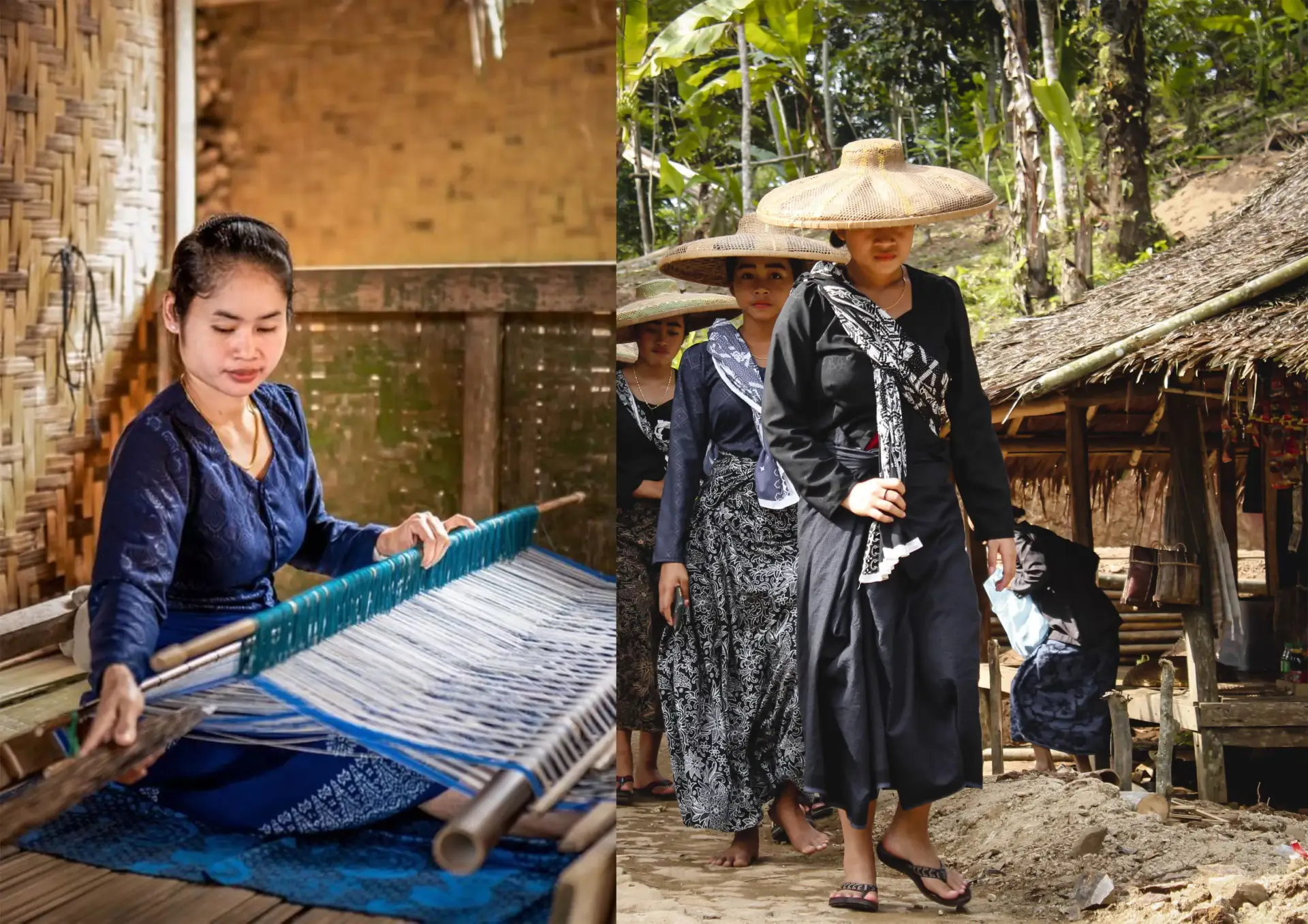
A Baduy trek is not a casual stroll through a museum village. It is a walk into a living community that has intentionally chosen to stay outside the modern world, with no electricity, no vehicles, and no industrial materials allowed inside their territory. Because of these self-imposed rules, the only way in is on foot. Depending on the itinerary, visitors typically start from a village on the outer boundary, called Baduy Luar, and continue further into Baduy Dalam, the inner, more traditional zone.
The walk itself weaves through rice fields, forest paths, and small hamlets, giving you a close-up look at a way of life that has remained largely unchanged for centuries. If you want a deeper look at what the visit itself involves beyond the physical trek, our guide on how to visit Indonesia's last traditional tribe covers the cultural side in detail.
Baduy trek distance varies depending on which village you visit and how deep into the territory you go. Shorter routes may only take a couple of hours round trip, while a full exploration into Baduy Dalam can turn into a longer full-day trek. Expect a mix of:
There are no paved roads or handrails along the way, so the terrain feels rustic and authentic, exactly as the Baduy intend it to remain. This is part of what makes the experience memorable, but it is also the main factor behind the overall Baduy trekking difficulty.
So, is Baduy trekking hard for beginners? Not particularly, but it does require more than the fitness needed for a flat city walk. Most travelers would categorize the Baduy village fitness level as moderate: you do not need mountaineering experience or advanced hiking gear, but you should be comfortable walking continuously for two to four hours, sometimes longer, on uneven ground.
If you regularly walk, climb stairs, or do light outdoor activity without getting winded, you will likely find the trek very manageable. Those who are sedentary or unaccustomed to walking long distances may find it tiring, especially during the warmer parts of the day, but the pace can usually be adjusted with your guide to keep things comfortable.
Distance and hills are only part of the story. The Baduy tribe hike difficulty is often shaped just as much by Indonesia's tropical climate as by the trail itself. Humidity stays high throughout the year, and even a moderate walk can feel more draining than expected once the sun is out in full force.
River crossings add another layer of challenge. While generally shallow and safe with a guide's assistance, they require decent footing, balance, and a willingness to get your shoes a little wet. Rain can also change conditions quickly, turning dry dirt paths into slick mud within minutes. None of this should discourage you, but it is worth being mentally and physically prepared rather than expecting a dry, flat, air-conditioned experience.
While most healthy travelers can complete a Baduy trek comfortably, a few groups should plan carefully or consider alternative options:
If you fall into one of these categories, it does not necessarily mean the trip is off the table entirely. Many guides, including those at Ekaputra Tour, can adjust the route length and pace based on your group's ability, so honest communication beforehand is key.
You do not need months of training, but a little preparation makes a noticeable difference. In the two to three weeks before your trip, try to:
This modest preparation is usually enough to comfortably handle the physical side of the trek, even if you are not an avid hiker.
A smoother experience often comes down to small, practical choices rather than raw fitness. Consider the following:
It's also worth planning your trip logistics ahead of time. Many travelers combine the trek with reliable transport, such as a private car charter with an English-speaking driver, to reach the trailhead comfortably before the walk even begins. And if you're arriving from abroad, arranging a smooth airport transfer service beforehand helps you start the trip well-rested.
No, you don't need hiking experience, but being comfortable walking for 2-4 hours on uneven ground without stopping frequently will make the trip far more enjoyable.
Depending on the specific village visited and route chosen, treks typically range from a few kilometers to a longer full-day trek, with hills, dirt paths, and occasional river crossings.
It can be, but it depends on their walking stamina and health. Shorter or easier routes exist, so it's best to tell your guide in advance so the itinerary can be adjusted.
Closed, sturdy walking shoes with good grip, lightweight breathable clothing, and a hat are strongly recommended, since parts of the trail can be muddy or slippery after rain.
Yes, you'll typically carry a small daypack with water and essentials, so packing light is important to keep the walk manageable.
It tends to involve more sustained walking than short waterfall or garden hikes, but it's still achievable for most reasonably active travelers with proper pacing.
Ready to experience this remarkable journey for yourself? Join our Baduy tribe and village trekking tour and let our experienced guides help you enjoy every step, from the first hill to the heart of Baduy Dalam.