Navigasi Utama
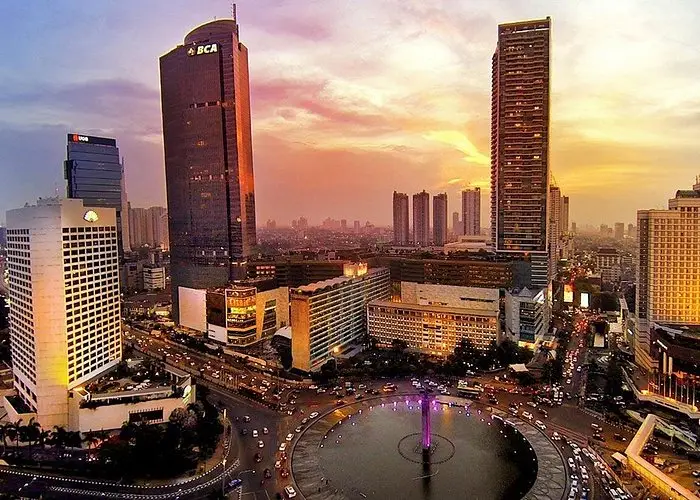
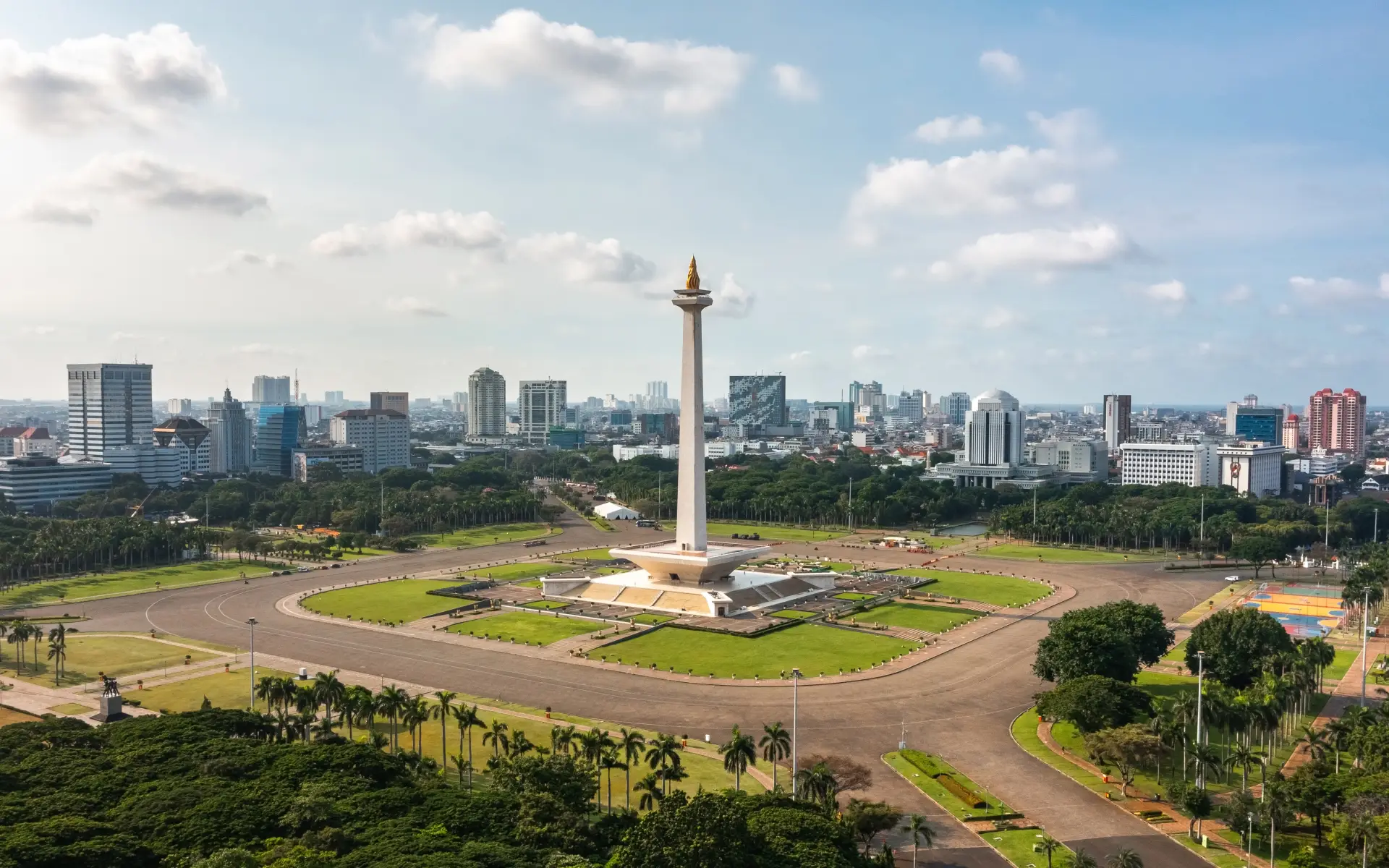
Jakarta is often seen as a fast-paced metropolitan city filled with skyscrapers, busy streets, and modern shopping centers. While this image reflects the capital’s dynamic growth, it only tells part of the story.
Behind the modern skyline, many neighborhoods still preserve traditional lifestyles that have existed for generations.
Local markets remain busy with daily activity, historic districts continue to attract visitors, and old trading areas still reflect the cultural influences that shaped the city. Exploring these places offers a deeper understanding of Jakarta beyond its modern façade.
Jakarta’s identity has been shaped by centuries of cultural exchange. The indigenous Betawi community, Chinese traders, and European colonial influences have all played a role in forming the character of the city.
Even today, these cultural layers can still be seen in everyday life. Traditional marketplaces, historic neighborhoods, and old port areas remain important parts of the urban landscape.
Visiting these places allows travelers to experience a side of Jakarta that is often overlooked by those who only focus on modern attractions.
Several areas across Jakarta still reflect the city’s traditional character. These districts offer visitors a glimpse into everyday life, where commerce, culture, and history come together in vibrant and authentic ways.
Glodok is one of the oldest trading districts in Jakarta and serves as the heart of the city’s Chinatown. The area is known for its lively streets filled with traditional shops, temples, and markets.
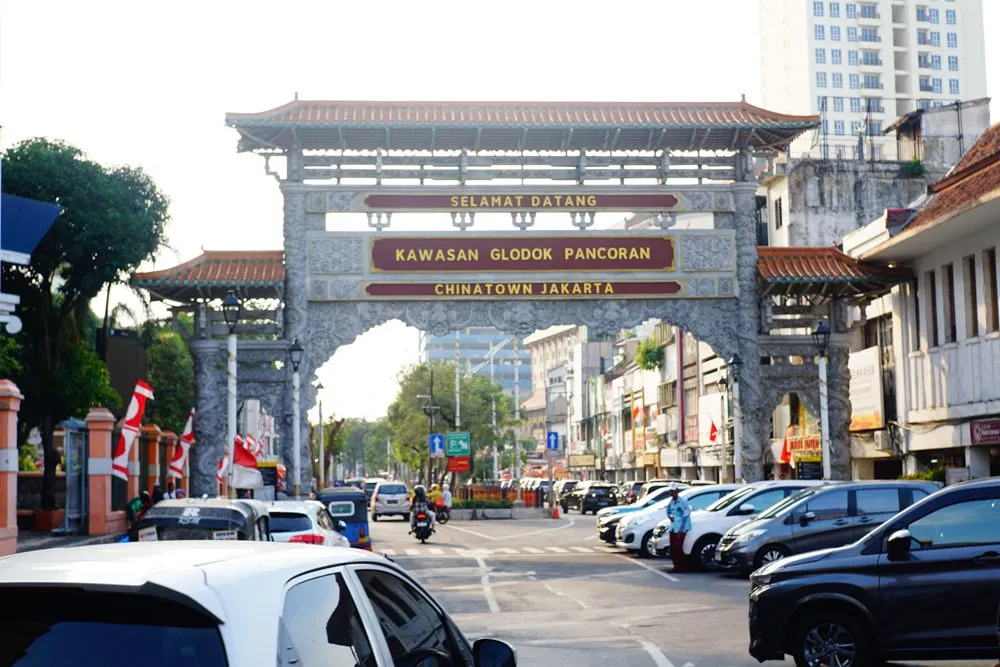
Walking through Glodok reveals a vibrant mix of cultures. Vendors sell herbal medicines, traditional snacks, and fresh ingredients, while locals visit the area for daily shopping.
Historic temples and narrow streets add to the atmosphere, making Glodok a fascinating place to observe both cultural heritage and daily life.
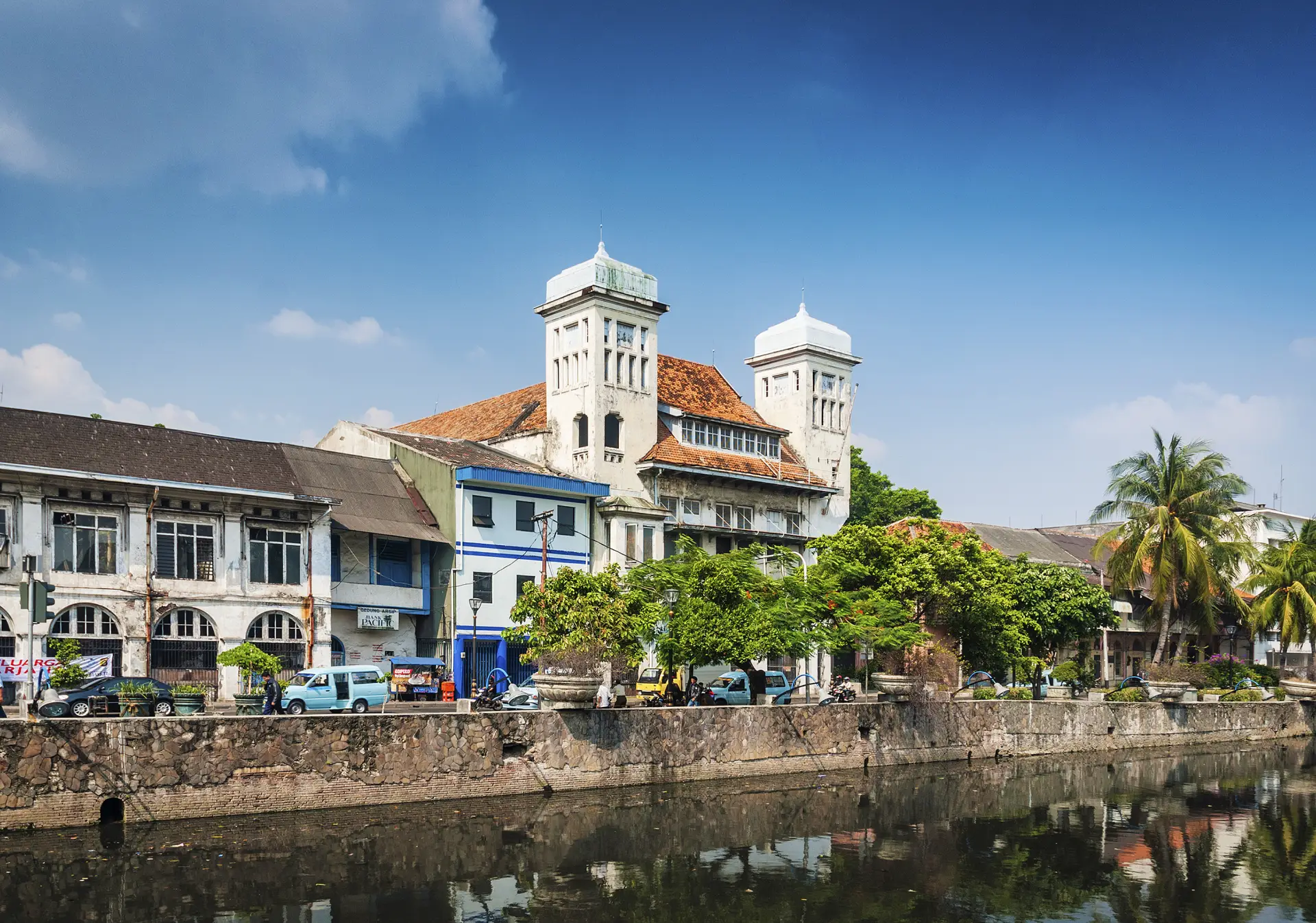
Kota Tua, also known as Jakarta Old Town, reflects the city’s colonial past. The district was once the administrative center during the Dutch East Indies era and is now one of the most recognizable historic areas in the capital.
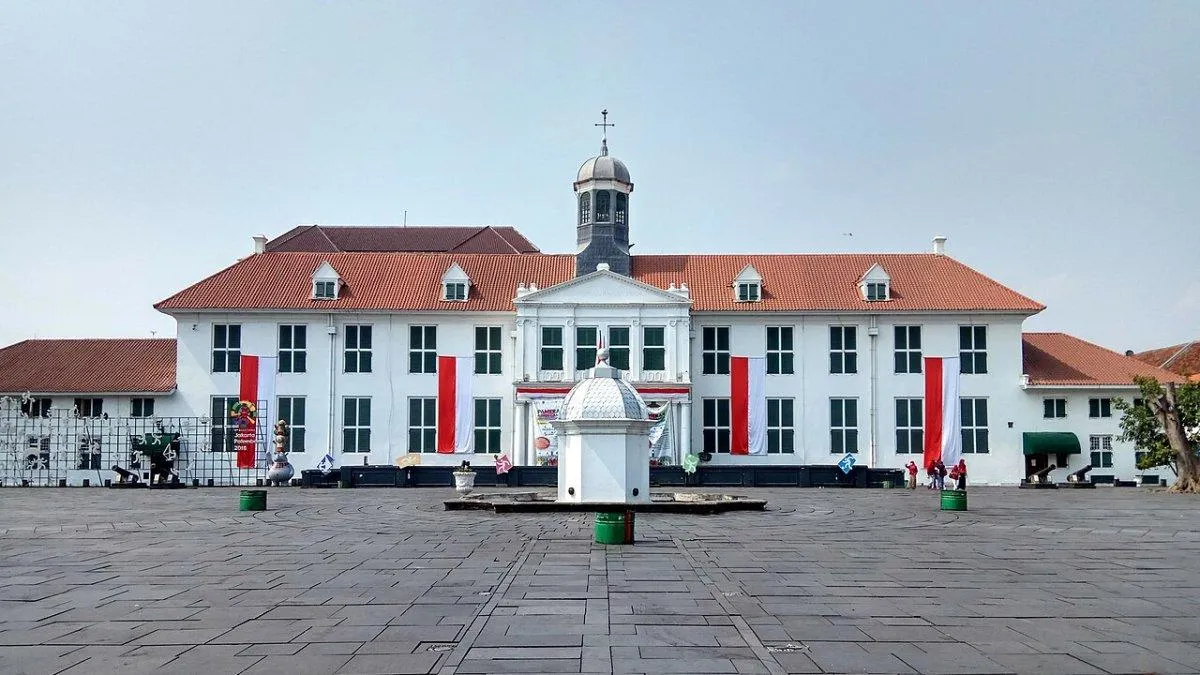
Large colonial buildings surround the central square, many of which have been converted into museums and cultural spaces.
The area is lively with street performers, small food vendors, and visitors exploring the historic streets. Walking around Kota Tua offers a glimpse into Jakarta’s early development as a major trading port.
Pasar Baru is one of Jakarta’s oldest shopping districts, dating back to the 19th century.
Historically, it became a popular trading center where merchants from different cultural backgrounds gathered to sell textiles and goods.
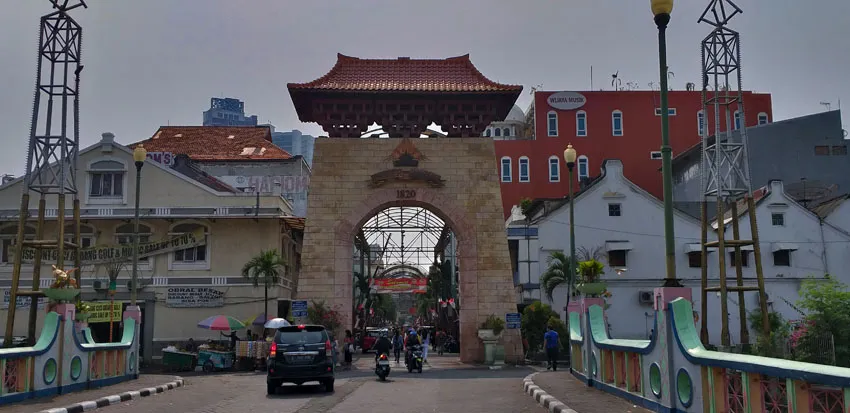
Today, the area still retains its traditional charm. Visitors can explore long corridors lined with small shops selling fabrics, clothing, and specialty products.
The atmosphere reflects the long history of commerce that continues to shape daily life in the district.
Located close to Glodok, Petak Sembilan Market is a lively traditional market known for its fresh produce and street food.
The narrow alleys are filled with stalls selling vegetables, spices, seafood, and a wide variety of local ingredients.
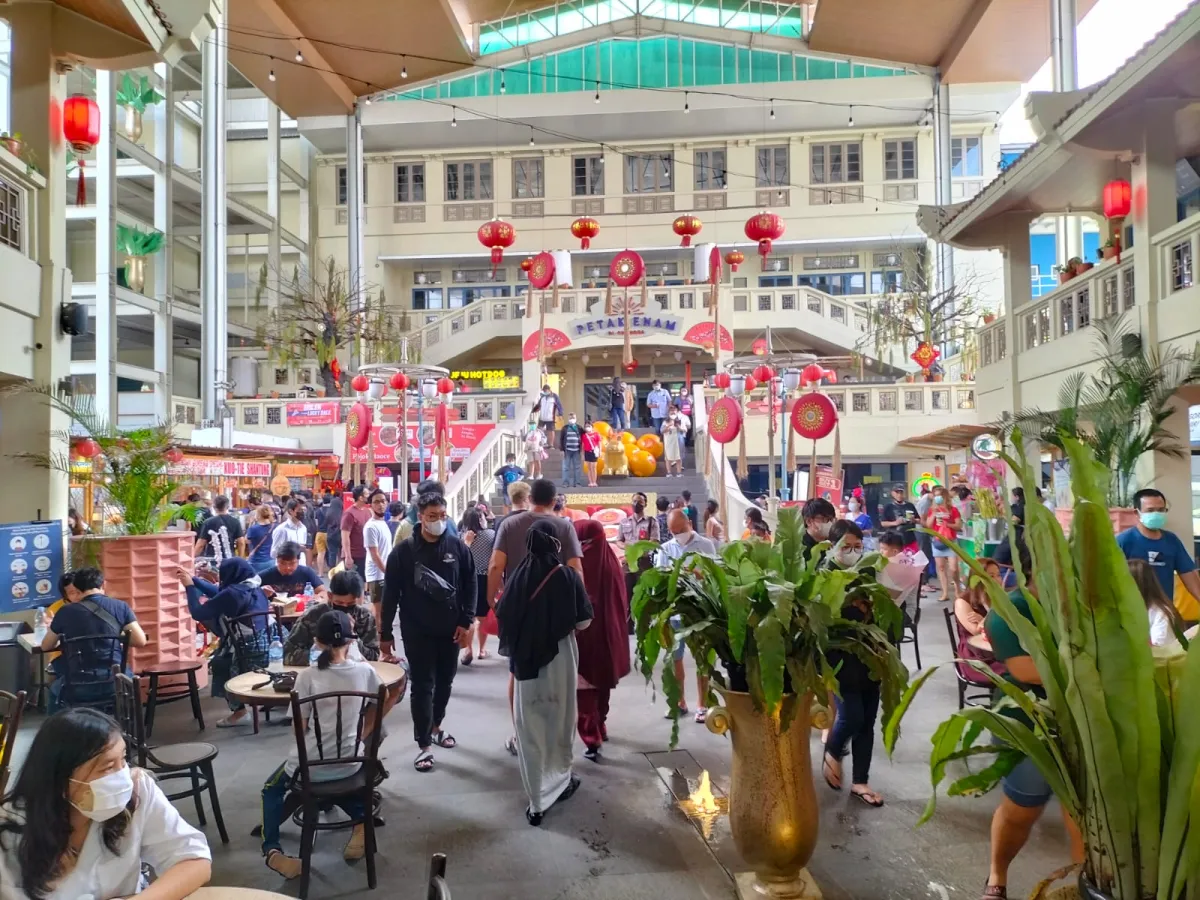
The market offers an authentic look at how residents shop and interact in their daily routines.
Visitors can observe the lively exchanges between vendors and customers while experiencing the vibrant energy that defines many traditional markets in Jakarta.
Sunda Kelapa Harbor is one of the oldest ports in Jakarta and an important part of the city’s maritime heritage.
Long before modern shipping terminals existed, this harbor served as a key trading gateway for the region.
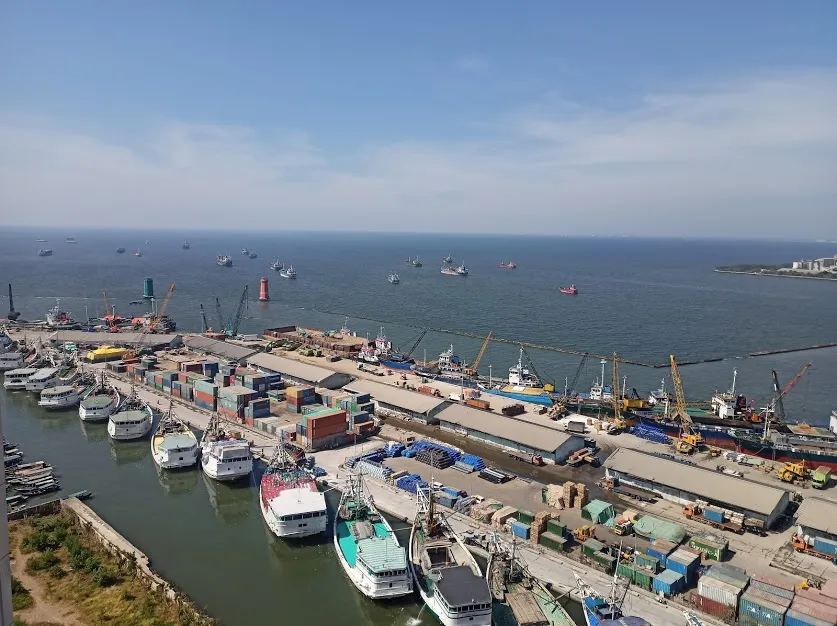
Even today, traditional wooden cargo ships known as Pinisi still dock along the harbor. Workers manually load and unload goods, continuing practices that have been carried out for generations.
Watching these activities offers a unique glimpse into Indonesia’s long maritime tradition.
Exploring the traditional side of Jakarta offers a very different perspective compared to typical city sightseeing.
Instead of focusing only on famous landmarks, visitors can observe the daily rhythm of life in neighborhoods that have preserved their character over time.
Markets, historic trading districts, and cultural communities all reveal how traditions remain connected to modern urban life. These experiences often provide a more personal understanding of the city and its people.
When visiting traditional areas in Jakarta, wearing comfortable clothing and walking shoes can make the experience more enjoyable. Many of these neighborhoods are best explored on foot, especially around markets and historic streets.
Arriving earlier in the day can also enhance the experience, as traditional markets are usually most active in the morning.
Visitors may see vendors preparing their stalls and locals purchasing fresh ingredients for the day.
Taking time to observe the surroundings and interact respectfully with local communities can make the experience even more meaningful.
For travelers who want to explore several cultural districts in one journey, having a well-organized itinerary can make the experience more convenient.
With Ekaputra Tour, visitors can explore different historical and cultural areas of Jakarta while traveling comfortably between destinations. This allows travelers to focus on discovering the city’s heritage while learning more about the stories and traditions behind each location.
Jakarta may be widely known for its modern skyline and fast-paced lifestyle, but the city’s traditional roots remain an important part of its identity.
Historic districts, traditional markets, and old harbor areas continue to reflect the cultural diversity that has shaped Jakarta for centuries.
Exploring these places allows visitors to experience the authentic character of the capital while discovering stories that often remain hidden behind the city’s modern image.