Navigasi Utama
Java's culture is not something you only read about in museums. It breathes through nightly shadow puppet shows, echoes in the metallic shimmer of Gamelan orchestras, and moves gracefully across royal courtyards where dancers have trained for generations. Javanese traditional arts and performances are a living heritage, still practiced, still evolving, and still capable of giving visitors goosebumps centuries after they first began.
Unlike many performing traditions that have faded into ceremonial rarity, Javanese arts remain woven into daily life. Village communities still commission Wayang Kulit performances for weddings and harvest celebrations. Royal courts in Yogyakarta and Surakarta continue training young dancers in centuries-old choreography. This continuity is part of what makes traditional Javanese culture so compelling for travelers: you're not watching a reenactment, you're witnessing something genuinely alive.
These art forms also carry UNESCO recognition, with Wayang puppet theatre and batik both inscribed as Intangible Cultural Heritage. That global acknowledgment reflects what Javanese communities have always known: these performances are vessels of philosophy, education, and identity, not just entertainment.
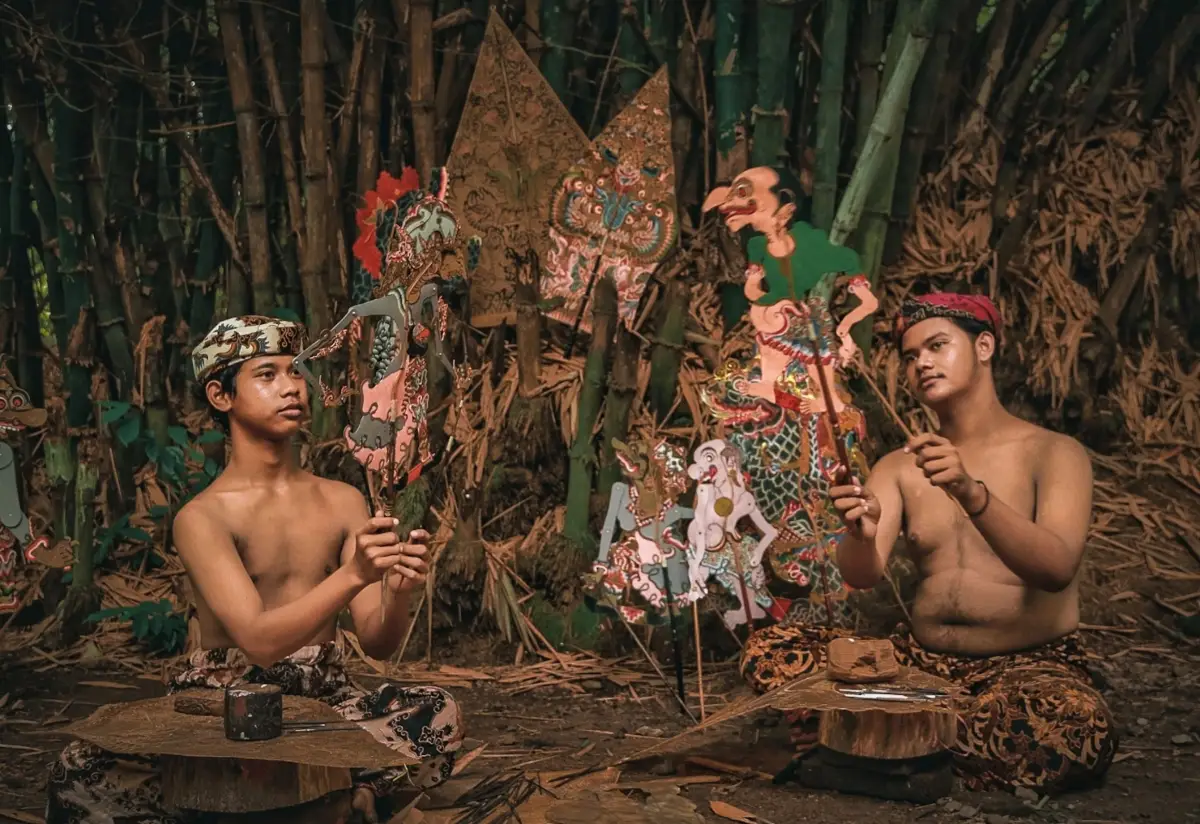
Few art forms capture the imagination quite like the Wayang Kulit shadow puppet. Intricately carved from buffalo hide and painted with fine detail, these flat puppets are manipulated by a single master performer called a dalang, who voices every character, cues the musicians, and narrates the story, often for hours on end.
Performances typically draw from the Ramayana and Mahabharata epics, projected as shadows onto a stretched white screen lit from behind by an oil lamp or, more commonly today, electric light. Audiences can watch from either side: the shadow side for the mystical silhouette experience, or the puppeteer's side to appreciate the dalang's astonishing dexterity and vocal range.
No Javanese traditional arts and performances experience is complete without Gamelan music Java resonating in the background. A full ensemble includes bronze metallophones, hanging and horizontal gongs, hand drums called kendang, and occasionally a rebab or bamboo flute for melodic accents.
What makes Gamelan distinct is its tuning. Instruments are set to one of two scales, slendro or pelog, both pentatonic but each carrying a different emotional color. The interlocking rhythms require intense group coordination, yet the result feels meditative rather than mechanical. Gamelan doesn't just accompany performances, it sets the spiritual tone for everything from Wayang Kulit to royal dance.
Javanese classical dance developed almost entirely within palace walls, and it shows in the discipline and symbolism behind every gesture. Bedhaya is perhaps the most revered, traditionally performed by nine female dancers in slow, hypnotic unison to honor the sultan or mark significant royal occasions. Serimpi, a related form usually performed by four dancers, shares that same meditative quality but with slightly more narrative structure.
Golek, by contrast, is often used to introduce dance to younger performers or newer audiences, featuring livelier movement while still maintaining the refined posture central to Javanese aesthetics. These dances remain actively preserved by palace institutions, and travelers exploring Yogyakarta's royal heritage can often see rehearsals or scheduled performances within the Kraton itself.
If Wayang Kulit tells epic stories through shadow, Wayang Orang performance brings those same tales to life through human dancers in elaborate costume and makeup. Performers train for years to master the stylized movement vocabulary, from the fierce stomping of warrior characters to the delicate hand gestures of royal figures.
The dialogue often blends spoken Javanese, sung verse, and expressive dance, accompanied by a live Gamelan orchestra. It's theatrical, dramatic, and surprisingly emotional even for viewers unfamiliar with the language, since the choreography itself communicates conflict, romance, and triumph.
Travelers curious about how these performances fit into the broader cultural landscape of the region may enjoy this guide on where to experience Javanese traditions in Yogyakarta, which covers venues beyond just Wayang Orang.
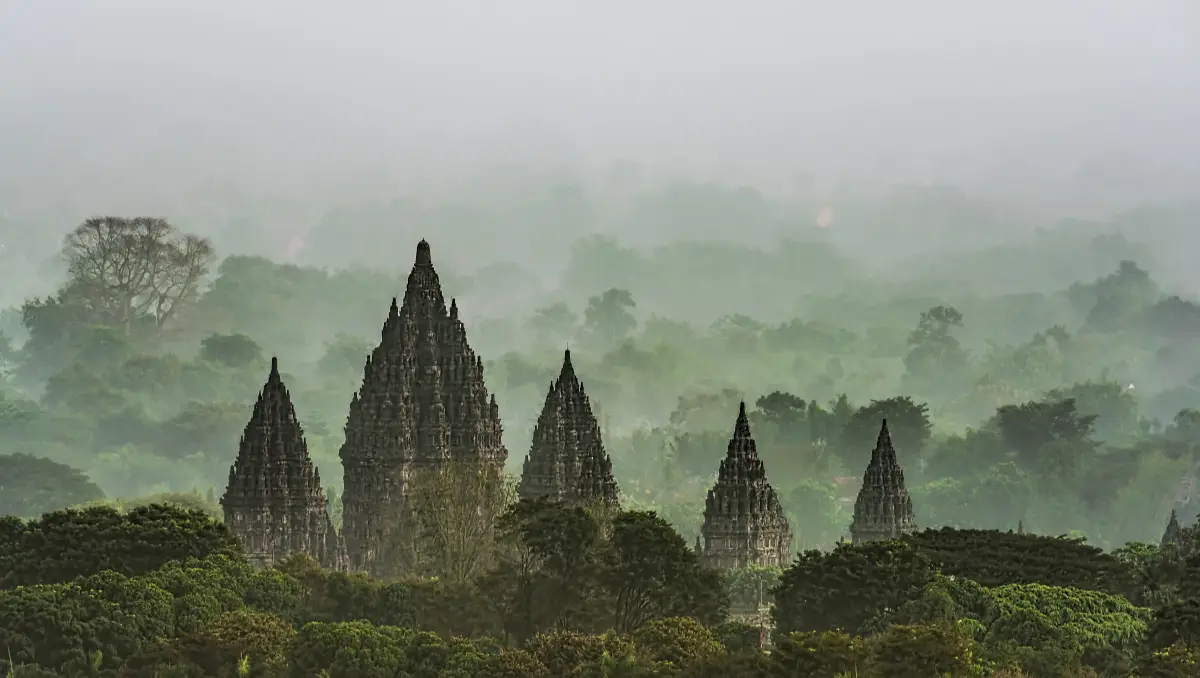
Arguably the most spectacular showcase of Javanese classical dance is the Ramayana Ballet Java performance staged at the Prambanan Temple complex. Set against the illuminated silhouette of ninth-century Hindu temples, the ballet retells the story of Prince Rama and Princess Sita through a combination of dance, Gamelan music, and elaborate costuming, all without spoken dialogue.
The open-air stage, combined with the ancient backdrop, creates an atmosphere that indoor theaters simply can't replicate. It's often considered one of Indonesia's must-see cultural experiences, and many multi-day Yogyakarta itineraries build an evening around it.
If you're planning a Java itinerary and want performances included alongside temple visits and royal heritage sites, the Best of Yogyakarta Tour covers many of these cultural touchpoints in a single well-paced trip.
What ties all these art forms together isn't just shared mythology, it's shared philosophy. Javanese performing arts consistently emphasize restraint over excess, inner discipline over outward display, and harmony between humans, nature, and the spiritual realm. A dancer's slow, controlled movement in Bedhaya isn't a lack of energy, it's a demonstration of mastery over the self.
Wayang stories, whether performed as shadow puppetry or Wayang Orang, are rarely just entertainment. They're moral lessons disguised as epic adventure, exploring loyalty, duty, ego, and fate through characters that Javanese audiences have known since childhood. Even Gamelan's interlocking structure mirrors a broader cultural value: individual parts matter only in relation to the whole.
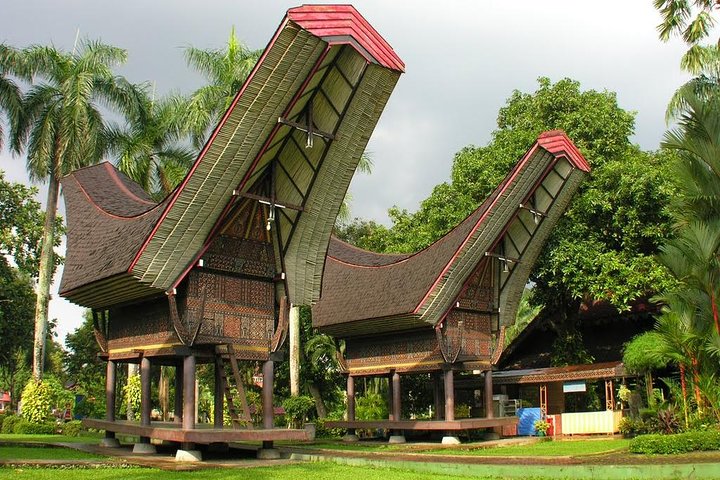
For travelers based in Jakarta before heading to Central Java, Taman Mini Indonesia Indah offers an accessible introduction to performances from across the archipelago, including Javanese dance and music, all within one park. Both the full-day Jakarta culture and traditional house tour and the shorter half-day TMII tour include time to catch live cultural showcases.
Once in Yogyakarta, seeing a Ramayana Ballet performance near Prambanan, visiting the Kraton for classical dance rehearsals, or catching an evening Wayang Kulit show are all realistic additions to a well-planned itinerary. Pairing performances with markets and craft centers, such as those detailed in our guide to the Ngasem Traditional Market, rounds out a day with both visual art and live performance.
If you'd also like to bring home a piece of the culture, our article on where to buy Javanese traditional clothing is a helpful companion for shopping after the show.
Wayang Kulit uses flat leather puppets manipulated behind a lit screen, while Wayang Orang features live human dancers acting out the same epic stories, such as the Ramayana and Mahabharata, in full costume.
A typical Gamelan includes bronze metallophones, gongs, drums (kendang), and sometimes bamboo flutes or a rebab (bowed string instrument), all tuned to distinct pentatonic scales called slendro and pelog.
Yes, dances like Bedhaya and Serimpi are still performed in royal courts, cultural centers, and public festivals, often preserved by palace institutions such as the Yogyakarta Kraton.
The most famous open-air performance takes place near Prambanan Temple in Yogyakarta, typically staged on select evenings against the backdrop of the illuminated temple complex.
No, most performances rely on visual storytelling, music, and expressive movement, making them accessible and enjoyable even without understanding the spoken or sung narration.
Ready to experience these traditions in person rather than just reading about them? Book the Best of Yogyakarta Tour - 3 Days with Ekaputra Tour and let us handle the details while you focus on soaking in the shadow plays, Gamelan rhythms, and royal dances that make Java's culture unforgettable.