Navigasi Utama
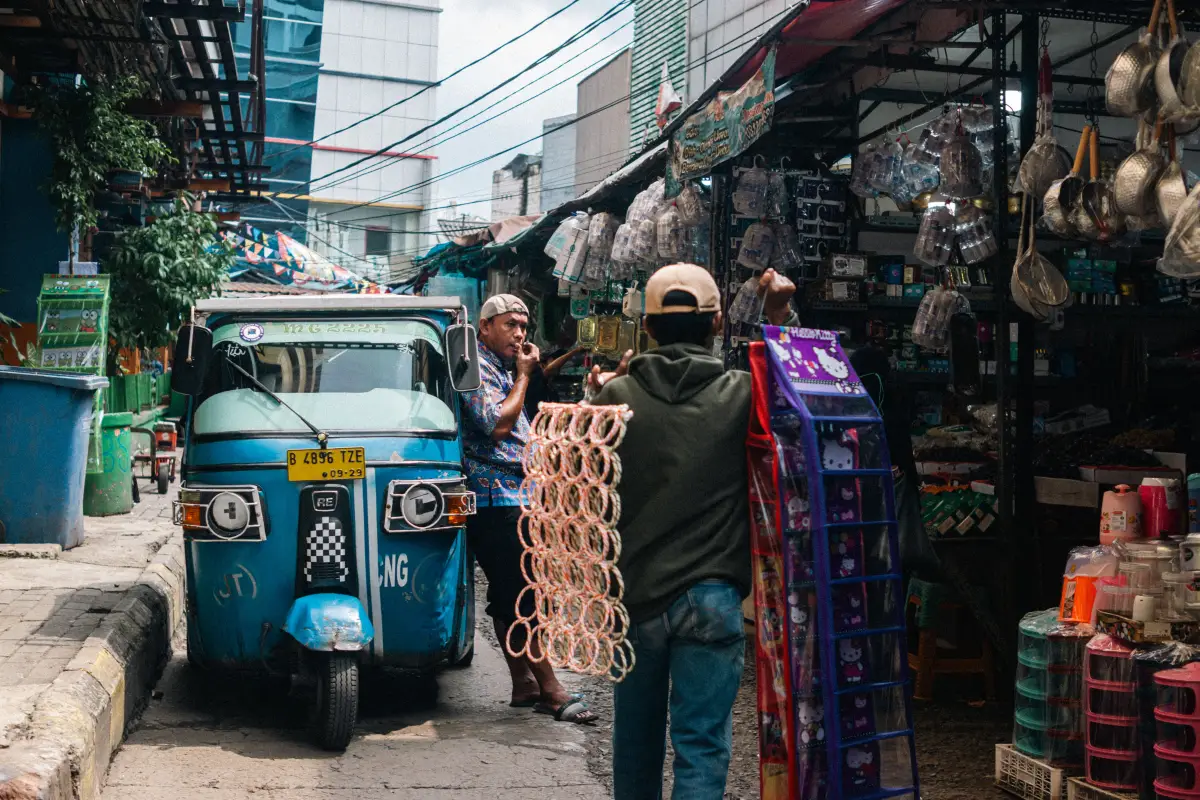
Jakarta's traditional markets are where the city truly reveals itself. Beyond the glass towers and air-conditioned malls, these bustling hubs of trade have operated for generations, some for well over a century, serving as the beating heart of local commerce and community life. If you want to understand how Jakarta actually functions day to day, spending a few hours wandering through a traditional market will teach you more than any museum.
Traditional markets in Jakarta are living, breathing spaces where vendors, shoppers, and generations of tradition intersect. Unlike shopping malls, these markets are unscripted. You'll see grandmothers haggling over the price of chilies, tailors measuring fabric by hand, and street food vendors flipping snacks on well-worn woks. It's chaotic in the best way, and it's a window into how millions of Jakartans actually shop, eat, and socialize.
For travelers, visiting a Jakarta wet market or textile bazaar isn't just about shopping. It's a cultural experience that connects you to the city's history, its diverse communities, and its everyday rhythms. Many of these markets date back to the Dutch colonial era, and their layouts, architecture, and even their specialty goods reflect centuries of trade between Indonesian, Chinese, Arab, and European merchants.
Not all traditional markets are the same, and knowing the differences will help you plan your visit around what interests you most.
Understanding these categories helps you set expectations, since a fresh produce market and a fabric wholesale market require very different visiting strategies.
Jakarta has dozens of traditional markets, but a handful stand out for their history, scale, or unique specialty.
Tanah Abang textile market is widely considered the largest textile wholesale market in Southeast Asia. Spread across multiple massive buildings, it offers everything from batik and hijabs to ready-made garments at prices that reward buying in bulk. Even if you're only shopping for yourself, the sheer scale of the place is worth experiencing.
Pasar Baru Jakarta is one of the city's oldest markets, with roots stretching back over a century. It's known for its tailoring shops, fabric stores, and a strong Chinese-Indonesian heritage that shows up in the architecture and the food stalls tucked between shopfronts. It's a great spot for custom clothing or simply soaking in the old-world atmosphere.
Once a struggling traditional market, Pasar Santa reinvented itself as a hip spot combining traditional trade with independent cafes, vintage record shops, and creative small businesses. It's a good example of how Jakarta's markets continue to evolve.
Located in Jakarta's historic Chinatown, Glodok offers a mix of electronics, traditional medicine shops, and food stalls serving some of the best Chinese-Indonesian cuisine in the city.
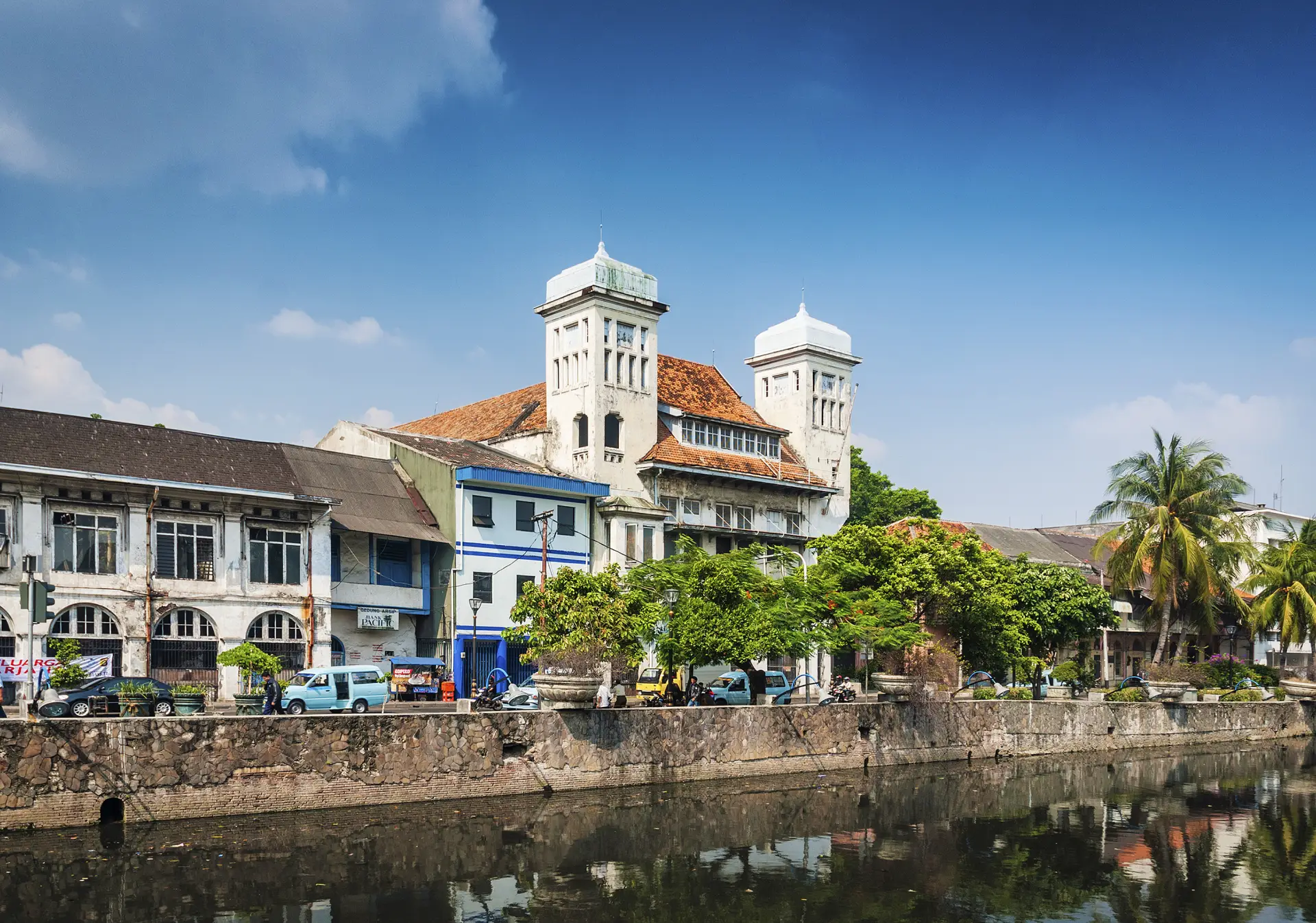
If you're planning to explore the old town area more broadly, pairing a market visit with a walk through the colonial district makes for a rich day. This one-day plan combining Jakarta's Old Town with a night tour is a useful reference for structuring your time.
Each market has its own specialty, but across the city, shoppers can expect to find:
If you're building a shopping list for your trip home, our guide on the best souvenirs to buy after a Jakarta food tour pairs nicely with a market visit, since many of the same items show up in both settings.
No visit to a traditional market in Jakarta is complete without eating your way through it. Markets are often surrounded by, or built around, some of the best street food vendors in the city.
Look out for kerak telor, a spicy Betawi-style omelette made with glutinous rice and dried shrimp, often cooked right in front of you over a charcoal stove. Soto betawi, a rich coconut milk based beef soup, is another Jakarta specialty frequently found near market entrances. Gorengan, an assortment of fried snacks like tempeh, tofu, and banana fritters, makes for an easy grab-and-go bite between shopping stops. Fresh tropical fruits, from rambutan to salak, are also widely available and a refreshing way to cool down.
For travelers concerned about dietary requirements, our halal food guide for Jakarta and Yogyakarta covers what to look for when eating at markets and street stalls.
Bargaining is part of the culture at most traditional markets in Jakarta, particularly for clothing, textiles, and souvenirs. Here are a few practical tips:
Fixed-price stalls, particularly for food, generally don't expect bargaining, so it's worth reading the room before you start negotiating.
Timing matters a lot when visiting Jakarta's traditional markets. Wet markets selling fresh produce are typically busiest and freshest between 6 AM and 10 AM, since vendors restock overnight and morning shoppers get first pick. Textile and antique markets, on the other hand, tend to pick up from mid-morning through early afternoon, once shops fully open and foot traffic builds.
Traffic in Jakarta can be unpredictable, so it's worth planning your route in advance or using a ride-hailing app to avoid parking hassles near crowded market areas. If you're arriving from outside the city, our guide on getting between Jakarta and Yogyakarta by flight, train, or private car can help you plan the logistics of a longer Java itinerary that includes market time in Jakarta.
Most markets are safe to visit during the day, but as with any crowded public space, it pays to stay alert, keep valuables secure, and avoid flashing expensive electronics or jewelry.
If navigating Jakarta's traditional markets on your own feels overwhelming, especially with language barriers and unfamiliar layouts, joining a guided tour can make the experience far more enjoyable. A local guide knows which stalls offer the best deals, which snacks are must-tries, and how to move efficiently through crowded market areas without wasting time or getting lost.
A guided shopping and culinary tour typically weaves together traditional markets with modern malls and standout local eateries, giving you a well-rounded picture of how Jakartans shop and eat. It's also a great option if you're short on time and want to maximize what you see in a single day, without the trial and error of figuring things out solo.
Pasar Baru is one of Jakarta's oldest and most famous markets, known for textiles, tailoring services, and a mix of Chinese-Indonesian heritage shops dating back over a century.
Yes, most traditional markets are safe during daytime hours. Keep valuables secure, stay aware of your surroundings, and consider visiting with a local guide if it's your first time.
Bargaining is common and expected at most traditional markets, especially for clothing, souvenirs, and textiles. Start by offering 40-50% of the initial asking price.
Tanah Abang is Southeast Asia's largest textile wholesale market, offering fabrics, batik, ready-made clothing, and hijabs at wholesale prices, popular with both locals and tourists.
Look for kerak telor (spicy omelette), soto betawi, gorengan (fried snacks), and fresh tropical fruits, all commonly sold by vendors inside or around the markets.
Early morning between 6 AM and 10 AM is ideal for fresh produce markets, while textile and antique markets are typically busiest from mid-morning through early afternoon.
Ready to experience Jakarta's markets, street food, and shopping culture without the guesswork? Book the Jakarta Full-day Shopping & Food Culinary Tour and let a local guide take you straight to the best stalls, freshest snacks, and most authentic corners of the city.