Navigasi Utama
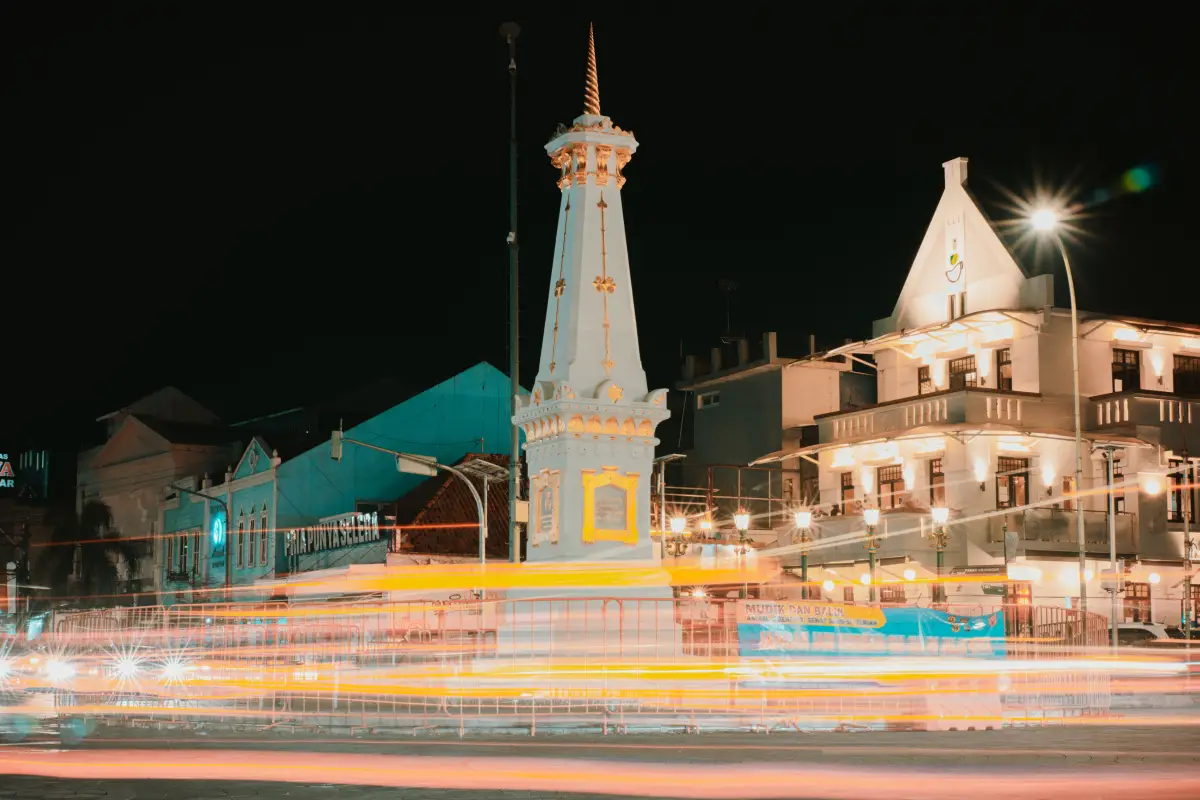
Yogyakarta by day is all temples, palaces, and museums, but once the sun goes down, the city puts on a completely different show. Streets fill with the smell of grilled satay, the glow of string lights, and the low hum of gamelan drifting from a street corner. If you are wondering about things to do in Yogyakarta at night, the honest answer is that you will not run out of options. This guide walks you through the best Yogyakarta night market spots, from the legendary Malioboro strip to the quieter charm of angkringan carts, so you can plan an evening that feels just as memorable as your daytime temple runs.
Javanese culture has always leaned into the evening hours. Traditional performances, royal ceremonies, and communal meals were historically timed around dusk, when the day's heat has faded and families gather outside. That rhythm still shapes the city today. Vendors roll out their carts as the afternoon light softens, street musicians tune up their instruments, and locals head out for a leisurely dinner that can stretch for hours. Add in the constant flow of visitors exploring nearby heritage sites, and you get a nightly buzz that feels equal parts festive and unhurried, a rare combination in a city this historically rich.
No conversation about Yogyakarta night market energy is complete without Malioboro at night. This iconic street transforms once the shops close: the sidewalks fill with woven mats and low tables known as lesehan, where you sit cross-legged to enjoy dinner under the stars. Street musicians strum keroncong tunes nearby, batik and souvenir stalls stay open late, and the horse-drawn andong carriages clip-clop past with their lanterns lit.
It is the kind of place where you can shop for last-minute gifts, snack on fresh fruit, and settle in for a proper meal all within a few steps. If you plan to shop by day too, pairing your evening stroll with a visit detailed in this Beringharjo Market shopping guide gives you a fuller sense of Malioboro's rhythm from morning market chaos to nighttime calm.
If Malioboro is about food and shopping, the Alun-Alun Kidul night market experience is about pure fun. This southern square outside the Kraton palace grounds turns into a playground after dark, with dozens of pedal-powered go-karts wrapped in colorful LED lights circling the plaza. Renting one with friends or family is practically a rite of passage for visitors.
There is also a local legend worth trying: two banyan trees stand in the center of the square, and tradition says that if you can walk blindfolded in a straight line between them, your wish will come true. Spoiler, almost nobody manages it, but the laughter it generates is half the appeal. Food carts ring the square, so you can grab a snack before or after your walk.
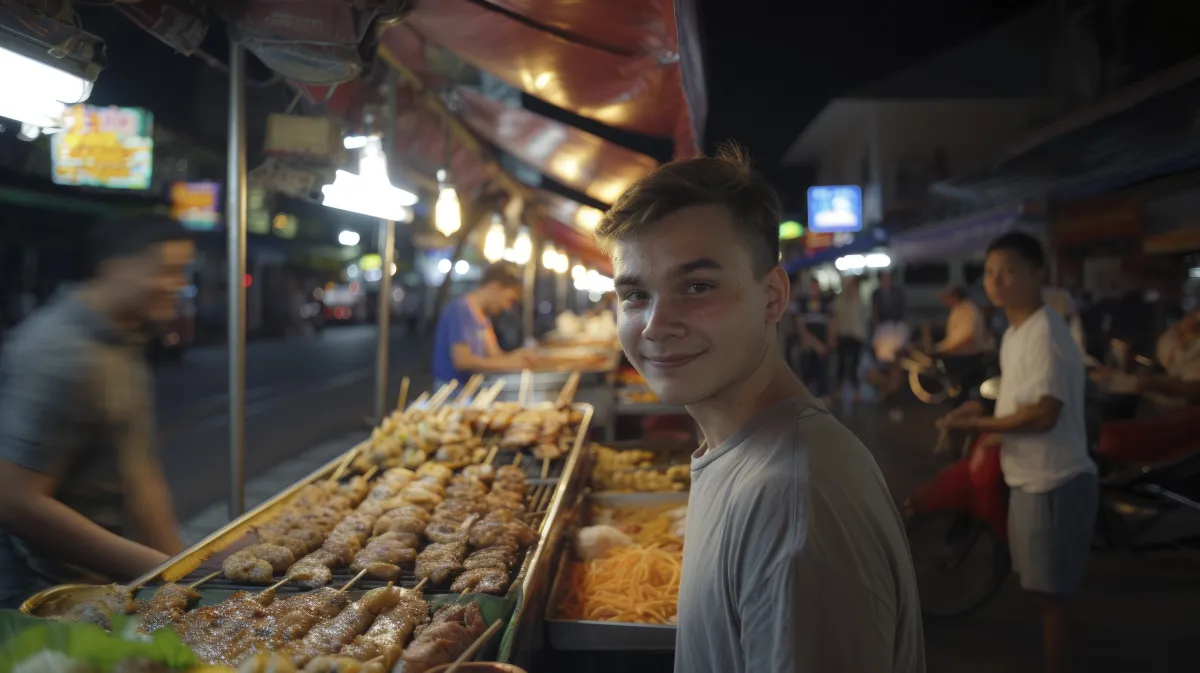
To really understand Yogyakarta street food night culture, you need to sit down at an angkringan. These simple carts, usually lit by a single gas lamp, serve nasi kucing, small portions of rice wrapped in banana leaf with a bit of sambal and side dish, alongside grilled chicken feet, tempeh, quail eggs, and satay-style skewers cooked right on the spot. A glass of jasmine tea or the local specialty, wedang jahe ginger tea, rounds out the meal.
Angkringan carts line Malioboro and cluster especially thick around Tugu Station, where students, office workers, and travelers all sit shoulder to shoulder on long benches. It is inexpensive, communal, and genuinely one of the best ways to taste everyday Javanese life. For a broader look at where these traditions still thrive, this guide to experiencing Javanese traditions in Yogyakarta pairs nicely with an angkringan crawl.
If you want a change of pace from traditional street carts and bustling plazas, head south to Prawirotaman. Historically known as Yogyakarta’s traveler quarter, this neighborhood offers a relaxed, bohemian vibe that comes alive after dusk. The tree-lined streets are packed with cozy indie cafes, craft beer bars, international fusion restaurants, and popular artisanal gelato spots.
It is the go-to neighborhood for travelers who want to wind down with live acoustic or jazz music, sip local specialty coffee, or enjoy an open-air cocktail on a garden patio. The mix of vibrant street art, warm festoon lighting, and an easygoing international atmosphere makes Prawirotaman an essential evening stop for a modern contrast to Jogja’s traditional night spots.
Unlike the nightly rhythm of Malioboro or Alun-Alun Kidul, the Sekaten night market only happens once a year, tied to the celebration of the Prophet Muhammad's birthday. Held on the grounds near the Kraton, it is part royal ceremony and part carnival, with gamelan processions marking the ceremonial side and a sprawling fairground taking over for the festive side.
Expect Ferris wheels, ring-toss games, and hundreds of food stalls selling everything from grilled corn to cotton candy. Timing your trip to catch Sekaten takes a bit of planning since dates shift with the Islamic calendar, but if your visit lines up, it is an unforgettable slice of Yogyakarta's royal and community life rolled into one.
If you would rather build your evenings around a structured trip that already blends culture and history by day, tours like these make it easy to fit night market wandering into a bigger itinerary:
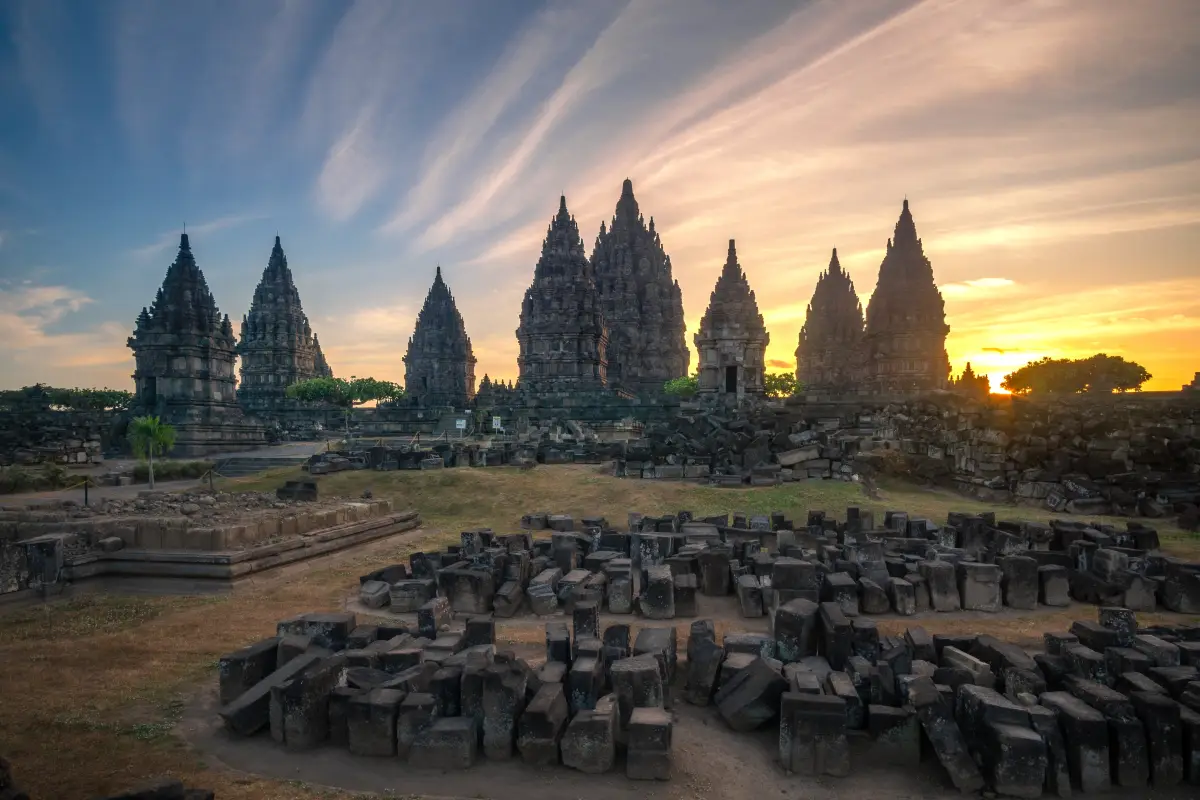
The beauty of Yogyakarta is how well its daytime and nighttime activities complement each other. Spend your morning catching sunrise over ancient stone at Borobudur or Prambanan, then wind down with dinner at a lesehan stall on Malioboro. A day trip such as the Sunrise Borobudur and Prambanan Temple tour pairs especially well with an evening at Alun-Alun Kidul, since both temples wrap up by early afternoon, leaving plenty of time to rest before heading out again.
If markets are your main interest, it is worth comparing the daytime scene too. Traditional spots like the ones covered in this Ngasem Traditional Market guide show a very different side of local commerce, birds, plants, and household goods, compared to the food-and-fun focus of the evening markets.
Not exactly. Yogyakarta's nightlife is spread across several hubs, Malioboro Street, Alun-Alun Kidul, and the seasonal Sekaten fair, rather than a single fixed night market venue.
Most street vendors, angkringan carts, and lesehan stalls open around 5 to 6 PM and stay busy until midnight or later, especially on weekends.
Angkringan is a traditional cart-based street food setup serving nasi kucing (small rice portions), grilled skewers, and jasmine tea. You'll find them lining Malioboro and side streets around Tugu Station every evening.
Yes, it's one of the most memorable evening activities in the city, known for the LED-lit pedal carts and the local legend of walking blindfolded between two banyan trees.
Sekaten is a seasonal fair held once a year near the Kraton grounds, usually tied to the Prophet Muhammad's birthday celebrations, featuring rides, games, and hundreds of food stalls.
Generally yes, these areas are well-lit and busy with locals and tourists alike, though it's wise to keep valuables secure in crowded spots like Malioboro.
Ready to see Yogyakarta's culture in full, from sunrise temples to nighttime lesehan dinners? Check out the Best of Yogyakarta Tour, 4 Days and let Ekaputra Tour handle the details while you enjoy the city day and night.