メインナビゲーション
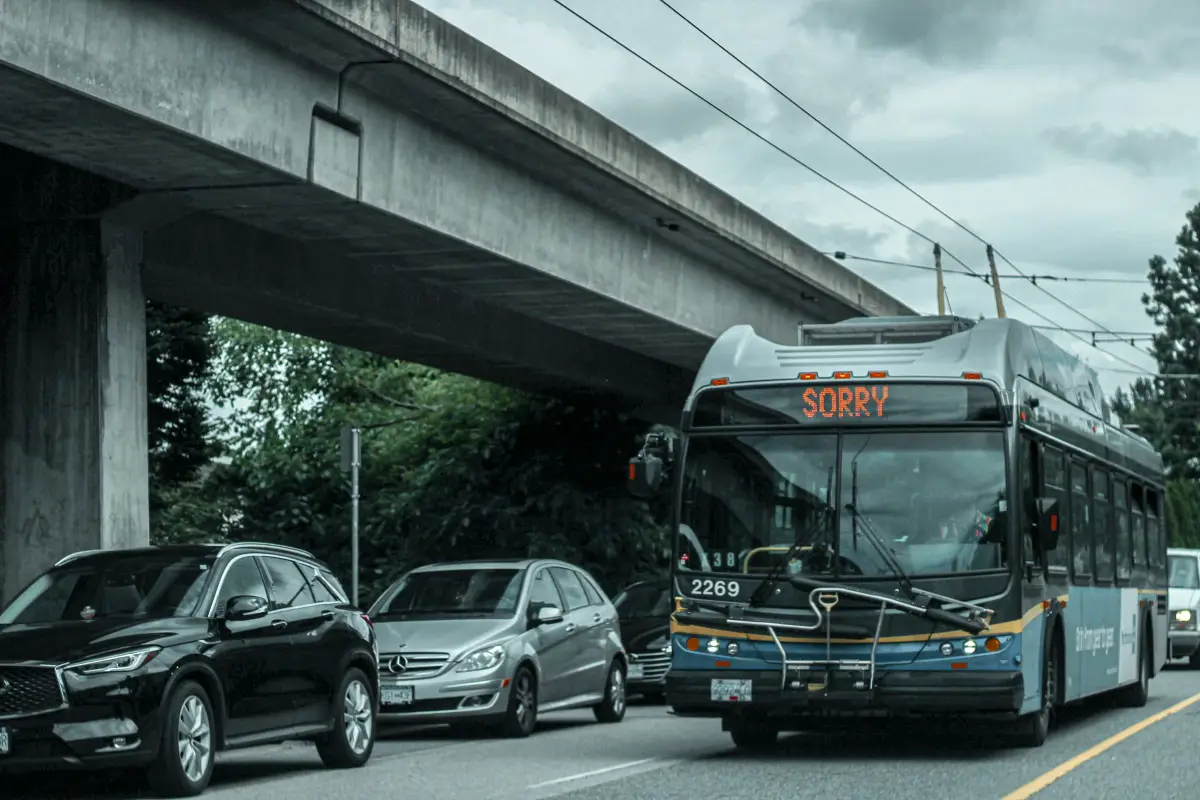
If you have just landed from Jakarta or arrived after a scenic Jakarta to Bandung road trip, you will quickly notice that getting around Bandung feels like a different game altogether. This Bandung public transport guide breaks down every option available to tourists in 2024, from the iconic angkot to modern ride-hailing apps, so you can move around the city with confidence instead of confusion.
Jakarta has its MRT, TransJakarta corridors, and a fairly grid-like road system in the central areas. Bandung, on the other hand, sits in a mountain basin with winding roads, older colonial-era street layouts, and traffic that bunches up around university areas, shopping streets, and the northern hills near Dago and Lembang.
There is no rail-based mass transit system inside Bandung city itself, so getting around Bandung relies almost entirely on road-based transport: angkot minivans, one bus rapid transit-style service, ride-hailing apps, taxis, and self-driven options like motorbikes or bicycles. Distances that look short on a map can take 30 to 45 minutes because of hills and one-way streets, so factoring in extra travel time is smart, especially if you are heading to popular spots covered in our Bandung shopping centers guide.
Angkot, short for "angkutan kota" or city transport, are small minivans that run on semi-fixed routes throughout Bandung. For decades they have been the backbone of local transport, and they remain the cheapest way to move around the city today.
Here is what tourists should know before hopping on an angkot Bandung tourist route:
Angkot are a great way to experience local life and save money, but they work best if you already know your route or are traveling with someone who does. For a first solo trip, it is worth pairing angkot rides with GPS on your phone so you know when to get off.
TransMetro Bandung is the city's answer to a bus rapid transit system. It runs air-conditioned buses along a limited number of main corridors, including routes that pass through busy areas like Dago, the city center, and major shopping streets.
Compared to angkot, a TransMetro Bandung route is easier to follow because buses have marked stops and clearer signage. Fares are affordable and paid at the point of boarding, and the ride itself is noticeably more comfortable, especially during Bandung's warmer afternoons.
The tradeoff is coverage. TransMetro Bandung only serves a handful of corridors, so it will not get you everywhere, particularly outside the city center or toward the northern highlands. Think of it as a good option when your destination happens to sit along one of its main routes, and a ride-hailing app as your backup for everywhere else.
For most visitors, Grab and Gojek Bandung services end up being the easiest and most reliable way to get around. Both apps have solid coverage across the city, upfront pricing before you confirm a ride, and interfaces that work smoothly in English, which removes a lot of the guesswork that comes with angkot routes.
Beyond regular car rides, both apps also offer motorbike taxi options, which can be faster for short hops through Bandung's congested streets. You can also use these apps for food delivery, which is handy after a long day of sightseeing. Because pricing is fixed before the trip starts, there is no need to negotiate fares, a small but meaningful comfort for first-time visitors still learning how to travel in Bandung city.
Metered taxis still operate in Bandung and can be flagged on the street or booked by phone, though many tourists now find it simpler to book taxi-style rides directly through Grab or Gojek for transparent pricing.
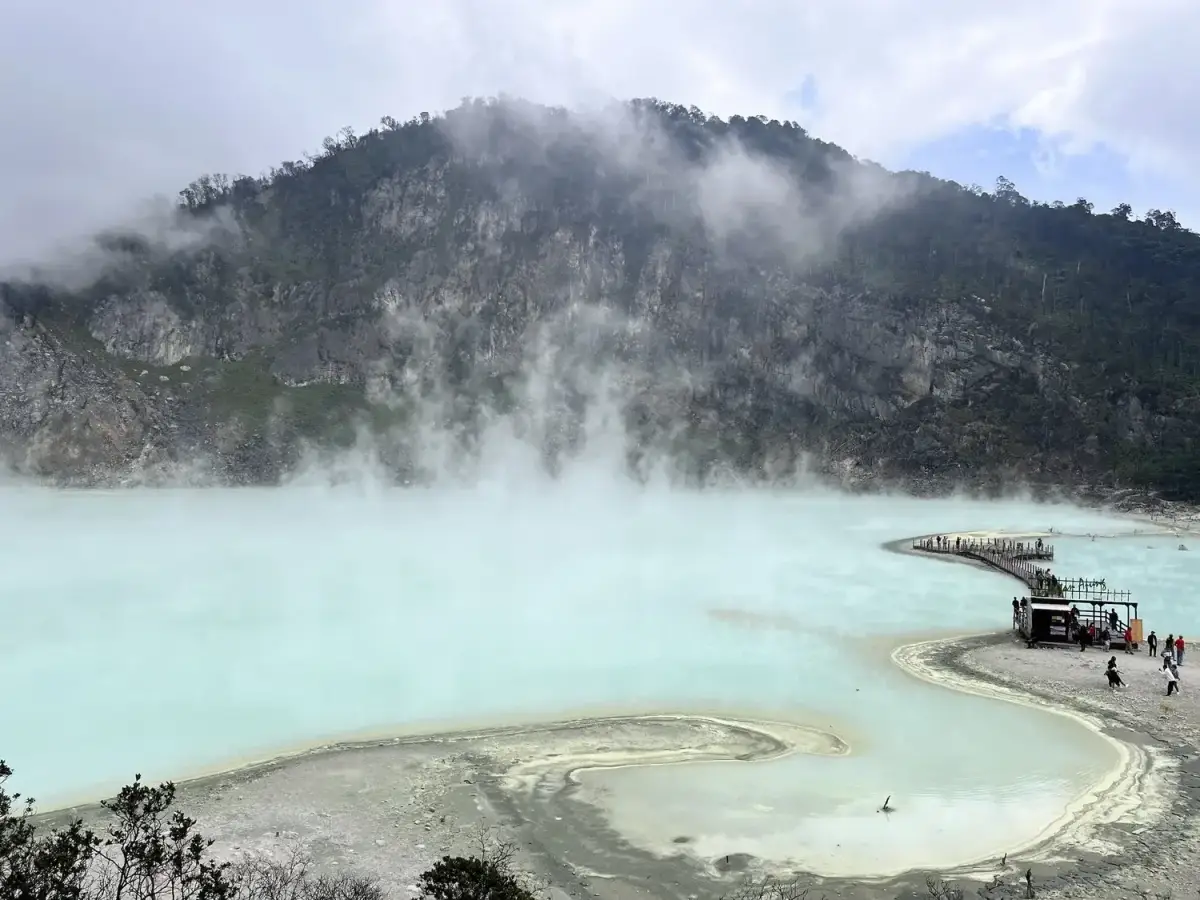
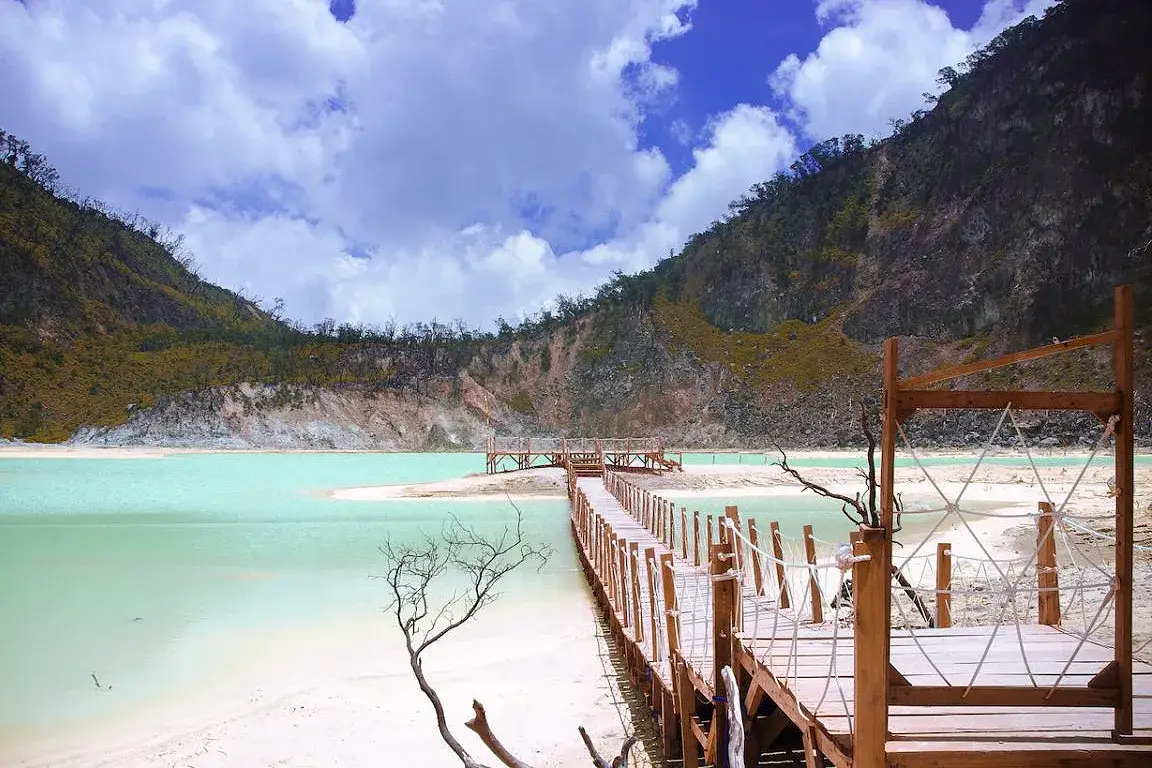
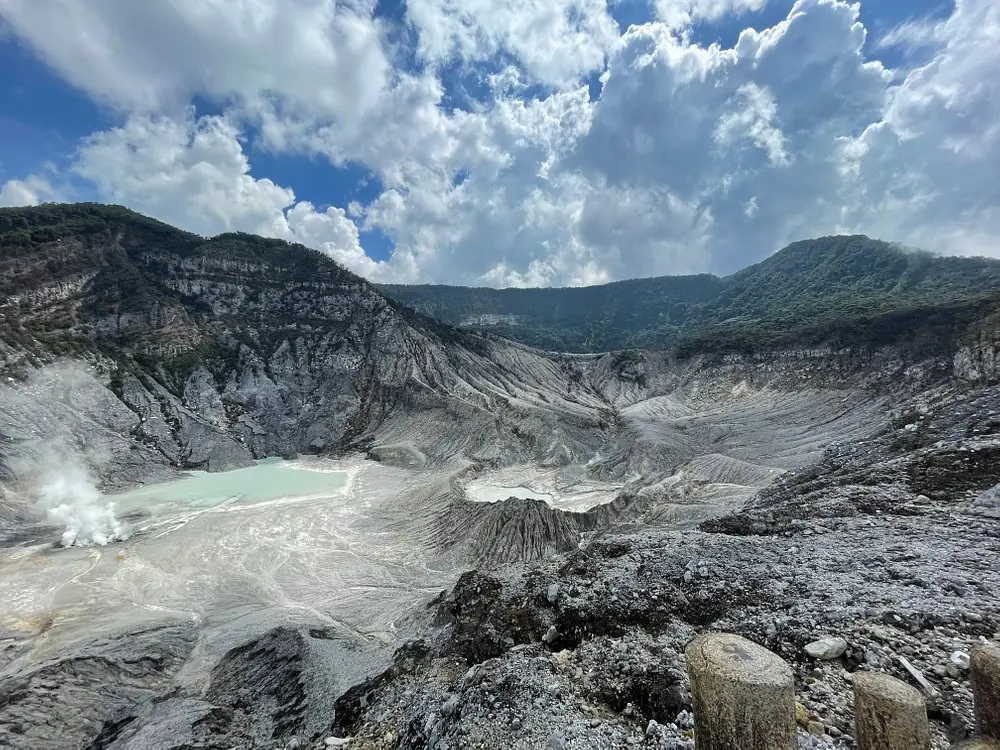
Chartering a car with a driver is another popular option, especially for families, small groups, or anyone visiting multiple attractions in a single day. A chartered car is particularly useful if your itinerary includes stops outside the city center, such as tea plantations, hot springs, or volcanic craters, where public transport coverage thins out quickly. If you would rather skip the planning altogether, a day trip like the White Crater, suspension bridge, and hot spring tour bundles transport and a guide into one straightforward package.
Renting a motorbike gives you the most flexibility to explore Bandung at your own pace, and rental shops are easy to find near popular tourist areas. That said, Indonesian traffic patterns take some getting used to, lane discipline is loose, and an international driving permit is legally required. This option suits confident riders who have experience with similar traffic conditions elsewhere in Southeast Asia, rather than first-time visitors.
Bicycles are a lower-stakes alternative, and some neighborhoods, particularly around Dago and the northern parts of the city, have quieter streets that are pleasant for a slow-paced ride. Just keep in mind Bandung's hilly terrain, which can make cycling more of a workout than expected.
Most tourists end up mixing transport types rather than sticking to just one. A few practical combinations:
If your trip also includes Jakarta or Bogor, planning transport across cities is a different challenge altogether. Our 5-day Jakarta, Bogor, Bandung itinerary breakdown explains how an extra day can smooth out those longer transfers.
For travelers who want the flexibility of multiple destinations without juggling transport logistics themselves, a multi-day package is worth considering.
A few small habits go a long way when navigating Bandung's transport scene:
Angkot minivans are the cheapest option, usually costing a small flat fare per ride, though routes can be confusing for first-time visitors without a local map or app.
Yes, both apps work reliably in Bandung with wide coverage, fixed upfront pricing, and English-friendly app interfaces, making them the easiest choice for tourists.
TransMetro Bandung is comfortable, air-conditioned, and affordable, but its route network is limited compared to angkot, so it works best for main corridors like Dago and city center areas.
Motorbike rental is convenient for confident riders comfortable with Indonesian traffic patterns, but it requires an international driving permit and isn't recommended for first-time visitors unfamiliar with local road habits.
Grab, Gojek, or a chartered car are the most practical options for reaching Lembang and highland areas, since angkot routes there are limited and travel time can be long.
For visitors combining Bandung with Jakarta or Bogor in a short trip, a guided multi-day tour saves time by handling all transport logistics between cities and attractions.
If juggling angkot routes and ride-hailing apps sounds like more hassle than you want on a short trip, let a guided itinerary handle it for you. Check out the Jakarta, Bogor, Bandung 4-day tour for a hassle-free way to see West Java's best sights without worrying about transfers.