メインナビゲーション
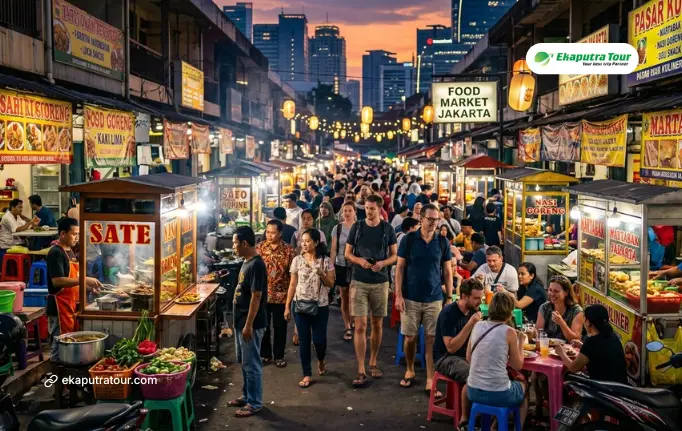
Jakarta is a city that reveals its true character through its stomach. For the international traveler, finding a food market in Jakarta is the bridge between being a mere spectator and becoming part of the city’s vibrant daily rhythm.
While Jakarta is famous for its shimmering mega-malls, the most authentic culinary soul resides in the "Pasar" (traditional markets).
From centuries-old Chinatown alleys to the neon-lit street food rows of Central Jakarta, these hubs offer a sensory explosion that defines the Indonesian experience.
Located in the heart of Jakarta’s Chinatown, Petak Enam and the surrounding Glodok area represent the oldest culinary district in the city.
What sets this food market in Jakarta apart is the seamless blend of Peranakan (Chinese-Indonesian) culture.
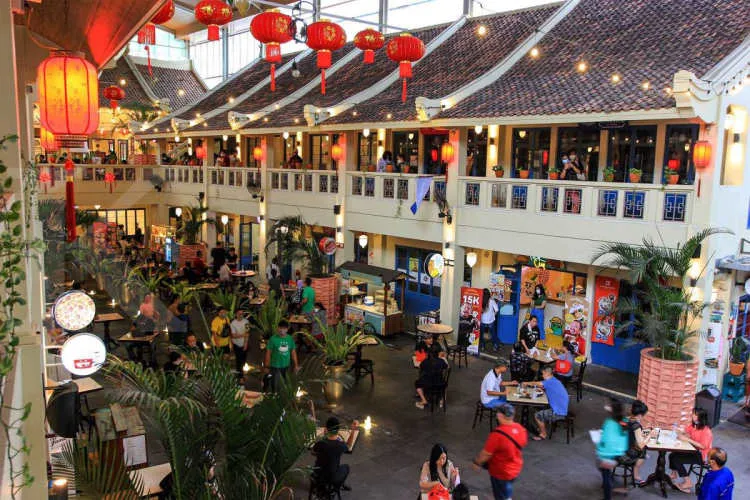
Tourists often miss the "hidden" second floor of Petak Enam, which houses artisanal tea houses overlooking a colonial-style courtyard.
It is the best place to try Laksa Betawi or the legendary Kopi Es Tak Kie, where the recipe hasn’t changed since 1927.
South Jakarta is home to Pasar Santa, a traditional market that famously evolved into a creative culinary playground for Jakarta’s youth.
The curiosity gap here is the "Upper Floor" culture. While the basement sells vegetables and meat, the top floor is a maze of tiny stalls serving everything from high-end Mexican tacos to locally roasted Papuan coffee.
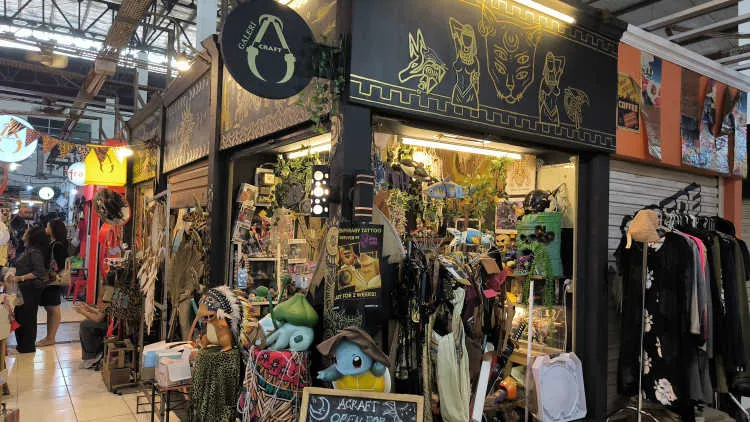
For a foreigner, this is the most "approachable" market because many vendors speak fluent English and the atmosphere is laid-back and trendy.
Jalan Sabang is not a market in the architectural sense, but it functions as the city's most famous open-air evening food market.
As dusk falls, the sidewalks are overtaken by hundreds of Kaki Lima (street carts). The secret to navigating Sabang is the "South to North" walk.
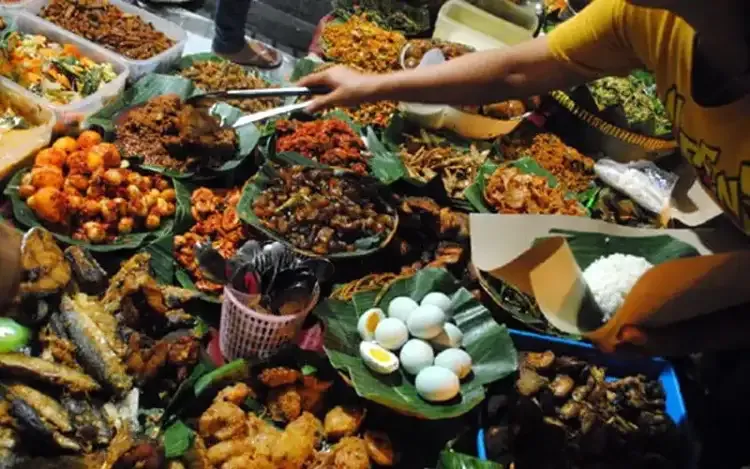
Start near the Sarinah department store and walk toward the end of the street to see the full spectrum of Indonesian satay, fried rice, and fresh fruit juices.
It is the quintessential Jakarta "Night Market" experience for those staying in Central hotels.
Known primarily to expats for its high-quality tailors, Pasar Mayestik secretly doubles as the premier destination for Jajanan Pasar (traditional snacks).
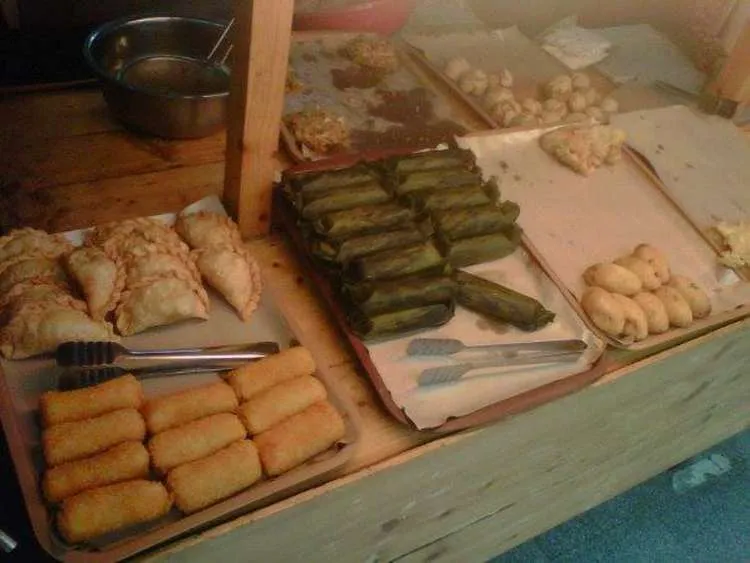
If you want to understand the complexity of Indonesian desserts, this is your destination. You must look for the "Kue Subuh" (dawn market) vendors who sell colorful, steamed delicacies like Kue Lapis and Lemper.
Most tourists ignore Mayestik for food, which means you get an authentic, non-touristy price and a genuine local smile.
For those who want the market experience with 2026-level hygiene and comfort, Pantjoran in Pantai Indah Kapuk (PIK) is the newest heavyweight.
This is a curated food market in Jakarta that replicates a traditional Chinese village. It is extremely popular with the expat community because it is pedestrian-friendly and features "Best of" branches from famous Glodok vendors.
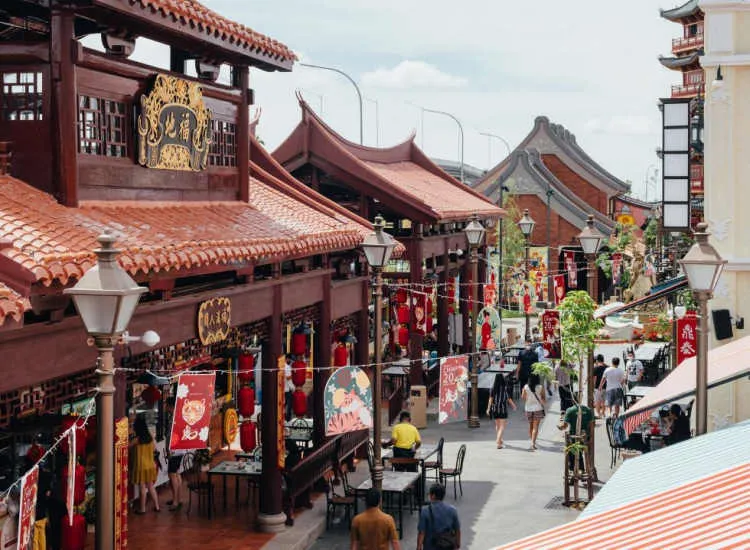
If you are traveling with family or are worried about "Bali Belly," this is the safest and most comfortable entry point into the local food scene.
Navigating a food market in Jakarta requires a bit of local know-how to ensure your experience is as smooth as possible.
If you only have 24 hours in the city, Petak Enam offers the most cultural depth, while Jalan Sabang provides the quintessential Jakarta night vibe.
No matter which food market in Jakarta you choose, you are participating in a ritual that has sustained this city for centuries.
Eat where the locals eat, smile at the vendors, and do not be afraid to try something that looks unfamiliar. This is where the real Jakarta lives.