メインナビゲーション
If you're planning a trip to Indonesia, one of the most common questions travelers ask is how much to tip in Indonesia, and honestly, it's a fair question. Unlike countries with rigid tipping percentages, Indonesia's tipping culture is more relaxed, regional, and often optional. There's no universal rule, and that can feel confusing if you're used to calculating 15-20% everywhere you go.
This guide breaks down tipping etiquette in Indonesia service by service, from hotels and restaurants to taxis, spas, and local markets, so you can travel with confidence and show appreciation the right way, without over-tipping or under-tipping out of uncertainty.
Before diving into specifics, it helps to understand the foundation of tipping culture in Indonesia. Tipping isn't deeply rooted in local tradition the way it is in the United States. Instead, it has grown alongside the tourism industry, particularly in places like Bali, Jakarta, and Yogyakarta, where international visitors have gradually introduced the practice.
Many mid-range and upscale establishments already include a service charge in Indonesia on your bill, often written as "++" next to the price. This typically breaks down into government tax (around 10%) plus a service charge (usually 5-10%), which is meant to be distributed among staff. When this charge is already applied, an additional tip is appreciated but not expected.
In smaller warungs, family-run shops, and rural areas, tipping is far less common and service charges don't exist at all. Understanding this distinction, service charge versus voluntary tip, is the first step to tipping appropriately anywhere in the archipelago. For a broader overview of the topic, our article on tipping in Jakarta and Indonesia covers the general etiquette tourists should know before arriving.
Hotels are one of the few places in Indonesia where tipping has become somewhat standardized, especially in properties that cater to international guests. Here's a practical breakdown for tipping hotels in Indonesia:
Five-star hotels and resorts in Bali and Jakarta often already include service charges in their room rates, so these tips are entirely optional. In smaller guesthouses or homestays, a small tip is more likely to be seen as a kind surprise than an expectation.
Tipping in restaurants Indonesia depends heavily on the type of establishment. At upscale restaurants in Jakarta, Bali, or Yogyakarta, a service charge in Indonesia of 5-10% is usually already included. In these cases, rounding up the bill or leaving Rp10,000-Rp50,000 in cash for exceptional service is a nice touch, but not required.
At mid-range restaurants without a service charge listed, leaving 5-10% of the bill in cash is a reasonable and appreciated tip, particularly if the staff were attentive or accommodating with special requests. At casual local eateries and warungs, tipping is rare, and rounding up the total to the nearest convenient note is more common than calculating a percentage.
Cafes in tourist hubs like Seminyak, Canggu, or Menteng sometimes have tip jars near the register. Dropping in your spare change or a few thousand Rupiah is a friendly gesture that baristas genuinely appreciate, even though it's entirely voluntary.
Spa and wellness tipping in Indonesia has become fairly customary, especially in Bali, where spa culture is a major part of the tourism experience. For a massage, facial, or body treatment, tipping Rp20,000-Rp50,000 per therapist is standard practice, with higher amounts appropriate for longer treatments or exceptional service.
At high-end resort spas, a service charge may already be built into the treatment price, so check your bill before tipping. At smaller neighborhood spas or salons, cash tips are almost always given directly to the therapist rather than added to a bill, since these businesses often don't have formal service charge policies.
Hair salons and nail studios follow similar guidelines: Rp10,000-Rp30,000 is a comfortable tip for a haircut, manicure, or pedicure, particularly if you're a repeat customer building rapport with your stylist.
Transportation tipping etiquette in Indonesia varies depending on the type of ride. For metered taxis like Blue Bird, rounding up the fare to the nearest Rp5,000-Rp10,000 is common and appreciated, though certainly not required for short trips around the city.
For Grab or Gojek rides, the same rounding-up approach applies. These drivers work on thin margins, so even a small tip of Rp5,000-Rp10,000 can make a genuine difference, particularly for longer or more complicated rides.
Private drivers hired for full-day tours or multi-day trips are a different story. Since these drivers often go above and beyond, arranging stops, waiting patiently, and offering local insight, a daily tip of Rp50,000-Rp100,000 is a widely accepted guideline. If you're curious about tipping etiquette specifically for tour guides and drivers, our detailed guide on tipping tour guides and drivers in Indonesia breaks this down further with real-world context.
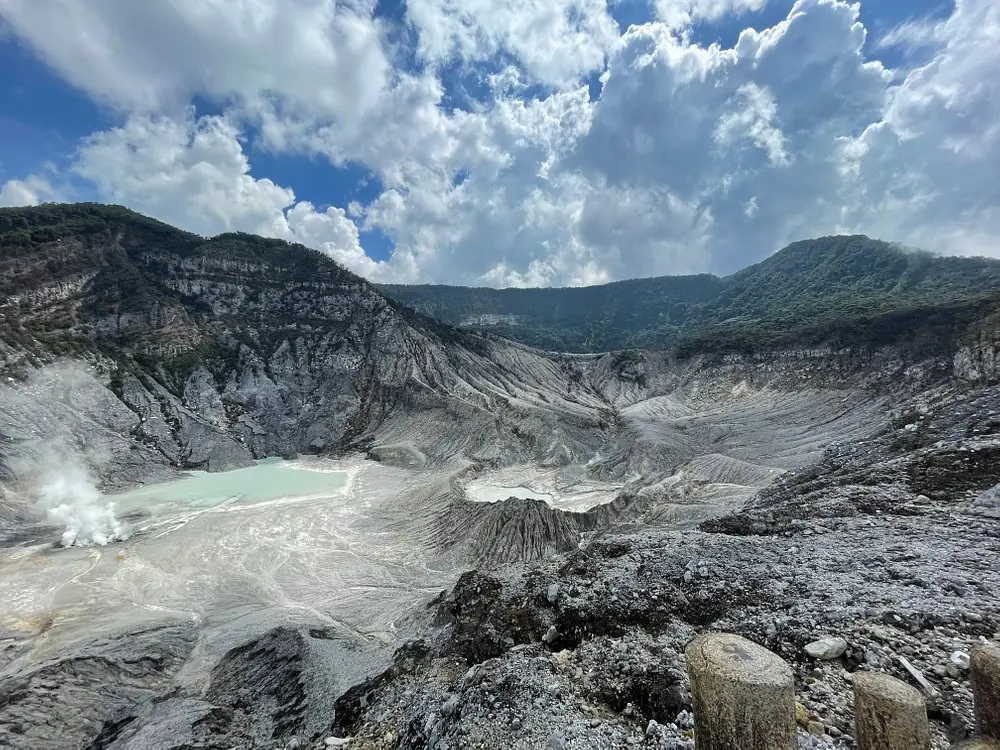
If you're planning a full-day excursion outside the city, tours like the Active Volcano, Rice Field, Hot Spring, Fruit Market, and Tea Plantation tour often include a driver and guide for the full day, making end-of-day tipping a thoughtful way to show appreciation for their effort.
Tipping at traditional markets and street food stalls is uncommon in Indonesia. Vendors here operate on thin margins already, and prices are often negotiable, so bargaining respectfully is more culturally relevant than tipping. If you do want to show appreciation, rounding up small purchases to the nearest convenient note is a simple, welcomed gesture.
Local guides, on the other hand, fall into a slightly different category. If you've booked a walking tour, cultural tour, or day trip with a dedicated guide, a tip of Rp50,000-Rp100,000 per person for a half-day tour, or more for a full-day experience, reflects genuine appreciation for their knowledge and effort. This is especially relevant for cultural experiences like Jakarta's heritage sites, where a knowledgeable guide can transform a simple visit into a memorable one.
For example, a half-day cultural outing such as the Jakarta Half-Day Explore Miniature of Indonesia Park tour pairs well with a small tip for the guide if they've gone out of their way to explain the cultural significance of each pavilion.
A few practical habits will make tipping in Indonesia much easier during your trip:
Having cash for tipping Indonesia readily available also means you won't feel awkward or unprepared when good service genuinely deserves recognition.
Tipping etiquette Indonesia isn't uniform across the archipelago, and understanding regional nuances helps you tip appropriately wherever you travel.
Do you tip in Bali more than elsewhere? Generally, yes. Bali's tourism-driven economy has normalized small tips for drivers, spa therapists, villa staff, and tour guides far more than other regions. Because so many travelers pass through, tipping has become a quiet but consistent part of daily transactions in tourist zones like Ubud, Seminyak, and Canggu.
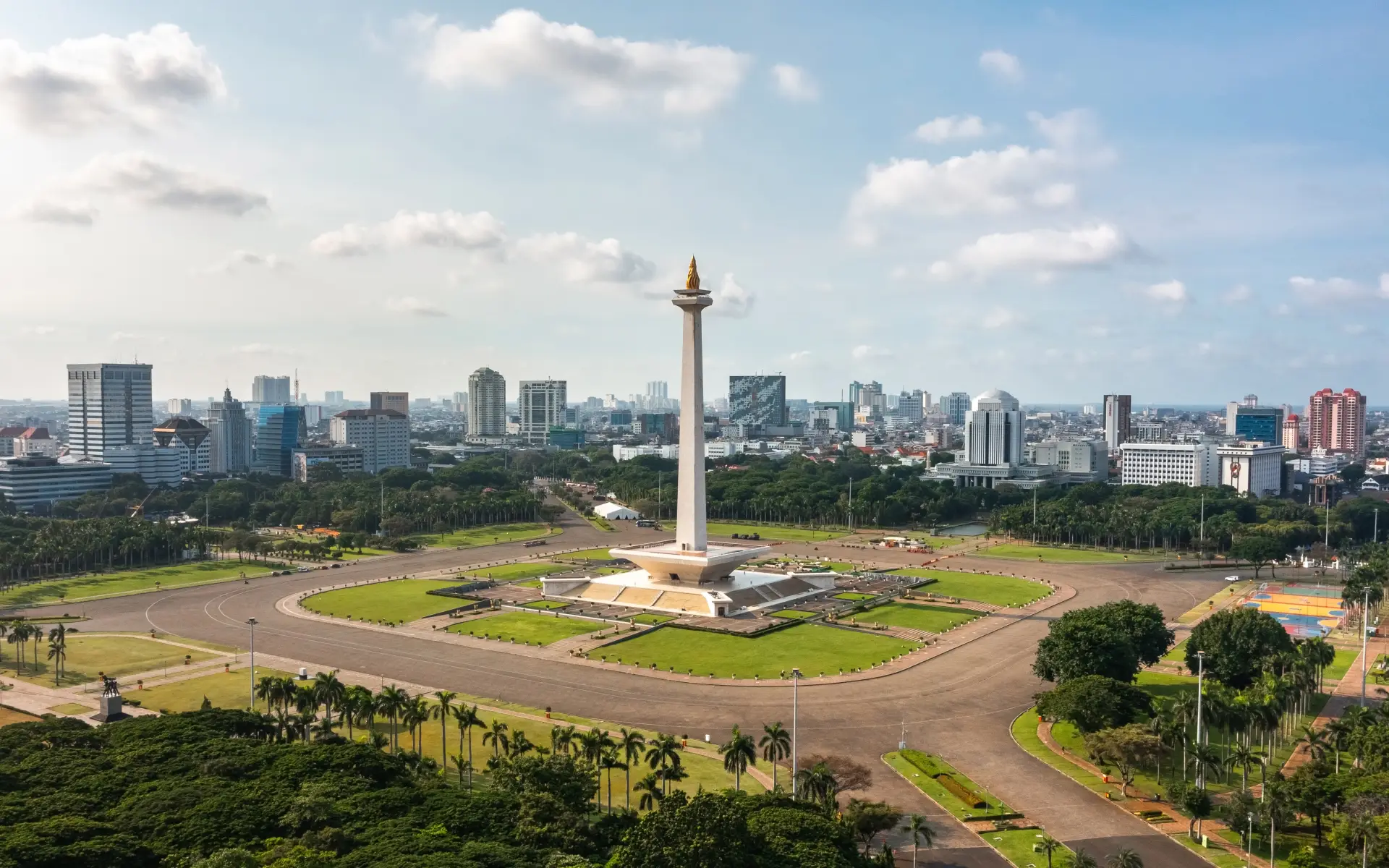
In Indonesia's capital, tipping is more reserved for hotels, upscale restaurants, and personal services like spas or private drivers. Everyday interactions, such as grabbing street food or shopping at local markets, rarely involve tipping. If you're exploring Jakarta's landmarks and cultural sites, a tour like the Jakarta Night Tour is a great example of a service where a small tip for your guide at the end of the evening is a thoughtful, appreciated gesture.
Yogyakarta sits somewhere between Bali and Jakarta in terms of tipping culture. As a major cultural and heritage destination, guides and drivers here are used to occasional tips from international visitors, but locals themselves rarely tip each other, and there's no pressure to do so.
In rural villages and less touristy regions, tipping is minimal to nonexistent. Locals may even seem confused or hesitant to accept a tip, since it isn't part of everyday custom outside the tourism industry. A warm thank you and genuine respect for local customs often mean more than cash in these settings.
No, tipping is not mandatory or legally required anywhere in Indonesia. It is a gesture of appreciation for good service, and no one will be offended if you don't leave one, especially outside major tourist zones.
Often yes. Restaurants and hotels that add "++" (plus tax, plus service) to prices are already including a service charge, typically 5-10%, which is meant to be shared among staff. An extra tip is a bonus, not an obligation.
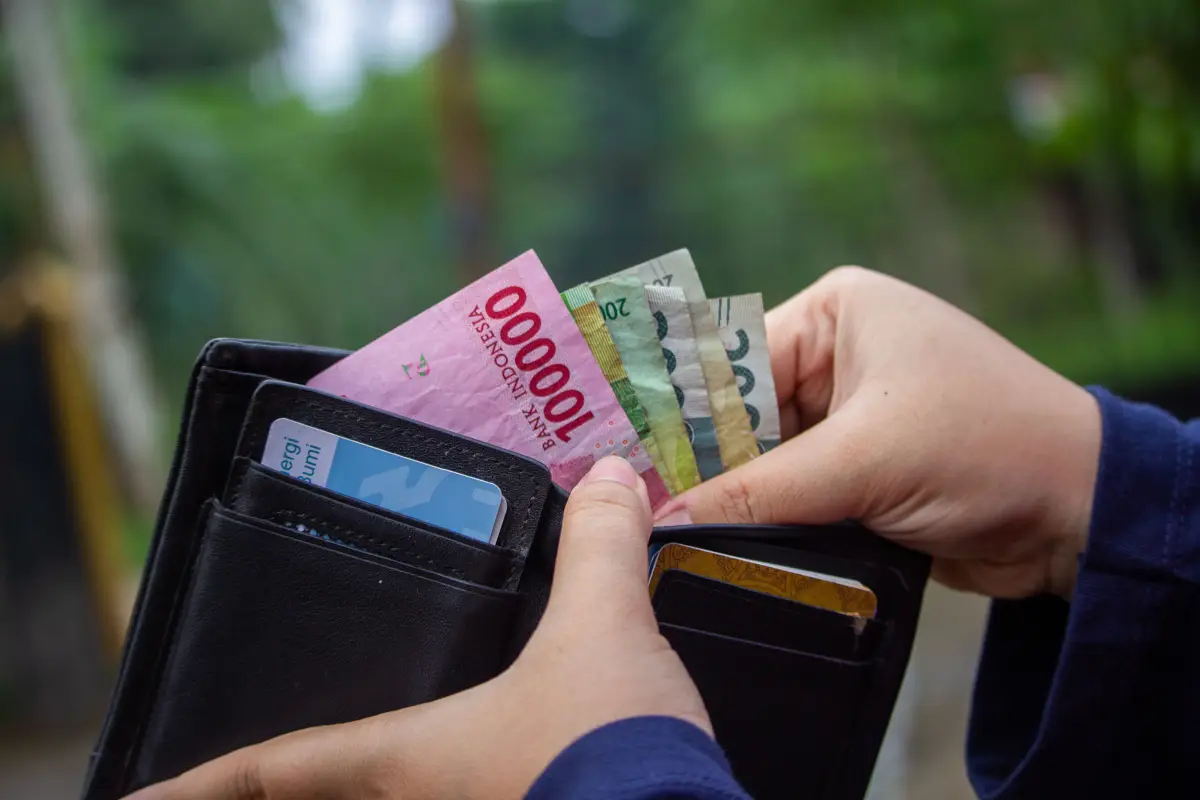
Always tip in Indonesian Rupiah. Small businesses, drivers, and market vendors usually cannot exchange or use foreign currency, and offering dollars can create confusion or an unfair exchange rate for them.
For metered taxis or Grab/Gojek rides, rounding up the fare to the nearest Rp5,000-Rp10,000 is a common and appreciated gesture, though not expected for short city trips.
Tipping is uncommon at street food stalls (warung) or traditional markets. Instead, locals show appreciation by rounding up small purchases or simply returning as a repeat customer.
Yes. Bali's tourism-driven economy has normalized small tips for drivers, spa therapists, and villa staff more than Jakarta, where tipping is generally reserved for hotels, upscale restaurants, and personal services.
Now that you know how much to tip in Indonesia across hotels, restaurants, spas, and transportation, you can travel with more confidence and show appreciation the right way. If you're ready to experience Indonesia's culture firsthand with a knowledgeable local guide, consider booking the Full-Day Indonesia Culture, Traditional House & Landmark Tour and enjoy a day filled with authentic experiences worth every bit of appreciation you choose to give.