メインナビゲーション

Everyone talks about Bali. Meanwhile, Jakarta quietly offers everything a remote worker actually needs: fast internet, affordable coworking, a massive cafe culture, monthly apartments at half the Bali price, and a real city with real energy that keeps you sharp.
Jakarta is not a beach town where you pretend to work while staring at the ocean.
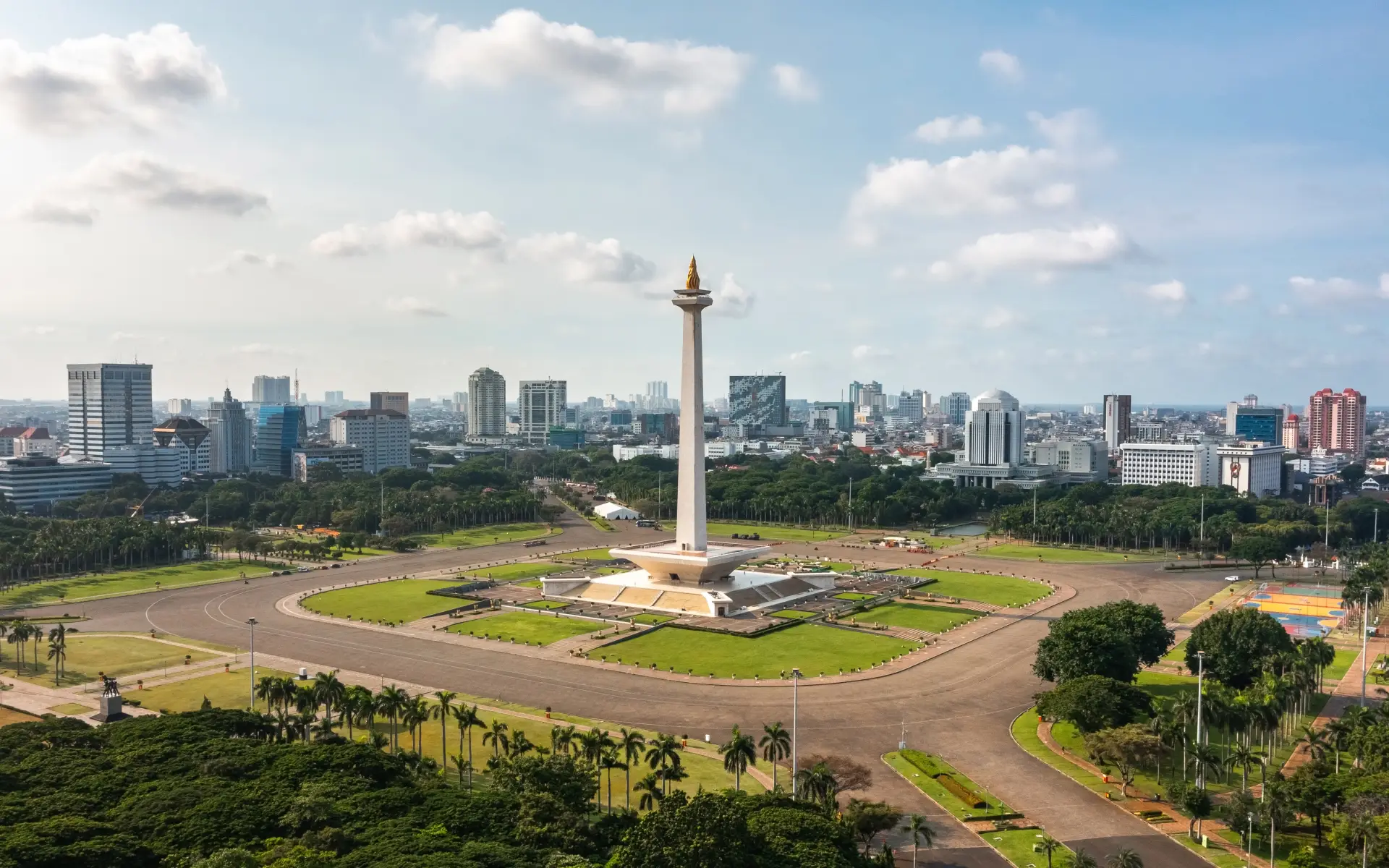
It is a 30-million-person metropolis with a thriving startup ecosystem, world-class food, and a growing community of remote workers who chose the capital because it delivers substance over scenery.
This guide covers the practical details: where to work, which neighborhoods to live in, how much everything costs, and how to build a routine that balances productivity with the adventure of living in Southeast Asia's largest city.
Unlike tourist-heavy destinations where everything revolves around leisure, Jakarta operates on a working rhythm.
The city's energy is productive, driven by millions of professionals, entrepreneurs, and creatives. When you work remotely here, you flow with that current rather than against it.
The cost of living is genuinely low. A comfortable lifestyle including a modern apartment, daily meals, coworking membership, and transportation costs a fraction of Bangkok, Kuala Lumpur, or especially Singapore.
Internet speeds in apartments and coworking spaces routinely deliver 50 to 100 Mbps, more than enough for video calls and heavy file transfers.
5G coverage continues expanding across central Jakarta, and mobile data is fast and dirt cheap.
The food alone justifies the move. Jakarta's culinary scene spans from IDR 15,000 street food plates to world-class dining, with Indonesian, Japanese, Korean, Chinese, Middle Eastern, and Western cuisines all represented at high quality.
You will never eat the same meal twice in a month if you do not want to.
Where you live in Jakarta determines your entire quality of life. The golden rule: live in South Jakarta and stay near the MRT line.
Senopati is Jakarta's classiest lifestyle hub and the top pick for nomads who value a refined daily environment.
Tree-lined streets filled with specialty coffee shops, excellent restaurants, and quiet residential pockets.
The atmosphere is calmer and more walkable than most Jakarta neighborhoods, which matters when your routine involves walking to a cafe, working for a few hours, and grabbing lunch nearby.
Monthly apartments run USD 400 to 800 for a furnished studio or one-bedroom.
SCBD (Sudirman Central Business District) suits those who prefer a high-rise, corporate environment with maximum convenience.
The MRT runs directly through it, coworking spaces from WeWork and GoWork are within walking distance, and you are surrounded by gyms, rooftop bars, and dozens of lunch options.
Monthly rentals are USD 500 to 1,000 but the time saved on commuting often justifies the premium.
Blok M is the most exciting option for nomads who want energy, culture, and affordability in equal measure.
It sits directly on the MRT line and is famous for "Little Tokyo" (an authentic Japanese dining enclave), vibrant street food, and live music venues.
The vibe is more raw and interesting than Senopati's polished calm. Studios start from USD 250 to 500, making it one of the cheapest nomad-friendly bases in any major Southeast Asian city.
Kemang is the established expat neighborhood with international restaurants, Western-style supermarkets, and a more residential feel.
It is slightly further from the MRT, so you will rely more on Grab and Gojek for getting around. Monthly rentals range from USD 350 to 700.
For digital nomads, a dedicated coworking space is worth the investment.
Cafe WiFi in Jakarta can be inconsistent, and video calls in noisy coffee shops are unreliable.
A proper coworking membership solves both problems while adding community and professional amenities.
GoWork has over 25 locations across Indonesia with pay-as-you-go pricing, making it ideal for nomads who want flexibility without contracts.
Day passes start from IDR 100,000 (approximately USD 6.30), monthly hot desk memberships from IDR 1,000,000 to 1,500,000 (USD 63 to 95).
Their locations in Thamrin, SCBD, and Kuningan are the most popular among remote workers, and the Thamrin branch offers particularly good views.
WeWork offers a globally consistent premium experience across several Jakarta locations.
The spaces are sleek, well-maintained, and designed for productivity. Hot desk memberships start from IDR 1,800,000 to 2,500,000 per month (USD 115 to 160).
If you are already a WeWork member in another city, your access may transfer seamlessly.
CoHive is popular with Jakarta's tech and startup community, offering coworking, coliving, and event spaces that create an immersive ecosystem.
The atmosphere leans younger and more entrepreneurial than WeWork, making it the right pick if you want to tap into Jakarta's local startup scene. Day passes from IDR 100,000.
Flow Office Space is the premium option, backed by AYANA hospitality. Located near Setiabudi MRT Station with ergonomic furniture, private suites, and phone booths for calls.
It feels more like a boutique hotel than an office, and the service reflects that positioning.
Jakarta's specialty coffee culture has exploded, and many cafes actively welcome laptop workers with fast WiFi and ample power outlets.
The Senopati area has the densest concentration of work-friendly cafes, with many offering dedicated seating areas separate from the main dining zone.
Indonesian single-origin pour-overs run IDR 35,000 to 60,000 per cup (USD 2.20 to 3.80), and the culture of lingering for hours over a single drink is well-established.
Menteng offers a quieter alternative with heritage-house cafes set in colonial-era buildings, better suited for deep-focus sessions where you need three uninterrupted hours.
Before settling in for a work session, check WiFi speed (ask the barista or run a quick test), count power outlets near seating areas, and assess the noise level.
Cafes with an upstairs floor or separate room tend to be quieter. Avoid peak lunch hours (12:00 to 1:30 PM) when office workers fill every seat, and consider arriving early to claim a good spot with an outlet.
The apartment market in Jakarta is renter-friendly with a surplus of furnished units. Unlike Bali, prices here reflect the local market, not a nomad premium.
Kosan (boarding house): IDR 1,500,000 to 4,000,000 per month (USD 95 to 250). A furnished room with private or shared bathroom and WiFi.
Quality varies enormously from basic to surprisingly nice, so always visit in person before committing.
Kosan life also gives you a more authentic local experience and occasional interactions with Indonesian housemates.
Apartments: IDR 4,000,000 to 10,000,000 per month (USD 250 to 630).
Furnished studios or one-bedrooms in modern towers with pool, gym, WiFi, AC, and 24-hour security. This is the sweet spot for most nomads.
Prioritize buildings near MRT stations, as this single factor will improve your daily quality of life more than any apartment upgrade.
Serviced apartments: IDR 8,000,000 to 20,000,000+ per month (USD 500 to 1,260+). Hotel-style convenience with weekly housekeeping, reception services, and fully equipped kitchens.
Best for nomads who value convenience and are willing to pay for it.
Search on OLX, Mamikos (for kosan), or Travelio. Facebook groups for Jakarta expats also have frequent listings.
Airbnb works for the first few weeks while apartment hunting but costs 20 to 40 percent more than direct local rentals for monthly stays.
Knowing a few basic Indonesian phrases helps significantly when communicating with local landlords and building managers who may not speak English.
Here is what a comfortable digital nomad lifestyle in Jakarta actually costs.
At the lower end, you are living comfortably with a proper coworking setup. At the higher end, you are in a premium apartment with regular restaurant dining and an active social life. For a more detailed daily expense breakdown, our guide on how much a Jakarta trip costs covers specific prices across every category.
The most relevant options for digital nomads: the Visa on Arrival (extendable to 60 days), the B211A social/cultural visa (60 days, extendable up to 180 days), and the Remote Worker KITAS (E33G), Indonesia's official digital nomad visa valid for one year with a possible one-year extension.
The KITAS requires proof of foreign employment, health insurance, and a minimum income threshold. It provides the most stability for long-term stays.
For shorter one-to-three-month trials, the B211A offers the most flexibility without complex paperwork.
Always verify current regulations before traveling, as Indonesian immigration policies can change.
One underrated advantage of Jakarta for nomads is how easy it is to build genuine connections.
Coworking spaces are the easiest entry point. CoHive and GoWork regularly host networking events, workshops, and social gatherings that attract local entrepreneurs, expat professionals, and remote workers.
Facebook and Meetup groups for Jakarta expats and digital nomads are active and welcoming, with communities focused on everything from remote work to hiking, photography, and language exchange.
Sports and fitness communities are another fast track. Running groups, CrossFit boxes, yoga studios, and futsal leagues across South Jakarta attract both locals and internationals.
Shared physical activity creates bonds faster than coffee meetings ever will.
One of Jakarta's hidden advantages is its proximity to dramatically different landscapes.
Bandung is reachable in 40 minutes via the Whoosh high-speed train.
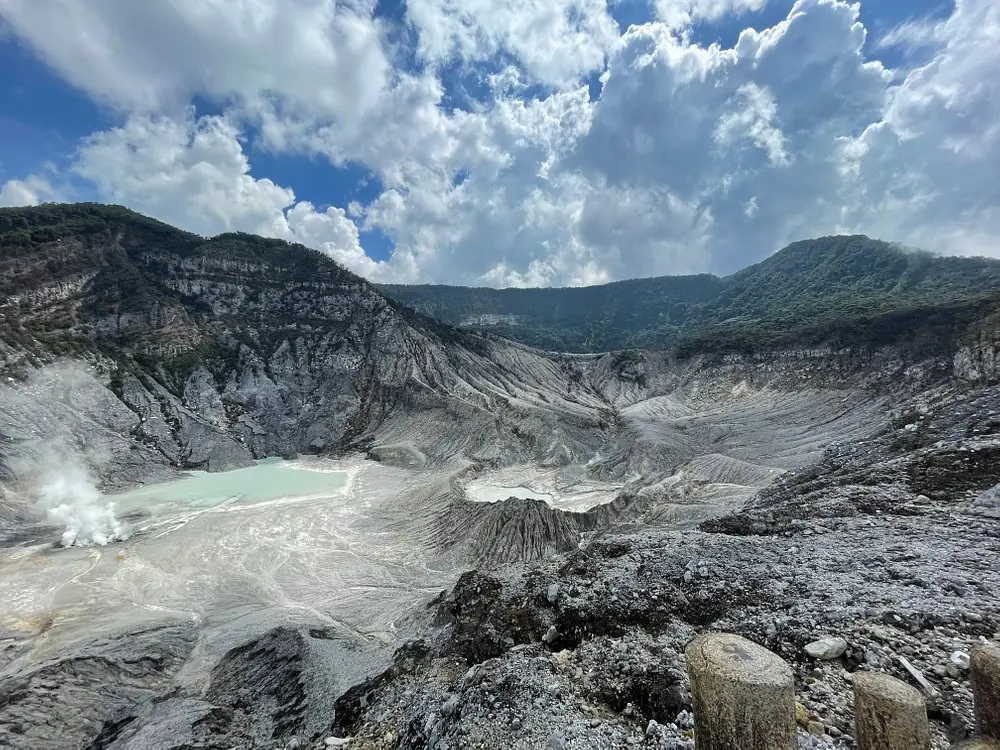
Cooler climate, volcanic landscapes, and a creative cafe scene make it the perfect weekend reset.
The Thousand Islands offer tropical island escapes by speedboat from North Jakarta in under two hours.
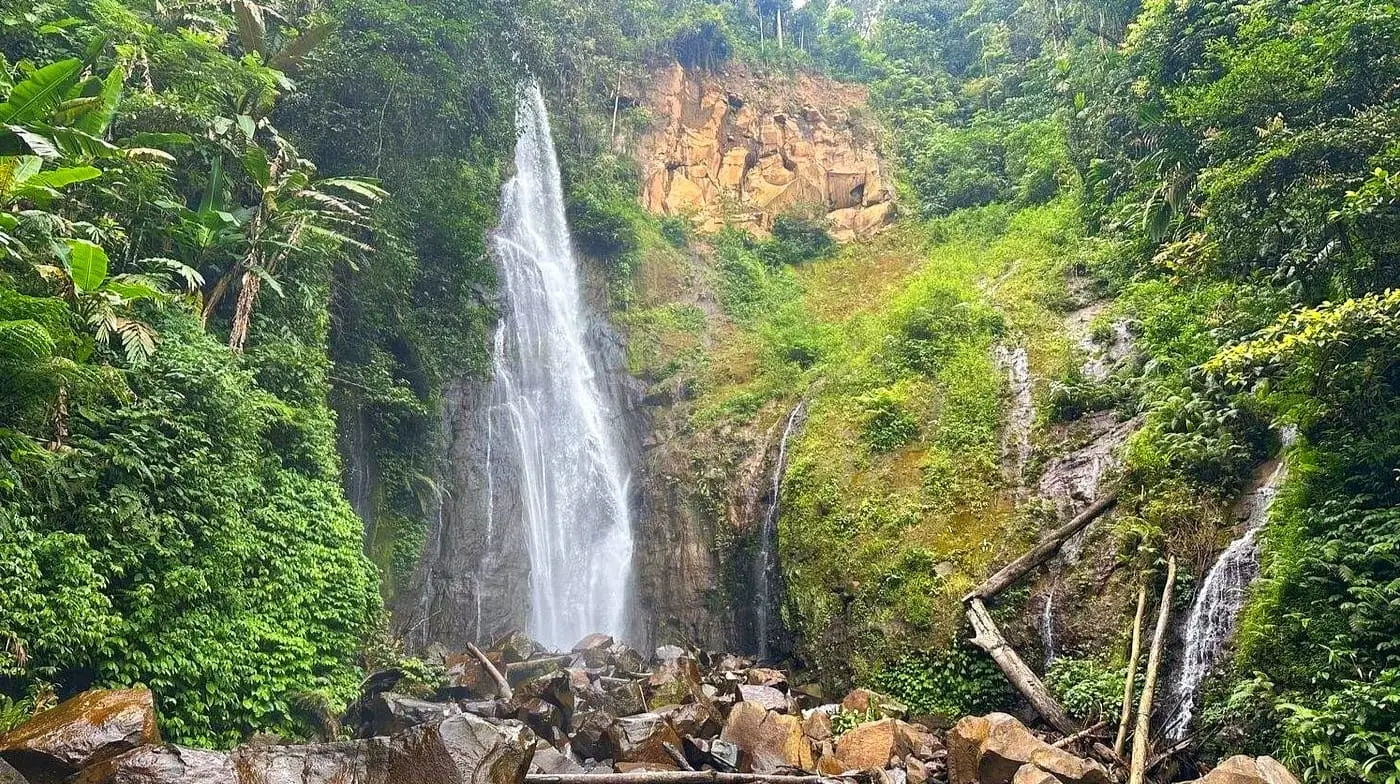
And for the culturally adventurous, a trip to the Baduy Village provides a profound contrast to digital life, as this indigenous community lives entirely without modern technology.
This variety of weekend options is one of the reasons many nomads choose Jakarta over Bali. The experiences within easy reach keep life interesting without requiring a flight.
Jakarta is not for every digital nomad. Being honest about the trade-offs helps you prepare.
Traffic is extreme during rush hours. The solution: live near the MRT, avoid peak-hour car travel, use motorcycle taxis (ojek) when speed matters.
Air quality varies by season. An air purifier for your apartment and checking AQI readings is a practical response. Heat and humidity are constant.
Working in air-conditioned spaces is essential, and carrying a light jacket for aggressive indoor AC is a packing essential that every nomad learns quickly.
Language barrier exists outside business areas. English is widely spoken in coworking spaces and malls, but interactions with landlords and local services benefit from basic Indonesian.
None of these are dealbreakers. They are the trade-offs of living in one of the world's most dynamic and affordable major cities.
Jakarta is the digital nomad destination for people who have outgrown the beach-and-laptop fantasy and want something with more depth.
The city offers real infrastructure, a genuine professional ecosystem, incredible food, and a quality of life that is hard to match at this price point.
Give it a month. Work from the coworking spaces, explore the neighborhoods, eat everything, and see how it fits. Most nomads who come for a trial stay end up extending.
For more practical advice, check out our complete Jakarta travel tips guide and our things to do in Jakarta for weekends and downtime.