メインナビゲーション
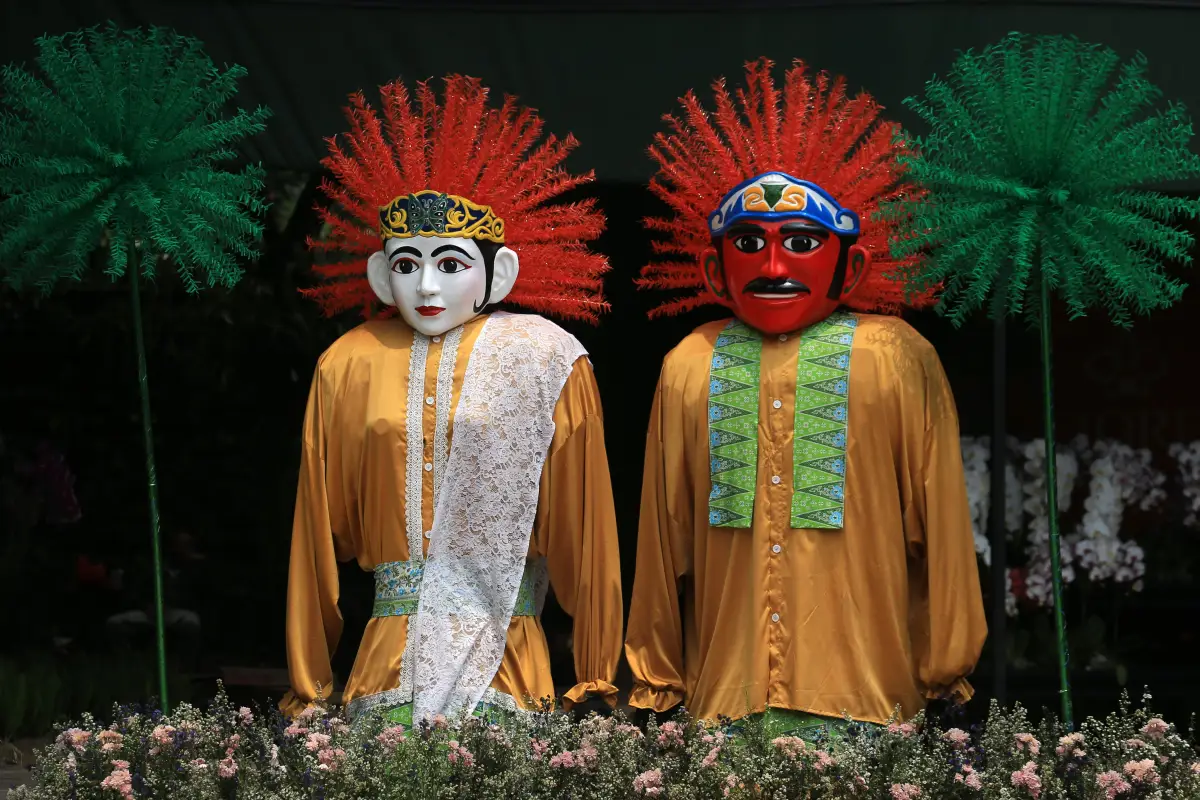
Jakarta rarely gets credit for having its own indigenous culture. Most visitors picture skyscrapers, malls, and traffic, and forget that beneath all that concrete is Betawi land, home to the original inhabitants of the Jakarta area long before it became Indonesia's capital. If you're wondering where to experience Betawi culture in Jakarta, the good news is that it's more accessible than you'd think, you just need to know where to look.
The Betawi people are descendants of a mix of ethnic groups that settled in and around old Batavia, including Sundanese, Javanese, Chinese, Arab, and Malay communities. That blend shows up everywhere: in the spicy, coconut-rich Betawi cuisine, the syncretic music of gambang kromong, and the distinctive wooden houses with their carved facades. Unlike more homogenous regional cultures elsewhere in Indonesia, Betawi identity is inherently urban and hybrid, shaped by centuries of trade and coexistence in a port city.
This is also why Betawi culture can feel harder to pin down for first-time visitors. It isn't concentrated in a single grand palace or temple complex. Instead, it survives in pockets: cultural villages, old neighborhoods, and performances that pop up on weekends. Knowing these specific Jakarta Betawi heritage sites makes all the difference between missing it entirely and walking away with a real appreciation for the city's roots.
If there's one place that deserves top billing, it's Setu Babakan Betawi cultural village in South Jakarta. Established by the local government specifically to preserve Betawi heritage, this lakeside area brings together traditional wooden houses, demonstrations of Betawi crafts, and food stalls serving classics like kerak telor and soto Betawi. It's essentially an open-air living museum where the culture isn't just displayed, it's actively practiced by residents.
Weekends are when Setu Babakan really comes alive, with scheduled performances of traditional dance and music drawing both locals and tourists. Walking around the lake, you'll see families fishing, kids practicing silat (Betawi martial arts), and vendors selling handicrafts you won't easily find elsewhere in the city. For travelers who want to pair this cultural deep dive with an organized itinerary, this Jakarta culture and traditional house tour itinerary is a useful reference for planning your day.
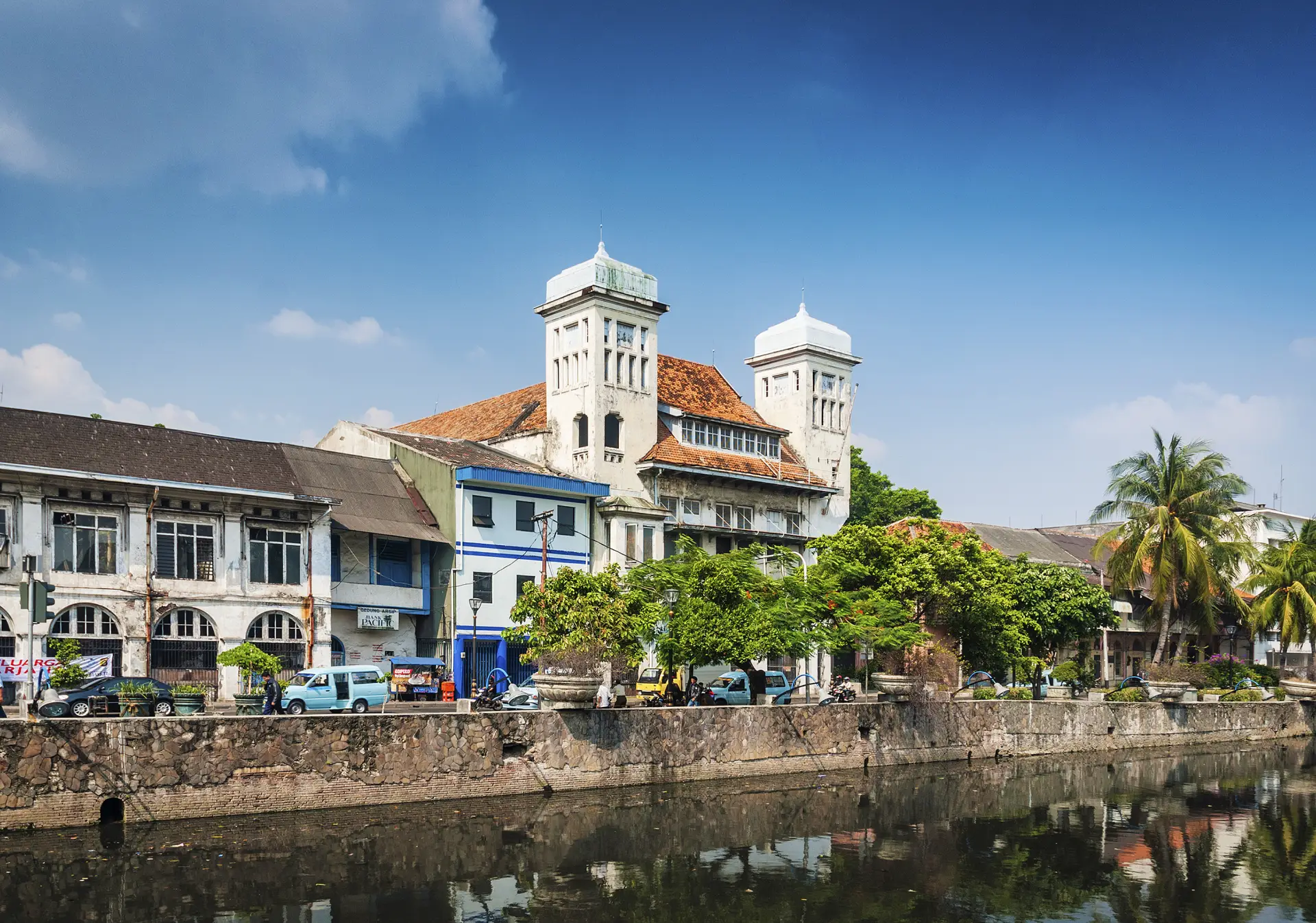
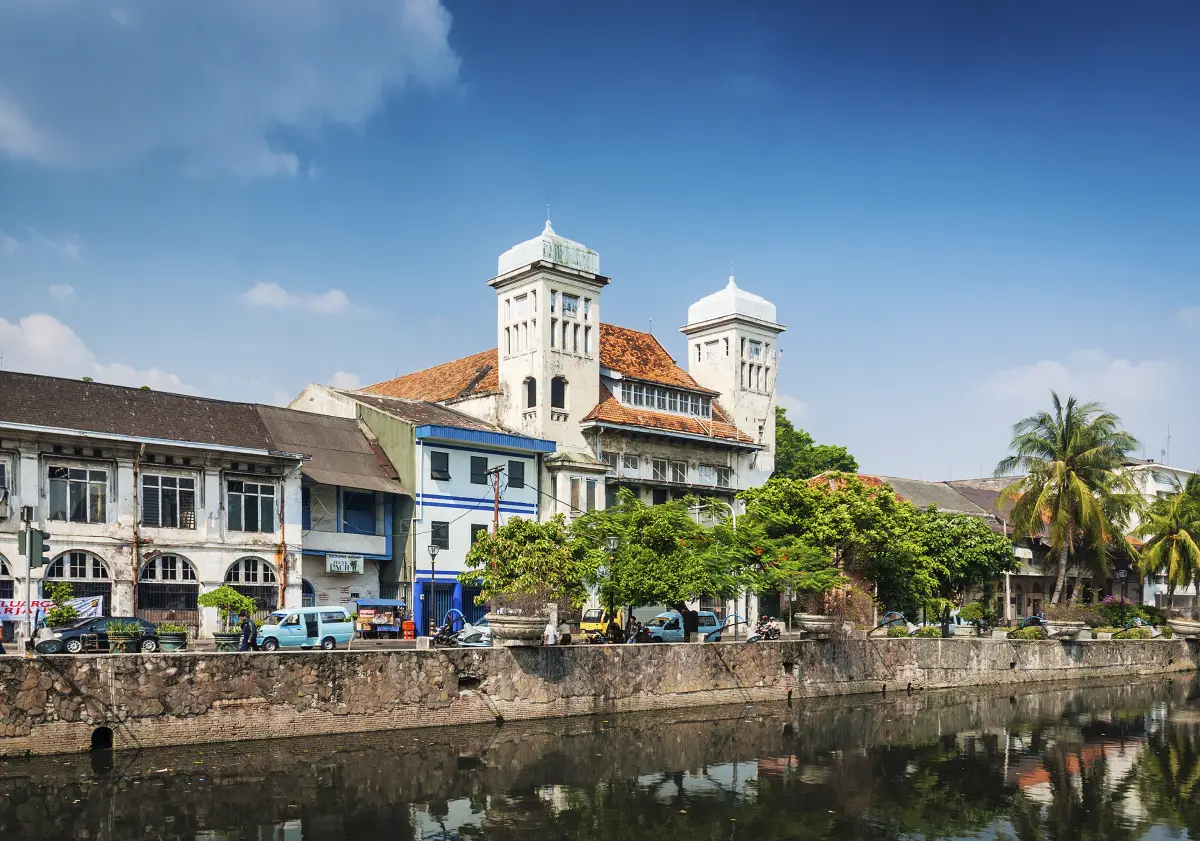
For visitors staying in central Jakarta who don't have time to venture south, Kota Tua and Fatahillah Square offer a more convenient, if less concentrated, taste of Betawi heritage. This historic district, once the heart of Dutch Batavia, is layered with colonial buildings, cobblestone streets, and museums, but it also carries traces of the Betawi communities who lived and worked alongside colonial administrators.
You'll often spot ondel-ondel performers, Betawi's iconic giant puppet figures, roaming the square, especially on weekends and holidays. Street musicians sometimes play gambang kromong nearby, and local vendors sell Betawi snacks amid the colonial backdrop. It's not as immersive as Setu Babakan, but it's an easy add-on if your schedule is tight and you're already exploring the old town.
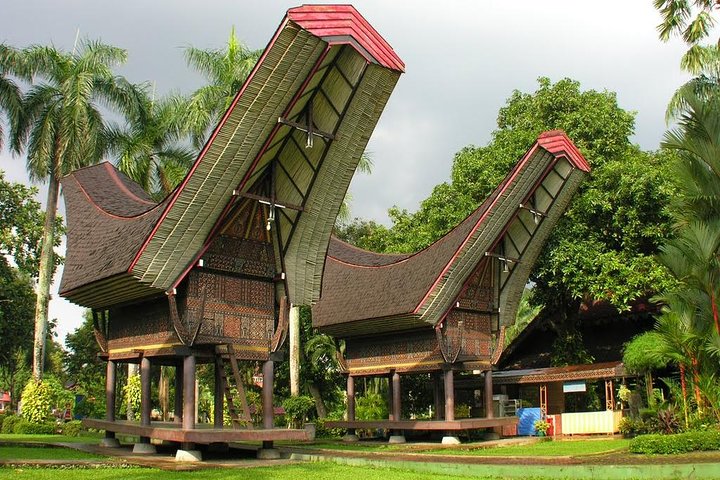
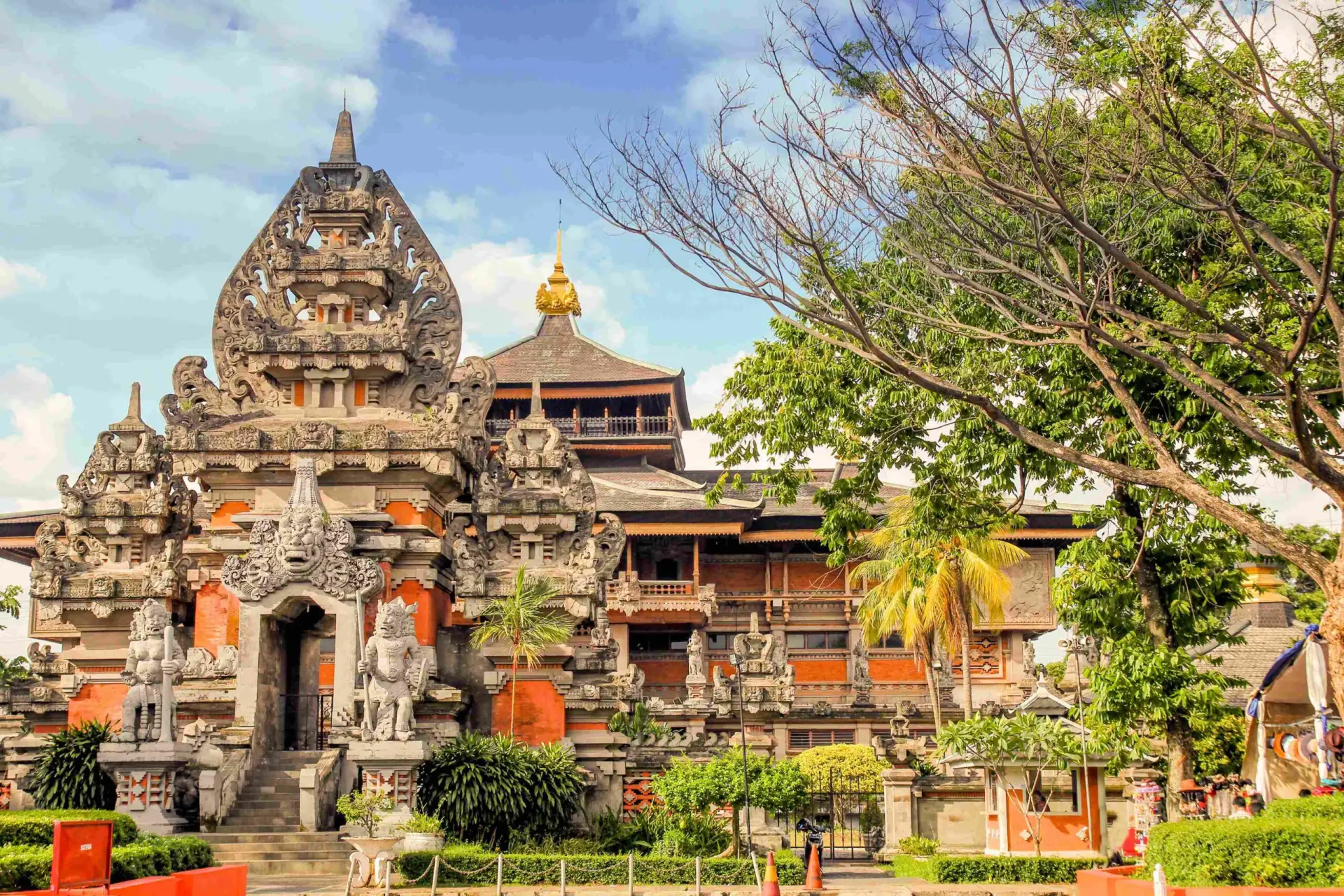
Taman Mini Indonesia Indah (TMII) is Indonesia's answer to a cultural theme park, with pavilions representing every province. The Taman Mini Betawi pavilion is a standout for anyone specifically interested in Jakarta's native culture, showcasing traditional architecture, clothing, and artifacts in a dedicated space.
Beyond the pavilion itself, TMII regularly hosts cultural performances across its grounds, including Betawi dance and music showcases that rotate with other regional acts. It's a good option if you want to see Betawi culture within a broader context of Indonesia's diversity, rather than in isolation. For a structured way to experience this alongside other major landmarks, consider the full-day Indonesia culture and traditional house landmark tour, which begins at TMII before continuing to other significant sites.
If Setu Babakan is the polished, government-curated version of Betawi culture, Condet and Marunda are the unfiltered originals. Condet, in East Jakarta, was historically known for its fruit orchards and remains one of the few areas officially designated to preserve Betawi cultural identity, though development has changed much of its original character. Marunda, further north near the coast, is home to the Marunda Traditional House, a centuries-old stilted structure linked to Betawi maritime history and local legend.
These enclaves aren't set up for mass tourism, which is exactly their appeal for travelers seeking something more authentic. That said, navigating them independently can be tricky without local knowledge of transportation routes and cultural context, so pairing a visit with a knowledgeable guide tends to make the experience far richer.
No exploration of Betawi culture is complete without seeing its performing arts in action. Ondel-ondel, the towering, colorfully masked puppet figures, are perhaps the most recognizable symbol of Betawi identity, traditionally believed to ward off bad spirits and now a fixture at celebrations across the city. Lenong is a form of traditional theater blending comedy, drama, and social commentary, often performed in the Betawi dialect. Gambang kromong, meanwhile, is a musical genre that fuses Chinese and Indonesian instruments, a direct product of Batavia's multicultural history.
These aren't performances you'll catch on demand every day. Setu Babakan and Taman Mini Indonesia Indah both schedule showcases primarily on weekends, so timing your visit accordingly matters if seeing a live ondel-ondel performance Jakarta-style is a priority for your trip.
Whether you have a single afternoon or a full week in the city, understanding where to experience Betawi culture in Jakarta transforms a standard sightseeing trip into something with genuine local depth. It's the difference between seeing Jakarta and actually understanding it.
Setu Babakan Betawi Cultural Village in South Jakarta is widely considered the best single destination, as it combines traditional houses, weekend performances, and local crafts in one government-protected area.
Yes, Kota Tua and Fatahillah Square offer accessible glimpses of Betawi heritage layered with Dutch colonial architecture, making them convenient for visitors staying in central Jakarta.
Weekends, especially Saturday and Sunday afternoons, are the most reliable times to catch scheduled Betawi performances at Setu Babakan and Taman Mini Indonesia Indah.
If you only have time for one Betawi cultural site, Setu Babakan is the most efficient choice since it consolidates traditional architecture, food, music, and dance in a single walkable area.
Both areas are accessible but less touristy, so going with a local guide or organized tour is recommended to navigate transportation and understand the historical context properly.
Ready to see Betawi culture and Jakarta's landmarks in one well-planned day? Book the full-day Indonesia Culture, Traditional House & Landmark Tour with Ekaputra Tour and let a local guide bring Jakarta's Betawi heritage to life.