Jakarta moves fast, but underneath its skyscrapers and traffic beats a cultural rhythm that has survived for generations. Betawi traditional music and dance are living proof of the city's roots, born from the Betawi people, the original inhabitants of old Batavia, whose culture absorbed Malay, Chinese, Arab, and Dutch influences into something wonderfully distinct. If you want to understand Jakarta beyond its modern skyline, watching a Betawi cultural show is one of the most rewarding ways to do it.
Betawi performing arts stand out because they were never isolated. Centuries of trade, colonization, and migration turned Batavia into a melting pot, and its music and dance absorbed everything that passed through the port city. You'll hear Chinese string instruments next to Arab-influenced drums, and see European brass sitting comfortably beside Malay gongs. This blend gives Betawi traditional music and dance a festive, celebratory character that feels both familiar and entirely its own.
Unlike many regional Indonesian art forms that stayed relatively insular, Betawi culture developed as an urban art, meant to be performed in the streets, at weddings, and during community celebrations. That accessibility is part of why it remains so beloved today, and why it continues to appear at everything from neighborhood festivals to national cultural showcases.
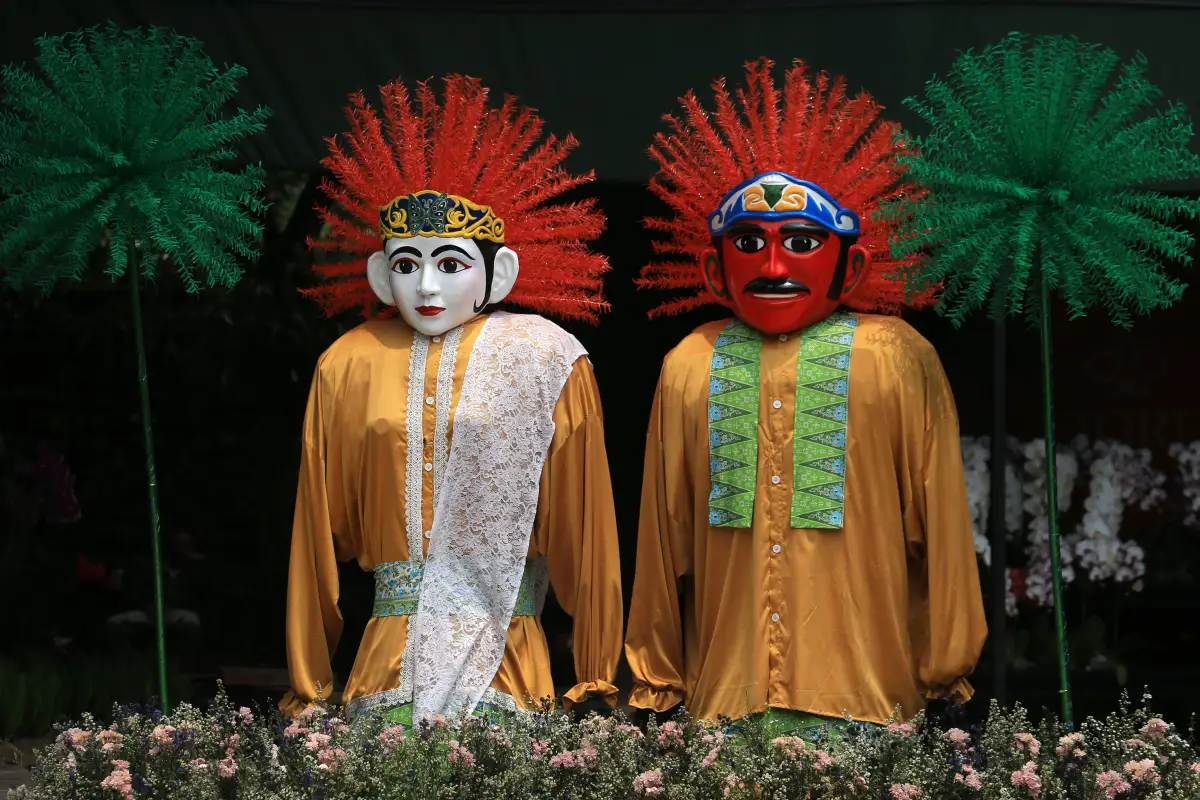
No symbol represents Jakarta quite like ondel-ondel. These giant bamboo-framed puppet figures, often standing over two meters tall, are dressed in colorful costumes with painted wooden masks, red-faced for males and white-faced for females. Traditionally, Betawi communities believed ondel-ondel could ward off evil spirits and bring blessings during celebrations such as weddings, circumcisions, and village anniversaries.
Today, an ondel-ondel Jakarta performance is less about superstition and more about pride. The puppets sway to the beat of tanjidor or gambang kromong music, guided by performers hidden inside the frame, while the crowd claps along. You'll often spot them parading through neighborhoods during city celebrations or standing tall at cultural parks, welcoming visitors with their larger-than-life presence.
If ondel-ondel is the face of Betawi culture, gambang kromong is its soundtrack. This musical genre blends a wooden xylophone called gambang, bronze kettles known as kromong, gongs, drums, and Chinese-influenced string instruments like the tehyan and kongahyan. The result is a lively, slightly nostalgic sound that reflects Jakarta's long-standing Peranakan Chinese heritage.
Tanjidor, on the other hand, brings a completely different flavor. Born from colonial-era military bands, it features brass and wind instruments like trumpets, clarinets, and trombones, giving performances a marching-band energy that's perfect for street parades and festive gatherings. Both gambang kromong and tanjidor music are frequently performed together with ondel-ondel processions, creating a full sensory experience of color, movement, and sound.
For travelers who also want to understand the culinary side of this heritage, pairing a performance visit with the authentic Betawi food experience rounds out the cultural picture nicely, since food and music both grew from the same Peranakan roots.
Beyond music and puppetry, Betawi culture has its own theatrical traditions that reveal the community's humor, values, and social commentary. Lenong is a spoken theater form combining dialogue, comedy, and live music, often improvised and performed in the Betawi dialect. Its plots frequently poke fun at everyday life, corrupt officials, or family drama, all delivered with exaggerated expressions and audience interaction that makes it endlessly entertaining.
Topeng Betawi takes a different approach. Instead of spoken narrative, it relies on masked dancers who tell stories through choreographed movement, accompanied by a small traditional orchestra. The masks themselves, carved and painted with expressive features, represent different characters and moods, from noble heroes to comic villains. Watching a topeng Betawi dance performance feels like witnessing a moving painting, where every gesture carries meaning passed down through generations of performers.
The good news for curious travelers is that Betawi performing arts aren't locked away in museums, they're very much alive and scheduled for public viewing. Cultural parks and heritage complexes across Jakarta regularly host live performances, especially on weekends, giving visitors an easy way to experience these traditions without needing to track down a private event.
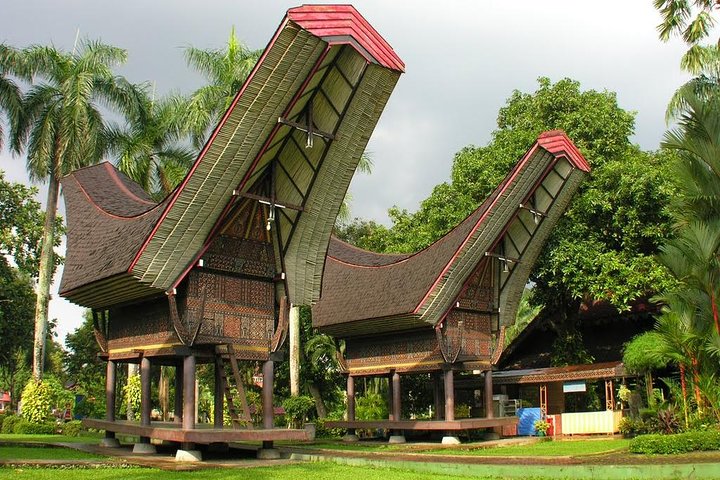
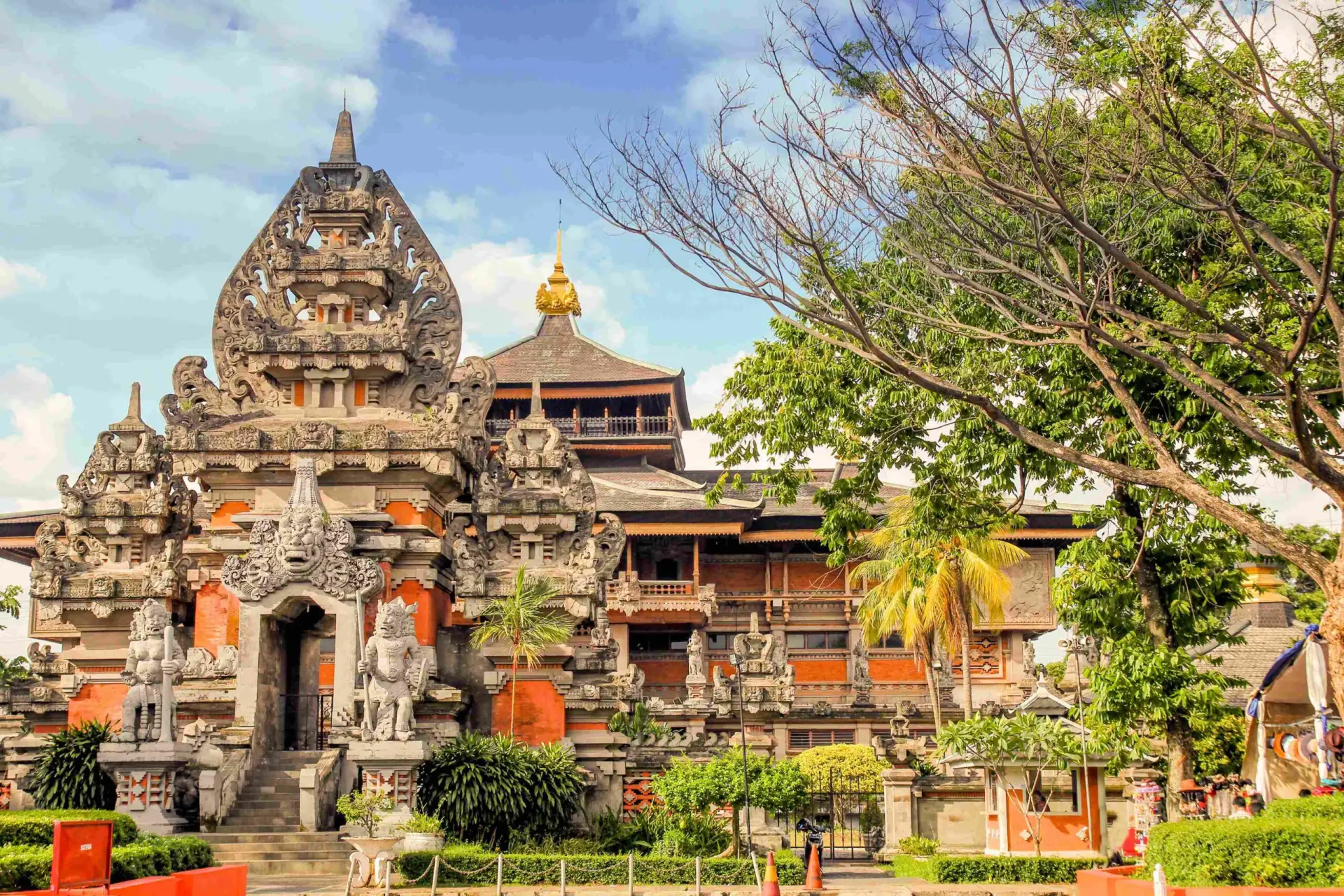
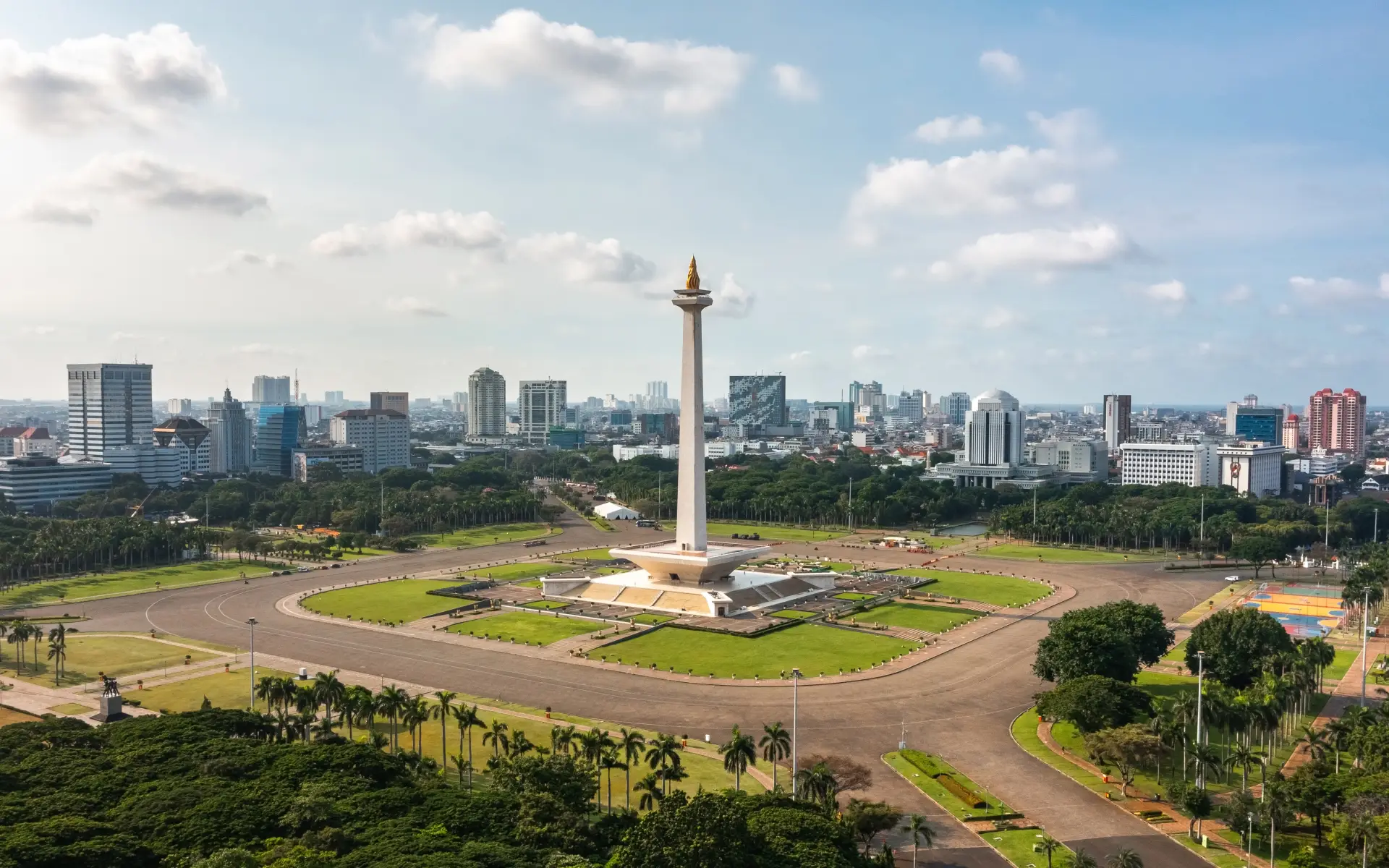
One of the best places to start is Taman Mini Indonesia Indah, a park dedicated to showcasing the cultural heritage of Indonesia's many provinces, including Betawi arts alongside traditional houses and museums from across the archipelago. If you're short on time, a half-day visit is enough to catch the highlights, and if you want to pair it with other Jakarta landmarks, a full-day tour works even better.
These guided experiences typically combine cultural pavilions with performances scheduled throughout the day, so you're not left guessing when the next show starts. For a deeper dive into planning your visit, the Jakarta Culture and Traditional House Tour Itinerary offers a helpful breakdown of what to expect at each stop.
While scheduled performances at cultural parks are reliable, nothing beats catching Betawi arts during a citywide celebration. Jakarta's anniversary celebrations, typically held in June, bring out full-scale ondel-ondel parades, gambang kromong concerts, and topeng Betawi dance shows across the city's public squares and cultural centers. Traditional markets and neighborhood festivals also often feature smaller, more intimate performances, giving visitors a more local, unscripted feel.
If your trip coincides with Betawi cultural weeks or community celebrations at heritage sites, you'll likely see multiple art forms performed back to back, from lenong theater troupes to tanjidor marching bands. Checking local event calendars before your trip, or asking your tour guide, can help you time your visit around these livelier cultural moments.
For travelers interested in comparing performing arts traditions across Indonesia, it's also worth reading about Javanese traditional arts and performances, which highlights how neighboring Java developed its own distinct theatrical and musical styles.
Ondel-ondel are large bamboo-framed puppet figures, traditionally believed to ward off bad spirits during celebrations. Today they symbolize Jakarta's Betawi identity and appear at festivals, weddings, and cultural showcases.
Gambang kromong combines a wooden xylophone (gambang), bronze kettles (kromong), gongs, drums, and Chinese-influenced string instruments like the tehyan, creating a distinct fusion sound tied to Jakarta's Peranakan heritage.
Lenong is a spoken theatrical form with dialogue, music, and comedy, often addressing social themes, while topeng Betawi centers on masked dancers performing choreographed movements accompanied by traditional orchestras.
Cultural parks, heritage museums, and traditional house complexes in Jakarta regularly host scheduled Betawi music and dance performances, especially on weekends or during city cultural events.
Yes, Betawi arts remain active through community groups, school programs, and government-supported cultural festivals aimed at preserving Jakarta's indigenous heritage for future generations.
Ready to see Betawi traditional music and dance for yourself? Book the Jakarta Full-day Indonesia Culture, Traditional House and Landmark Tour with Ekaputra Tour and experience Jakarta's living heritage up close, from towering ondel-ondel to the rhythmic pulse of gambang kromong.