Bandung has long had a reputation as Indonesia's fashion capital, and nowhere is that more obvious than in its thrift and flea markets. Beyond the polished malls and factory outlets, there's a whole world of secondhand denim, vintage band tees, discontinued textile rolls, and one-of-a-kind finds waiting in noisy, crowded, thoroughly fun corners of the city. If you love the thrill of digging through piles for a hidden gem, a flea market in Bandung should be on your list.
Bandung's textile industry has fed a massive secondhand and surplus clothing trade for decades. Factories, importers, and resellers funnel excess and used stock into markets across the city, which means prices stay low and turnover stays high. For visitors, that translates into genuinely exciting thrift shopping in Bandung: designer labels turning up by accident, retro streetwear, and textiles you won't find in any mall. It's also just a fun way to see a more local, unfiltered side of the city, especially if you've already covered the well-known spots like Braga Street.
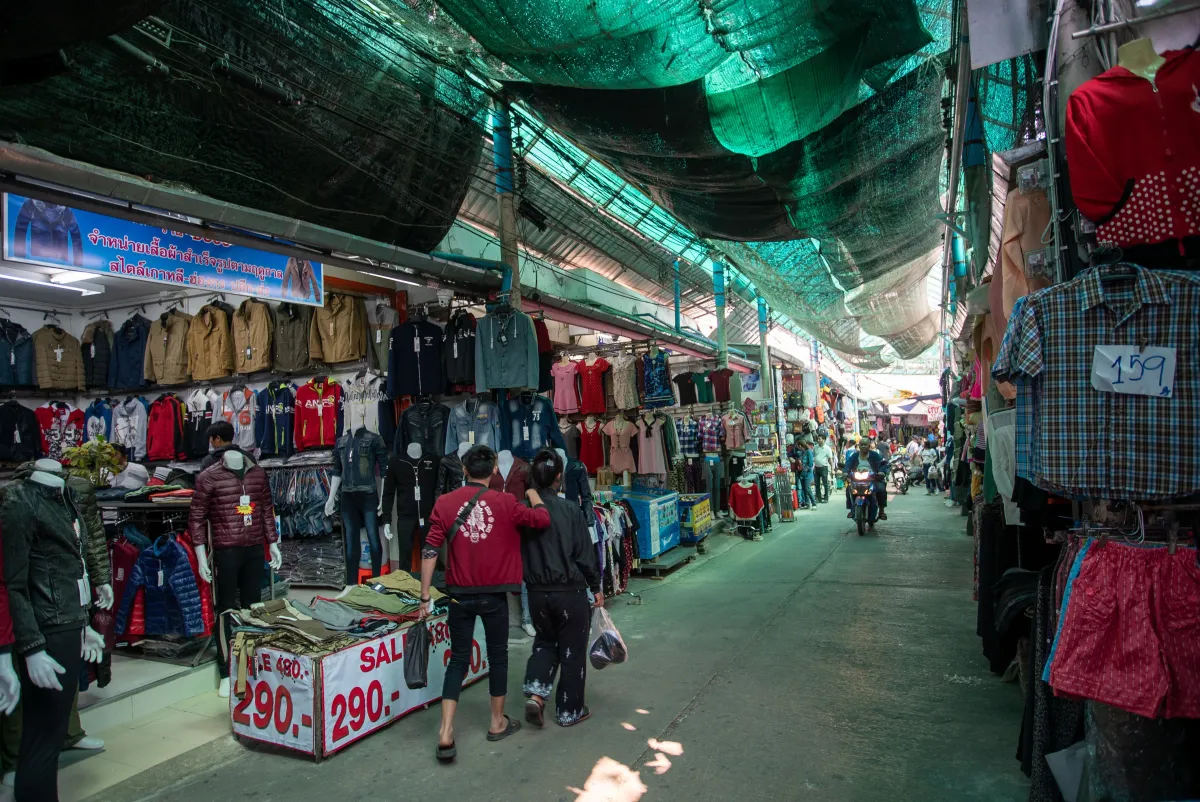
No conversation about a Bandung flea market guide is complete without Cimol Gedebage. This is the big one, a sprawling covered market on the eastern edge of the city stacked with mountains of imported secondhand clothing. Vendors sell items individually, but the real draw is buying in bulk, either by the kilo or in sealed bundles you sort through yourself. It's chaotic in the best way: expect narrow aisles, competing music, and enthusiastic vendors calling out deals.
Cimol bandung shopping isn't for the faint of heart. You'll need patience to dig through piles, and a willingness to wash everything you buy before wearing it. But for bargain hunters, it's hard to beat the sheer volume and the prices, often just a fraction of what similar pieces cost secondhand back home.
Pasar Baru bandung is a different kind of experience. Rather than a purely thrift-focused market, this multi-story trade center mixes new and surplus clothing, fabrics, batik, and accessories across hundreds of stalls. It's popular with local shoppers stocking up for weddings, uniforms, or bulk resale, which means prices are geared toward negotiation and volume buying.
If Cimol is about the thrill of the dig, Pasar Baru is about efficient, practical bargain shopping. It's a good stop if you want new items alongside secondhand market bandung finds, or if you're after fabric and textiles rather than just ready-to-wear clothing.
For something more central and easier to combine with a walking day, Jalan Cihapit is worth seeking out. This smaller, more intimate market leans into vintage clothing, old cameras, records, and household curios rather than sheer bulk. It has a slower, browsing-friendly pace compared to Cimol's intensity, and its central location makes it easy to pair with a stroll through nearby Braga.
This is the spot for anyone chasing a genuine vintage market bandung feel: think worn leather jackets, retro band shirts, and the occasional surprising antique. Prices are a bit higher than Cimol's bulk bundles, but the curation and condition are usually better.
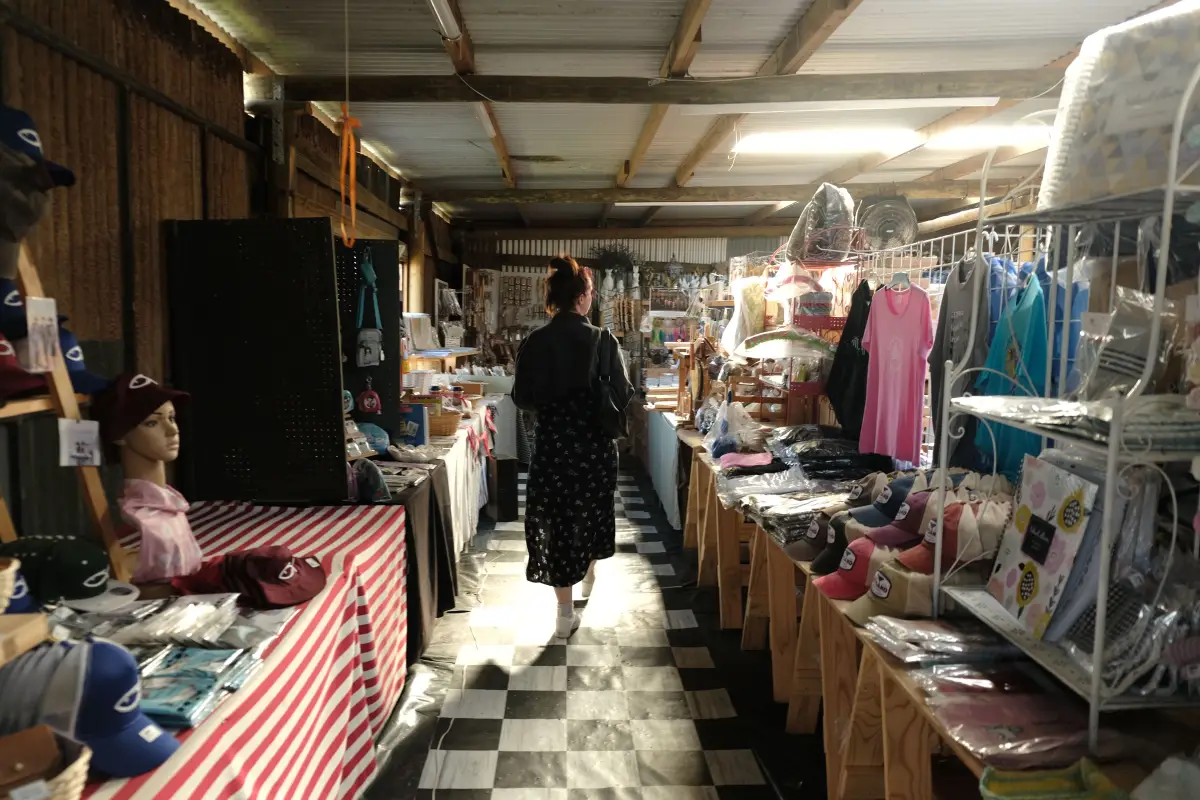
Beyond the three main stops, Bandung has smaller pop-up flea markets and weekend bazaars that rotate through community spaces, parking lots, and event venues. These are worth asking locals or your hotel about, since they change over time and often feature independent sellers, handmade goods, and curated vintage racks alongside the usual thrift piles. If you're staying longer in the city, it's worth checking a general shopping guide for Bandung's malls and outlets too, since some outlet centers also run periodic clearance and sample sales that overlap with flea market bargains.
Bargaining is part of the culture, not a confrontation, so keep it friendly and light-hearted. A smile and a bit of humor go a long way with vendors.
Weekday mornings are the sweet spot for a calmer visit with freshly restocked piles, while weekends bring bigger crowds but the broadest selection, since vendors stock up in anticipation of heavier foot traffic. Both Cimol Gedebage and Pasar Baru sit a bit outside the main tourist strip, so ride-hailing apps like Gojek or Grab are usually the easiest way in and out. If you're relying on Bandung's public transport, it's worth reading up on the city's transport options beforehand, since coverage to these markets can be limited.
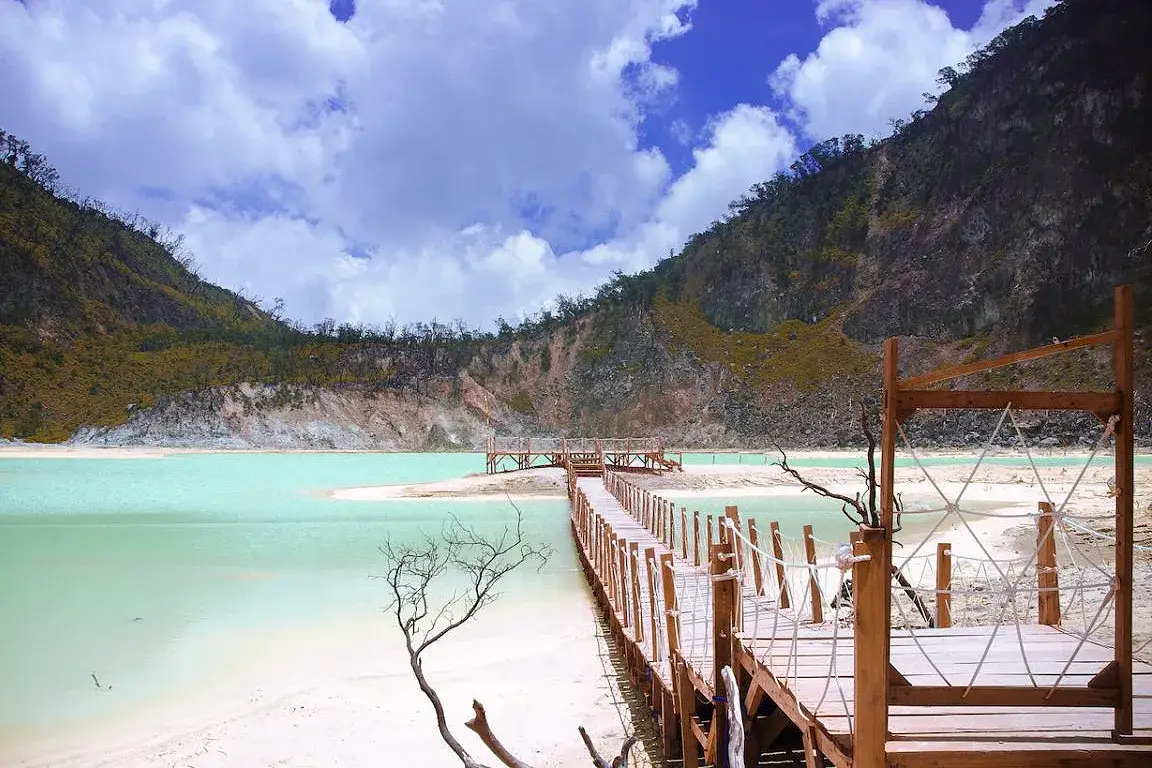
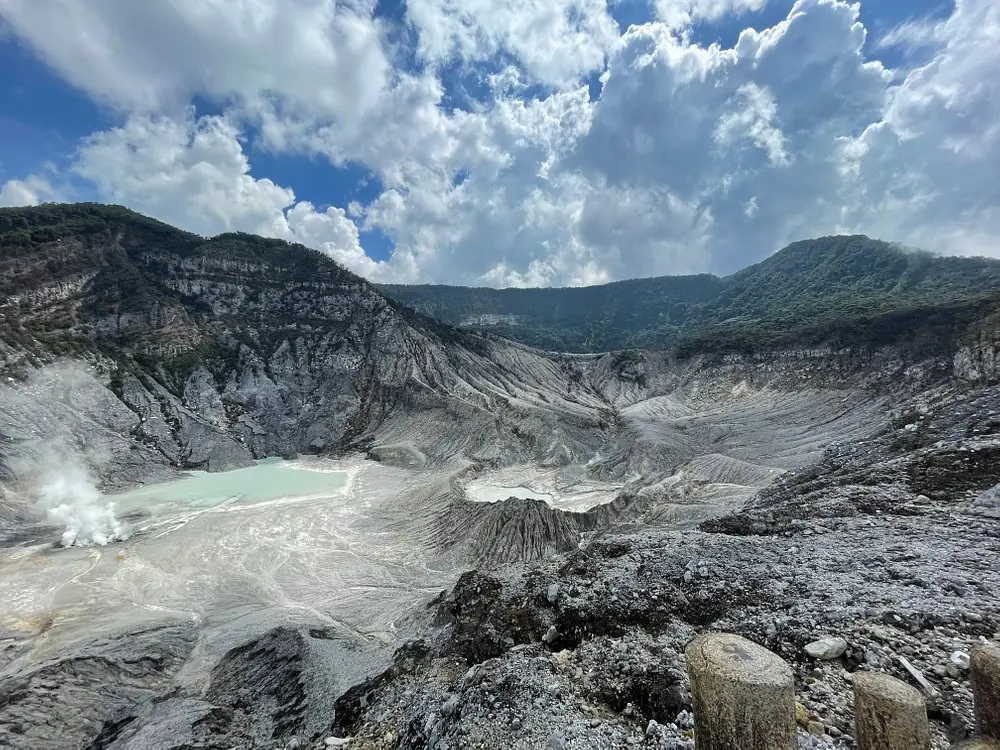
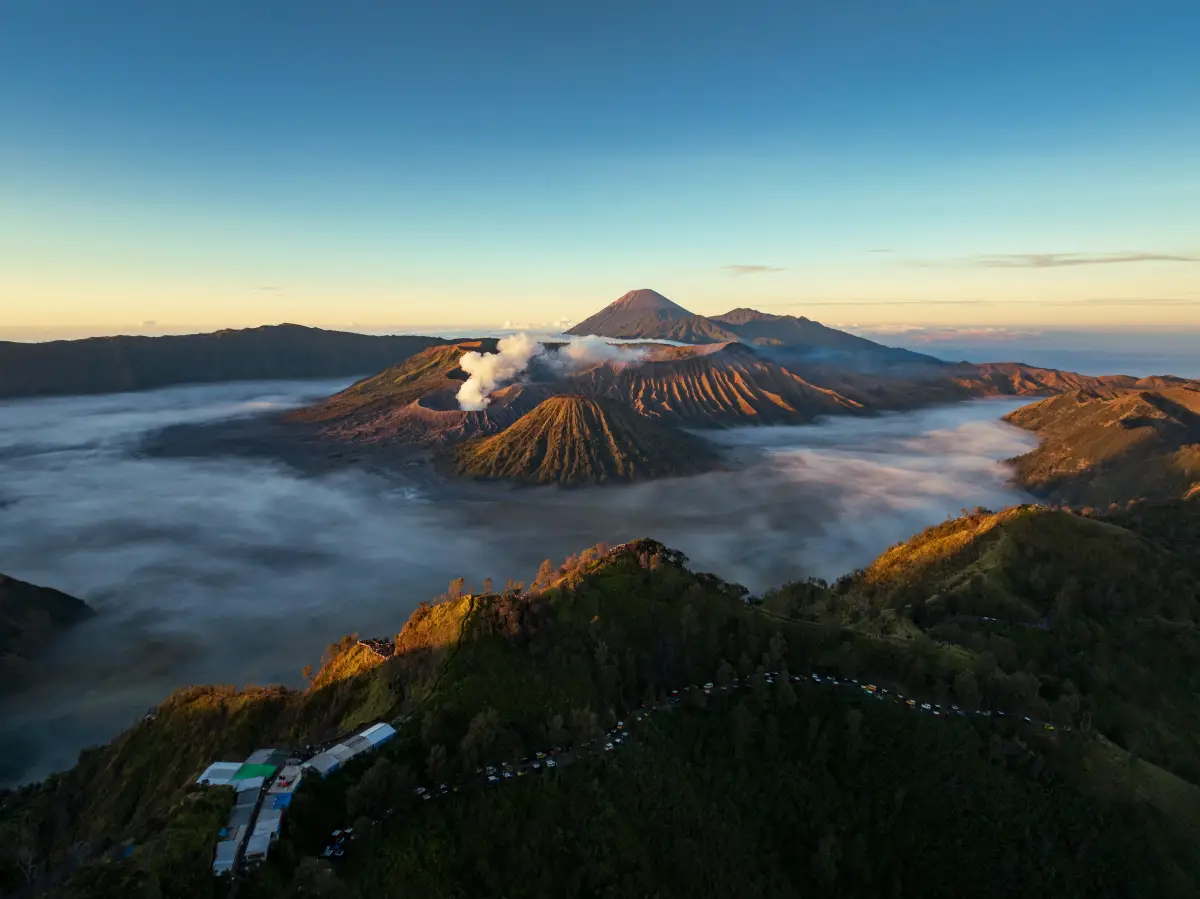
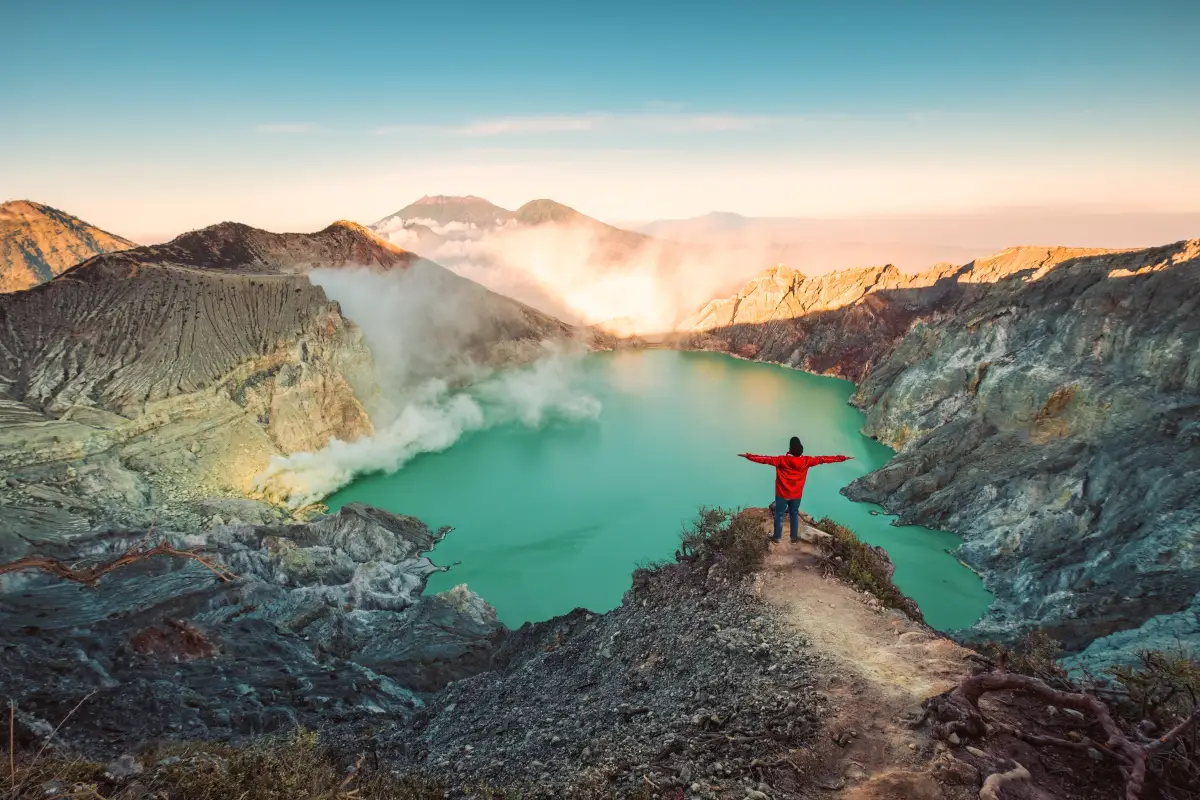
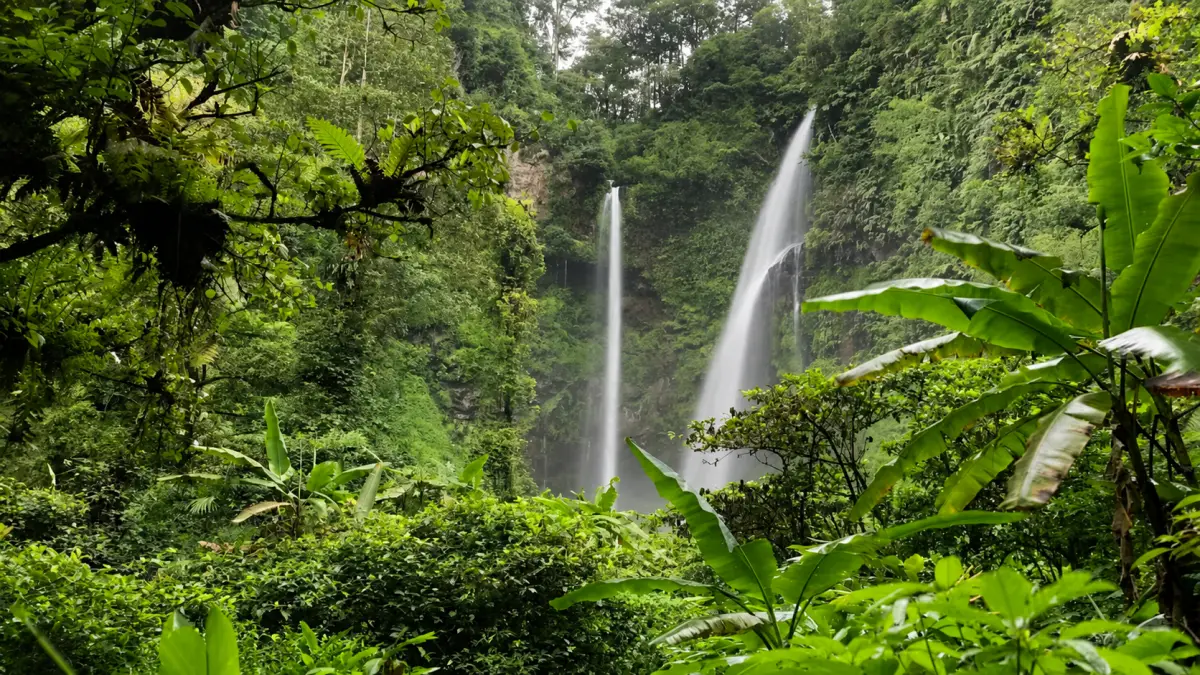
A morning spent hunting for bargains pairs surprisingly well with an afternoon in Bandung's countryside. Many visitors combine a flea market stop with a day trip to the region's volcanoes, tea plantations, and hot springs, turning a shopping outing into a fuller taste of what West Java has to offer. If you're building a longer itinerary, a multi-day Jakarta and Bandung tour can easily fold in a market morning alongside the region's bigger natural and cultural highlights.
Cimol Gedebage is the most famous, known for its huge volume of imported second-hand clothing sold by weight or in bulk bundles at very low prices.
Yes, bargaining is standard practice. Vendors usually expect buyers to negotiate, and starting well below the asking price is common and accepted.
Items are second-hand imports, so quality varies. Most shoppers wash everything thoroughly before wearing, and it's worth checking seams and fabric closely before buying.
Weekday mornings tend to be quieter and offer fresher stock, while weekends are busier but have the widest selection since vendors restock for the crowd.
Ride-hailing apps like Gojek or Grab are the easiest option, as both markets are a bit outside the main tourist strip and not always convenient to reach by public transport.
Yes, many visitors pair a morning at a flea market with an afternoon exploring Bandung's countryside, or add it as a stop within a multi-day Bandung tour.
Ready to turn your Bandung trip into more than just a shopping run? Check out the White Crater, Suspension Bridge & Hot Spring day trip and let Ekaputra Tour help you pair a great thrift haul with the natural beauty West Java is famous for.