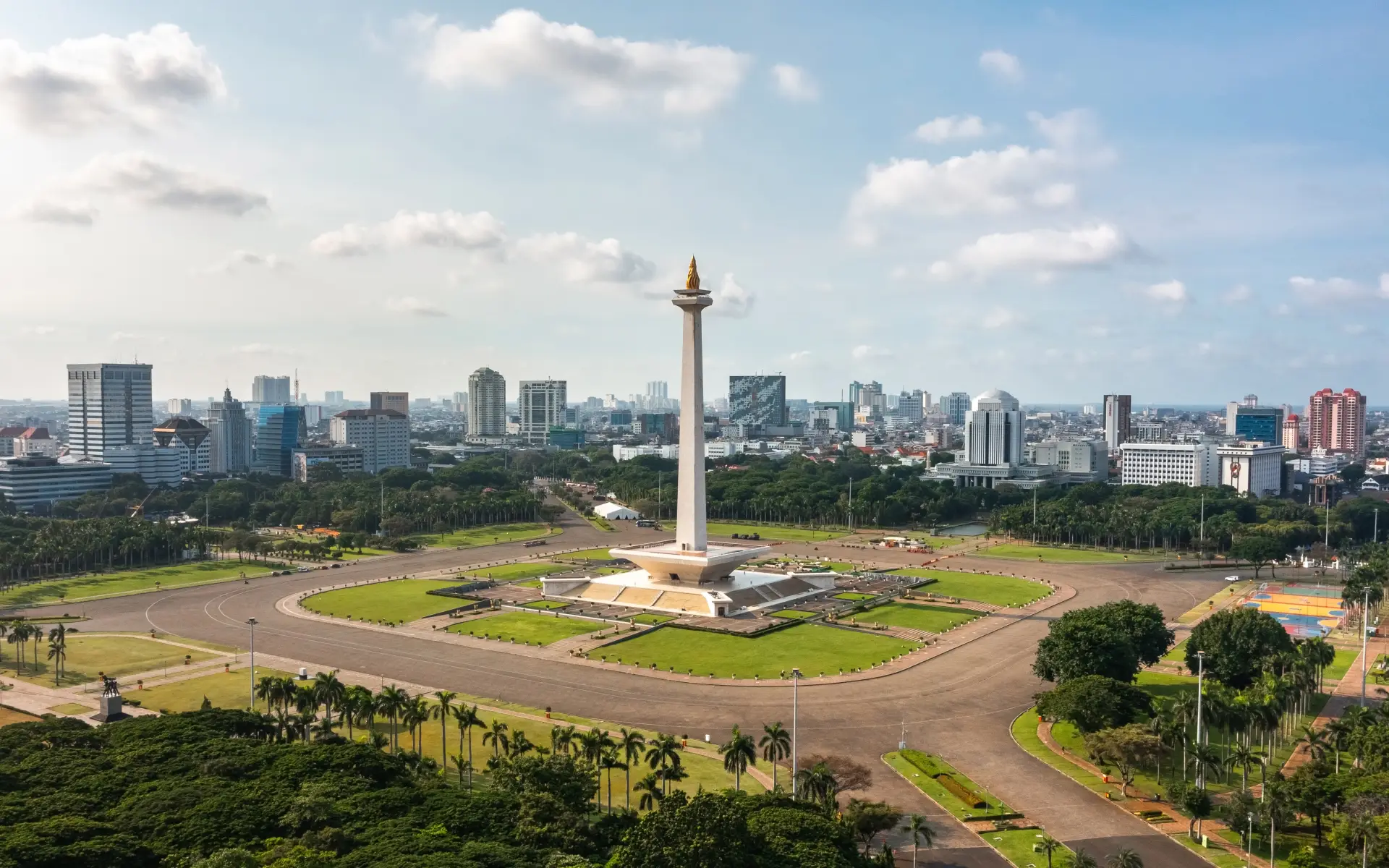
많은 인도 여행객들에게 자카르타는 도착하는 순간부터 놀라울 정도로 친숙하게 느껴집니다. 분주하고 다소 혼란스럽지만 활기가 넘치며 문화에 깊이 뿌리내린 도시입니다.
동시에 새로운 경험도 제공하여, 부담스럽기보다 흥미로운 여행이 됩니다.
어떤 사람들은 발리로 가기 전 경유지로 이곳을 찾지만, 자카르타 자체도 탐험할 가치가 있습니다.
도시에서 하루 이틀 머물다 보면, 모든 것이 더 수월하게 느껴지게 하는 작은 유사점들을 발견하게 됩니다.
이 가이드는 특히 비자 요건, 음식, 그리고 많은 인도 여행객들이 의미 있게 느끼는 문화적 연결고리에 대해 무엇을 기대해야 하는지 안내해 드립니다.
델리나 뭄바이 같은 도시에 익숙하다면 자카르타가 그리 낯설지 않을 것입니다. 교통 체증, 인파, 길거리 음식, 그리고 전반적인 삶의 속도가 매우 비슷하게 느껴질 수 있습니다.
사람들이 상호작용하는 방식에서도 공통된 따뜻함이 느껴집니다. 현지인들은 대체로 친절하고 도움이 되며, 언어 장벽이 있어도 미소를 받거나 도움을 받는 일이 드물지 않습니다.

그 이상으로 더 깊은 연결고리가 있습니다. 인도네시아는 특히 종교, 언어, 고대 무역로를 통해 인도와 역사적 유대 관계를 맺고 있습니다.
처음에는 눈치채지 못할 수도 있지만, 여행 내내 미묘한 방식으로 드러납니다.
델리, 뭄바이, 첸나이, 방갈로르 등 인도 주요 도시에서 출발하는 다양한 항공편이 있습니다.
대부분의 노선은 싱가포르나 쿠알라룸푸르에서의 짧은 경유를 포함하지만, 특정 노선에는 직항편도 운항됩니다.

에어 인디아, 인디고, 싱가포르 항공과 같은 항공사들이 자카르타로 향하는 여행객들이 주로 이용하는 항공사입니다.
비행 시간은 노선과 경유 시간에 따라 보통 7시간에서 10시간 정도 소요됩니다.
미리 계획 중이라면 일정에 융통성을 두는 것이 좋습니다. 작은 변경만으로도 항공권 가격이 눈에 띄게 달라질 수 있습니다.
인도 여권 소지자가 인도네시아를 여행하는 것은 비교적 간단합니다.
최대 30일간 체류할 수 있는 도착 비자를 신청할 수 있습니다.
더 긴 체류가 필요하다면 한 번에 한해 30일을 추가로 연장할 수 있습니다. 현재 많은 여행객들이 공항에서 시간을 절약하기 위해 출발 전에 온라인으로 신청하는 것을 선호합니다.
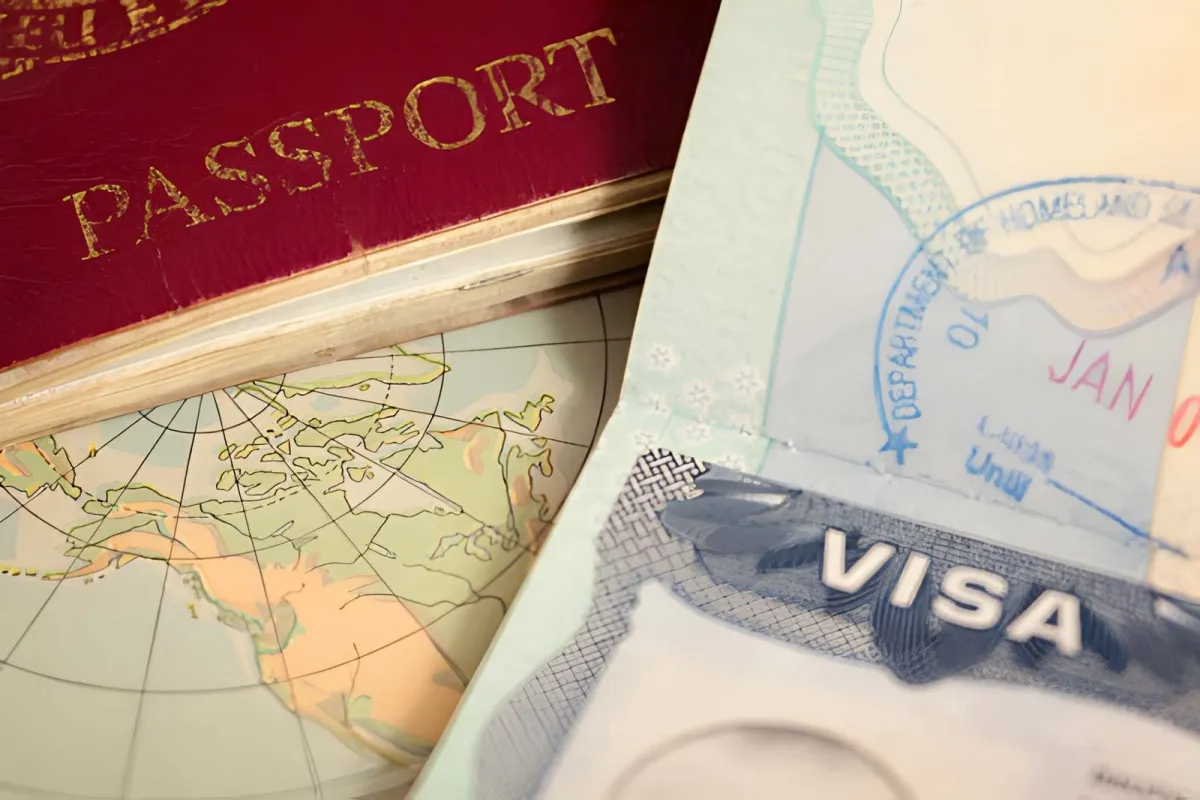
여권의 유효 기간이 입국일 기준으로 최소 6개월 이상 남아 있어야 하며, 귀국 또는 다음 목적지로 가는 항공권을 준비해 두시기 바랍니다.
절차는 간단하지만 여행 전에 최신 정보를 확인하는 것이 좋습니다.
음식은 대개 인도 여행객들이 자카르타에서 가장 편안함을 느끼는 부분입니다.
인도네시아 요리는 향신료를 많이 사용하며, 풍미는 다르지만 여전히 친숙하게 느껴집니다. 쌀이 주식인 점은 인도의 많은 지역과 마찬가지이며, 식사는 주로 쌀을 중심으로 구성됩니다.
나시 고렝과 미 고렝 같은 요리는 첫 입부터 쉽게 즐길 수 있습니다.
진하고 향신료가 풍부한 음식을 좋아한다면 렌당을 놓치지 마세요. 천천히 조리되어 깊은 풍미를 자랑하며, 종종 인도 카레를 떠올리게 합니다.

땅콩 소스를 곁들인 사테 또한 인기 메뉴입니다. 구운 고기와 강렬한 양념의 조합이 인도인의 입맛에 잘 맞는 편입니다.
채식주의 여행객을 위해 가도가도, 템페 요리, 야채 볶음 같은 선택지도 널리 마련되어 있습니다. 약간의 요청이 필요할 수 있지만, 대부분의 식당에서 간단한 식단 요구 사항을 수용할 수 있습니다.
익숙한 음식이 그리울 때를 대비해 자카르타에는 인도 레스토랑도 있으며, 특히 국제적인 커뮤니티가 형성된 지역에 많이 있습니다.
인도 여행객으로서 인도네시아를 방문할 때 가장 흥미로운 점 중 하나는 두 문화가 얼마나 연결되어 있는지 발견하는 것입니다.
라마야나와 마하바라타 같은 이야기는 이곳에서도 널리 알려져 있으며, 특히 전통 공연과 예술에서 두드러집니다.
놀랍도록 친숙하게 느껴지는 이름, 상징, 심지어 사원까지 만나볼 수 있습니다.

이러한 연결은 수 세기 전으로 거슬러 올라가며, 현재 인도네시아는 무슬림이 다수인 국가이지만, 그 역사적 영향은 여전히 일상 문화의 일부로 남아 있습니다.
이는 여행에 또 다른 깊이를 더해 줍니다. 단순히 새로운 나라를 방문하는 것이 아니라, 다른 환경 속에서 자신의 문화가 반영된 모습을 바라보는 경험을 하게 됩니다.
자카르타에서 이동하려면 주로 교통 체증 때문에 약간의 인내심이 필요합니다. 하지만 기본 사항을 파악하고 나면 충분히 관리할 수 있습니다.
트랜스자카르타와 MRT 자카르타와 같은 대중교통 옵션은 특정 노선에서 신뢰할 수 있고 저렴합니다.
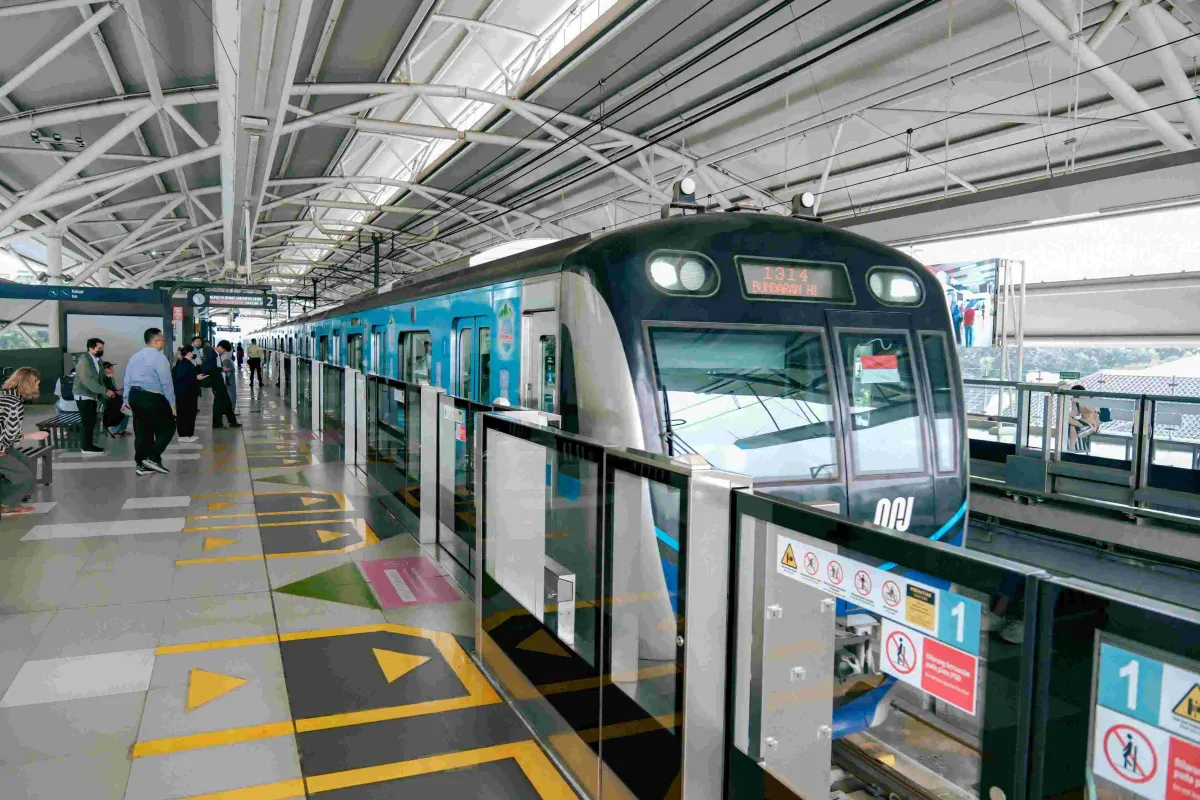
대부분의 방문객은 고젝(Gojek)이나 그랩(Grab) 같은 앱을 선호합니다. 인도에서 비슷한 앱을 사용해 보셨다면 이 앱들도 아주 쉽게 이용할 수 있습니다.
특히 혼잡 시간대에는 이동 시 여유 시간을 두는 것을 잊지 마세요.
몇 가지 작은 사항이 여행을 더욱 수월하게 만들어 줍니다.
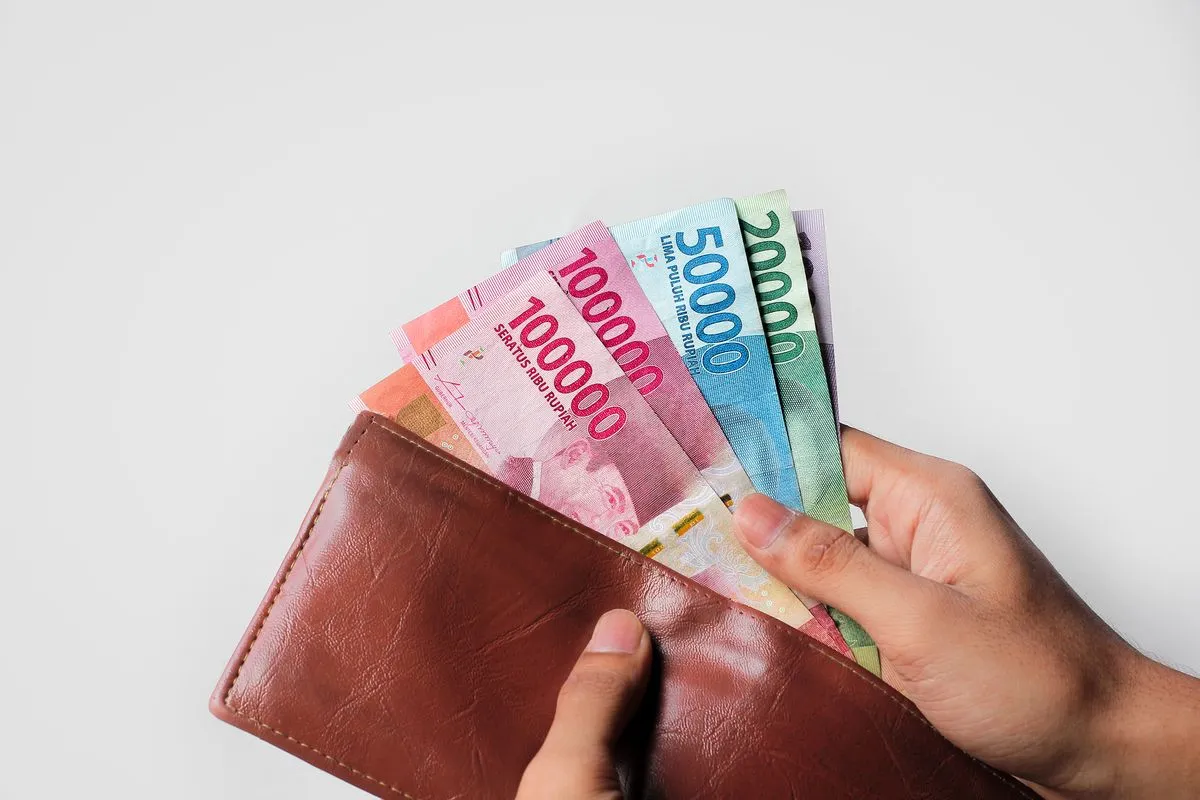
현금이 여전히 널리 사용되므로 현지 통화를 어느 정도 소지하는 것이 좋습니다. 카드는 쇼핑몰과 대형 레스토랑에서 사용할 수 있지만 모든 곳에서 통용되지는 않습니다.
공항에서 현지 SIM 카드를 구입하는 것이 좋습니다. 저렴하며 차량 호출, 길 찾기, 연락 유지가 훨씬 수월해집니다.
많은 곳, 특히 호텔과 관광지에서는 영어가 통용되지만, 기본적인 바하사 인도네시아어 표현 몇 가지를 배워두면 도움이 되고 호의적으로 받아들여집니다.
안전과 관련해서 자카르타는 대체로 관광객에게 안전한 도시입니다. 단지 주변 상황을 잘 인지하고, 특히 혼잡한 장소에서는 소지품을 안전하게 관리하세요.
자카르타는 연중 따뜻하므로 주로 고려할 사항은 날씨 패턴입니다.
5월부터 9월까지 이어지는 건기가 보통 가장 쾌적한 방문 시기입니다. 갑작스러운 비를 걱정하지 않고 도시를 둘러보기 수월합니다.

우기는 10월부터 4월까지입니다. 소나기가 강하게 내릴 수 있지만 보통 하루 종일 지속되지는 않습니다. 이 기간에 방문한다면 실내와 실외 활동을 혼합하여 계획하는 것이 도움이 됩니다.
시간적 여유가 조금 더 있다면 자카르타를 벗어나 인도네시아의 다른 모습을 보는 것도 가치가 있습니다.
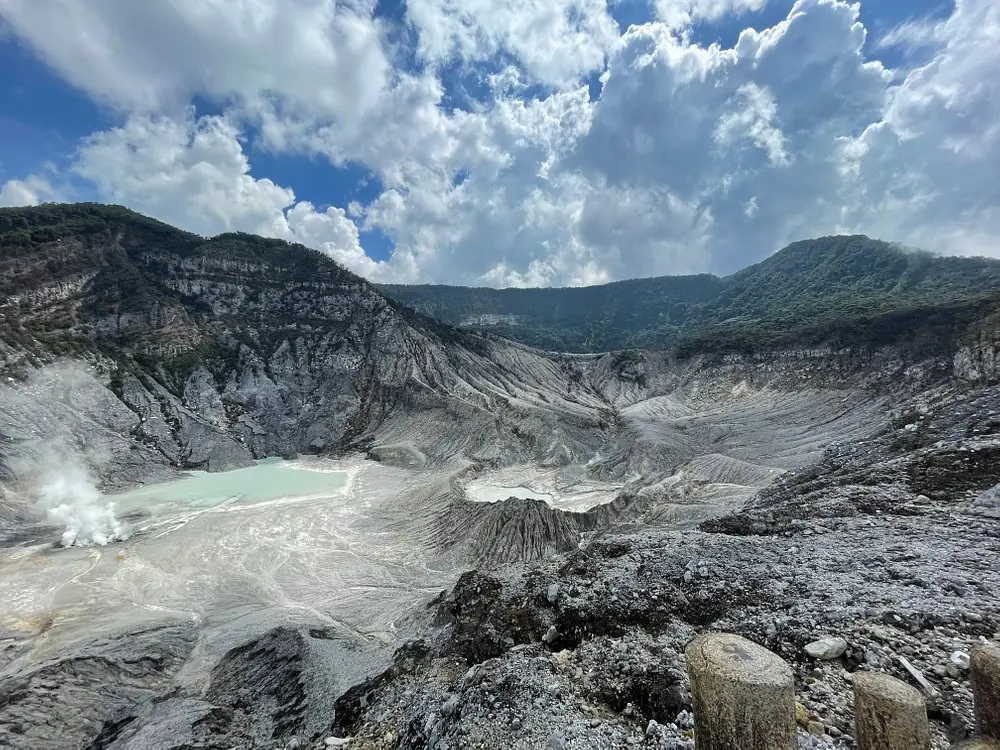
반둥은 가장 인기 있는 선택지 중 하나입니다. 더 시원하고 푸르며 아름다운 경치와 화산 지형으로 유명합니다. 자카르타에 비해 생활 속도도 더 여유롭습니다.
스스로 여행 계획을 세우는 것은 특히 경로에 익숙하지 않은 경우 시간이 걸릴 수 있습니다.
에카푸트라 투어를 이용하면 교통편부터 일정까지 모든 것이 준비되어 있으므로, 경험을 즐기는 데 집중할 수 있습니다.
자카르타를 떠날 때쯤이면 완전히 새로운 곳이라기보다 서서히 익숙해진 장소처럼 느껴질 때가 많습니다.
익숙함과 새로움이 공존하여 편안하면서도 기억에 남는 여행이 되며, 특히 여정 중에 문화적 연결고리를 발견하는 인도 여행객들에게 그러합니다.