Planning a trip to Jakarta? You are not alone. Indonesia's capital welcomes millions of international visitors each year, yet most travel guides either overwhelm you with information or barely scratch the surface.
This guide is different. We have compiled 20 practical Jakarta travel tips based on real experiences from tourists and our own local expertise at Ekaputra Tour.
Each tip is something you can act on immediately, whether you are landing tomorrow or still deciding when to book.
These two apps will become your best friends in Jakarta. Think of them as Southeast Asia's version of Uber, but with way more features.
Grab and Gojek handle ride-hailing, food delivery, package sending, and even digital payments. For tourists, the ride-hailing feature alone makes navigating Jakarta ten times easier.
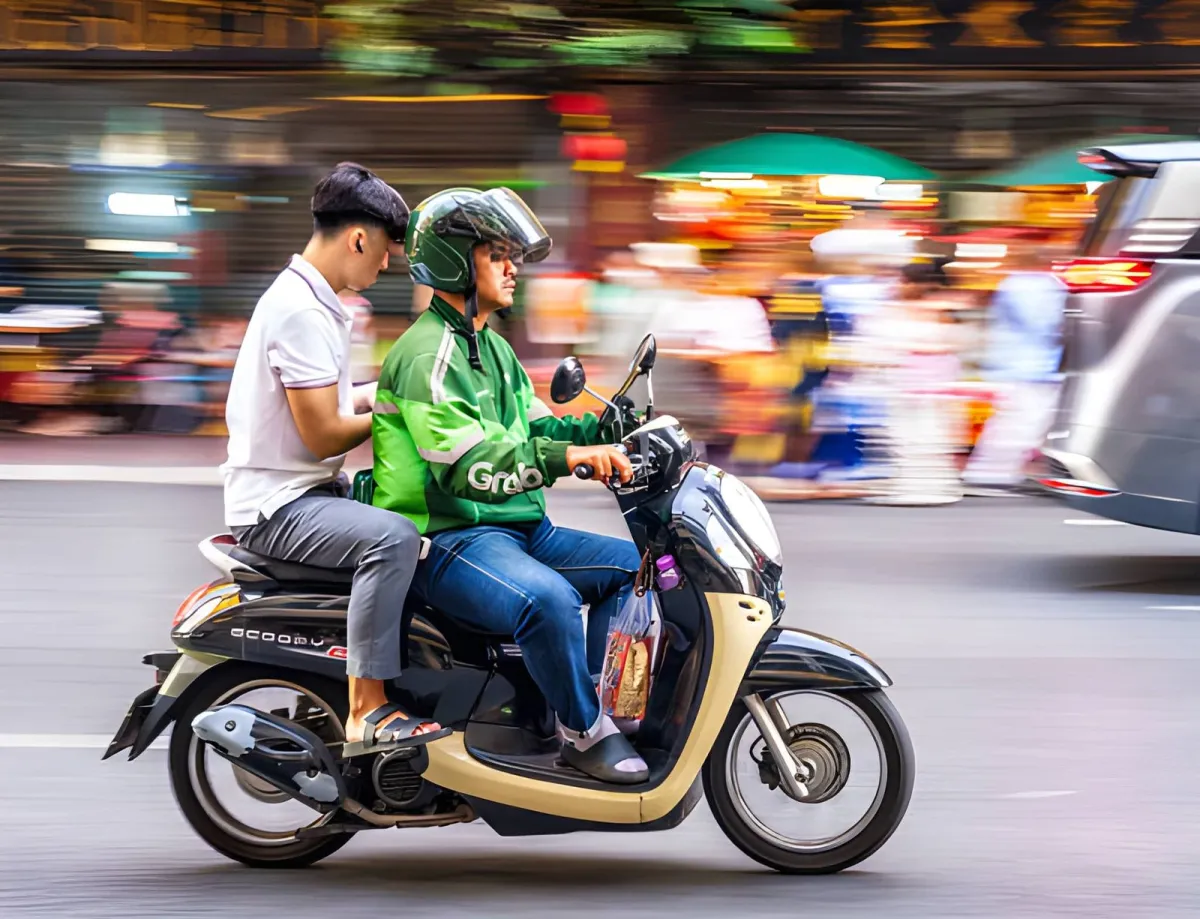
You can see the fare before you book, track your driver in real time, and avoid the stress of negotiating with random taxis on the street.
Download both apps before your flight, set up your account, and link a payment method.
Having two options means you can compare prices and availability, especially during peak hours when one app might surge while the other stays reasonable.
If you want a step-by-step walkthrough on setting up these apps with a foreign phone number, our guide on how to use Grab and Gojek in Jakarta as a tourist covers everything from registration to pro tips that most visitors miss.
Despite the growing digital payment scene, cash remains king in most places you will visit as a tourist.
Street food vendors, traditional markets, entrance tickets at smaller attractions, and even some local restaurants still operate on a cash-only basis.
ATMs are widely available in malls, convenience stores, and bank branches across the city. Stick to ATMs inside buildings to reduce the risk of card skimming.
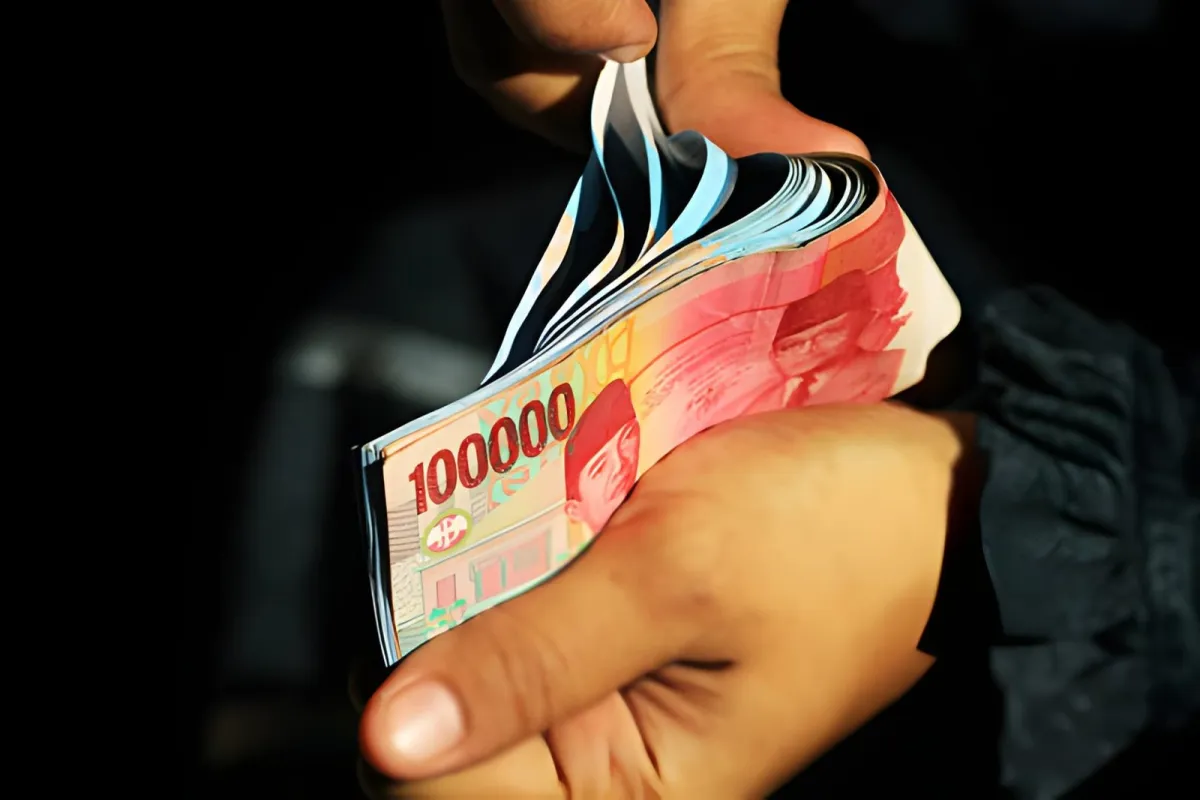
A good rule of thumb is to carry around IDR 300,000 to 500,000 (roughly USD 18 to 30) in smaller denominations for daily spending.
Larger bills like IDR 100,000 can sometimes be difficult to break at small vendors. Credit cards work fine at hotels, malls, and upscale restaurants, but do not rely on them exclusively.
Indonesia does not have a strong tipping culture like the United States, but small tips are always welcome and often make a big difference to service workers.
Most mid-range and upscale restaurants already add a 5 to 10 percent service charge to your bill. If the service charge is included, additional tipping is entirely optional.
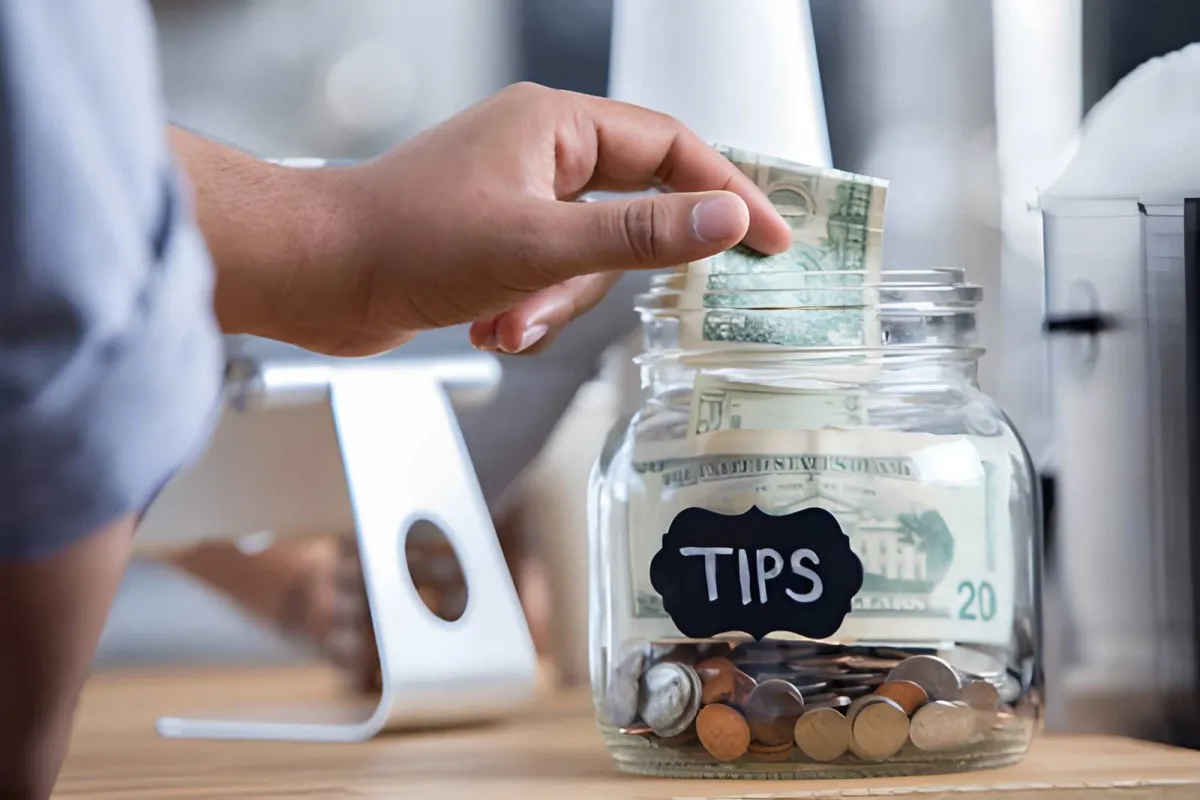
For smaller warungs and street food stalls, tipping is uncommon and not expected at all.
Where tipping does matter is with tour guides, drivers, hotel staff, and spa therapists. These workers often rely on tips as a meaningful part of their income.
If you want to know exactly how much to tip in different situations, our detailed guide on tipping in Jakarta and Indonesia breaks down the etiquette so you never feel awkward about it.
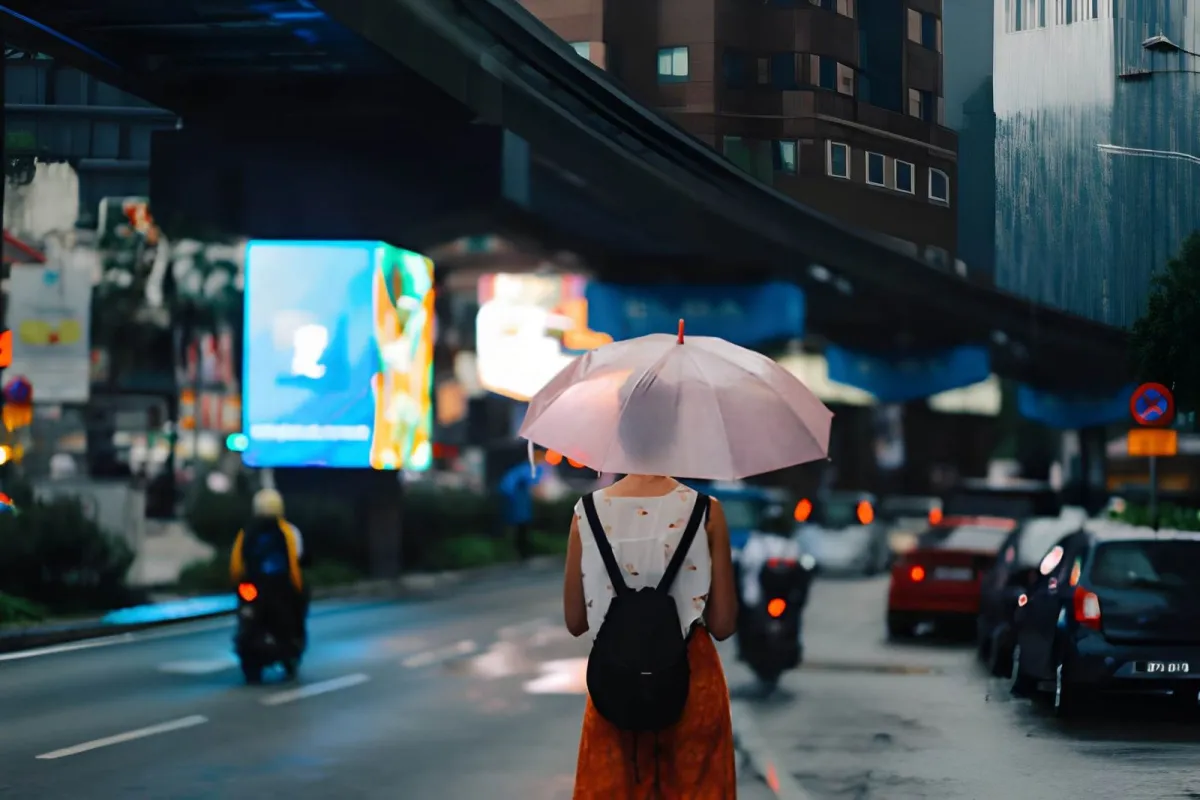
Jakarta's weather is predictably tropical. Expect temperatures between 27 and 34 degrees Celsius throughout the year, paired with humidity that hovers around 70 to 80 percent.
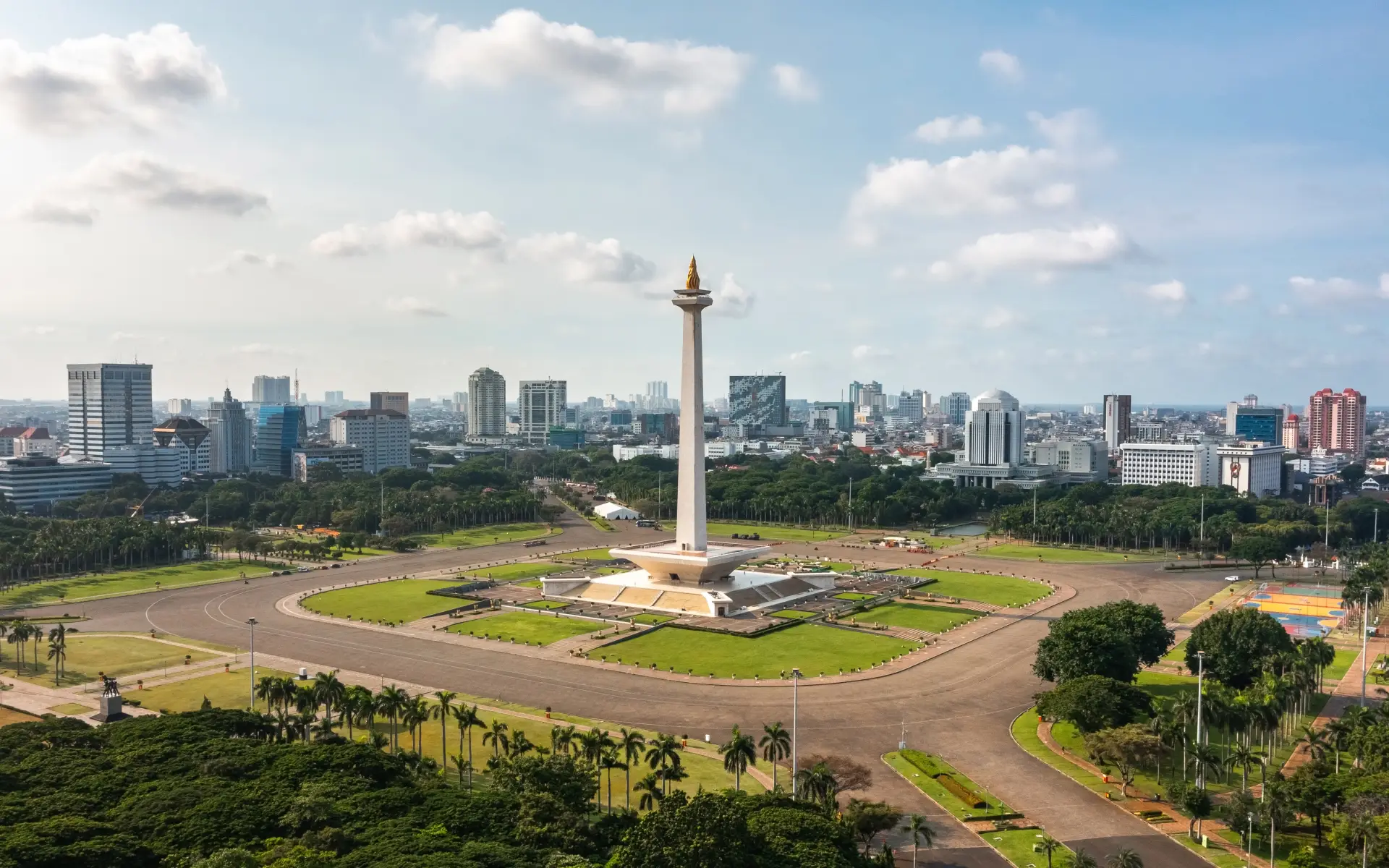
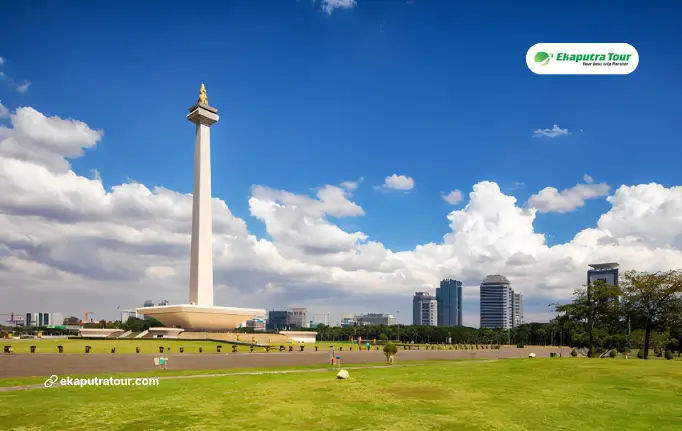
Light, breathable fabrics are essential. Cotton and linen work well. Quick-dry materials are even better if you plan to walk around outdoor attractions like Kota Tua or Monas.
Bring comfortable walking shoes rather than sandals for full-day sightseeing, as Jakarta's sidewalks can be uneven.
Here is the part most guides forget to mention: malls, restaurants, and transportation hubs in Jakarta blast their air conditioning to near-freezing levels.
Always carry a light jacket or shawl in your day bag. You will thank yourself when you step into Grand Indonesia Mall drenched in sweat and suddenly find yourself shivering.
For a complete checklist tailored to Jakarta's climate and culture, check out our Jakarta packing list so you know exactly what to bring and what to wear.
Jakarta is one of the most affordable major capitals in Southeast Asia for tourists, but costs vary wildly depending on your travel style.
A budget traveler eating at local warungs, using public transport, and staying in a clean guesthouse can comfortably spend around USD 30 to 50 per day.

Mid-range travelers who prefer air-conditioned restaurants, ride-hailing apps, and 3-star hotels will spend roughly USD 60 to 100 per day.
Luxury travelers can easily exceed USD 200 per day with fine dining, 5-star hotels, and private tours.
The biggest variable is transportation. Jakarta's traffic can turn a cheap Grab ride into an expensive one during rush hour, and that can add up over a full trip.
Planning your schedule around peak traffic hours saves both time and money.
We put together a full breakdown in our guide on how much a Jakarta trip actually costs, including real prices for accommodation, food, transport, and activities updated for 2026.
You do not need to speak Indonesian to survive in Jakarta. English is widely understood in tourist areas, hotels, and malls. But learning just a handful of basic phrases changes the entire energy of your interactions.
A simple "Terima kasih" (thank you) or "Berapa harganya?" (how much is this?) will earn you genuine smiles and sometimes even better prices at markets.
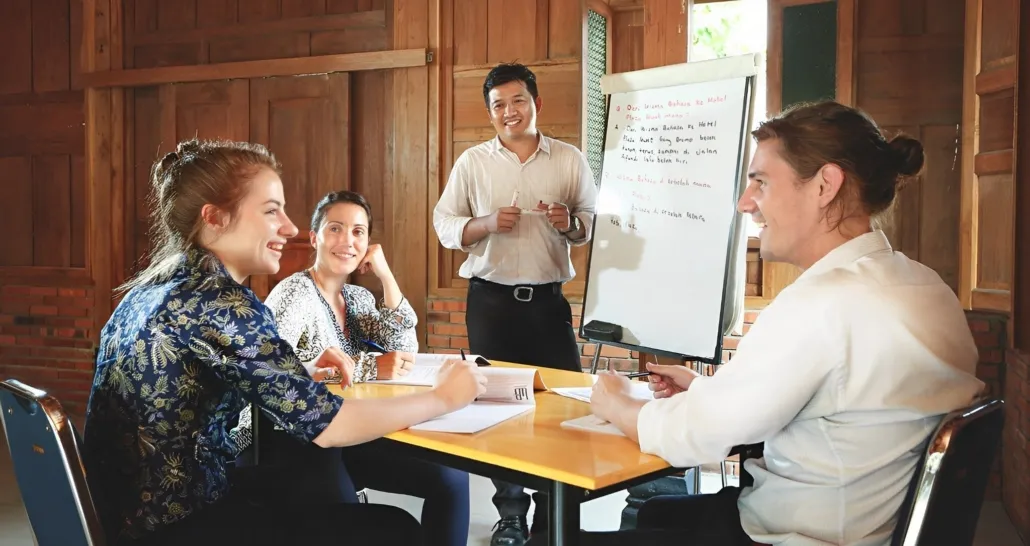
Indonesians deeply appreciate when visitors make even a small effort to speak their language. It signals respect, and that goes a long way in a culture built on warmth and hospitality.
Start with greetings, numbers, and polite expressions. That is more than enough for a week-long trip.
Our guide on basic Indonesian phrases for tourists gives you the essential words and pronunciation tips you need to get by confidently in Jakarta.
This is not an exaggeration. Jakarta regularly ranks among the most congested cities in the world, and rush hour here is a different experience altogether.
Weekday mornings from 7:00 to 9:30 AM and evenings from 4:30 to 7:30 PM are the worst. A ride that takes 15 minutes on a Sunday afternoon can easily take over an hour during Monday rush hour.
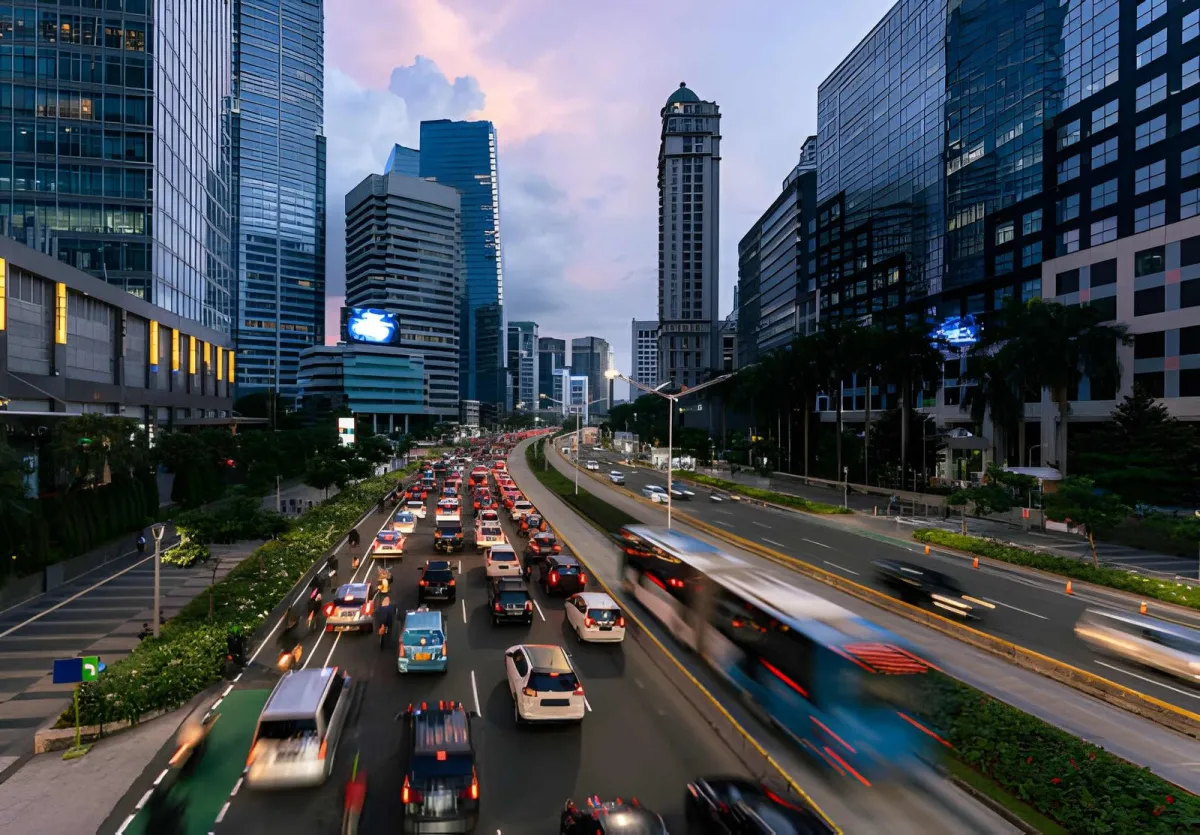
The good news is that this is entirely predictable, so you can plan around it.
Schedule outdoor attractions and sightseeing during late morning or early afternoon.
Use the MRT for north-south travel along the Sudirman corridor, as it completely bypasses road traffic.
TransJakarta buses have dedicated lanes that help during moderate congestion, though they get packed during peak hours.
If you only remember one tip from this entire article, let it be this: never schedule a morning flight without giving yourself at least two extra hours for the drive to Soekarno-Hatta Airport.
Skipping street food in Jakarta is like visiting Paris and avoiding bakeries. You would technically survive, but you would miss the entire point.
Jakarta's street food scene is legendary for good reason. Nasi goreng (fried rice), sate ayam (chicken satay), bakso (meatball soup), and martabak (stuffed pancake) are just the beginning.
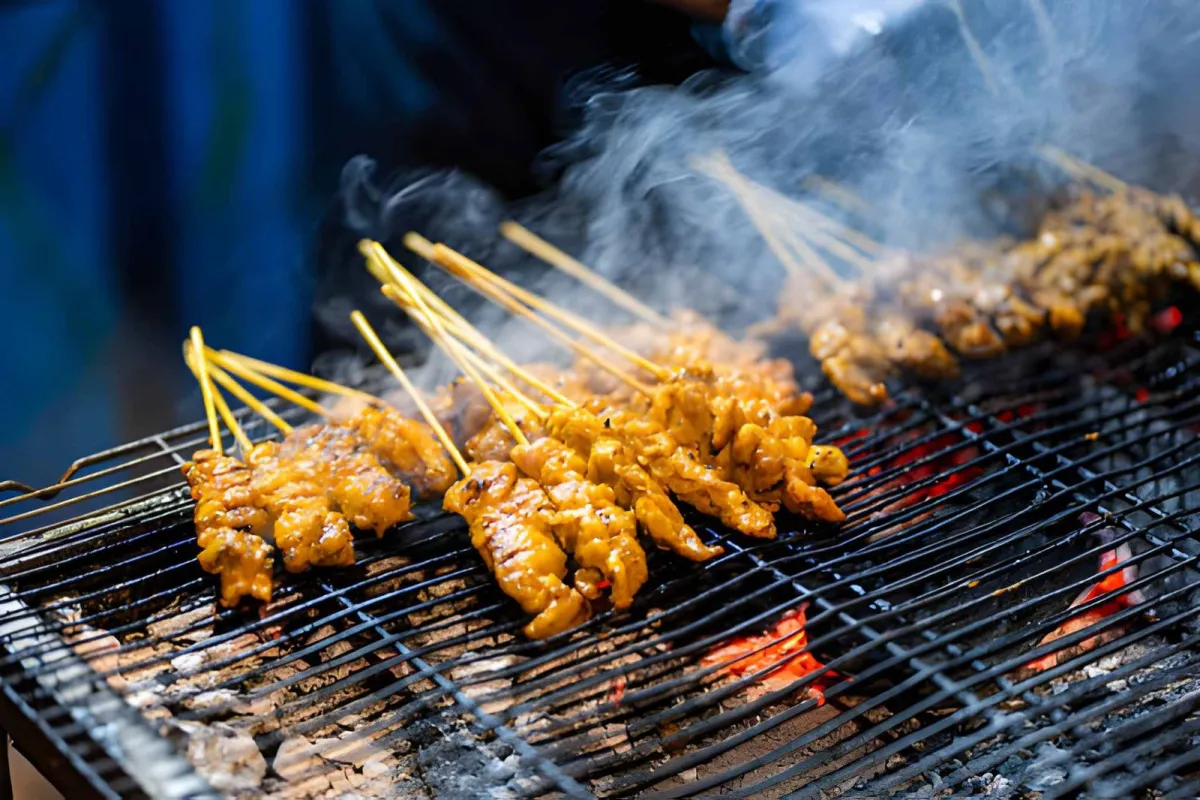
The best versions of these dishes often come from humble roadside stalls and pushcarts, not fancy restaurants.
For food safety, follow the locals. If a stall has a line of Indonesian customers, that is your quality and hygiene stamp of approval.
Avoid stalls where food sits unattended for long periods, and stick to freshly cooked items.
Carry hand sanitizer, stay hydrated, and let your stomach adjust gradually over the first day or two.
This one is non-negotiable. Tap water in Jakarta is not safe for drinking, even in high-end hotels.
Always buy bottled water (locally known as "Aqua," which has become a generic term for bottled water in Indonesia, similar to how people say "Kleenex" for tissues).

A 600ml bottle costs around IDR 3,000 to 5,000 (less than USD 0.50) and is available at every convenience store, warung, and street vendor.
Use bottled water for brushing your teeth as well, especially during your first few days. Ice in reputable restaurants and cafes is generally safe since it is produced commercially, but if you are eating at a very small street stall, it is reasonable to skip the ice as a precaution.
Staying connected in Jakarta is cheap and easy, and you should set it up the moment you land.
Major Indonesian carriers like Telkomsel, XL Axiata, and Indosat Ooredoo have kiosks at both Terminal 2 and Terminal 3 of Soekarno-Hatta Airport.
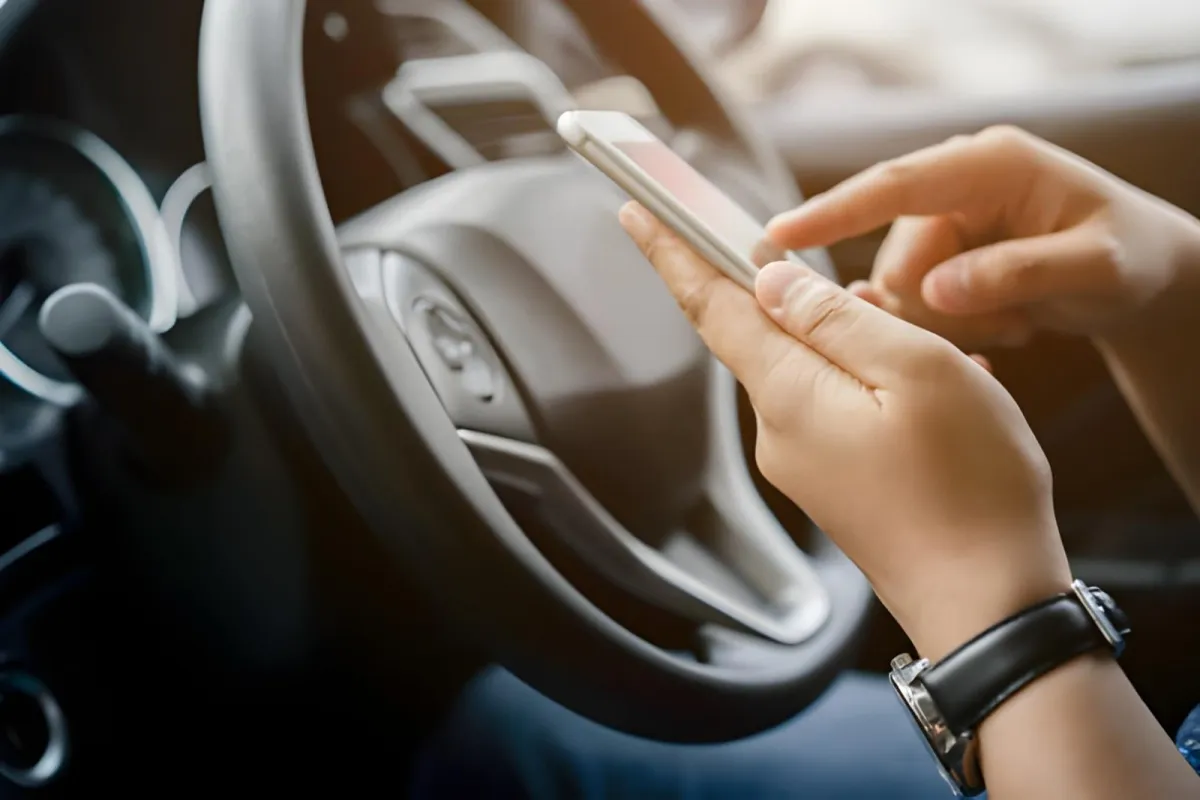
A tourist SIM card with 15 to 30 GB of data typically costs between IDR 50,000 to 150,000 (USD 3 to 10), which is more than enough for a week-long trip.
A local SIM card is essential for using Grab and Gojek, accessing Google Maps, translating menus, and staying in touch with your travel companions.
Make sure your phone is unlocked before you travel, and bring your passport since registration requires ID verification.
Jakarta is a diverse and relatively liberal city by Indonesian standards, but religious sites deserve respectful attire.
When visiting Istiqlal Mosque (the largest mosque in Southeast Asia) or any other mosque, both men and women should cover their shoulders and knees.

Women will need a headscarf, which is usually provided at the entrance for free. At Jakarta Cathedral and other churches, similar modest dress codes apply, though headscarves are not required.
Outside of religious sites, Jakarta is fairly relaxed about clothing. You will see everything from traditional hijab to tank tops in shopping malls.
That said, extremely revealing outfits may draw unwanted attention, particularly in more conservative neighborhoods like those around Tanah Abang and Glodok.
Many first-time visitors worry about exploring Jakarta alone, but the city is surprisingly welcoming for independent travelers.
The combination of affordable ride-hailing apps, an expanding public transport network, and the natural friendliness of Jakartans makes solo travel here more comfortable than in many other major Asian capitals.
You will rarely feel isolated, even if you do not speak the language, because locals are genuinely curious about foreign visitors and often go out of their way to help.
We have a full solo travel guide for Jakarta that covers logistics, safety, and the best experiences for independent travelers.
And if you are a woman traveling alone, our dedicated guide on solo female travel in Jakarta addresses specific safety concerns, neighborhood recommendations, and real insights from women who have done it.
Most people do not think of Jakarta as a romantic destination, but couples who visit are often pleasantly surprised.
The city offers rooftop bars with stunning skyline views, intimate dinners at heritage restaurants in Menteng, sunset boat trips to the Thousand Islands, and quiet walks through the tree-lined streets of Kebayoran Baru.

Jakarta's dining scene rivals Bangkok and Kuala Lumpur in quality, with everything from candlelit fine dining to charming hidden cafes tucked away in residential alleys.
If you are traveling with a partner, our guide on romantic things to do in Jakarta for couples highlights the best spots, experiences, and insider recommendations that most tourists never discover.
Soekarno-Hatta Airport is a major transit hub in Southeast Asia, and thousands of travelers pass through on connecting flights without ever stepping outside. That is a missed opportunity.
With 4 to 8 hours between flights, you can realistically visit Kota Tua (Jakarta's historic Old Town), grab authentic street food, explore a local market, and make it back to the airport with time to spare.
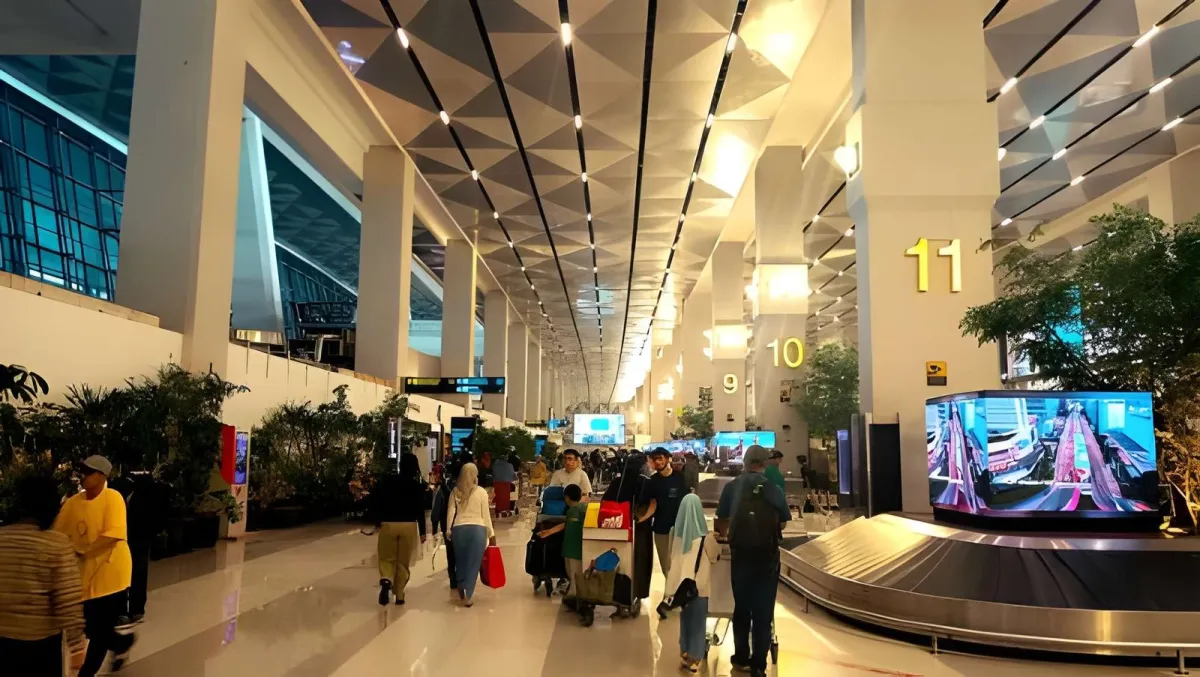
The airport rail link connects you to central Jakarta in about 45 minutes, making it entirely feasible even on a tight schedule.
The key is knowing exactly what to prioritize and what to skip. Our Jakarta layover guide maps out realistic itineraries based on how much time you actually have, so you can make the most of your stopover without stressing about missing your next flight.
If you work remotely, Jakarta deserves a spot on your radar.
The city offers fast and reliable WiFi at dozens of well-equipped coworking spaces, a cafe culture that rivals Bali's without the tourist markup, and monthly apartment rentals that cost a fraction of what you would pay in Bangkok or Ho Chi Minh City.

Areas like Kemang, Senopati, and SCBD have become popular hubs for remote workers, with plenty of options for both focused work sessions and social networking.
For remote workers considering a longer stay, our guide on Jakarta for digital nomads covers the best coworking spaces, laptop-friendly cafes, monthly accommodation options, and practical tips for setting up your work-life routine in the city.
Jakarta's cultural calendar is packed with festivals, national holidays, and events that can dramatically enhance your experience or, if you are unprepared, disrupt your plans.
Ramadan affects restaurant hours, nightlife, and general city rhythm for about a month each year.
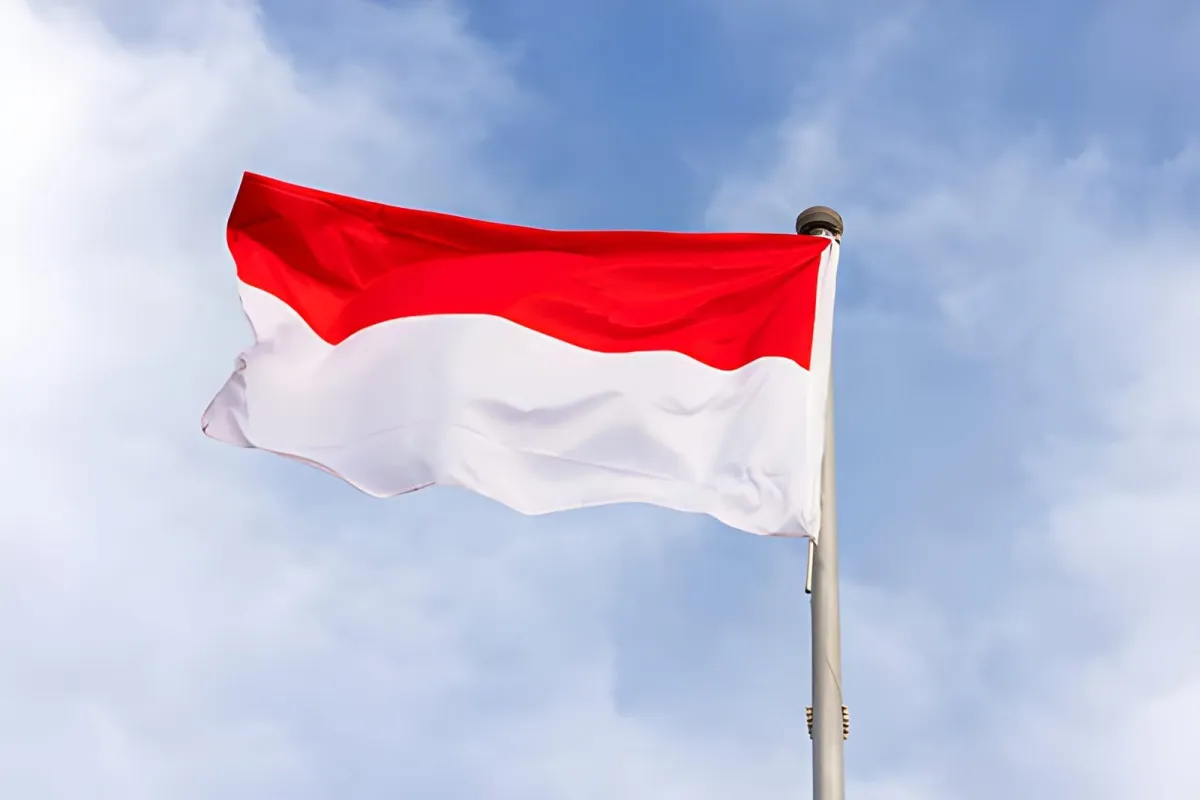
Eid al-Fitr triggers one of the largest human migrations on the planet as millions of Jakartans travel to their hometowns, leaving the city quieter but also reducing available services.
Chinese New Year lights up Glodok (Jakarta's Chinatown) with vibrant celebrations, and various cultural festivals happen throughout the year.
Check our Jakarta events calendar for 2026 before booking your trip so you can plan around major holidays or deliberately visit during a celebration.
And if you happen to be in Jakarta on August 17, you are in for something special.
Our guide on Indonesia Independence Day in Jakarta explains what to expect during the country's biggest national celebration.
Not all Jakarta travel advice applies equally to every traveler. Your experience will differ based on your nationality, cultural background, and what you are used to at home.
Australian tourists, for example, benefit from short direct flights and visa-free entry, but often underestimate Jakarta's cultural differences compared to Bali.
We put together a specific guide for Australian tourists visiting Jakarta covering flights, visa details, and what to know before you go.
Indian travelers will find familiar flavors in Jakarta's spice-heavy cuisine and may be surprised by the deep historical connections between Indonesian and Indian culture.
Our guide for Indian travelers visiting Jakarta explores food options, cultural parallels, and practical visa information.
Chinese tourists can enjoy a unique experience in Glodok, Jakarta's historic Chinatown, where Mandarin is commonly spoken and traditional Chinese-Indonesian culture thrives.
Our Mandarin-friendly guide for Chinese tourists helps you navigate the city comfortably and discover the best of Jakarta's Chinese heritage.
Jakarta is fascinating, but some of Indonesia's most memorable experiences are just a few hours away.
Bandung, known as the "Paris of Java," is now reachable in roughly 40 minutes via the Whoosh high-speed train.
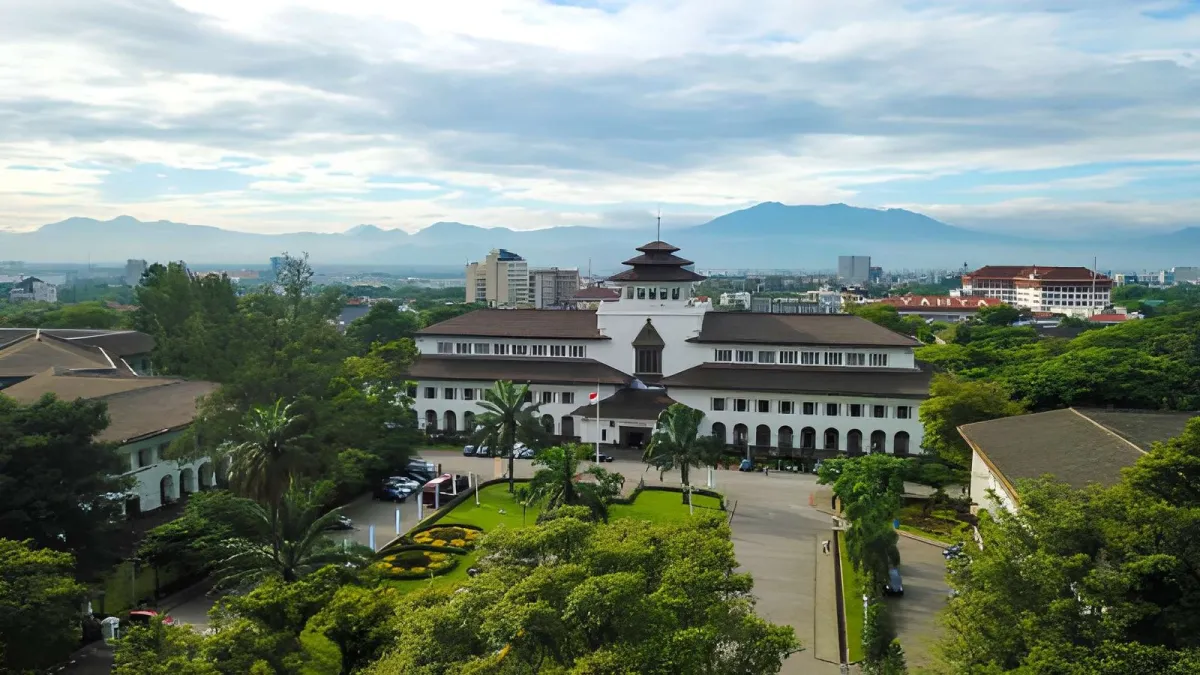
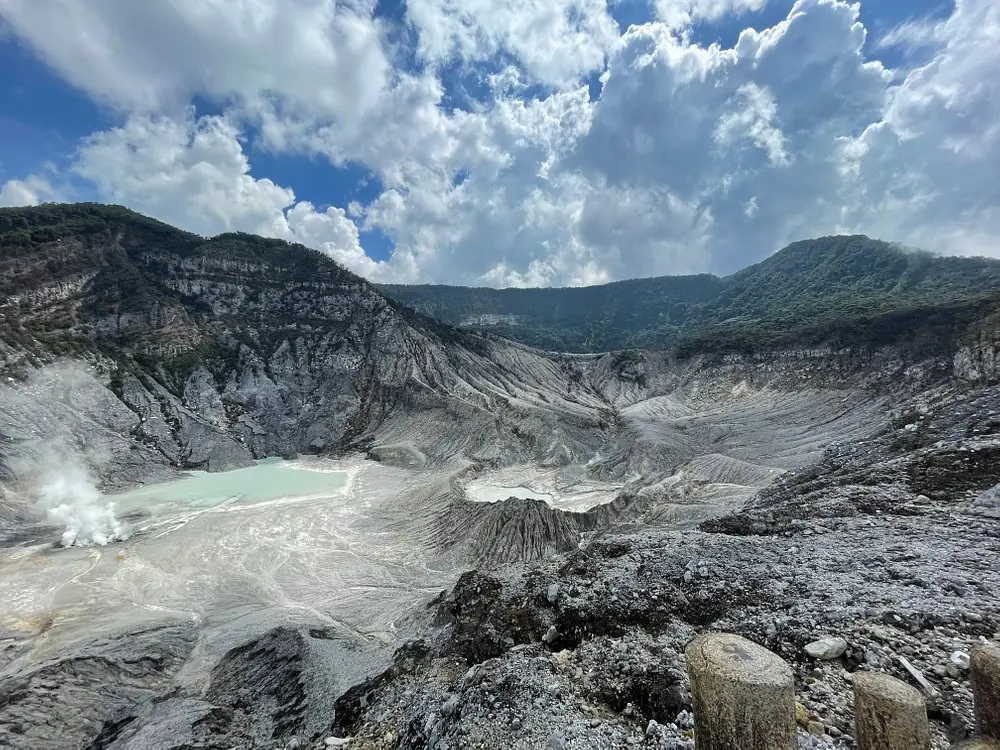
You can explore volcanic craters, tea plantations, and a completely different side of Javanese culture in a single day before returning to Jakarta by evening.
Our guide on visiting Bandung in one day helps you maximize every hour.
For something truly off the beaten path, consider a trip to the Baduy Village.
This indigenous community lives without electricity, modern technology, or outside influence, and visiting them is one of the most humbling cultural experiences available near Jakarta.
Our guide on how to visit the Baduy Village from Jakarta explains the logistics, etiquette, and what to expect from this once-in-a-lifetime experience.
Jakarta is generally a safe city for tourists, and violent crime against visitors is rare. That said, common sense still applies.
Keep your phone in a secure pocket or bag, especially when walking near busy roads.
Motorcycle-based phone snatching happens occasionally in crowded areas. Use reputable taxi services like Blue Bird or stick with Grab and Gojek for all your rides.
Avoid walking alone in poorly lit areas at night, particularly around train stations and underpasses.
Save these emergency numbers in your phone: 110 for police, 119 for ambulance, and 118 for search and rescue.
Your hotel front desk is also a reliable resource if you need help with anything from medical assistance to reporting lost belongings.
This is the tip that transforms a good Jakarta trip into a great one.
Jakarta is a massive, complex city that does not reveal its best side to people who only see it from a taxi window.
A knowledgeable local guide helps you navigate not just the streets, but the culture, the food, the history, and the unwritten social rules that make Jakarta uniquely rewarding.
At Ekaputra Tour, our English-speaking guides lead private half-day and full-day tours that cover Jakarta's top attractions, hidden gems, and authentic food experiences.
Whether you are a first-time visitor with limited time or a returning traveler looking to go deeper, having a local expert by your side makes all the difference.
Explore our Jakarta tour packages and let us help you experience the city the way it deserves to be experienced.
Jakarta is not the kind of city that fits neatly into a postcard. It is loud, sprawling, humid, and chaotic in ways that can overwhelm first-time visitors.
But underneath all of that, it is also one of the warmest, most flavorful, and culturally rich cities in Southeast Asia.
The 20 tips above are designed to help you skip the common frustrations and get straight to the good stuff.
Save this article, share it with your travel companions, and come back to it as your trip gets closer.
Jakarta is waiting, and it has a lot more to offer than most people expect.