Java's textile heritage is one of the richest in the world, and if you're wondering where to buy Javanese traditional clothing, you're in for a treat. From the deep-dyed batik of Yogyakarta's back alleys to the tailored kebaya sold in Solo's family-run shops, this island offers everything from quick souvenir finds to museum-quality heirloom pieces. This guide walks you through the best cities, markets and shopping strategies so you can bring home something genuinely meaningful, not just another printed sarong.
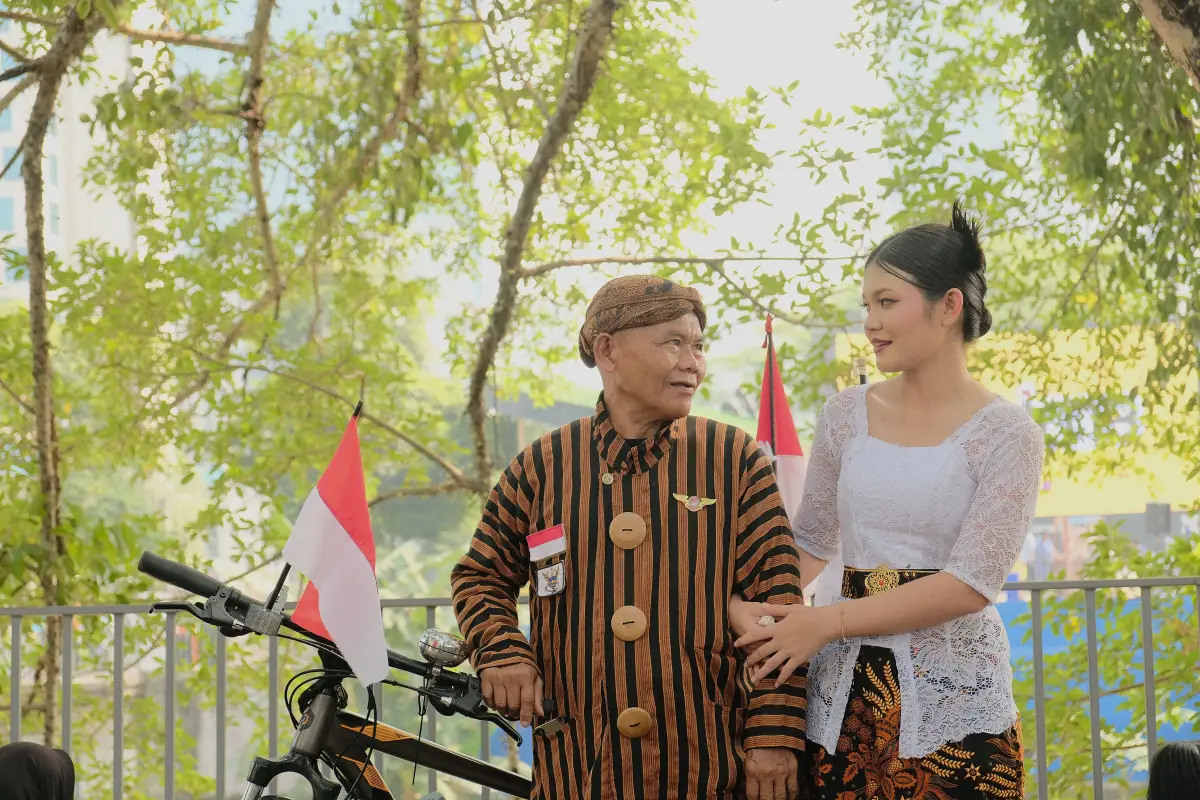
Before you start shopping, it helps to know what you're actually looking for. Batik is the wax-resist dyed cloth that forms the backbone of Javanese fashion, worn as shirts, sarongs, scarves and dresses. Kebaya is the fitted, often lace or brocade blouse traditionally paired with a batik sarong, worn by women at ceremonies and formal events. For men, the beskap is a long, asymmetrically buttoned jacket usually worn with batik trousers, while the blangkon is the distinctive batik headgear that completes a traditional Javanese men's outfit. Each item carries regional variations in pattern and color, so shopping in different cities can turn up genuinely different styles, not just repeats of the same design.
Yogyakarta is arguably the most famous city for batik shopping in Indonesia, and for good reason. The sprawling Beringharjo Market near the Sultan's Palace is packed floor to ceiling with batik in every price range, along with ready-made kebaya, blangkon and accessories, making it a one-stop destination for travelers on a schedule. For something more curated, the boutiques along Jalan Malioboro and in the Kotagede area sell higher-end batik tulis and tailored garments, often with the option to have pieces fitted while you wait. If you'd rather see the craftsmanship up close, several batik workshops around the city welcome visitors to watch artisans apply wax by hand before you buy directly from the source. Pairing your shopping with a cultural deep dive makes the experience even richer, and a trip like the Best of Yogyakarta Tour conveniently combines temple visits, the Sultan's Palace and exposure to traditional Javanese arts and craftsmanship in one itinerary.
If Yogyakarta is the tourist-friendly hub, Solo is where many Javanese consider the "purest" batik traditions to still live on. Buy batik in Solo and you'll notice a different color palette, often earthier browns and creams (sogan) compared to Yogyakarta's bolder contrasts. The Pasar Klewer market is Solo's answer to Beringharjo, a massive textile market where local traders sell everything from casual batik shirts to bridal kebaya sets. Kampung Batik Laweyan and Kampung Batik Kauman are two historic batik-producing neighborhoods where family workshops have operated for generations, offering a quieter, more intimate shopping experience alongside demonstrations of the dyeing process. Solo is also a strong choice for tailored beskap and formal men's wear, since many tailors here specialize in court-style garments once worn in the Solo royal palace.
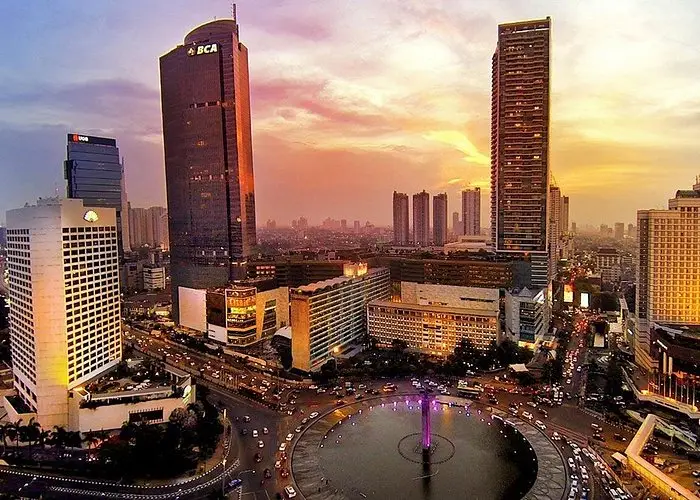
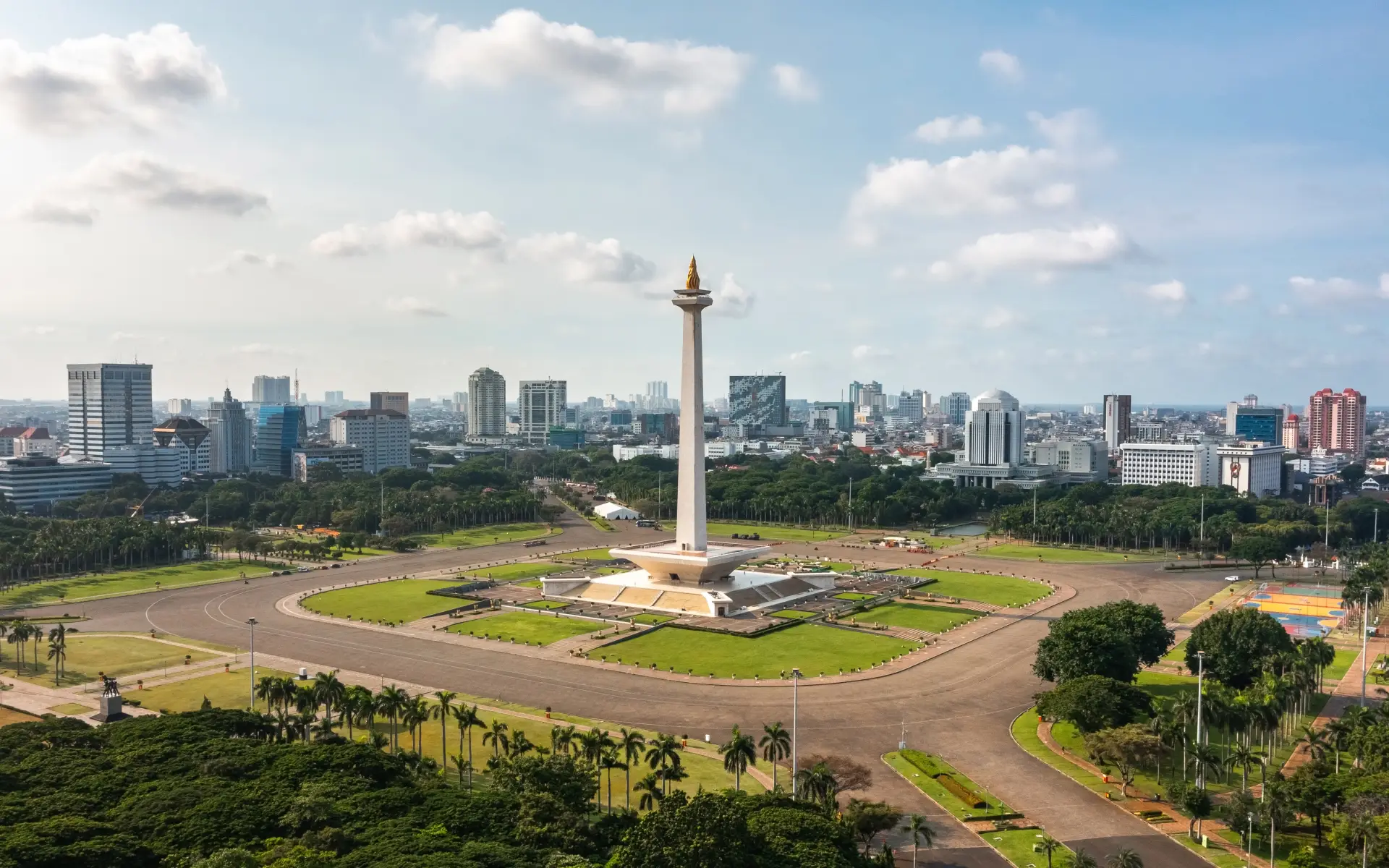
Not everyone has time to travel to Central Java, and thankfully Jakarta has a solid, if smaller, selection of Javanese traditional clothing shops. Batik boutiques in shopping malls and dedicated craft centers around the city stock ready-to-wear batik shirts, kebaya and accessories, often from well-known Indonesian batik houses. It's a convenient option if you're short on time, and you can easily combine it with a broader look at Indonesian culture. The Jakarta Full-day Indonesia Culture, Traditional House & Landmark Tour introduces visitors to Taman Mini Indonesia Indah, where regional pavilions showcase traditional dress from across the archipelago, giving helpful context before you shop. For a more retail-focused day, the Jakarta Full-day Shopping & Food Culinary Tour mixes market browsing with mall stops and local food, a practical way to squeeze in clothing shopping alongside everything else Jakarta offers. If you want more background on the cultural sites tied to this tour, this Jakarta culture and traditional house tour itinerary breaks down the full day stop by stop.
Each shopping venue has its own strengths. Traditional markets like Beringharjo and Pasar Klewer offer the widest selection and the best prices, especially if you're comfortable with light bargaining, but quality can vary stall to stall. Boutiques, whether in Kotagede, Laweyan or Jakarta's craft centers, tend to carry higher-quality batik tulis and tailored kebaya, with fixed prices and staff who can explain the origin and technique behind each piece. Malls are best for convenience and consistency, ideal if you want a polished, ready-to-wear batik shirt without hunting through a market. If your goal is an authentic, story-worthy purchase, start at a workshop or boutique; if you're after volume and souvenirs for family back home, the markets will serve you better.
The best approach is to treat clothing shopping as part of your broader cultural exploration rather than a separate errand. Spend a morning at a temple or palace, then head to a nearby market or workshop in the afternoon once you have context for what you're buying. If you're curious about the architectural side of Javanese heritage, this guide to Indonesian traditional houses explained for travelers pairs nicely with a batik shopping day, since many historic houses and batik workshops share the same neighborhoods. Building in an extra half-day for shopping, especially in Yogyakarta or Solo, gives you enough time to browse without rushing a decision on something you'll want to keep for years.
Batik tulis is hand-drawn with a wax pen and takes weeks to finish, making it more expensive, while batik cap is stamped with a copper block and produced faster, so it costs less but is still handmade cloth.
Jakarta has several batik boutiques and craft centers that sell ready-to-wear batik, kebaya and accessories, but Yogyakarta and Solo offer a wider range, better prices and direct access to local workshops.
Machine-printed batik shirts start around 150,000 to 300,000 rupiah, while hand-drawn batik tulis pieces or tailored kebaya can range from 500,000 rupiah to several million depending on fabric and craftsmanship.
Yes, wearing these garments respectfully as everyday or event attire is welcomed by locals and often seen as a sign of appreciation for Javanese culture, especially at cultural sites or ceremonies.
Beringharjo Market in Yogyakarta is the most popular choice for travelers because it combines affordable batik, ready-made kebaya and accessories in one large, easy-to-navigate market.
Check both sides of the cloth: authentic batik tulis shows the pattern clearly on the reverse side too, while printed imitations usually look faded or blurry on the back.
Ready to combine batik shopping with the best of Yogyakarta's culture and history? Book the Best of Yogyakarta Tour - 3 Days with Ekaputra Tour and let a local guide take you from royal palaces to the heart of Java's textile traditions.