If you've landed in Jakarta and started googling how to get around without spending half your trip stuck in traffic, you've probably run into two names: MRT and TransJakarta. Both are legitimate, tourist-friendly ways to move around the capital, but they work differently, cover different areas, and suit different kinds of trips. Here's an honest, practical comparison to help you pick the right one for your itinerary.
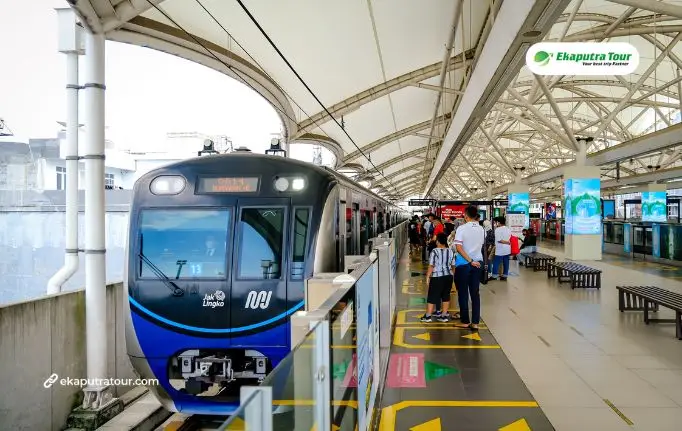
The Jakarta MRT (Mass Rapid Transit) is the newer, sleeker option: a single north-south rail line running from Lebak Bulus in the south up to Bundaran HI in the central business district, partly elevated and partly underground. It's fast, air-conditioned, and refreshingly predictable.
TransJakarta, on the other hand, is the veteran of the two. It's a bus rapid transit system with dedicated lanes crisscrossing the entire city through more than 200 routes, called "koridor" or corridors. It's been around since 2004 and remains the backbone of public transport for millions of Jakartans every day.
This is where the two systems really diverge. The MRT currently only runs one line, so if your destination isn't near one of its stations, it simply won't get you there directly. It's excellent for reaching spots like Bundaran HI, Blok M, or Senayan, but that's about the extent of it for now (an east-west line is under construction but not yet operational).
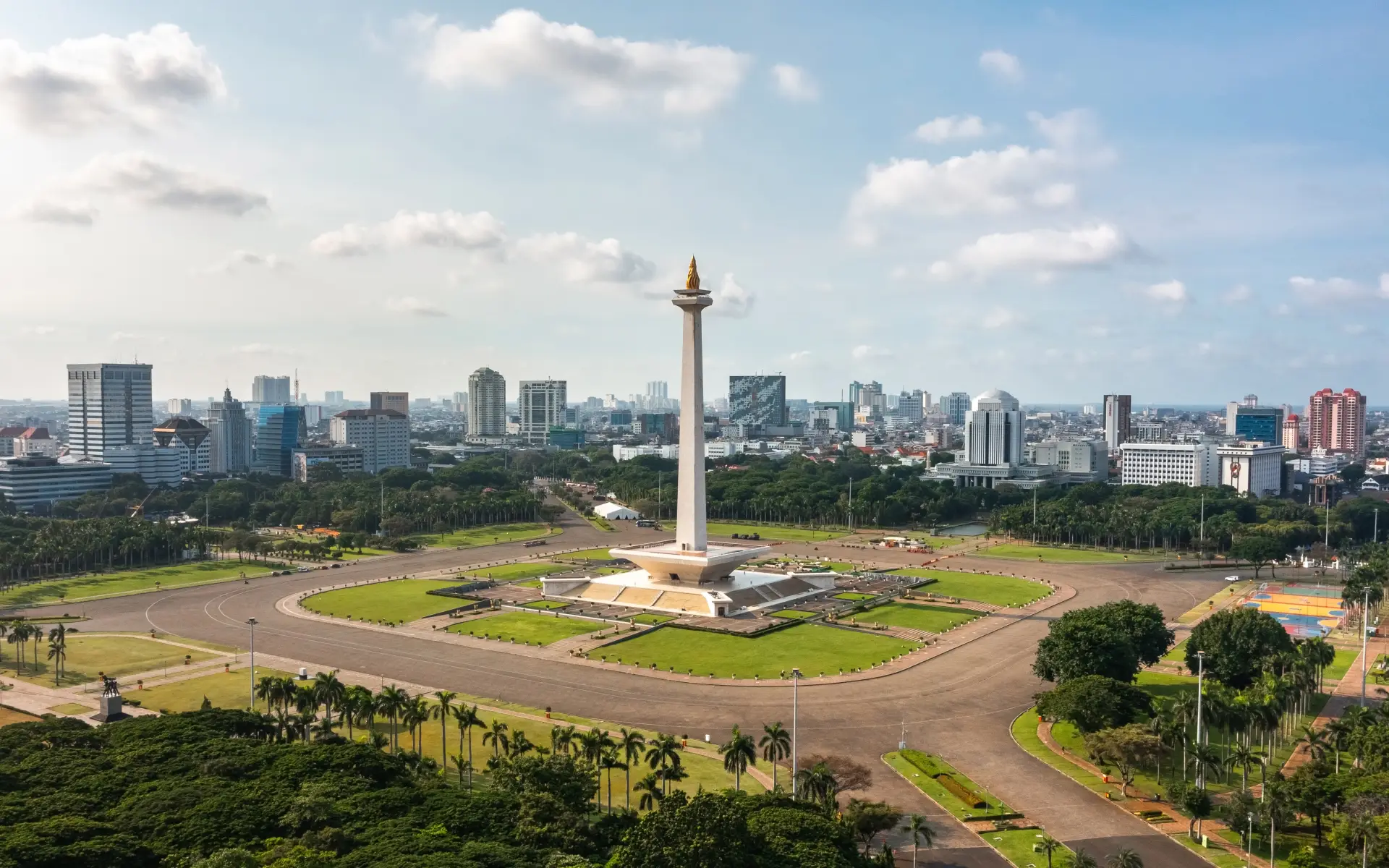
TransJakarta wins hands down on coverage. Its sprawling network reaches historic Kota Tua, Monas, the airport, shopping districts, and even suburban areas far outside the city center. If your Jakarta itinerary includes exploring the old town around Kota Tua, TransJakarta is likely your only public transport option that gets you close enough to walk the rest of the way.
Fare-wise, TransJakarta is the more budget-friendly choice for longer trips since it charges a flat Rp3,500 no matter how far you ride. The MRT uses distance-based pricing, starting around Rp3,000 and climbing to about Rp14,000 for the full line. So for short hops, MRT might actually cost less, but for cross-city journeys, TransJakarta's flat rate is hard to beat.
Both systems accept e-money cards, and if you're wondering whether you need a special local card to ride the MRT, the short answer is no. Our guide on using the Jakarta MRT without a local card breaks down exactly what tourists need to tap in and go.
If you're traveling during Jakarta's infamous rush hours (roughly 7 to 9 AM and 4 to 7 PM), the MRT has a clear edge. Because it runs on an elevated and underground dedicated track, it's completely immune to the gridlock that clogs the city's roads. Trains arrive every few minutes and the ride is smooth, quiet, and refreshingly cool.
TransJakarta buses do have dedicated lanes, but they're not always fully protected from traffic bleed-over, especially at intersections. During peak hours, buses can also get packed shoulder to shoulder. It's still air-conditioned and generally comfortable, just don't expect MRT-level breathing room when the whole city is trying to get home at once.
For a first-timer, the MRT is arguably more intuitive. Stations have clear English signage, digital displays, and a simple single-line layout that's hard to get lost on. TransJakarta requires a bit more homework since you'll need to figure out which corridor number serves your route and where to transfer, though once you get the hang of it, it's not complicated.
If TransJakarta feels intimidating at first, our detailed step-by-step guide to using TransJakarta as a tourist walks through the entire process, from buying a card to identifying the right bus stop.
Absolutely, and many locals do this daily. Both systems accept the same tap-in, tap-out e-money cards (including Jakarta One and most bank-issued cards), so you can ride the MRT to a central station like Bundaran HI, then hop on a TransJakarta bus to continue toward a destination outside the rail line's reach. There's no need to buy separate tickets or apps for each system, which makes mixing and matching genuinely convenient for tourists covering multiple neighborhoods in one day.
Here's the practical breakdown:
Of course, public transport isn't the only option. If you'd rather compare door-to-door convenience against ride-hailing apps, our article on private car versus Grab in Jakarta covers that angle in detail.
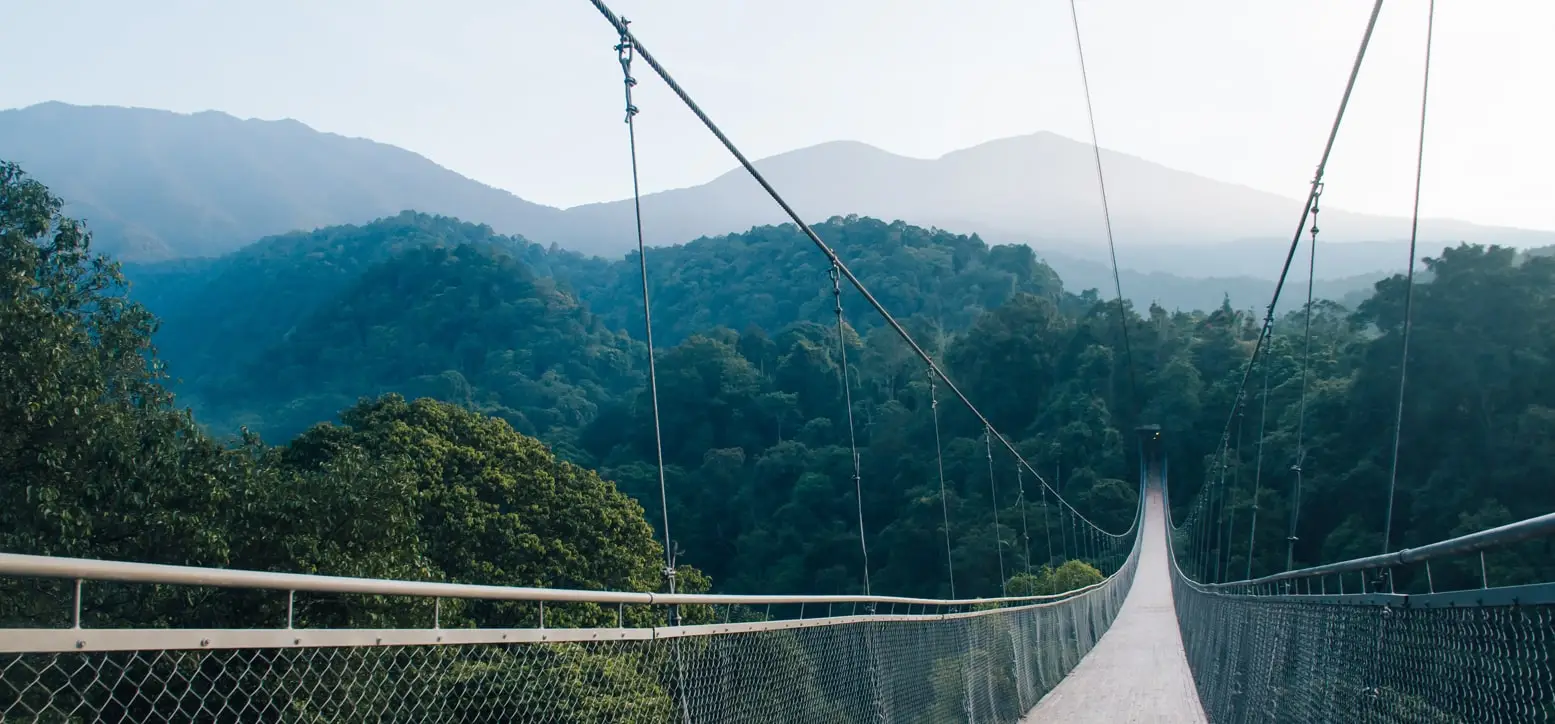
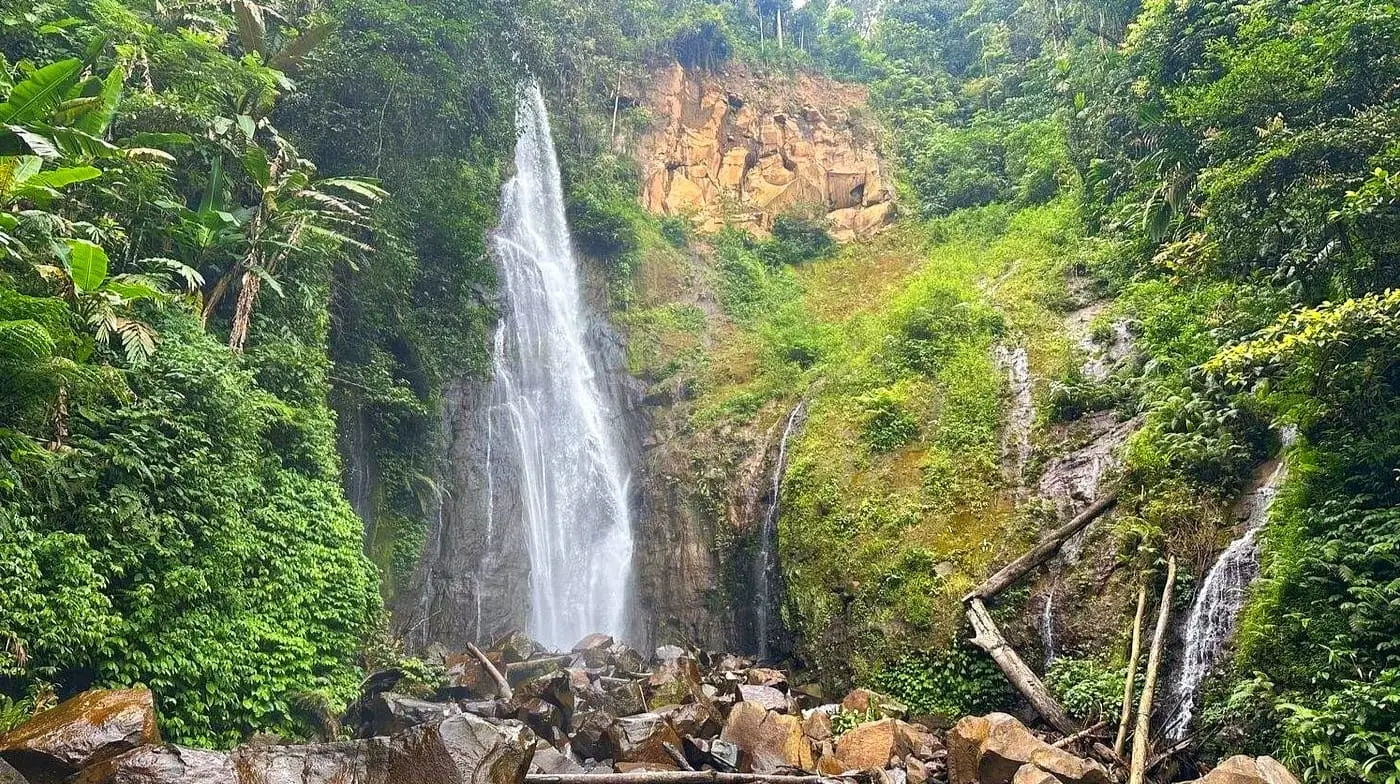
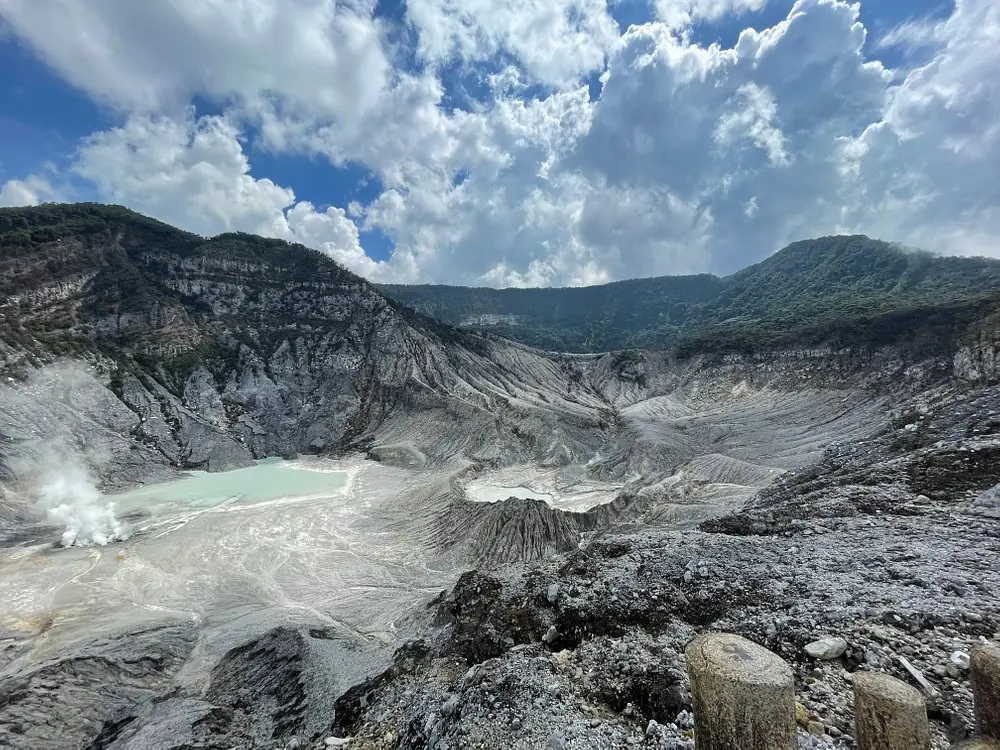
Public transport is great for point-to-point trips within the city, but it starts to feel limiting once your itinerary includes destinations outside central Jakarta, like a hidden waterfall in Bogor's rainforest or a volcanic crater in West Java. Squeezing in transfers, waiting times, and unfamiliar routes eats into precious sightseeing hours, especially if you're only in town for a short trip.
This is exactly why a guided day tour with private transport makes sense for many travelers. Instead of juggling MRT schedules and bus corridors, you get picked up, driven directly to each stop, and guided by someone who knows the terrain. If you're also deciding between Jakarta and other cities for your first stop in Indonesia, our comparison of Yogyakarta versus Jakarta might help shape your broader travel plan.
Yes, slightly. MRT fares range from about Rp3,000 to Rp14,000 depending on distance, while TransJakarta charges a flat Rp3,500 per ride regardless of how far you travel, making it cheaper for longer routes.
The MRT is significantly faster during peak hours because it runs on a dedicated elevated and underground track, avoiding Jakarta's notorious traffic jams that can slow down TransJakarta buses even in bus lanes.
Yes, TransJakarta has a much larger network with over 200 routes covering most of the city, while the MRT currently operates on a single north-south line with limited stations.
Yes, a single Jakarta One or bank-issued e-money card works for both systems, so you can tap in and out of either the MRT gates or TransJakarta buses without buying separate tickets.
TransJakarta is generally safe and air-conditioned, though buses can get crowded during rush hour. For a calmer, faster ride, the MRT is usually the more comfortable option when your route is covered.
Public transport works well for point-to-point city trips, but for full-day sightseeing that includes multiple stops outside central Jakarta, a guided tour with private transport is more efficient and less tiring.
Ready to skip the transfers and see more of Jakarta in one day? Check out the Jakarta half-day guided tour with a private local host and let someone else handle the logistics while you focus on the sights.