If you have ever heard the shimmering rattle of bamboo tubes or watched a dancer's fingers curl like a peacock's feathers unfurling, you have already brushed up against Sundanese traditional music and dance. Rooted in the highlands and river valleys of West Java, this performing arts tradition is one of Indonesia's richest, yet it often gets overshadowed by its more famous Central Javanese cousin. Understanding what makes Sundanese arts unique is a great way to appreciate West Java on a deeper level, whether you are planning a trip to Bandung or simply curious about the culture behind the country's islands.
Sundanese performing arts grew out of the agrarian, mountainous communities of West Java, and that environment shows up in the music itself. Where Central Javanese gamelan tends to be slow, weighty, and meditative, Sundanese music generally favors lighter textures, higher pitches, and a brighter emotional tone. Bamboo, a material abundant in the region's hills, plays a starring role, giving instruments like the angklung and suling their signature airy timbre.
Dance follows a similar logic. Sundanese choreography often emphasizes fluid wrist and finger movements, subtle eye expression, and a sense of playful elegance rather than the rigid formality found in some Central Javanese court dances. This distinction is worth keeping in mind if you have already read about Javanese traditional arts and performances, since the two traditions share an island but diverge sharply in feel and philosophy.
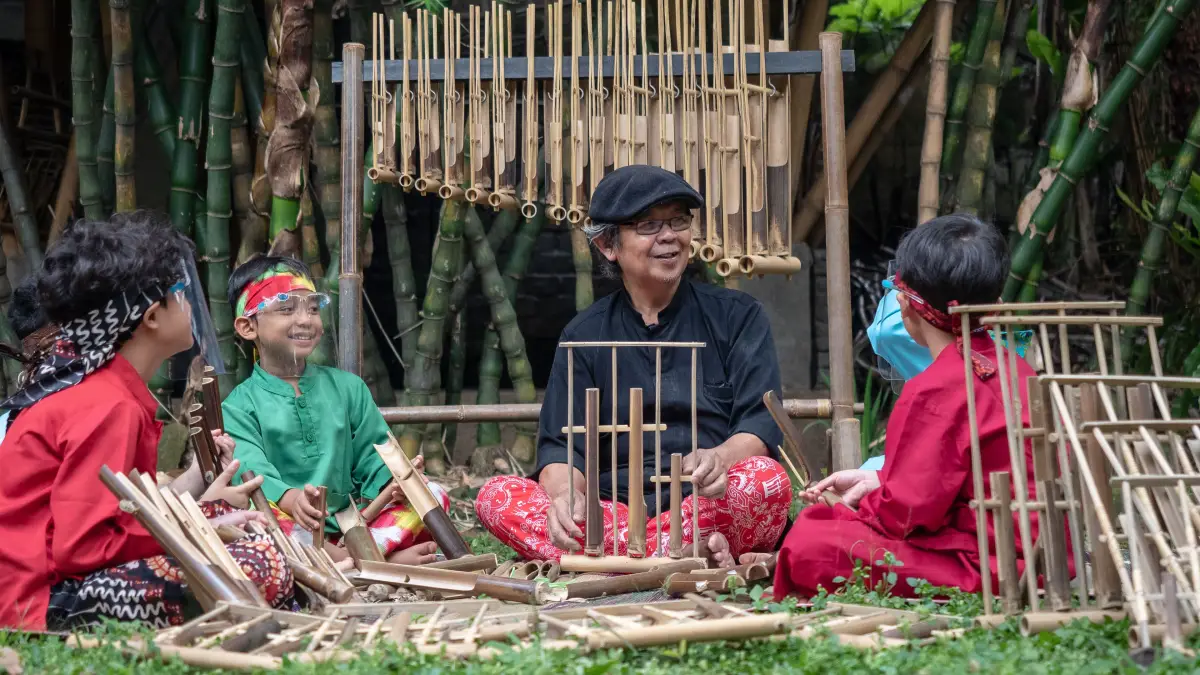
No discussion of Sundanese traditional music and dance is complete without angklung West Java. Each angklung is built from carefully cut bamboo tubes tuned to specific pitches, and a musician simply shakes the frame to produce a note. On its own, a single angklung is limited, but when dozens are played together by a coordinated ensemble, the result is a surprisingly full, orchestral sound capable of performing everything from folk tunes to pop songs.
Angklung's cultural importance was formally recognized in 2010, when UNESCO listed it as a Masterpiece of the Oral and Intangible Heritage of Humanity. That recognition has helped fuel a wave of interactive angklung workshops across West Java, where visitors are handed an instrument and taught to play along within minutes, making it one of the most approachable entry points into Sundanese culture for travelers with no musical background at all.
Beyond angklung, Sundanese gamelan degung offers a more ceremonial, layered listening experience. Unlike the large bronze orchestras of Central Java, degung ensembles are relatively compact, built around a set of tuned gongs, a kendang drum, and metallophones, producing a sound that is elegant rather than booming. It is often played at formal events, welcome ceremonies, and cultural showcases as ambient, dignified background music.
Equally beloved is the kecapi suling combination, pairing a plucked zither (kecapi) with the breathy bamboo flute (suling). This duo produces some of the most contemplative, almost meditative music in the Sundanese repertoire, frequently used to accompany poetry recitation or quiet moments in traditional storytelling. If you're building a broader picture of Indonesian craftsmanship and heritage attire alongside its music, it is worth pairing this research with a look at where to buy Javanese traditional clothing for context on how music, dance, and dress intertwine across the island.
If gamelan degung is Sunda's calm, reflective side, Jaipongan dance is its pulse. Created in Bandung during the 1960s and 70s, Jaipongan fuses the martial art movements of pencak silat with folk dance traditions and driving, syncopated drumming. The result is a dance style that feels spontaneous and communal, often performed at weddings, festivals, and neighborhood celebrations rather than confined to formal stages.
What makes Jaipongan such a strong symbol of Sundanese identity is its accessibility. It was designed to invite participation, not just observation, and many performances still encourage audience members to join in. For travelers, watching a live Jaipongan set is one of the most immediate ways to feel the energy of West Java performing arts up close.
On the more theatrical end of the spectrum sits Tari Merak, the peacock dance. Developed in the 20th century, this piece is a secular showcase dance rather than a ritual one, designed to mimic the vivid plumage and courtship display of a peacock through elaborate costuming and expressive, precise movement. Dancers wear wing-like extensions on their arms that unfold dramatically during key sequences, drawing an audible reaction from audiences even at casual cultural shows.
Other classical dances worth knowing include Tari Topeng Kuncaran, a masked dance tradition, and Tari Ketuk Tilu, considered a folk precursor to Jaipongan itself. Together, these dances form a broad spectrum from courtly refinement to grassroots celebration, all under the umbrella of Sundanese traditional music and dance.
Where Central and East Java rely on flat leather shadow puppets known as wayang kulit, West Java has its own distinct tradition: wayang golek Sunda. These are three-dimensional, carved wooden rod puppets, painted with expressive faces and dressed in miniature traditional costumes. A single puppeteer, or dalang, manipulates the puppets while narrating entire epics, often drawing from the Mahabharata and Ramayana, but localized with Sundanese humor, language, and social commentary woven throughout.
A full wayang golek performance can run for hours and blends storytelling, music, and moral lessons in a single sitting, historically serving as both entertainment and a form of community education. Even a short excerpt at a cultural venue gives a strong sense of the craftsmanship and vocal skill involved.
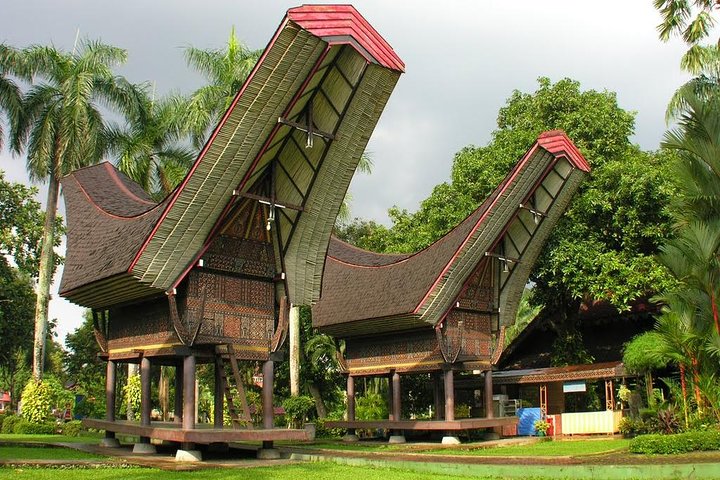
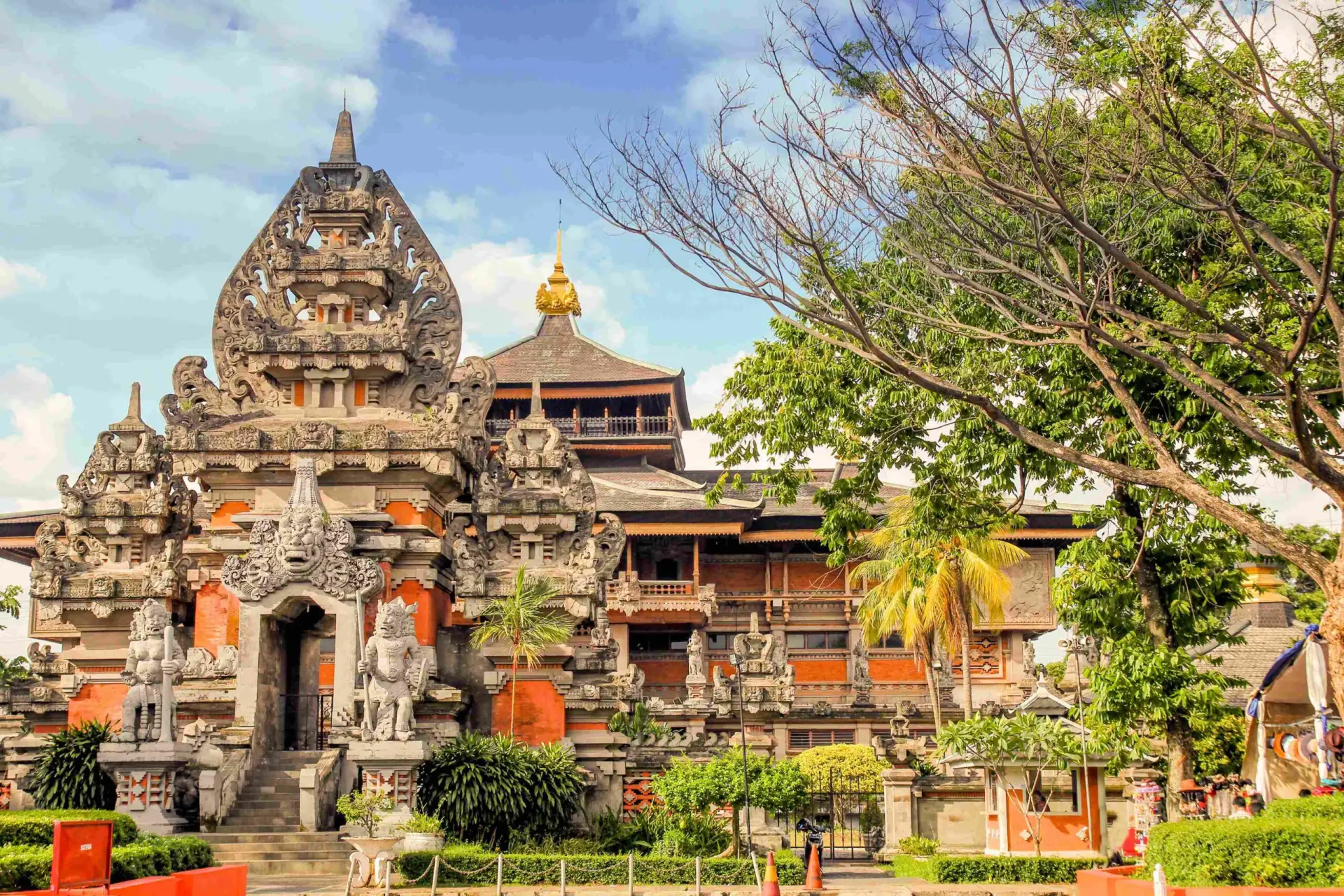
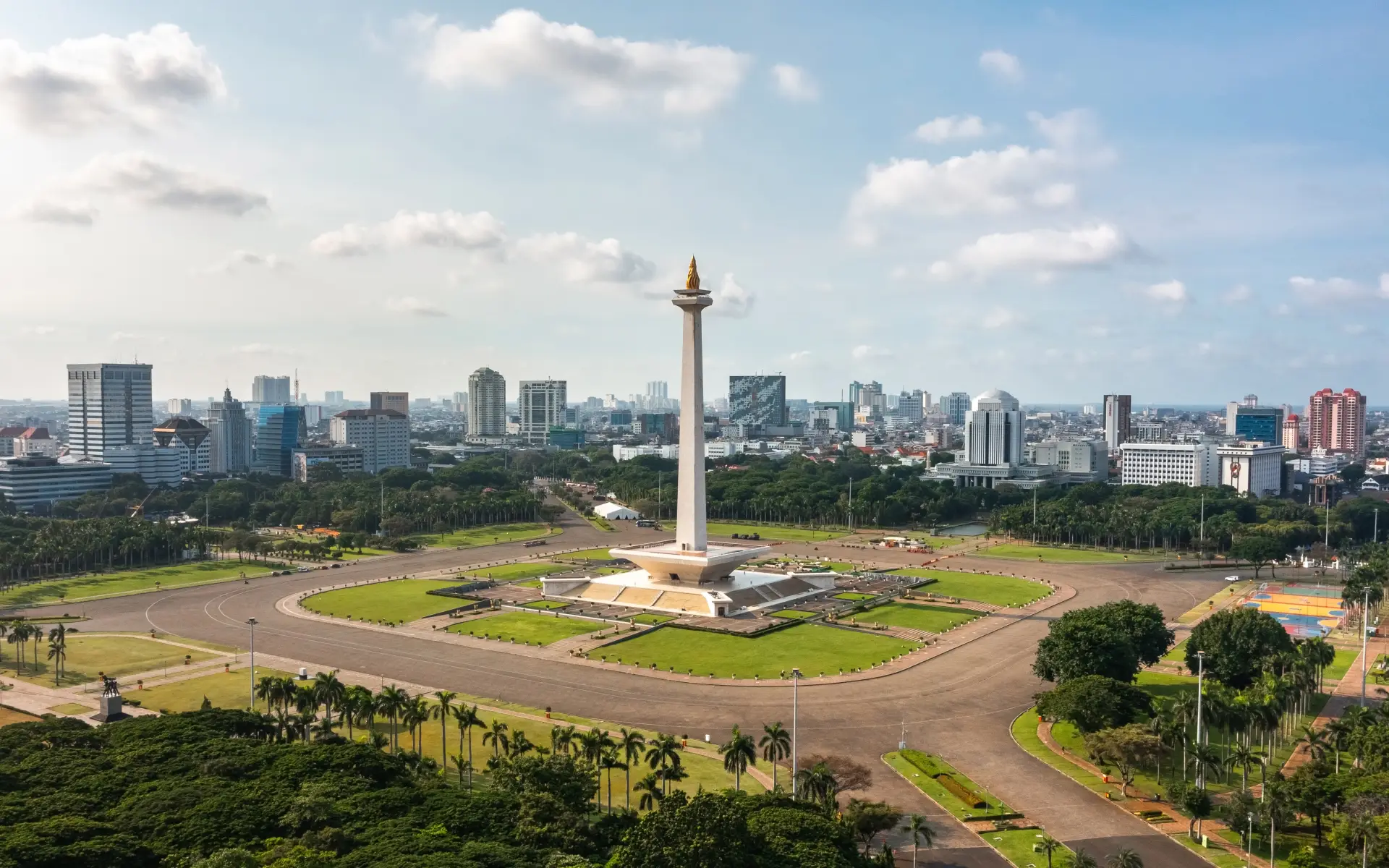
Bandung remains the heartland for experiencing these art forms in an authentic, living setting, with regular angklung workshops, Jaipongan showcases, and wayang golek performances scheduled for both locals and visitors. Jakarta also offers a convenient starting point, particularly at Taman Mini Indonesia Indah, where pavilions and stages regularly feature performances representing West Java alongside the rest of the archipelago. This makes the Jakarta full-day Indonesia culture and traditional house tour a practical option if your schedule does not allow a trip further into West Java.
For a deeper dive, consider pairing a Jakarta cultural day with time in Bandung itself. Since Bandung sits roughly three hours from the capital, it fits neatly into a longer itinerary rather than requiring a separate trip. If you're mapping out your first day in the capital, this Jakarta culture and traditional house tour itinerary is a useful companion piece before heading west.
The easiest way to experience both Jakarta's landmarks and West Java's performing arts scene without juggling logistics yourself is to follow a structured multi-day route. The Jakarta to Bandung 5-day tour and the Best of Jakarta 5-day tour both combine city heritage sites with West Java's cooler highlands, giving you natural opportunities to catch live performances, visit craft workshops, and see the volcanic and tea plantation landscapes that shaped Sundanese culture in the first place. Travelers who prefer a shorter, nature-focused break can also look at the Bogor botanical garden and rainforest hike, which pairs well with a cultural day if you want to balance performances with the outdoors.
Sundanese music from West Java uses lighter, higher-pitched scales and bamboo instruments like angklung and suling, while Javanese gamelan from Central Java favors bronze instruments and slower, more meditative tempos.
Angklung is a musical instrument made of bamboo tubes that produce notes when shaken. It originated in West Java and was recognized by UNESCO in 2010 as a Masterpiece of the Oral and Intangible Heritage of Humanity.
Jaipongan is a lively Sundanese social dance created in the 1960s-70s in Bandung, blending traditional pencak silat movement, folk dance, and dynamic drumming. It is often performed at community celebrations and cultural shows.
No, Tari Merak (Peacock Dance) is a secular art dance created in the 20th century to showcase the beauty of a peacock's plumage and courtship movements through costume and choreography, often performed at weddings and welcome ceremonies.
Bandung, about three hours from Jakarta, hosts regular angklung and Jaipongan shows, making it easy to combine with a multi-day Jakarta–Bandung itinerary for cultural travelers.
Wayang golek is a traditional Sundanese puppet theatre using carved wooden rod puppets, distinct from the flat leather shadow puppets (wayang kulit) used in Central and East Javanese storytelling.
Ready to see angklung, Jaipongan, and wayang golek up close instead of just reading about them? Book the Jakarta full-day Indonesia culture and traditional house tour with Ekaputra Tour and experience West Java's performing arts heritage firsthand, guided by people who know the culture inside out.