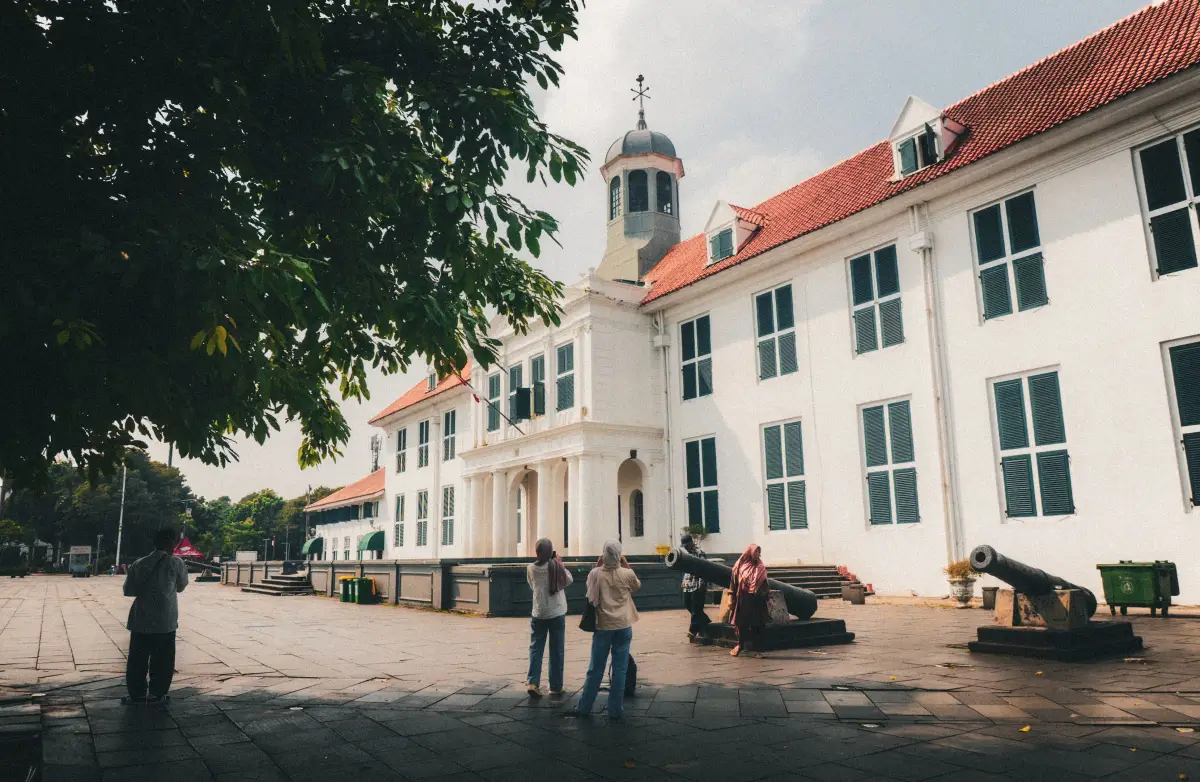
Most travelers treat Kota Tua as a single stop: snap a photo at Fatahillah Square, poke around a museum or two, rent a colorful bike, and move on. But that only scratches the surface. The things to do around Kota Tua Jakarta stretch well beyond the cobblestones, into a working harbor, an old Chinatown, a historic mosque, and a scatter of alleyways that most guidebooks skip entirely. If you've got even half a day to spare, this is where Jakarta's old town really opens up.
Fatahillah Square is beautifully restored, but it's also a curated version of history: clean facades, souvenir stalls, café terraces. Walk ten or fifteen minutes in almost any direction and you hit the rougher, unrestored parts of the old city that show how Jakarta actually grew from a colonial port into the sprawling capital it is today. This is where the Jakarta Old Town surroundings earn their keep: fewer selfie crowds, more genuine street life, and a much better sense of how trade, migration, and faith all intersected in this one small corner of the city.
A short ride north of the square sits Sunda Kelapa harbor, one of the oldest ports in Indonesia and still functioning today. Long rows of pinisi, traditional wooden schooners from Sulawesi, dock here to load and unload cargo by hand, much as they've done for generations. It's not a polished tourist attraction: expect creaking wood, diesel fumes, and dockworkers going about their day rather than posing for cameras. That's exactly the appeal. Climbing onto the old watchtower nearby gives you a panoramic view over the harbor and a real sense of scale for how much shipping still moves through this historic waterfront.
Head the opposite direction and you'll land in Glodok Chinatown Jakarta, the city's oldest and most enduring Chinese-Indonesian enclave. Narrow lanes wind past centuries-old temples like Vihara Dharma Bhakti, where incense smoke curls through carved wooden beams, and food stalls sell dishes you won't easily find elsewhere in the city, from kwetiau goreng to bubur ase. Glodok isn't just about the wholesale markets it's known for; it's a living record of how Chinese merchants shaped Jakarta's trade and culture long before the country's independence. Even a slow, hour-long wander here adds real depth to a Kota Tua day trip.
Tucked near the harbor is Luar Batang, a tight-knit fishing and trading community built around one of Jakarta's oldest mosques, Masjid Luar Batang. The mosque itself dates back to the mid-1700s and remains an active pilgrimage site, with a small tomb complex inside that draws local visitors year-round. Wandering the surrounding lanes, you'll see stilted houses, drying fish, and a community rhythm that feels a world apart from the manicured square just a short drive away. It's a good reminder that Kota Tua's story isn't only Dutch colonial architecture, it's also generations of local maritime life.
Between the big-name sites, Kota Tua's backstreets hide a handful of quiet gems: repurposed colonial shophouses turned into small cafes, faded warehouse facades with peeling paint that photographers love, and the occasional mural project brightening up a forgotten alley. These spots rarely make it onto a first-timer's itinerary, but they're perfect for a slow coffee break between harbor visits and temple wandering, especially in the mid-afternoon heat.
If you've already covered the main square on a previous visit, our guide to things to do in Kota Tua Jakarta is a useful companion for planning what to pair with these lesser-known spots.
These sites are close on a map but not always easy to link on foot. Jakarta's heat, uneven sidewalks, and traffic make walking between Sunda Kelapa, Glodok, and Luar Batang more tiring than it looks. Ride-hailing apps work fine for single hops, but juggling multiple pickups across a half-day itinerary can eat into your sightseeing time.
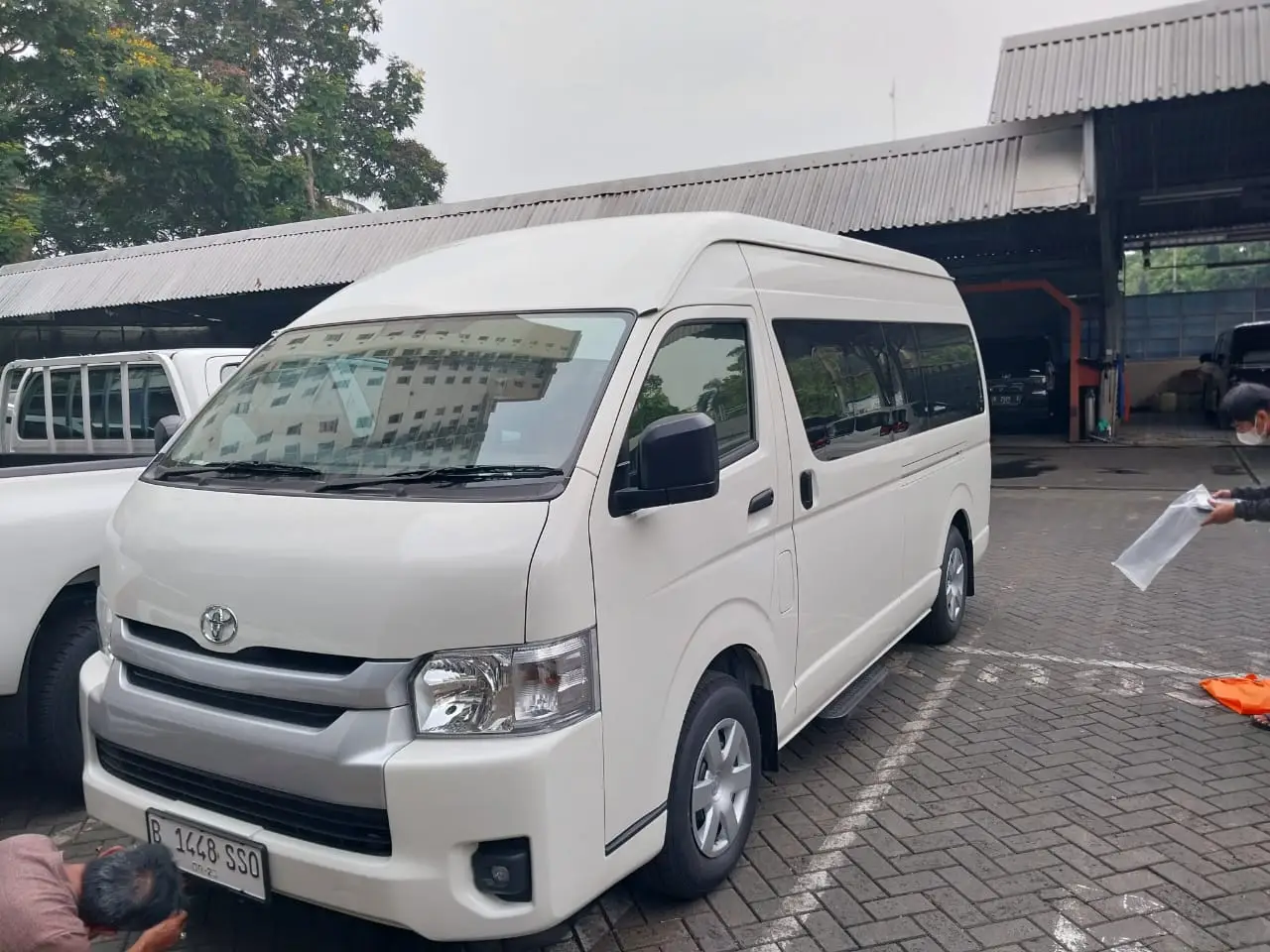
A far more relaxed option is hiring a driver for the stretch. A Jakarta private car charter with an English-speaking driver lets you hop between the harbor, Chinatown, and the mosque area on your own timeline, with someone who already knows the shortcuts and can explain what you're seeing along the way.
If you're building a longer Jakarta itinerary, the old town area pairs naturally with a few other experiences. Travelers short on time sometimes combine a morning around Kota Tua with an afternoon shopping and food crawl, similar to what's covered on the Jakarta full-day shopping and food culinary tour. Others prefer a cultural contrast, adding a stop at Taman Mini Indonesia Indah via the half-day Miniature of Indonesia Park tour to see traditional architecture from across the archipelago in one place. If you're flying in or out the same day, it's also worth checking the airport transfer service to and from Jakarta city to keep the logistics simple.
Start early, ideally before 9am, to beat both the heat and the crowds at Sunda Kelapa. Wear closed shoes since the harbor area and Glodok's back lanes aren't always clean or paved evenly. Carry small cash for street food and temple donations, and dress modestly if you plan to step inside Masjid Luar Batang or any of Glodok's temples. If you're combining three or four sites in one outing, budget at least four to five hours, and consider a driver rather than public transport to avoid backtracking across the city.
Plan at least half a day if you want to include Sunda Kelapa harbor and Glodok Chinatown alongside the main square, or a full day if you're adding a food tour or nearby park visit.
Yes, it's generally safe during daylight hours and offers a rare look at traditional wooden pinisi ships still loading cargo, though the area is rougher and less polished than the restored square.
It's possible but not ideal on foot due to traffic and heat; most visitors take a short taxi, ride-hailing app, or private driver for the roughly 10-15 minute trip.
Hiring a private car with an English-speaking driver lets you visit Kota Tua, Sunda Kelapa, and Glodok in one flexible route without wasting time figuring out routes or negotiating fares.
Yes, Glodok's value lies in its centuries-old temples, narrow lanes, and street food culture, which reflect Jakarta's Chinese-Indonesian heritage separate from its markets.
Yes, many travelers pair a morning around Kota Tua with an afternoon shopping and culinary tour or a stop at a cultural park, especially when using a private driver to manage the schedule.
Ready to see the old town's full story, not just the square? Book the Jakarta private car charter with an English-speaking driver and let a local expert guide you through Sunda Kelapa, Glodok, and Luar Batang at your own pace.