If you have ever wandered through a chaotic city market hunting for the "right" souvenir, shopping around Mount Bromo will feel like a completely different rhythm. There is no haggling frenzy, no overwhelming maze of stalls, and no pressure to buy something you do not actually want. Bromo souvenir shopping is small-scale, community-based, and refreshingly honest, which is exactly what makes it worth doing right. This guide walks you through where to go, what to buy, and how to avoid overpaying so you bring home something that actually means something.
Unlike Jakarta's sprawling shopping districts or Yogyakarta's dense batik markets, Bromo's souvenir scene is built around a handful of highland villages rather than one giant commercial zone. The Tengger people who live around the volcano's rim run most of the stalls themselves, so what you are buying is often made, grown, or sourced locally rather than mass-produced elsewhere. Selection is smaller, but authenticity tends to be higher. It is a slower, more personal way to shop, and it rewards travelers who take a little time to look around rather than rushing straight to the crater.
Cemoro Lawang, the small village perched right at the edge of the Bromo caldera, is where most travelers base themselves before sunrise jeep tours, and it is also the best place to shop. Along its main road you will find small shops and roadside stalls selling everything from warm scarves and beanies (genuinely useful in the cold highland air) to woven bags, wooden trinkets, and packaged local snacks. Because vendors here rely on repeat foot traffic from overnight guests rather than one-time tourist rushes, prices tend to stay fair and consistent. If you only have time to shop in one place, make it here.
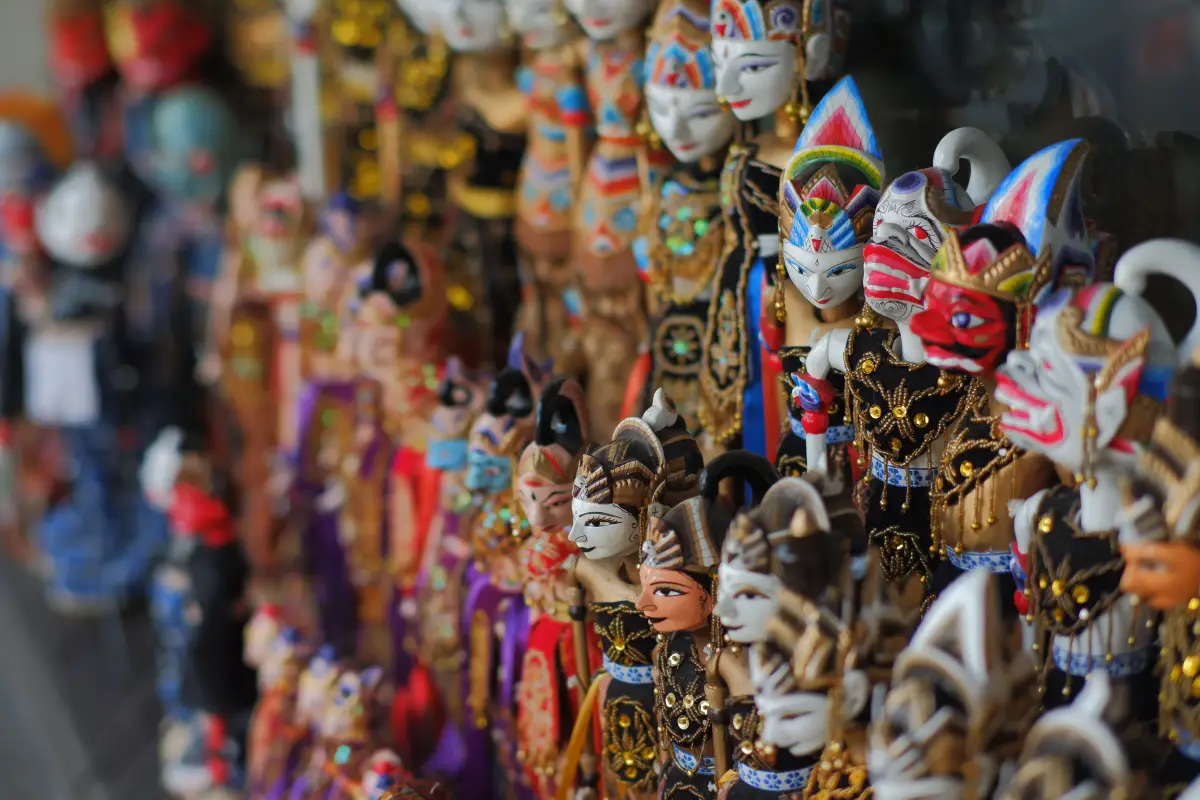
The Tengger tribe has called the slopes of Bromo home for generations, and their craftsmanship shows up in the textiles and handmade goods sold around the village. Look for woven fabrics with earthy, mountain-inspired color palettes, simple wooden carvings, and handmade accessories that reflect daily highland life rather than generic tourist designs. These Tengger tribe crafts are not as elaborate or varied as Javanese batik from Yogyakarta, but that simplicity is part of their charm: each piece feels tied to the place you are actually standing in.
Bromo's volcanic soil and high elevation make it excellent coffee-growing territory, and locally grown beans are one of the smartest Bromo local products to bring home. You will also find dried fruits, honey, and other highland agricultural goods sold in small packets, perfect for gifting or simply reliving the trip over your morning brew. Buying these products directly from village sellers also puts money straight into the local Tengger community, which is a nice bonus if you care about responsible travel.
Once you head up toward the crater rim or popular viewpoints like Penanjakan and King Kong Hill, you will spot more souvenir stalls catering to the sunrise crowd. These are convenient if you forgot a jacket or want a quick snack while waiting for the sky to change color, but expect to pay a premium. Limited competition and a captive audience mean prices here run higher than in the village below. Think of these stalls as a backup option, not your main shopping stop.
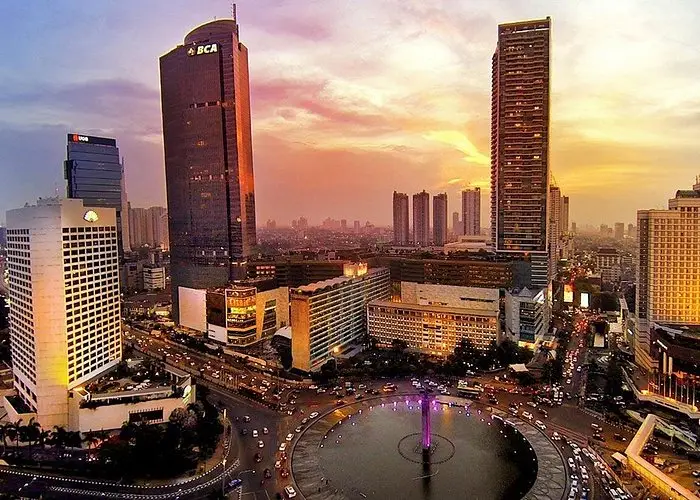
For travelers building a longer Java itinerary, it is worth comparing this small-scale mountain shopping with the bigger city experience. Jakarta's local food markets and shopping districts offer a totally different pace, and if you are curious what else to look for after a food-focused day out, this guide on souvenirs to buy after a Jakarta food tour pairs nicely with what you pick up in the highlands.
Bargaining in Bromo is nowhere near as intense as in big city markets, mostly because prices tend to already be reasonable. Still, light and friendly negotiation is culturally acceptable, especially for handicrafts and textiles rather than packaged food items. A good approach is to ask the price, smile, and gently counter with a slightly lower offer rather than an aggressive haggle. Vendors here are used to polite back-and-forth, not confrontation. If a price feels fair for the effort and materials involved, it is usually fine to just pay it and move on. Remember that a few thousand rupiah difference means far more to a small highland seller than it does to your travel budget.
These Mount Bromo gifts are compact, easy to pack, and genuinely reflect the mountain culture you experienced rather than generic mass-produced trinkets found in bigger tourist hubs.
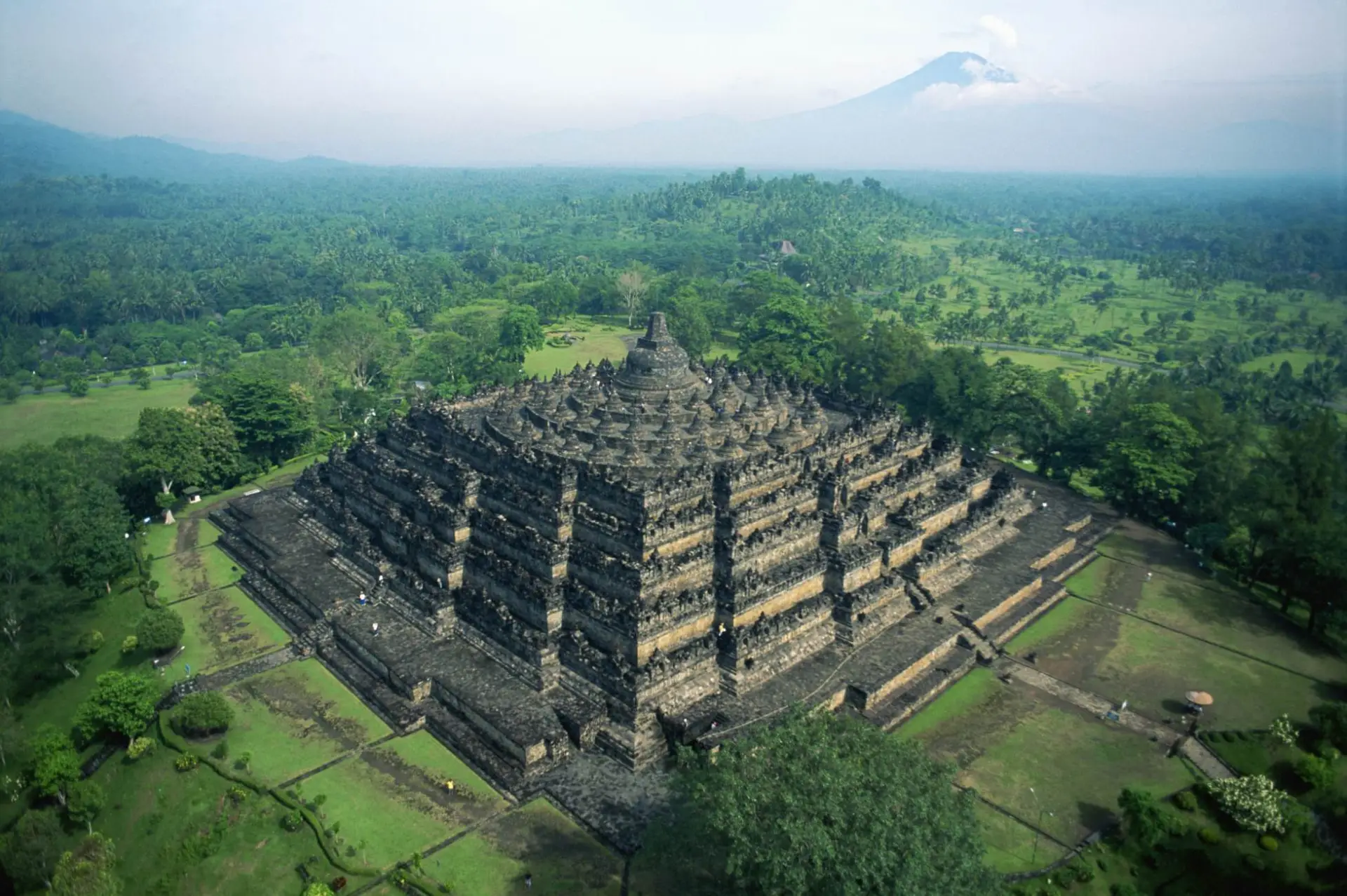
Most travelers do not visit Bromo in isolation. It usually fits into a wider Java route alongside Yogyakarta's temples or Jakarta's urban attractions. If batik, silver, and traditional crafts are on your shopping list too, Yogyakarta's markets around Borobudur and Prambanan temples offer a broader selection worth saving budget for. And if your Java trip starts or ends in the capital, a guided outing like the private full-day Jakarta highlights tour is a great way to bookend your highland souvenir haul with some city culture and, of course, more shopping opportunities.
Cemoro Lawang village is the most reliable spot, with small shops and stalls offering crafts, textiles, coffee, and snacks at fair local prices.
Yes, stalls near the viewpoints and crater rim tend to charge more because of foot traffic and limited competition, so it's better to shop in the village.
Look for Tengger tribe woven textiles, wooden carvings, dried highland produce, and locally grown coffee, which reflect the region's mountain culture.
Light, friendly bargaining is acceptable, especially for handicrafts, but prices are usually already modest compared to city tourist markets.
Bromo offers unique highland items you won't find elsewhere, while Yogyakarta has broader batik and craft markets, so many travelers do both on a Java itinerary.
Ready to turn your Java trip into a full cultural and shopping adventure? Book the Jakarta full-day shopping and food culinary tour with Ekaputra Tour and let a local host guide you through the best finds before or after your Bromo highland journey.