Yogyakarta is often called the soul of Java, and for good reason. This is a city where centuries-old royal customs, artisan crafts, and spiritual ceremonies are not museum pieces but living, breathing parts of daily life. If you're hoping to experience genuine Javanese traditions in Yogyakarta, you're in the right place. From the palace walls of the Kraton to the quiet lanes of Kotagede, here's where to find the culture that makes this city so special.
No exploration of Javanese culture in Yogyakarta is complete without a visit to the Kraton, the Sultan's Palace that has stood since the 18th century and still functions as the residence of the reigning Sultan. Unlike many royal palaces around the world that have become purely historical sites, the Kraton Yogyakarta traditions continue to be practiced here daily. Palace abdi dalem (traditional servants) dressed in classic Javanese attire go about their duties, while visitors can watch gamelan orchestras play in the pendopo pavilions or observe traditional dance rehearsals.
The palace complex also houses museums displaying royal heirlooms, gifts from foreign dignitaries, and historical photographs that trace the Sultanate's role in Indonesia's independence. Arriving in the morning gives you the best chance to catch live performances before the midday crowds arrive.
Just a short walk from the Kraton, Taman Sari Water Castle was once the royal garden and bathing complex, built in the mid-1700s as a retreat for the Sultan and his family. Its Portuguese-influenced architecture blended with Javanese design tells a story of cultural exchange, but what makes it worth visiting today is how locals still treat it as a place of quiet reverence. Some visitors come not just for photos but to reflect near the underground mosque tunnels, which were designed with acoustic precision for prayer.
Wandering through Taman Sari's narrow passageways and pool complex, you'll often spot batik sellers and small workshops nearby, a natural segue into the next major Yogyakarta cultural experience.
Batik making in Yogyakarta isn't just a souvenir shopping activity, it's a UNESCO-recognized intangible cultural heritage that locals have practiced for generations. Head to Kampung Batik Taman or the workshops scattered around Kotagede, and you'll find artisans willing to teach visitors the basics of canting (hand-drawn) or cap (stamped) batik techniques.
Learning batik firsthand helps you appreciate the patience behind every piece: the wax application, the dye baths, the intricate patterns that often carry symbolic meanings tied to Javanese philosophy. Many workshops let you take home your own hand-batiked cloth, a meaningful memento far more personal than anything bought off a rack.
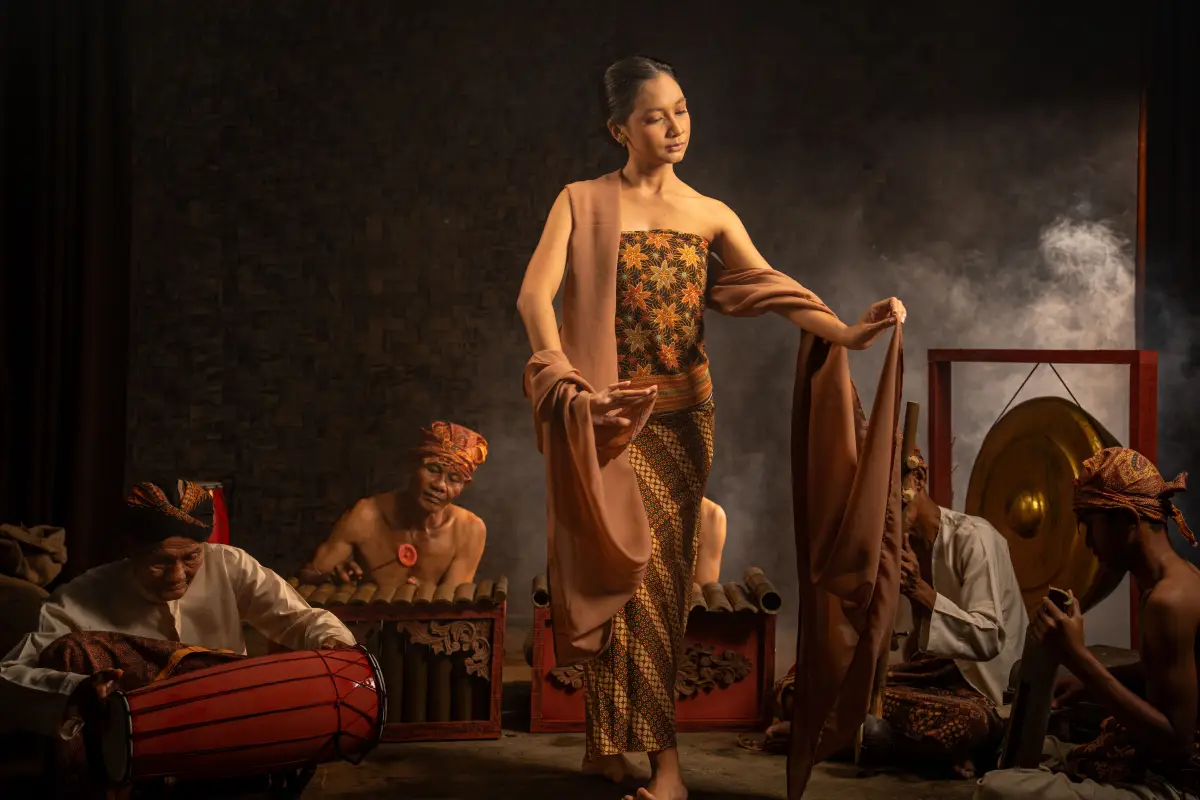
The haunting, layered sounds of gamelan and wayang yogyakarta performances are inseparable from Javanese identity. Gamelan orchestras, composed of metallophones, gongs, and drums, provide the musical backbone for many ceremonies and traditional dances. Watching a performance, whether at the Kraton or a cultural center like Sasono Hinggil, gives you a visceral sense of how music and ritual intertwine in Javanese life.
Wayang kulit, the shadow puppet theater using intricately carved leather figures, is equally captivating. Performances often stretch late into the night, narrating epic tales from the Ramayana or Mahabharata, accompanied by a dalang (puppet master) who voices every character. Several venues host these shows on specific evenings each week, so it's worth checking schedules ahead of your trip.
Traditional Javanese ceremonies in Yogyakarta range from grand public spectacles to intimate family rites. The Grebeg processions, held to mark Islamic holidays, are among the most accessible for visitors: mountains of rice and produce are paraded from the Kraton to nearby mosques, symbolizing the Sultan's blessings for the people. Crowds gather early to witness the colorful procession and the customary scramble for the ceremonial offerings, believed to bring good fortune.
Other rituals, like Javanese wedding ceremonies or tedak siten (a baby's first steps ritual), are typically private family affairs, though some cultural centers occasionally stage demonstrations for educational purposes.
If you want to build these cultural highlights into a structured itinerary, the Best of Yogyakarta Tour - 4 Days combines the Kraton, Taman Sari, and other heritage sites with natural attractions for a well-rounded experience.
Kotagede, once the capital of the Mataram Kingdom in the 16th century, is now best known for its silver craftsmanship. Wander its old streets and you'll find generations-old workshops where artisans hammer and shape silver into intricate jewelry and decorative pieces, a tradition passed down through families for hundreds of years.
Beyond the silverware, Kotagede's heritage buildings, ancient royal cemetery, and traditional Javanese houses (joglo) offer a tangible link to Yogyakarta's earlier kingdoms, making it one of the most underrated stops for those seeking authentic Javanese culture in Yogyakarta.
To see how these traditions play out in everyday life, spend time at local markets like Pasar Beringharjo, where traditional textiles, herbal medicine (jamu), and local snacks are sold much as they have been for decades. Village life on the city's outskirts also reveals slower rhythms tied to agricultural cycles and community rituals, offering a contrast to the more curated palace experiences.
For travelers coming from Jakarta, it's worth planning your journey in advance. Guides like How to Get From Jakarta to Yogyakarta and Jakarta to Yogyakarta: Flight, Train, or Car? can help you choose the best option for your schedule and budget before diving into Yogyakarta's cultural offerings.
Respect goes a long way when engaging with Javanese traditions in Yogyakarta. Dress modestly when visiting the Kraton, temples, or ceremonies, covering shoulders and knees as a sign of respect for these culturally significant spaces. Speak softly during performances, ask permission before photographing locals or private rituals, and always follow guidance from palace staff or your tour guide.
If you're visiting during Ramadan, it's also helpful to understand local customs around fasting and dining, covered in detail in our Jakarta & Yogyakarta During Ramadan Tourist Guide. And if halal dining is a priority throughout your trip, our Halal Food Guide for Jakarta & Yogyakarta is a handy companion.
The Kraton Yogyakarta (Sultan's Palace) is the most iconic site, offering daily glimpses of royal ceremonies, traditional dress, and gamelan music performed by palace musicians.
Yes, several cultural centers and the Kraton host regular wayang kulit performances, often on specific evenings each week, so checking the schedule beforehand is recommended.
Yogyakarta has numerous batik workshops, particularly around Kampung Batik Taman and Kotagede, where visitors can try hand-drawn or stamped batik techniques with local artisans.
Some ceremonies, like Grebeg processions at the Kraton, are open to the public and draw large crowds, while more private family rituals are usually not accessible to outsiders.
Modest, respectful clothing is advised, covering shoulders and knees, as the Kraton and ceremonial sites are considered culturally and spiritually significant.
A minimum of two to three days allows time to visit the Kraton, Taman Sari, a batik workshop, and Kotagede, though longer stays allow deeper immersion into local rituals and markets.
Ready to experience these traditions firsthand instead of just reading about them? Let us handle the logistics while you soak in the culture with the Best of Yogyakarta Tour - 3 Days, a thoughtfully designed itinerary that brings you face to face with the Kraton, Taman Sari, and Yogyakarta's timeless Javanese heritage.